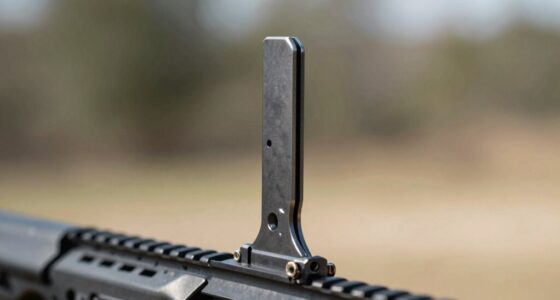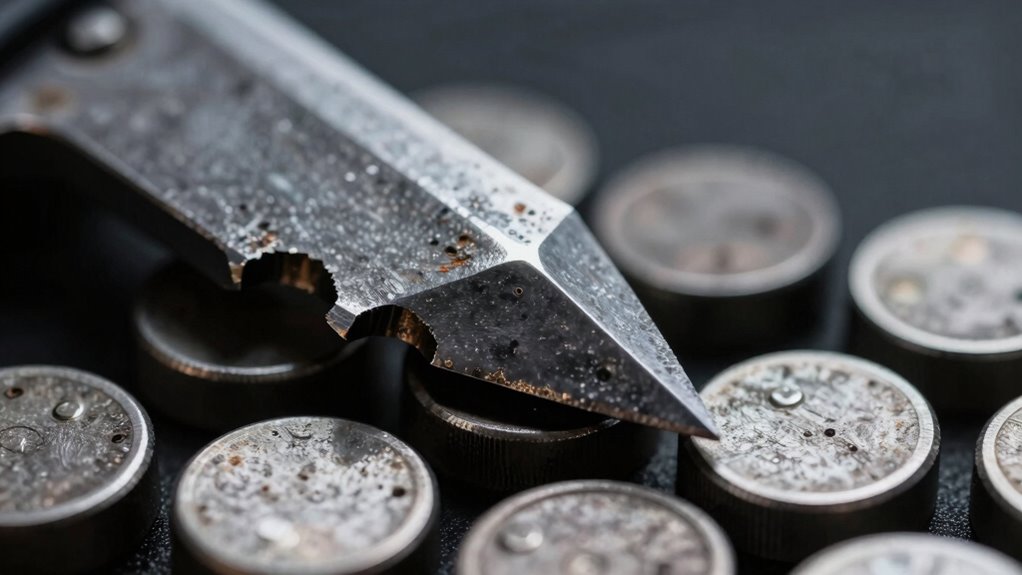

Half-round bullets are more dangerous than full rounds because their irregular shape can cause jams, misfires, or unpredictable behavior during handling and firing. This shape makes them less stable in chambers and more likely to catch or jam, increasing safety risks. Poor manufacturing quality can also create imperfections that heighten dangers. Understanding these differences is essential for safe use—keep going to discover what steps you can take to stay safe with these bullets.

Get business pricing on tools and workshop supplies
- Business-only prices and quantity discounts
- Tax-exempt purchasing
- Multiple users, one account, clear invoices
Key Takeaways
- Half-rounds’ irregular shape can cause jamming or misfire in firearms, increasing safety risks.
- Their instability in chambers may lead to accidental discharges or misfires during handling.
- Manufacturing imperfections in half-rounds can compromise safety and cause unpredictable firing behavior.
- Improper storage or handling of irregularly shaped bullets heightens the risk of detonation or accidents.
- Their unpredictable ballistic performance makes them less reliable and more hazardous in operational use.

When it comes to firearm ammunition, understanding the risks associated with different bullet shapes is essential for safety. Among these shapes, half-rounds and full rounds are common, but their design differences can significantly impact danger levels. You need to know which type poses more risks and why, especially if you’re handling or storing ammunition regularly. Historically, full rounds have been the standard, owing to their reliable ballistic performance and consistent safety profile. Half-rounds, however, are often considered more dangerous because their shape can influence how they behave upon firing, loading, and accidental contact.
Half-round bullets have a unique shape that combines a rounded front with a flat base, giving them a more irregular profile compared to full rounds, which are typically perfectly rounded or pointed. This irregularity can make handling more hazardous because they are slightly less stable in the chamber, increasing the chance of misfire or accidental discharge if not stored or loaded properly. Safety precautions become even more critical when dealing with half-round ammunition, especially since their shape can sometimes cause them to catch or jam in the firearm, leading to potential safety hazards during operation. You should always keep these bullets separate from other types, avoid rough handling, and ensure your firearm is compatible with their shape to prevent accidents. Recognizing the importance of proper ammo storage** can further reduce safety risks associated with irregularly shaped bullets. Proper handling techniques** are also crucial to minimize the risk of accidents with these unpredictable shapes.
The historical usage of full rounds demonstrates their safety and reliability. They have been used extensively in military, law enforcement, and civilian contexts for decades. Their design allows for predictable ballistic trajectories, making them safer to handle because they’re less likely to deform or cause misfires. Conversely, half-rounds, although historically less common, are sometimes used in specialized applications or older firearms, where their shape may have been chosen for specific ballistic reasons or manufacturing constraints. Despite their usefulness in certain scenarios, their irregular shape demands that you exercise extra caution, especially in terms of storage and transport.
Additionally, the manufacturing process of half-round bullets can sometimes introduce imperfections that further increase safety concerns during handling and firing. In essence, half-rounds tend to be more dangerous than full rounds because their shape affects how they interact with firearms and handling procedures. You must adopt strict safety precautions, including proper storage, careful loading, and understanding the firearm’s compatibility with different bullet shapes. Knowing the historical context helps you appreciate why full rounds became the standard—due to their safety and consistency—while recognizing that half-rounds, although useful in some circumstances, require more careful handling to prevent accidents. Your awareness of these distinctions can make all the difference in maintaining safety when working with firearm ammunition.
Products Worth Considering

Philips Hue Play HDMI Sync Box
Dyson Purifier Hot+Cool HP2 De-NOx

LEVOIT Vital 200S-P Smart Air Purifier for Large Rooms, White
As an affiliate, we earn on qualifying purchases.
Frequently Asked Questions
Do Half-Rounds Cause More Injuries Than Full Rounds?
Yes, half-rounds can cause more injuries than full rounds because their material durability often varies, making them more prone to breaking unexpectedly. Additionally, visual detection of damage is harder with half-rounds, increasing the risk of unnoticed defects. This combination means you might not see potential hazards, leading to accidents. Regular inspections and understanding material strength help reduce injury risks when working with half-rounds.
Which Type Is More Common in Accidents?
Have you ever wondered which type of round is more common in accidents? Full rounds tend to be more frequent, often because they’re used in standard firearms, but half-rounds are emerging in some situations. While alternative safety measures aim to reduce risks, half-rounds can have significant psychological impacts, making them more dangerous in unpredictable scenarios. Recognizing their prevalence helps prioritize safety, but understanding their effects is equally essential for prevention.
Are Half-Rounds Harder to Spot Than Full Rounds?
Yes, half-rounds are generally harder to spot than full rounds because their visual detection is more challenging. Their shape can blend with surrounding debris or surface irregularities, making them less obvious. To stay safe, you should follow strict safety protocols, including thorough visual inspections and proper training. Being vigilant and aware of these differences helps you identify half-rounds earlier, reducing the risk of accidents and injuries.
Do Safety Standards Differ for Half and Full Rounds?
You see safety standards for half and full rounds differ because of manufacturing differences. Safety regulations aim to address the unique risks each presents, with half rounds often requiring stricter oversight due to their shape and potential for instability. Imagine handling a delicate, uneven sculpture versus a solid, symmetrical one—each demands tailored precautions. Authorities recognize these differences, ensuring safety measures adapt to protect you, no matter the round’s shape.
Can Training Reduce Risks Associated With Half-Rounds?
Yes, training can reduce risks associated with half-rounds. By practicing proper handling techniques, safety procedures, and situational awareness through targeted training methods, you can enhance risk mitigation. Regular drills and instruction help you recognize potential hazards and respond appropriately. While training can’t eliminate all dangers, it considerably improves your ability to manage half-rounds safely, minimizing accidents and ensuring safer operations in environments where they are used.
Conclusion
So, next time you’re caught up in a fight, remember—those half-rounds might seem less intense, but they’re often the real danger. It’s ironic how what looks safer can pack a bigger punch, isn’t it? You’d think full rounds would be the riskier choice, but sometimes, it’s the half that hits harder, leaving you more vulnerable. Stay alert, and don’t underestimate the subtle danger lurking in those seemingly harmless half-rounds.