
During mild weather in shoulder seasons, fire risks rise because vegetation remains dry and easy to ignite. You should be cautious with outdoor activities like camping or barbecues, and avoid using fireworks or fires near dry vegetation. Always clear dead leaves and twigs from your property, and stay informed about fire advisories. Remember, even small sparks can quickly turn into wildfires. Keep learning how to prevent fires and protect your surroundings.
Key Takeaways
- Mild weather increases outdoor activity, but vegetation remains vulnerable to ignition from sparks or heat.
- Avoid outdoor burning, fireworks, and activities that generate sparks during shoulder seasons.
- Maintain defensible space by clearing dead vegetation and trimming trees around properties.
- Stay informed about weather conditions, fire restrictions, and safety advisories.
- Always supervise fires, keep firefighting tools nearby, and fully extinguish fires before leaving.
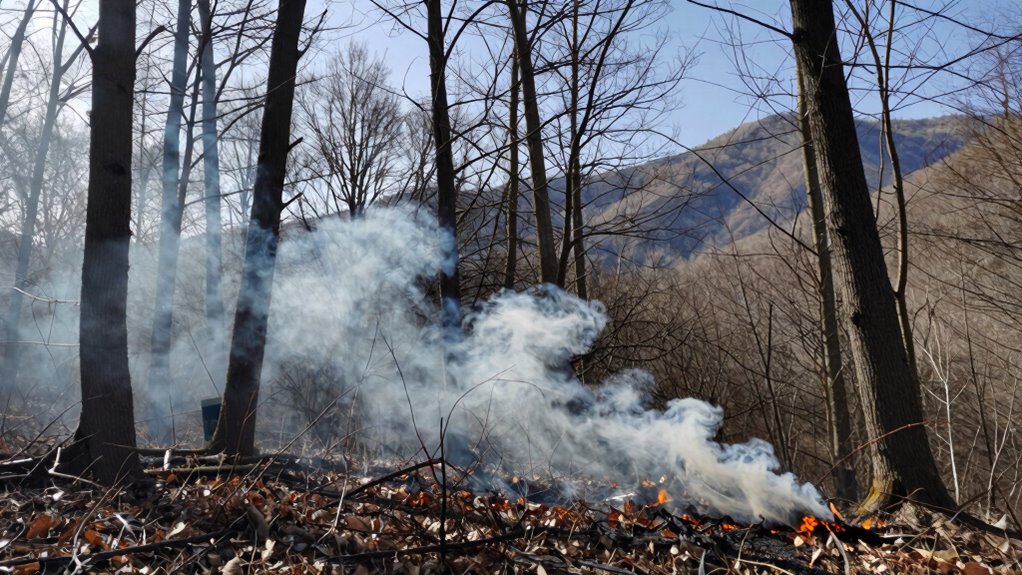
As temperatures soften and days grow longer during the shoulder seasons, many people underestimate the risks of outdoor fires in mild weather. It’s easy to think that since it’s not blazing hot or dry, fire danger isn’t a concern. But seasonal fire risks can be just as dangerous during these transitional periods. Mild weather often leads to increased outdoor activity, whether you’re camping, barbecuing, or simply enjoying a picnic, which can inadvertently increase the chance of sparks igniting a wildfire. Understanding wildfire prevention during these times is essential to protect your community, property, and natural landscapes.
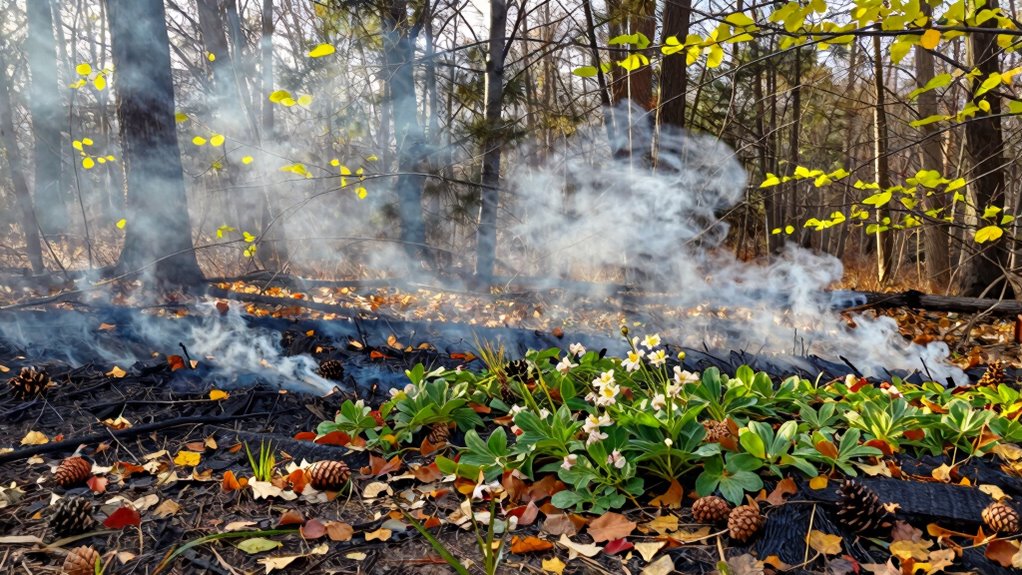
During shoulder seasons, vegetation hasn’t fully dried out, but it’s still vulnerable to ignition. Dead leaves, dry grass, and twigs can catch fire easily if sparks or heat come into contact with them. Wind conditions can also shift unexpectedly, spreading flames quickly and making fires harder to control. It’s crucial to be aware of seasonal fire risks and avoid activities that could spark a wildfire. This includes being cautious with outdoor burning, ensuring grills are attended, and refraining from using fireworks or other incendiary devices in or near wildland areas.
You should also pay attention to local burn bans and fire restrictions, which are often implemented during shoulder seasons to prevent wildfires. These restrictions are based on current weather conditions and vegetation moisture levels, even if the weather seems mild. Ignoring them can result in hefty fines and, more importantly, the destruction of ecosystems and property. Maintaining a defensible space around your home is another key wildfire prevention measure. Clear away dead vegetation, trim trees and shrubs, and create a buffer zone that can slow or stop the spread of fire if one starts nearby. Recognizing the importance of biodiversity and healthy ecosystems can help you understand how fires impact natural landscapes and what you can do to minimize harm. Being aware of fire behavior in different weather conditions can help you better prepare and respond during these seasons.
It’s not just about your safety; it’s about community responsibility. Educate others around you about the risks of shoulder-season fires and encourage safe practices. Recognizing seasonal fire risks can help you stay alert and proactive in fire prevention efforts. If you’re camping or spending time in outdoor areas, always have a fire extinguisher, water, or a shovel nearby in case you need to put out a small fire quickly. Never leave fires unattended, and make sure they are completely out before leaving. Additionally, understanding fire spread mechanisms can help you recognize how quickly a small ember can become a devastating wildfire. Regularly checking for fire safety updates and advisories can also help you stay informed about current conditions. These simple steps can drastically reduce the seasonal fire risks that often catch people off guard during the milder months.
fire-resistant outdoor grill cover
As an affiliate, we earn on qualifying purchases.
As an affiliate, we earn on qualifying purchases.
Frequently Asked Questions
How Do Shoulder-Season Fires Differ From Summer Wildfires?
Shoulder-season fires differ from summer wildfires mainly due to seasonal patterns and fire management strategies. During shoulder seasons, fires tend to be less intense and easier to control because of cooler temperatures and higher humidity. You’ll find that fire management focuses on prevention and containment, addressing the unique challenges of mild weather. Unlike summer fires, which often spread rapidly due to dry conditions, shoulder-season fires require a different approach to protect ecosystems and communities.
What Weather Conditions Most Commonly Trigger Shoulder-Season Fires?
You’ll find shoulder-season fires often ignite during warm, dry spells, especially when fire weather patterns bring high winds and low humidity. Notably, seasonal droughts play a significant role, reducing moisture in vegetation and making it more flammable. These conditions, combined with mild weather that feels deceptively safe, can quickly lead to wildfires. Staying alert during these times helps prevent fires from starting or spreading rapidly.
Are Shoulder-Season Fires More Difficult to Detect Early?
You might find shoulder-season fires harder to detect early because of early detection challenges and smoke visibility issues. The mild weather can cause smoke to stay close to the ground, making it less visible from a distance. Additionally, these fires often develop slowly, blending into the environment. This means you need to stay vigilant, monitor for subtle signs, and use tools like cameras or lookout stations to spot fires before they spread.
How Can Homeowners Prepare for Shoulder-Season Fires?
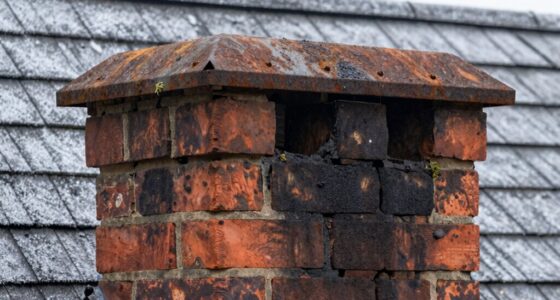
An ounce of prevention is worth a pound of cure, so you should prioritize fire prevention strategies and emergency preparedness. Clear your yard of dead leaves and brush, maintain defensible space around your home, and inspect chimneys regularly. Keep emergency supplies ready, and have an evacuation plan in place. Stay vigilant during mild weather, as shoulder-season fires can ignite and spread quickly, catching you off guard.
What Ecological Impacts Do Shoulder-Season Fires Have?
You should know that shoulder-season fires impact ecosystems by altering fire suppression strategies and influencing ecological recovery processes. These fires can promote biodiversity by clearing dead material and encouraging new growth, but they may also threaten sensitive habitats if not managed properly. By understanding these ecological effects, you can support strategies that balance fire management with ecosystem health, ensuring natural recovery while minimizing risks to surrounding areas.
Conclusion
So, stay savvy and steer clear of shoulder-season fires by staying vigilant, venturing responsibly, and verifying local fire regulations. Remember, the risks rise with relaxed rules and milder weather, so don’t let your guard down. By being prepared and prudent, you’ll prevent potential problems and preserve the peace of your outdoor pursuits. Keep safety in mind, stay smart, and guarantee your adventures remain enjoyable, not endangered, by avoiding avoidable fires.