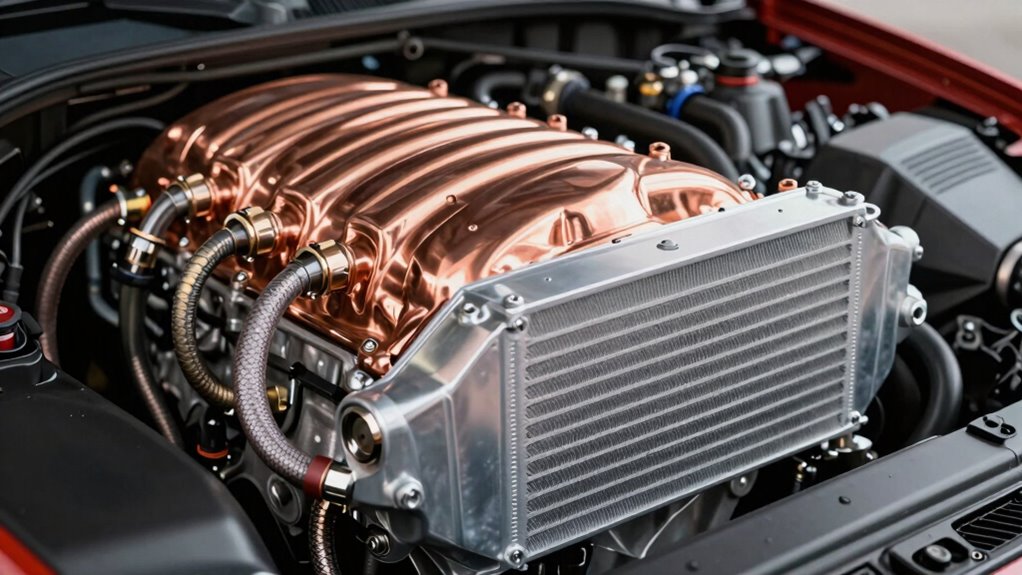
With the potential to improve engine performance and longevity, oil cooler kits might be worth considering—yet, are they truly necessary for your driving needs?
Browsing Category
Log Splitter Maintenance & Safety
84 posts
How Reservoir Size Affects Heat, Contamination, and Reliability
For understanding how reservoir size influences heat regulation, contamination control, and reliability, keep reading to discover the key factors involved.
Hydraulic Hose Kits: What Has to Match Before You Buy
Find out what must match before buying a hydraulic hose kit to ensure safety, compatibility, and optimal performance—continue reading to learn more.
What a Detent Valve Actually Changes During Repetitive Splitting
What a detent valve actually changes during repetitive splitting reveals how wear impacts performance and why understanding these signs can prevent costly failures.
Auto-Return Valves: The Convenience Feature That Also Shapes Safety
Proactively ensuring system safety and efficiency, auto-return valves offer unmatched convenience—discover how they can transform your system’s protection today.
Longer Stroke Cylinders Sound Great—But Here’s the Catch
Longer stroke cylinders can improve your machinery’s reach and precision, but they…
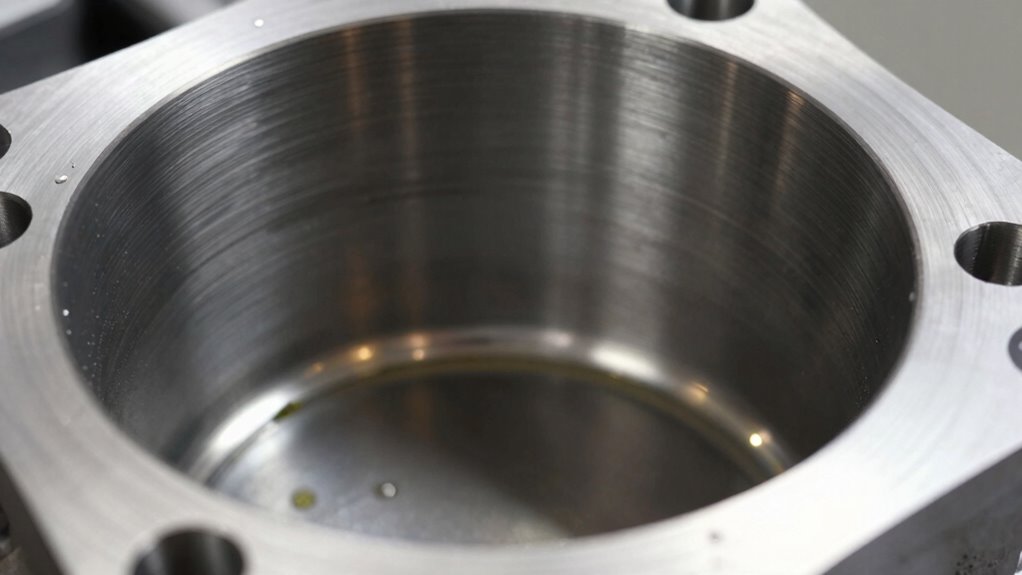
Cylinder Bore Is More Important Than Most People Realize
A precise cylinder bore is crucial for optimal engine performance and longevity, and understanding its importance can significantly impact your engine’s future.
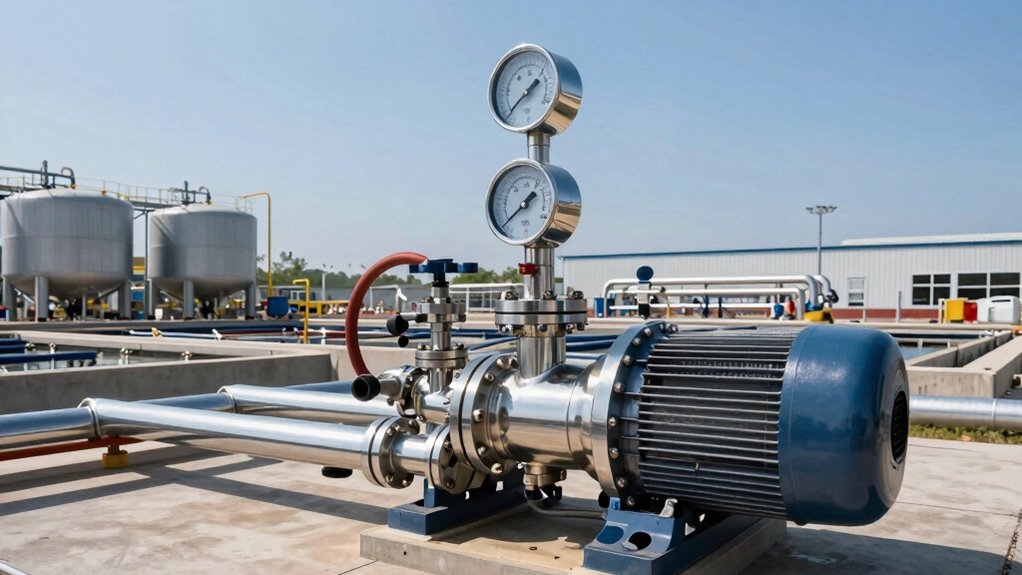
When a 28 GPM Pump Makes Sense—and When It Does Not
Find out when a 28 GPM pump is ideal or unnecessary to optimize your system’s performance and avoid energy waste.
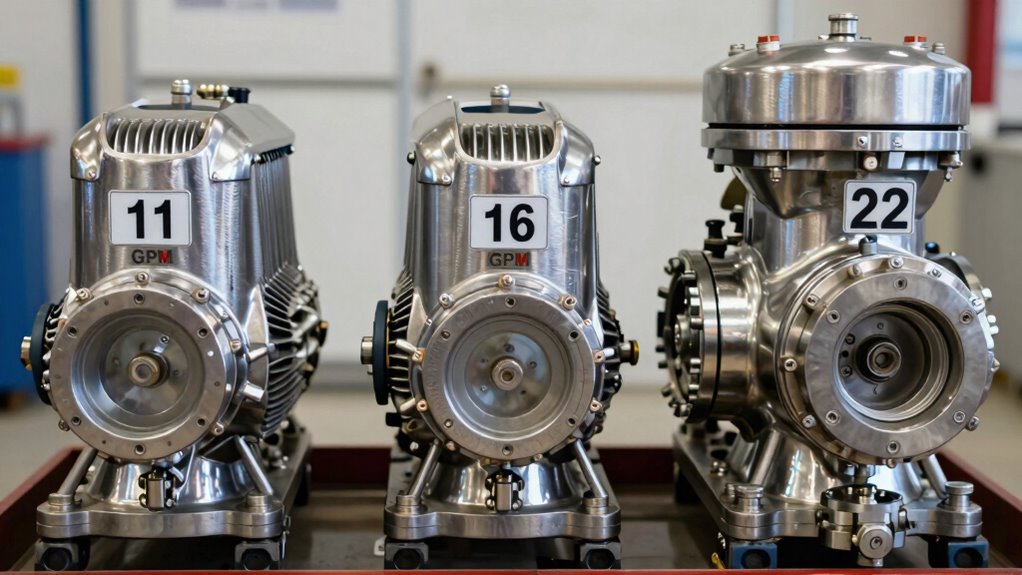
11 GPM Vs 16 GPM Vs 22 GPM Pumps: What You’Ll Notice at the Beam
Wonders and differences between 11 GPM, 16 GPM, and 22 GPM pumps at the beam can significantly impact performance; discover which suits your needs best.
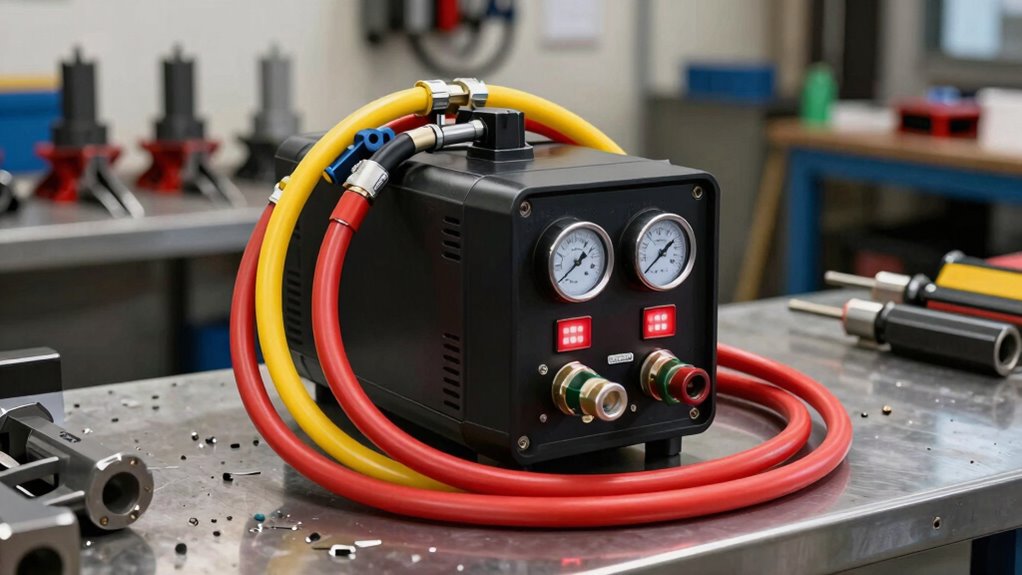
Self-Contained Hydraulic Power Units: Why They Matter for Custom Splitters
Unlock the benefits of self-contained hydraulic power units for custom splitters and discover how they can transform your projects—find out more below.