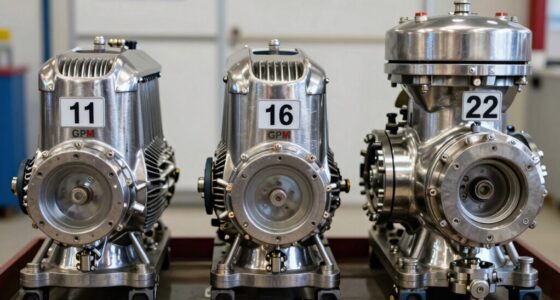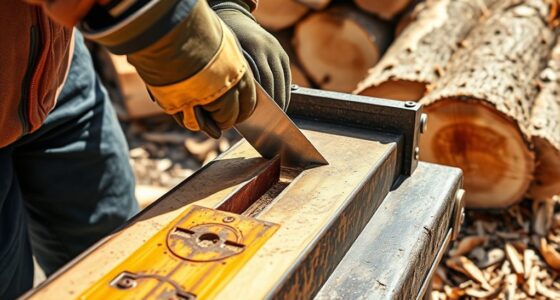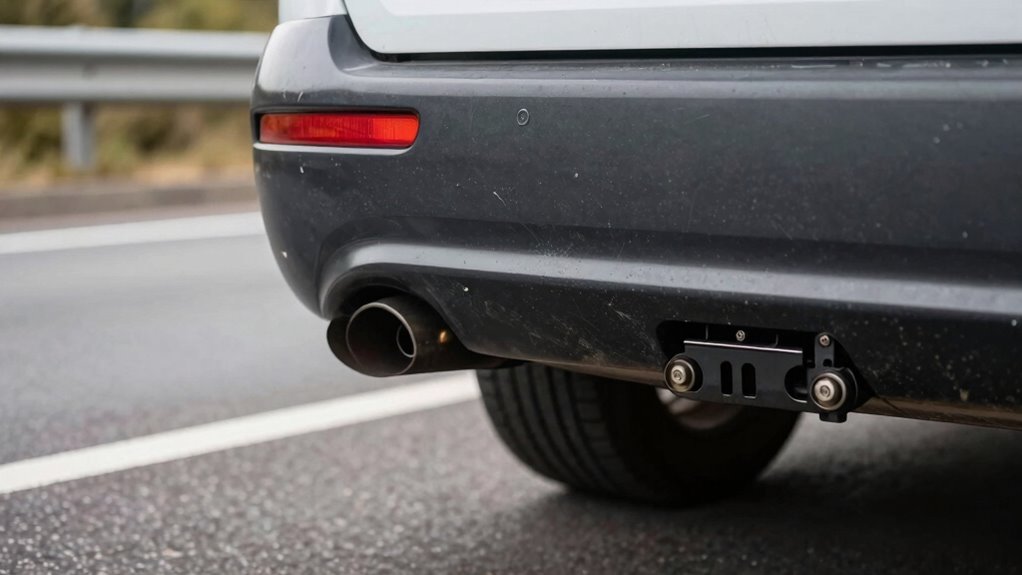

After towing your splitter, start by checking all tires for proper inflation and signs of damage caused during transit. Inspect the fuel system for leaks, sediment, or contamination, and refill if needed. Examine hydraulic components for leaks, low fluid levels, or damage to hoses and fittings. Finally, do a visual check of the frame, handles, and controls for cracks or corrosion. Keeping these issues in check helps make certain your splitter’s safety and performance—more tips follow below.

Get business pricing on tools and workshop supplies
- Business-only prices and quantity discounts
- Tax-exempt purchasing
- Multiple users, one account, clear invoices
Key Takeaways
- Inspect the hydraulic system for leaks, damage, or contamination after towing.
- Check all tires for proper inflation, damage, or uneven wear caused during transit.
- Examine the frame, handles, and controls for cracks, corrosion, or loose fasteners.
- Verify fuel level and quality, ensuring no sediment or debris in the tank or lines.
- Confirm all key components are operational and secure before next use.
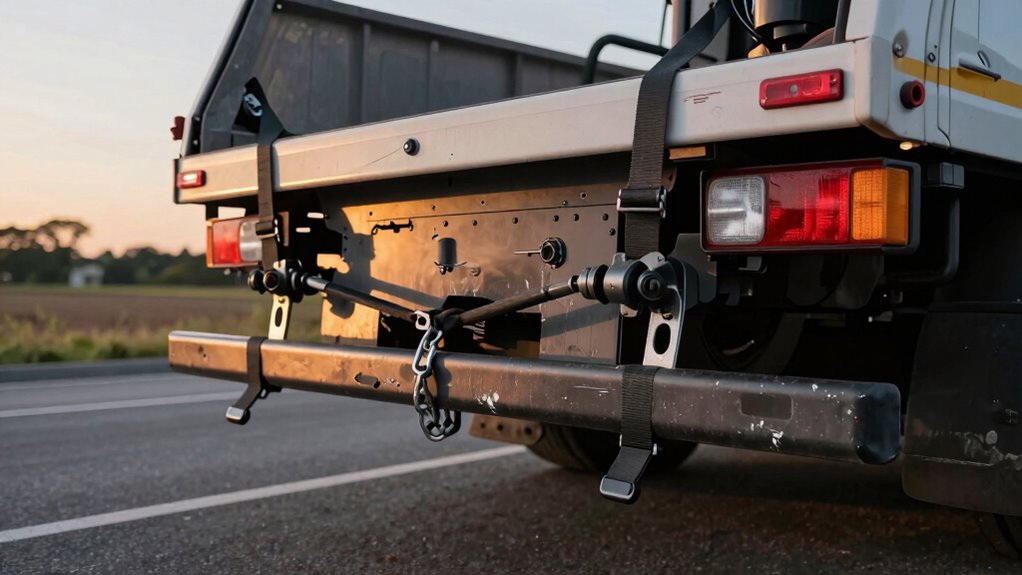
After towing a splitter, it’s essential to inspect your equipment thoroughly to verify everything remains in good working order. Long-distance hauling can put extra stress on your splitter, so taking a few moments to check key components helps prevent breakdowns and ensures safe operation. Start by inspecting the tire pressure, as tires often lose air during transit or may be overinflated from previous use. Proper tire pressure isn’t just about safety; it also influences fuel efficiency. Underinflated tires increase rolling resistance, leading to higher fuel consumption, while overinflated tires can cause uneven wear and reduce grip. Use a reliable tire gauge to confirm all tires are at the manufacturer-recommended pressure, and top them off if needed before heading back out.
Inspect tire pressure after towing to ensure safety, optimize fuel efficiency, and prevent uneven wear.
Next, examine the fuel system. After any long haul, it’s wise to check the fuel level and quality. Towing can sometimes cause vibrations that jar loose debris or dirt in the fuel tank or lines. If you notice a drop in fuel or any sediment in the tank, consider draining the fuel system and refilling with fresh fuel. This helps maintain optimal fuel efficiency and prevents potential clogs that could impair engine performance. Additionally, look for leaks or cracks around the fuel cap and lines, as these can develop during transit and lead to safety hazards or fuel loss. Regularly inspecting your fuel system also helps identify potential issues early, saving you time and money in the long run. Being aware of vibrations during transport can help you pinpoint areas needing attention before further use.
You should also pay attention to the general condition of your splitter’s engine and hydraulic system. Check the oil levels and look for any signs of leaks or unusual wear. Hydraulic fluid leaks aren’t just a mess—they can reduce the system’s efficiency, making your splitter less effective and more costly to operate. Ensure all hoses and fittings are secure and free of damage. If you notice any hydraulic fluid on the ground or low fluid levels, address these issues promptly before using the splitter again. Remember that proper maintenance is key to extending the lifespan of your equipment and preventing costly repairs. Additionally, inspecting the hydraulic hoses and fittings for signs of deterioration can prevent unexpected failures during operation.
Finally, give your splitter a visual inspection for any signs of damage or loose parts. Look over the frame, handles, and controls for cracks, corrosion, or missing bolts. Tighten any loose fasteners and replace worn or damaged components as needed. This thorough check-up not only prolongs the lifespan of your equipment but also guarantees your safety and the efficiency of your work. By paying close attention to tire pressure, fuel system, and overall condition after towing, you’ll keep your splitter running smoothly and maximize its performance on future jobs.
tire pressure gauge for lawn splitter
As an affiliate, we earn on qualifying purchases.
As an affiliate, we earn on qualifying purchases.
Frequently Asked Questions
How Long Should I Wait Before Inspecting the Splitter After Towing?
You should wait at least 24 hours before inspecting the splitter after towing. This allows the equipment to cool down and any residual fluids to settle. Follow your maintenance checklist and safety precautions carefully during the inspection. Check for leaks, loose parts, and signs of wear or damage. Taking your time ensures safe operation later and helps prevent costly repairs, maintaining ideal performance of your splitter.
Are There Specific Tools Recommended for Checking the Splitter Post-Tow?
You should use a hydraulic fluid tester and a clean cloth to check the splitter afterward. First, inspect hydraulic fluid levels to guarantee no leaks occurred during towing. Always follow safety precautions—wear gloves and eye protection—when opening the hydraulic system. Check for any signs of damage or leaks, and top off fluid if needed. These tools and precautions help ensure your splitter remains safe and functional after a long tow.
Can Towing Damage the Splitter’s Hydraulic System?
Towing can potentially damage your splitter’s hydraulic system, especially if it’s not properly secured or if the hydraulic fluid levels are low. You should check for system leakage and verify the hydraulic fluid remains at the correct level. Inspect hoses and fittings for any cracks or damage. If you notice any issues, avoid using the splitter until you’ve repaired or replaced damaged parts, preventing further damage or safety hazards.
What Are Signs of Internal Damage in the Splitter After Towing?
You should look for signs of internal damage by performing a visual inspection for any fluid leakage around hoses, fittings, or the hydraulic tank, which could indicate internal cracks or seal failures. Also, check for unusual noises or difficulty operating the splitter’s functions. If you notice any fluid leaks or abnormal behavior, it’s a sign that internal components might be damaged and need professional assessment before further use.
Is It Necessary to Recalibrate the Splitter After Towing?
Yes, you should recalibrate your splitter after towing. Even if it seems fine, the hydraulic fluid might have shifted or become contaminated, affecting performance. Towing can impact the brake system and hydraulic components, so it’s crucial to check these areas carefully. Recalibration ensures your splitter operates safely and efficiently. Don’t overlook this step—hidden issues can surface later, risking damage or injury. Stay proactive, stay safe.
Conclusion
After towing your splitter a good distance, take a moment to inspect it thoroughly. You might find a loose bolt or a small crack you didn’t notice before, almost like it was waiting to be discovered. Sometimes, a quick check reveals that everything is still in perfect shape, just like how you left it. Remember, staying attentive guarantees your splitter stays reliable, ready for the next project — because sometimes, the smallest details make the biggest difference.
Fall yard work Picks
leaf blowers
As an affiliate, we earn on qualifying purchases.