
The best benchtop wood lathe overall in this roundup is the Record Power Coronet Herald, which pairs a 1 HP motor and variable speed with a compact, heavy-duty design. The JET 12″ x 21″ is a strong alternative for buyers who want a 1 HP machine and a mid-size work envelope, while the WEN 3421 suits small projects and limited workspaces. The main tradeoffs are workpiece capacity, motor strength, speed adjustment, and how much bench space a lathe demands. Compact models are easier to accommodate, but larger bowls and longer spindles call for more capacity and a sturdier machine. Read on for the full breakdown and help matching a lathe to your projects.

Get business pricing on tools and workshop supplies
- Business-only prices and quantity discounts
- Tax-exempt purchasing
- Multiple users, one account, clear invoices
Complete the kit


Key Takeaways
- The Record Power Coronet Herald leads for a blend of 1 HP power, variable speed, and compact heavy-duty construction; its swivel head adds flexibility that many smaller models lack.
- The JET 12″ x 21″ offers a compelling 1 HP, mid-size alternative, while the WEN 34035 and VEVOR 14″ x 20″ models provide broader capacity without the same premium positioning.
- Small lathes such as the WEN 3421, WEN 8″ x 13″, and VEVOR 8″ x 13″ are aimed at small turning projects and tight benches, not larger bowls or long workpieces.
- Several listings advertise 14″ x 40″ capacity, but their 0.5 HP motors and limited speed settings make them a different proposition from compact 1 HP machines; stated capacity alone does not tell the whole story.
- The lineup includes a low-power 24V, 96W mini lathe, which is better treated as a small-scale, tool-kit option than as a substitute for a full-size benchtop lathe.


| benchtop wood lathe | Weight | Speed range | Motor | Voltage |
|---|---|---|---|---|
| WEN 3421 3.2-Amp 8" x 12" Vari | 44.7 pounds | 750–3200 RPM | 3.2 A | — |
| WEN 4.5-Amp 12-Inch by 18-Inch | 70.3 pounds | — | 4.5 A; 0.5 hp | — |
| Record Power Coronet Herald Wo | — | 95–3890 RPM | — | — |
| Mini Wood Lathe WM101A-Plus | 17.03 pounds | — | — | 24 VDC |
| VEVOR Wood Lathe 1 HP 14" x 20 | 108.7 pounds | 150–3500 RPM | 1 HP / 750 W | — |
| Wood Lathe Machine | 45.4 lb | 750–3,200 RPM | 1/3 HP | 110 V |
| WEN 34035 6-Amp 14-Inch by 20- | Over 120 lb | 250–3,550 RPM | 6 A | — |
| VEVOR 8" x 13" Mini Benchtop W | 37 lb | 150–3,200 RPM | 1/3 HP / 250 W | 110 V |
| VEVOR Woodworking Lathe | 62.7 lb | 150–3,800 RPM | 1 HP / 750 W brushless DC | 110 V |
| Garvee Wood Lathe | 49.2 lb | 1,040–2,980 RPM | 0.5 HP / 400 W | — |
| VEVOR Benchtop Wood Lathe | — | — | — | 120V, 60Hz |
| VEVOR Wood Lathe | 50.6 lbs | — | — | 120V |
| JET 12" x 21" Variable-Speed W | 121 lbs | 60–3,600 RPM across three ranges | — | 115V |
| VEVOR 14" x 40" Benchtop Wood | 49.6 lbs | — | — | 110V |
| WEN Mini Benchtop Wood Lathe | — | 750–3,200 RPM | 3.2 amps | — |
More Details on Our Top Picks
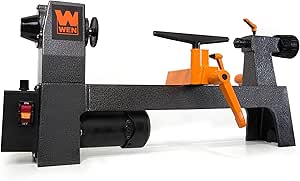
WEN 3421 3.2-Amp 8″ x 12″ Variable Speed Mini Benchtop Wood Lathe
The WEN 3421 is a straightforward entry into benchtop turning for makers whose projects fit within its 8-inch swing and 12-inch length. Its 750–3200 RPM variable-speed range gives beginners room to adjust for different small workpieces, while the included tool rests, faceplate, and centers help cover common starter projects without assembling a separate accessory kit. Compared with the larger WEN 4.5-Amp 12-by-18-inch lathe, this model takes up less room and is easier to dedicate to pens, small bowls, and similar pieces, but its capacity and 3.2-amp motor place a firmer ceiling on ambitious work. There is no digital speed readout, so speed changes are less precise to repeat. I’d choose it for learning and small projects, not as a lathe to grow into for larger turning.
Pros:- Variable speed from 750 to 3200 RPM suits a range of small turning tasks.
- Includes a faceplate, centers, and multiple tool rests for a useful starter setup.
- Lever clamping makes routine adjustments accessible to newer users.
- Smaller capacity takes less bench space than the WEN 12-by-18-inch model.
Cons:- The 8-inch swing and 12-inch length rule out larger bowls and long spindle projects.
- No digital speed readout makes settings harder to reproduce precisely.
- At 44.7 pounds, it still needs a sturdy, stable mounting surface.
Best for: New woodturners with a sturdy bench who want variable speed and included accessories for pens, small bowls, and other short workpieces.
Not ideal for: Turners planning bowls or spindle work beyond its 8-by-12-inch capacity, or buyers who need a digital speed display for repeatable settings.
- Motor:3.2 A
- Workpiece capacity:Up to 8 inches wide by 12 inches long
- Speed range:750–3200 RPM
- Spindle and tailstock taper:MT1
- Faceplate diameter:2.3 inches
- Weight:44.7 pounds
- Included components:Faceplate, spindle and tailstock tapers, tool rests
Our verdict“Choose the WEN 3421 if you’re learning on small projects and want variable speed without the footprint of a larger lathe.”
WEN 4.5-Amp 12-Inch by 18-Inch 5-Speed Benchtop Wood Lathe
The WEN 3424T offers a useful step up from mini lathes: its 12-inch swing and 18-inch workpiece length accommodate larger bowls and longer spindle projects than the WEN 3421. The 4.5-amp motor and five selectable speeds give it a broader working envelope, while the included faceplate, centers, and tool rest let a buyer start with common setups. Its fixed speed choices are the main compromise. Unlike the continuously variable control on the VEVOR 14-by-20-inch lathe, the five-speed arrangement gives less fine adjustment as workpiece size or turning conditions change. At 70.3 pounds, it also favors a permanent bench location over frequent repositioning. I’d place it between compact learning machines and heavier, higher-capacity options: a sensible fit for hobbyists whose projects have outgrown a mini lathe but don’t require a 1 HP machine.
Pros:- 12-by-18-inch capacity handles larger work than the WEN 3421 mini lathe.
- 4.5-amp motor provides more power than the smaller WEN 3421.
- Five speed settings support different turning tasks.
- Faceplate, centers, and tool rest are included for common setups.
Cons:- Five fixed speeds offer less fine control than variable-speed alternatives.
- Its 70.3-pound weight makes frequent moving inconvenient.
- Capacity remains below the VEVOR 14-by-20-inch lathe.
Best for: Hobby woodturners who need room for workpieces up to 18 inches long and prefer a sturdier, mid-size bench lathe over a mini model.
Not ideal for: Buyers who want continuous speed adjustment, need to move their lathe often, or plan work larger than its 12-inch swing and 18-inch length.
- Model:3424T
- Motor:4.5 A; 0.5 hp
- Workpiece capacity:Up to 12 inches wide by 18 inches long
- Speed settings:5 adjustable speeds
- Maximum rotational speed:3400 RPM
- Power source:AC
- Weight:70.3 pounds
- Included accessories:Faceplate, centers, tool rest, and accessories
Our verdict“Pick this WEN if you’ve outgrown a mini lathe and want mid-size capacity without moving up to a 1 HP machine.”
Record Power Coronet Herald Wood Lathe – Professional Benchtop Lathe with Swivel Head, 1 HP Motor, Variable Speed 95–3890 RPM, 1-1/4″ Spindle Thread, Compact Design with Heavy-Duty Build
The Record Power Coronet Herald is the most flexible choice here for experienced turners who want a benchtop machine capable of serious bowl work. Its 1 HP motor, electronic variable speed from 95 to 3890 RPM, and 21-inch bowl capacity cover a wider range than either WEN lathe in this batch. The swiveling headstock also lets the turner reposition work rather than being limited to one fixed orientation, while indexing and quick-action locks support more controlled setups. Compared with the VEVOR 14-by-20-inch lathe, the Herald has a larger stated bowl capacity and broader low-speed range, but it does not include a stand and remains a substantial machine that needs dedicated space. This capability is more than many beginners need; its appeal is control and flexibility for demanding work, not a compact starter footprint.
Pros:- 1 HP motor and a 95–3890 RPM variable-speed range support varied turning demands.
- 21-inch bowl capacity exceeds the listed capacity of the other products in this batch.
- Swivel headstock allows more flexible positioning for bowl work.
- Built-in indexing, quick-action cam locks, and self-ejecting tailstock add useful setup features.
Cons:- Stand is not included and must be sourced separately.
- Heavy-duty build takes substantial workspace and is not easy to reposition.
- Its larger capacity and feature set may be unnecessary for small-project beginners.
Best for: Experienced woodturners who regularly turn large bowls and want low-speed control, a swiveling headstock, and built-in indexing.
Not ideal for: Beginners seeking a simple, ready-to-place starter lathe, or buyers without room for a heavy machine and a separately sourced stand.
- Motor power:1 HP
- Speed range:95–3890 RPM
- Spindle thread:1-1/4 inch
- Maximum bowl capacity:21 inches
- Headstock:Fully rotating, adjustable position
- Speed control:Electronic variable speed
- Other features:Quick-action cam locks, self-ejecting tailstock, built-in indexing
- Stand:Not included
Our verdict“Choose the Coronet Herald if large-bowl capacity and headstock flexibility matter more to you than a simple, ready-to-place setup.”
Mini Wood Lathe WM101A-Plus – 24VDC 96W Power Benchtop Lathe with Tools Kit
The WM101A-Plus is aimed at small-scale makers who value fine speed adjustment and a broad accessory kit over the capacity of a conventional hobby lathe. Its infinitely variable speed and compact 3-inch-diameter by 8-inch-length processing range suit jewelry-sized pieces and other small DIY work; the supplied chuck set, centers, tools, and wrenches make it more project-ready than a bare mini machine. Compared with the WEN 3421, this lathe accepts much smaller workpieces and has a lower-power 96W motor, but its accessory package and stated ability to work with materials such as copper and POM give it a different small-craft focus. The tradeoff is clear: it is not a substitute for a wood lathe with an 8-inch swing. I’d pick it for compact, detailed projects, not larger bowls or production turning.
Pros:- Infinitely variable speed allows adjustment beyond fixed speed settings.
- Compact 3-by-8-inch processing range suits small craft work.
- Includes a 2-inch chuck set, centers, turning tools, and adjustment wrenches.
- Steel construction is described as helping limit vibration and noise.
Cons:- The 3-inch diameter limit is far below the WEN 3421’s 8-inch swing.
- 96W output is intended for small-scale work, not demanding large-piece turning.
- At 17.03 pounds, it is heavier than its compact dimensions may suggest.
Best for: Makers focused on jewelry-scale wood pieces and small DIY work who want continuously adjustable speed and a supplied chuck-and-tool kit.
Not ideal for: Woodturners who want standard hobby-lathe capacity, larger bowls, or a machine intended for sustained, heavy-duty work.
- Power:96 W
- Voltage:24 VDC
- Processing range:3 inches diameter by 8 inches length
- Spindle through-hole:0.4 inches
- Spindle interface:MT1
- Weight:17.03 pounds
- Dimensions:5 x 16.5 x 5.5 inches
- Included components:Turning tools, 2-inch chuck set, drive and live centers, centering ruler, adjustment wrenches
Our verdict“Choose the WM101A-Plus for small, detailed craft projects and skip it if your work calls for conventional bowl capacity.”
VEVOR Wood Lathe 1 HP 14″ x 20″ Benchtop Wood Lathe Machine Variable Speed
The VEVOR 14-by-20-inch lathe brings substantial work capacity to a benchtop format: the stated 14-by-20-inch range covers projects beyond what the WEN 12-by-18-inch model can accommodate, and the included riser block raises swing over bed to 16 inches. Its 1 HP motor and variable speed from 150 to 3500 RPM make it a stronger fit for larger, heavier turning than the compact WEN 3421. The cast-iron frame is intended to steady the machine and reduce vibration, an important consideration when turning larger workpieces. The tradeoff is that 108.7 pounds makes this a fixed-workspace choice, not a lathe to shift around casually. Compared with the Record Power Coronet Herald, it offers a smaller stated bowl capacity and lacks the listed swivel-head features, but it may suit buyers seeking capacity without those specialized adjustments.
Pros:- 1 HP motor supports larger turning work than the smaller WEN models.
- Variable speed from 150 to 3500 RPM provides a broad adjustment range.
- Riser block increases swing over bed to 16 inches.
- Cast-iron construction is designed to add stability and reduce vibration.
Cons:- At 108.7 pounds, it is difficult to move once set up.
- Its capacity remains below the Coronet Herald’s stated 21-inch bowl capacity.
- The large capacity and weight call for a sturdy, dedicated workspace.
Best for: Woodturners with a permanent, sturdy bench who need more capacity and motor power than mid-size hobby lathes provide.
Not ideal for: Anyone needing a portable machine, a large-bowl capacity beyond its stated limits, or the swivel-head flexibility of the Record Power Coronet Herald.
- Capacity:14 inches by 20 inches
- Maximum swing over bed:16 inches with riser block
- Motor:1 HP / 750 W
- Speed range:150–3500 RPM
- Frame material:Cast iron
- Weight:108.7 pounds
- Included features:Riser block, tools, and accessories
Our verdict“Choose this VEVOR if you need a heavy-duty 1 HP benchtop lathe with added swing, and have a permanent bench to support it.”
Wood Lathe Machine, 8×12 inch Benchtop Wood Lathe, 1/3 HP, Variable Speed 750-3200 RPM for Woodworking and Woodturning
This 8 x 12-inch lathe suits beginners focused on small turnings such as cups, candlesticks, and compact bowls. Its cast-iron construction and 45.4-pound weight give it a planted feel on a bench, while the 1/3 HP motor and continuously adjustable 750–3,200 RPM range provide useful control across common small-project tasks. Compared with the lighter VEVOR 8 x 13-inch Mini Benchtop Wood Lathe, this model puts more emphasis on a heavy base and includes a spare belt and an additional tool rest. That stability has a portability cost, and the stated capacity still rules out larger work. The speed range also starts higher than the VEVOR mini’s 150 RPM, which gives less flexibility for very slow turning. Reports of vibration at higher speeds are another reason to set it up securely.
Pros:- Cast-iron body and 45.4-pound weight support a stable bench setup.
- Continuously adjustable speed from 750 to 3,200 RPM.
- Includes a spare belt and an additional tool rest.
- Listed five-year warranty and lifetime support.
Cons:- The 8 x 12-inch capacity limits work to relatively small pieces.
- Its weight makes frequent repositioning inconvenient.
- Some users report vibration at higher speeds, and its minimum speed is higher than the VEVOR 8 x 13-inch mini’s.
Best for: New turners making small bowls, cups, or decorative pieces who want a heavy cast-iron lathe and included spare parts.
Not ideal for: Turners who need to move their machine often, work on large pieces, or regularly need very low spindle speeds.
- Capacity:8 x 12 inches
- Motor:1/3 HP
- Speed range:750–3,200 RPM
- Construction:Cast iron
- Voltage:110 V
- Wattage:245 W
- Weight:45.4 lb
- Warranty:5 years
Our verdict“Choose this lathe for small projects and a weighty cast-iron base, but skip it if portability or very slow turning matters more.”
WEN 34035 6-Amp 14-Inch by 20-Inch Variable Speed Benchtop Wood Lathe
For buyers who want more turning capacity and a wider speed span than a mini lathe offers, the WEN 34035 is the strongest step up in this group. Its 14 x 20-inch capacity accommodates longer workpieces than the 8 x 12-inch Wood Lathe Machine, while the 6-amp motor and 250–3,550 RPM adjustment cover both slower starts and faster finishing. The MT2 spindle and tailstock tapers, plus a 1-inch-8 spindle thread, give buyers useful interface details when choosing compatible accessories. A faceplate, centers, and tool rest are included, so the package is ready for varied turning tasks. The tradeoff is substantial: at over 120 pounds, this is a fixed-shop machine rather than an easy-to-store benchtop option. It also lacks a digital speed display, so speed setting is less direct than a readout-based control.
Pros:- 14 x 20-inch capacity supports longer work than the small-format lathes here.
- 6-amp motor and adjustable 250–3,550 RPM range suit varied turning tasks.
- Includes a faceplate, spur center, live center, tool rest, and accessory holder.
- MT2 tapers and a 1-inch-8 spindle thread provide clear accessory compatibility information.
Cons:- At over 120 pounds, it is difficult to relocate and demands a sturdy, dedicated setup.
- No digital speed display is listed.
- Its larger capacity and motor are more machine than casual small-project turners may need.
Best for: Intermediate woodturners with a permanent workshop setup who need more capacity and motor capability than a mini lathe provides.
Not ideal for: Beginners with limited bench space or anyone who needs to move or store a lathe between sessions.
- Capacity:14 x 20 inches
- Motor:6 A
- Speed range:250–3,550 RPM
- Spindle taper:MT2
- Tailstock taper:MT2
- Spindle thread:1-inch-8
- Weight:Over 120 lb
- Included accessories:Faceplate, spur center, live center, tool rest, accessory holder
Our verdict“Pick the WEN 34035 for a permanent shop that needs extra capacity and broad speed control, not for a portable or space-saving setup.”
VEVOR 8″ x 13″ Mini Benchtop Wood Lathe, 1/3 HP, Variable Speed (150-3200 RPM), Woodworking Machine with Tool Rest and Accessories
The VEVOR 8 x 13-inch mini makes the most sense for a new turner who wants small-project capacity without committing to a heavy, full-size machine. At 37 pounds, it is lighter than the 45.4-pound 8 x 12-inch Wood Lathe Machine, and its 150–3,200 RPM range reaches a much lower minimum speed. That wider low-speed span gives beginners more room to work carefully on suitable pieces, while the 1/3 HP motor keeps the intended workload firmly in hobby territory. Its metal construction and included basic tools make it a practical entry point, but the modest motor is not a substitute for a larger lathe when turning demanding stock. Compared with the more powerful 1 HP VEVOR 12 x 18-inch lathe, this model gives up capacity and power in exchange for a smaller footprint and simpler starting point.
Pros:- Compact 8 x 13-inch format suits small workspaces and small projects.
- 150–3,200 RPM range offers a lower minimum than the 8 x 12-inch Wood Lathe Machine.
- At 37 pounds, it is lighter than several cast-iron alternatives in this group.
- Includes basic tools and accessories for getting started.
Cons:- The 1/3 HP motor limits its suitability for demanding or heavy turning.
- Its small capacity is not suited to larger workpieces.
- It lacks the power and capacity of the VEVOR 1 HP 12 x 18-inch model.
Best for: First-time hobby turners with limited bench space who plan to make small, detailed pieces and value a broad speed range.
Not ideal for: Experienced turners working on heavy stock or larger pieces who need more motor power and capacity.
- Capacity:8 x 13 inches
- Motor:1/3 HP / 250 W
- Speed range:150–3,200 RPM
- Materials:Cast iron and sheet metal
- Voltage:110 V
- Weight:37 lb
- Dimensions:28.35 x 11.02 x 12.6 inches
Our verdict“Choose this compact VEVOR for beginner-scale turning and low-speed flexibility, but move up to a more powerful lathe for larger or tougher work.”
VEVOR Woodworking Lathe, 1 HP, Benchtop with Variable Speed 150-3800 RPM, 12 x 18″ Workbench, Brushless DC Motor, Cast Iron
This VEVOR is the clearest upgrade for a hobbyist who has outgrown a mini lathe but still needs a manageable benchtop footprint. Its 1 HP brushless motor offers substantially more stated power than the 1/3 HP machines in this roundup, and the 12 x 18-inch workbench gives it more room for work than the 8 x 13-inch VEVOR mini. A 150–3,800 RPM range also spans slow setup and faster turning, while the cast-iron body is intended to help steady the machine. At 62.7 pounds, it is far easier to position than the 120-plus-pound WEN 34035, though it is still heavy enough that frequent moves are inconvenient. Its capacity remains short of the WEN’s 14 x 20 inches, so buyers should not mistake the power increase for a full-size turning envelope.
Pros:- 1 HP brushless motor provides more stated power than the 1/3 HP mini lathes.
- 12 x 18-inch workbench offers more capacity than the 8 x 13-inch VEVOR mini.
- 150–3,800 RPM variable speed covers a broad range of turning tasks.
- Cast-iron construction and included accessories support a stable, ready-to-start setup.
Cons:- Its 12 x 18-inch capacity remains smaller than the WEN 34035’s 14 x 20 inches.
- At 62.7 pounds, it is not convenient to move regularly.
- Its benchtop format still limits it to small and medium-sized projects.
Best for: DIY turners moving up from a mini lathe who want a stronger motor and wider work capacity without a 120-pound machine.
Not ideal for: Buyers who need to turn long or large workpieces, or who want a lightweight lathe to move after every session.
- Motor:1 HP / 750 W brushless DC
- Speed range:150–3,800 RPM
- Workbench size:12 x 18 inches
- Materials:Cast iron and metal
- Voltage:110 V
- Weight:62.7 lb
- Dimensions:36.61 x 11.02 x 15.75 inches
Our verdict“Choose this VEVOR if you want a meaningful power upgrade over a mini lathe while keeping capacity and weight below the WEN 34035.”
Garvee Wood Lathe, 14 in x 40 in Benchtop Wood Lathe Machine, 0.5 HP, Variable Speed 1040-2980 RPM, with Wrench & 2 Chisels
The Garvee’s defining advantage is its 14 x 40-inch stated size, which gives it a longer work area than the other benchtop options in this batch. That makes it the most relevant pick here for buyers turning longer pieces, although the 0.5 HP motor means the expanded length does not make it a heavy-duty machine. Compared with the 1 HP VEVOR 12 x 18-inch lathe, the Garvee trades motor power and a broader speed range for a much longer stated work area. Its 1,040–2,980 RPM range starts higher, so it offers less scope for very slow turning than the VEVOR’s 150 RPM minimum. The aluminum-alloy base and steel headstock keep the listed weight to 49.2 pounds, but buyers should check the machine’s actual working capacity against their intended stock rather than assume the 40-inch figure suits every setup.
Pros:- 14 x 40-inch stated size provides the longest work area among these five products.
- 0.5 HP / 400 W motor offers more stated power than the 1/3 HP mini lathes.
- Includes a wrench, two chisels, and a faceplate.
- 49.2-pound weight is lower than the WEN 34035’s listed weight.
Cons:- The 0.5 HP motor is less powerful than the 1 HP VEVOR 12 x 18-inch lathe.
- The 1,040 RPM minimum is much higher than the 150 RPM minimum on that VEVOR.
- The listed 14-inch limit restricts workpiece size despite the 40-inch length figure.
Best for: Hobbyists who prioritize turning longer pieces and want a lighter benchtop machine with basic chisels and a faceplate included.
Not ideal for: Turners who need high motor power, low starting speeds, or verified capacity for demanding large-diameter work.
- Stated size:14 x 40 inches
- Motor:0.5 HP / 400 W
- Speed range:1,040–2,980 RPM
- Base and headstock materials:Aluminum alloy base; steel headstock
- Weight:49.2 lb
- Dimensions:32.68 x 11.42 x 16.54 inches
- Included components:Wrench, two chisels, faceplate
Our verdict“Consider the Garvee when long workpieces are your priority, but choose the 1 HP VEVOR for greater motor power and a lower speed floor.”
VEVOR Benchtop Wood Lathe, 10 in x 18 in, 0.5 HP, 370W Power, 5 Variable Speeds, with Accessories
I’d choose this VEVOR when five fixed speed settings matter more than fine, continuous adjustment. Its listed range runs from 780 to 3,840 RPM, giving woodturners options for different work and finishing stages, while the 10-inch swing and 18-inch center distance suit a useful range of hobby projects. Compared with the VEVOR 14 x 40-inch models in this lineup, it takes less bed length but also gives up capacity for longer workpieces. The 370W, 0.5 HP motor and aluminum-alloy base with steel headstock are a practical combination for a compact bench setup. One specification conflict deserves attention: the provided description also says the maximum speed is 3,200 RPM, unlike the 3,840 RPM listed in the specs. At over 50 pounds, it is substantial to move, too.
Pros:- Five speed settings cover a broad range, with the specifications listing up to 3,840 RPM.
- 18-inch distance between centers accommodates longer work than mini lathes such as the WEN LA3421.
- 370W, 0.5 HP motor paired with an aluminum-alloy base and steel headstock.
- Accessories are included for a range of turning tasks.
Cons:- The listed 3,840 RPM maximum conflicts with the description’s 3,200 RPM figure.
- Its roughly 50-pound listed weight makes it less convenient to move or store than a mini lathe.
- Five preset speeds offer less on-the-fly control than the JET 1221VS’s variable-speed system.
Best for: Hobby turners who want a compact 10 x 18-inch lathe with several preset speed choices for varied small-to-medium projects.
Not ideal for: Buyers who need a long bed for extended spindles, continuous variable-speed control, or an unambiguous published maximum speed.
- Model:RWL1018
- Motor power:370W / 0.5 HP
- Voltage:120V, 60Hz
- Speed settings:780 / 1320 / 1920 / 2640 / 3840 RPM (listed specifications)
- Maximum turning diameter:10 in / 254 mm
- Distance between centers:18 in / 455 mm
- Tool rest length:11.81 in / 150 mm (as listed)
- Net weight:50.71 lbs (as listed)
Our verdict“Pick this VEVOR for a compact bench lathe with five speed steps, but verify the actual top speed if that figure affects your work.”
VEVOR Wood Lathe, 14 in x 40 in, 4-Speed Adjustable, 0.5 HP, 370W Power, with Chisels and Faceplate
The draw here is the stated 14 x 40-inch capacity: it offers much more bed length than the VEVOR 10 x 18-inch model, making it the more plausible fit for long spindle work. Its four speeds, from 885 to 2,425 RPM, are fixed steps rather than continuous adjustment, and the 0.5 HP motor keeps this in hobby-lathe territory rather than heavy-duty production. Chisels and a faceplate add useful starting equipment, though the included tools do not remove the need to learn setup and safe turning technique. Compared with the similarly sized VEVOR 14 x 40 model with a 375W motor, this one lists 370W and a slightly different speed range; neither specification suggests a major power-class difference. The listing’s description also emphasizes small items, so I would confirm the stated capacity and intended use before buying for frequent long-stock work.
Pros:- Stated 40-inch bed length gives more room for long work than the VEVOR 10 x 18-inch lathe.
- Four speed settings span 885 to 2,425 RPM.
- 370W, 0.5 HP motor suits general hobby turning.
- Chisels and a faceplate are included.
Cons:- Four preset speeds do not provide the flexibility of the JET 1221VS variable-speed control.
- The 0.5 HP motor is a modest choice for demanding cuts or sustained heavy work.
- The description focuses on small items despite the stated 14 x 40-inch dimensions, leaving capacity claims worth checking.
Best for: Hobby woodturners seeking a long-bed machine for occasional spindle projects who also want chisels and a faceplate in the package.
Not ideal for: Turners who need higher motor power, continuously adjustable speed, or a clearly documented machine for sustained large-workpiece use.
- Stated dimensions:14 in x 40 in
- Motor power:370W / 0.5 HP
- Voltage:120V
- Speed settings:885 / 1245 / 1715 / 2425 RPM
- Weight:50.6 lbs
- Materials:Aluminum alloy and steel
- Included accessories:Chisels and faceplate
Our verdict“Choose this VEVOR if long stated bed capacity and included turning tools matter more than variable speed or stronger power.”
JET 12″ x 21″ Variable-Speed Woodworking Lathe, 1 HP, 115V
I’d rank the JET 1221VS highest for buyers who want variable-speed control and a stronger 1 HP motor in a benchtop format. Its three speed ranges cover 60 to 3,600 RPM, so a turner can work at low speeds and adjust within the selected range rather than relying on the fixed steps used by the VEVOR 10 x 18-inch model. The larger DRO, recessed switch, spindle lock, indexing positions, and belt-tension system add practical control for setup and detail work. Its 12-inch swing and 21-inch center distance are less expansive than the 14 x 40-inch VEVOR’s stated bed dimensions, so long-stock capacity is not its advantage. The tradeoff is a listed 121-pound weight: this is a machine for a stable, dedicated bench, not frequent repositioning. It also requires 115V power.
Pros:- 1 HP motor provides more listed power than the 0.5 HP VEVOR models.
- Variable speed across three ranges from 60 to 3,600 RPM supports controlled work at different stages.
- DRO, spindle lock, indexing positions, and recessed switch aid setup and operation.
- Belt-tension system is designed for quicker speed-range adjustments.
Cons:- At 121 pounds, it needs a sturdy, dedicated support surface.
- Its 21-inch distance between centers is shorter than the 40-inch bed claimed for two VEVOR models.
- 115V supply limits use where only 230V power is available.
Best for: Dedicated hobbyists and detail-focused turners who want variable speed, more motor power, and useful setup controls on a stable bench.
Not ideal for: Buyers prioritizing a lightweight portable lathe, a long 40-inch bed, or compatibility with 230V-only power.
- Swing:12 in
- Distance between centers:21 in
- Horsepower:1 HP
- Voltage:115V
- Speed range:60–3,600 RPM across three ranges
- Weight:121 lbs
- Materials:Alloy steel and cast iron
- Warranty:5 years; 2 years for industrial use
Our verdict“Choose the JET if motor strength and variable-speed control matter more than portability or the longest bed capacity.”
VEVOR 14″ x 40″ Benchtop Wood Lathe Machine, 1/2 HP, 4 Speeds
This VEVOR’s main distinction is its combination of a stated 14 x 40-inch size and a supplied tool rest, wrenches, faceplate, and accessory kit. That makes it an appealing package for a hobbyist planning longer spindle work who would rather start with basic accessories on hand. Its four speed settings run from 930 to 2,500 RPM, a narrower top-speed figure than the VEVOR 10 x 18-inch model’s listed 3,840 RPM, while the 375W, 0.5 HP motor keeps both in a similar power class. Compared with the JET 1221VS, this model offers a much longer stated bed but gives up variable speed and the JET’s 1 HP motor. The 49.6-pound weight is still a substantial bench load, and the listed 40-inch dimension should be checked against the actual center distance before planning stock lengths.
Pros:- Stated 14 x 40-inch dimensions offer more length than the JET 1221VS’s 21-inch center distance.
- Four speed settings range from 930 to 2,500 RPM.
- 375W, 0.5 HP motor is suited to general hobby turning.
- Includes a tool rest, wrenches, faceplate, and accessory kit.
Cons:- Four fixed speeds lack the continuous control offered by the JET 1221VS.
- The 0.5 HP motor has less listed power than the JET’s 1 HP motor.
- The 49.6-pound machine is not especially easy to relocate, and the listed size does not specify center distance.
Best for: Hobbyists who want a long-bed lathe with basic accessories included for spindle turning and other projects that need extra length.
Not ideal for: Buyers who need continuous variable-speed control, a more powerful motor, or confirmed center-to-center capacity before purchasing.
- Stated size:14 in x 40 in
- Motor power:1/2 HP / 375W
- Voltage:110V
- Speed settings:930 / 1500 / 2050 / 2500 RPM
- Weight:49.6 lbs
- Bed material:Square tubular frame bed
- Included components:Tool rest, wrenches, faceplate, accessory kit
Our verdict“Pick this VEVOR for a long-bed hobby setup with accessories included, but confirm usable center distance and accept preset speeds.”
WEN Mini Benchtop Wood Lathe, 8-Inch by 13-Inch with Variable Speed
For a small shop, the WEN LA3421 is the clearest space-saving choice here: its 8-inch swing and 13-inch center distance suit pens, small bowls, and other short work without taking up the space claimed by the 14 x 40-inch VEVOR lathes. Unlike those larger VEVOR machines, it offers variable speed from 750 to 3,200 RPM, which lets a beginner adjust speed without choosing among only four preset steps. The soft-start motor is a helpful feature for starting work more gently. Its 3.2-amp motor and compact capacity set clear limits, however; it is not a substitute for the JET 1221VS’s 1 HP power or a long-bed machine when projects grow. I’d treat it as a dedicated small-work lathe, not a machine to buy with the expectation of turning larger stock later.
Pros:- Compact 8-inch swing and 13-inch center distance suit small projects and limited bench space.
- Variable speed from 750 to 3,200 RPM avoids the fixed steps on the VEVOR 14 x 40 models.
- Soft-start motor eases startup.
- Faceplates and tool rests are included.
Cons:- The 8-inch swing and 13-inch center distance limit workpiece size.
- Its 3.2-amp motor is a smaller-scale option than the JET 1221VS’s 1 HP motor.
- Assembly and setup are required.
Best for: Beginners, pen turners, and apartment or garage-shop woodworkers who need a compact lathe for short, small-diameter projects.
Not ideal for: Turners planning large bowls, long spindles, or heavier cuts who need more swing, bed length, or motor power.
- Model:LA3421
- Swing over bed:8 in
- Distance between centers:13 in
- Motor:3.2 amps
- Speed range:750–3,200 RPM
- Spindle taper:MT1
- Color:Black
Our verdict“Choose the WEN LA3421 for small projects and a limited workspace, but step up to a larger lathe if your turning plans include long or wide stock.”

How We Picked
I compared these 15 benchtop wood lathes by the work they can realistically support, not by capacity figures alone. Key factors included listed motor power, swing and between-centers capacity, speed range or number of speed settings, and features such as variable-speed control, a swivel head, or a brushless motor. I also considered whether each machine’s size and stated capabilities appear suited to a beginner’s small projects, regular workshop turning, or more demanding work.
The ranking gives more weight to useful capability and flexibility than to headline dimensions. That puts the Record Power Coronet Herald and JET near the top for their 1 HP motors and broad utility, while smaller WEN and VEVOR options rank as more focused picks for limited space or simpler work. Models with long stated capacities but modest motors, fixed speed steps, or less detail about their build rank lower for buyers who need predictable versatility. I treat listed specifications as the basis for comparison; buyers should verify dimensions, included accessories, and electrical requirements with the seller before purchase.
Factors to Consider When Choosing Benchtop Wood Lathes
Before choosing from this lineup, match the lathe to the work you plan to turn and the space you can dedicate to it. A machine’s advertised capacity is only one part of the decision: motor capability, speed control, mounting, and project scale affect how practical it will be at your bench.
Match Swing and Between-Centers Capacity to Your Projects
Swing sets the maximum diameter a lathe can turn over the bed, while between-centers capacity limits the length of spindle work. Buyers often focus on the largest number and overlook the shape of the projects they actually make. Small ornaments and pens call for less room than bowls, table legs, or long spindles. A stated 14″ x 40″ capacity may look attractive, but a compact machine with a shorter work envelope can be a better fit if your projects are small and bench space is limited. Leave clearance around the lathe for tool movement and safe handling, not just for the machine itself. If you expect your project sizes to grow, choose capacity with some headroom rather than buying to the exact dimensions of your current work.
Read Motor Power Alongside Capacity
A large stated capacity does not automatically mean a lathe will handle every workpiece at that size comfortably. Motor power affects how the machine copes with cutting load, especially when turning larger or less balanced stock. This lineup ranges from a 24V, 96W mini lathe and 1/3 HP models to machines listed at 1 HP, so the differences are substantial. A small-project buyer may not need the power of the Record Power or JET, but a buyer planning larger work should look beyond bed length and swing. Avoid assuming that every model listed with a generous capacity is equally suited to heavy cuts. Also check the manufacturer’s guidance for workpiece size, material, and safe operating conditions.
Choose Speed Control for Your Materials and Workflow
Variable speed lets you adjust rotation to the workpiece and the stage of turning, while a lathe with a small set of speeds offers fewer increments. Lower speeds are useful when starting an unbalanced blank; higher speeds can suit smaller, balanced work and finishing cuts. A broad stated speed range, such as those on several 1 HP models, can give more flexibility, but the way speeds are selected matters too. Buyers should check whether adjustment is electronic or requires changing a belt, since that affects how quickly settings can be changed. Do not choose by maximum RPM alone: control at the lower end and the ability to match speed to a blank matter just as much. Follow the machine’s operating instructions rather than treating a listed range as a target for every workpiece.
Plan for Weight, Mounting, and Workshop Space
“Benchtop” describes where a lathe can be mounted, not whether it will be easy to move or stable in use. A heavier cast-iron machine may resist vibration better, but it also needs a bench or stand that can support its weight and footprint. A compact mini lathe is easier to place in a small shop, though it may limit future project sizes. Before buying, measure the bed, the space needed to access controls, and room for the tool rest and workpiece. Consider whether you can bolt the machine down; a lathe that shifts during turning can undermine control. If you need to store the lathe between sessions, confirm its weight and handling requirements instead of relying on the benchtop label.
Check What the Package Includes—and What It Does Not
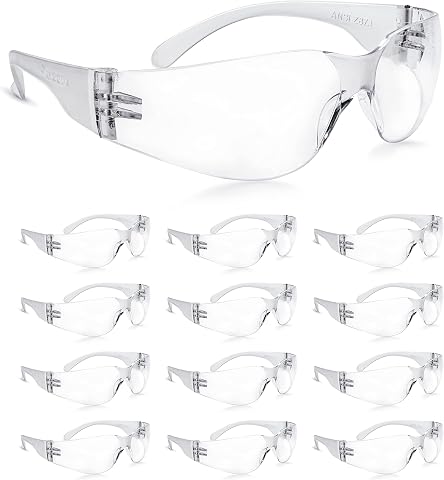
Some listings mention chisels, a faceplate, wrenches, or other accessories, but included tools do not guarantee a complete turning setup. Check the listing for the specific accessories and compatibility details, including spindle thread, centers, and tool-rest arrangements. The Coronet Herald lists a 1-1/4″ spindle thread, a detail that can matter when matching accessories. Beginners should budget attention for sharpening equipment, workholding, eye protection, and dust control rather than assuming a starter kit covers every need. Buyers with existing tools should compare fittings before choosing a lathe based on bundled extras. When a listing is vague, confirm the package contents before ordering.
Pay More for Capability You Will Use
A higher-capability lathe makes sense when its added power, speed flexibility, build, or work envelope supports projects you plan to make regularly. The 1 HP Record Power and JET models stand apart from the smaller 1/3 HP machines, but that difference may not help someone turning only small decorative pieces. Conversely, choosing a low-power mini lathe for larger work can create a frustrating mismatch even if its dimensions seem adequate. Think about your next few project types, not only your first turning exercise. If you are still learning, a simpler compact model can keep the setup manageable while leaving room in the budget for tools and safety gear. Spend for a clear capability gain, rather than for a specification you are unlikely to use.
Frequently Asked Questions
Is a 1 HP benchtop lathe worth choosing over a 1/3 HP model?
It depends on the size and type of work you expect to turn. A 1 HP model such as the Record Power Coronet Herald or JET offers more motor power than the 1/3 HP options in this roundup, which can matter when working with larger stock or taking heavier cuts. For small, light projects, a lower-power lathe may be sufficient and can take up less room. Compare motor power with the lathe’s stated capacity rather than treating either figure as a standalone measure. If you are unsure, prioritize a machine suited to your actual workpiece sizes and follow its operating limits.
Can I turn bowls on a benchtop lathe listed with 14-inch swing?
The swing figure indicates the maximum diameter that can clear the bed, but it does not by itself confirm that a particular bowl blank is a suitable match. Motor power, workpiece balance, mounting, and the machine’s rated operating limits also affect suitability. Several lathes in this roundup list 14-inch capacity with 0.5 HP motors, while other models pair smaller capacities with 1 HP motors. Check the manufacturer’s guidance for bowl turning and blank size before buying. A larger capacity number should not be treated as permission to turn every blank at that diameter.
Should a beginner choose variable speed or a lathe with fixed speed steps?
Variable speed offers more adjustment as you move between workpieces and stages of turning, which can make it easier to find a suitable setting without changing a belt. A model with a few selectable speeds may still suit a beginner who expects to make small projects and prefers a simpler setup. Look at the low end of the listed range as well as the maximum speed, since rough or unbalanced blanks call for care at startup. The WEN and VEVOR mini models in this roundup offer variable speed, while some larger-capacity listings specify four or five settings. Speed choice does not replace safe mounting, sound workholding, or the manufacturer’s instructions.
What should I check before buying a benchtop lathe for a small workshop?
Measure the machine’s full footprint and leave room for the workpiece, tool rest, and access to controls. Check the lathe’s weight and plan for a stable bench or stand; a machine described as benchtop may still be difficult to move or store. Also account for space around the lathe for safe work and dust collection. Compact options such as the WEN 3421 take less room than models with longer beds, but they also restrict project size. Verify electrical requirements and mounting details before committing to a location.
Do bundled chisels and accessories mean I can start turning right away?
Not always. A listing that mentions chisels, a faceplate, or basic tools may still leave you needing compatible workholding, sharpening supplies, and suitable safety equipment. Confirm exactly what comes in the package and whether the included accessories fit the lathe’s spindle and centers. The Coronet Herald listing, for example, specifies a 1-1/4″ spindle thread, which is useful when checking accessory compatibility. Beginners should also set up eye protection and dust control before starting. Treat bundled accessories as a starting point, not as proof that every part of a safe setup is included.
Conclusion
For the broadest mix of power, speed flexibility, and compact heavy-duty design, I would choose the Record Power Coronet Herald as best overall. The best premium alternative is the JET 12″ x 21″ for buyers who want a 1 HP lathe with a mid-size work envelope. For a space-conscious beginner focused on small projects, the WEN 3421 is the easiest fit; buyers seeking a larger stated work envelope at a more modest motor rating should compare the WEN 34035 and VEVOR 14″ x 20″. If your specific need is a 14″ x 40″ bed, examine the Garvee and VEVOR models closely, while keeping their 0.5 HP motors and speed arrangements in mind. Choose according to your workpiece sizes and bench setup, not capacity numbers alone.
Halloween Picks
halloween
As an affiliate, we earn on qualifying purchases.