To protect your hoses and seals in summer heat, use heat-resistant materials that can withstand high temperatures without losing flexibility or strength. Insulate hoses with foam, rubber, or specialized sleeves that fit snugly and block sunlight. Regularly inspect for wear and tear, and add UV-resistant coatings or covers for extra protection. Combining insulation with protective coverings helps prolong durability. If you keep these tips in mind, you’ll find even more ways to keep everything safe during hot weather.

Get business pricing on tools and workshop supplies
- Business-only prices and quantity discounts
- Tax-exempt purchasing
- Multiple users, one account, clear invoices
Key Takeaways
- Use hoses and seals made from heat-resistant materials rated for high temperatures.
- Insulate hoses with foam, rubber, or specialized sleeves to prevent heat transfer and maintain consistent temperatures.
- Regularly inspect and replace worn or cracked hoses and seals to prevent leaks and failures.
- Apply UV-resistant coatings and protective covers to shield hoses from sun damage.
- Combine insulation with protective covers for enhanced durability during prolonged sun exposure.
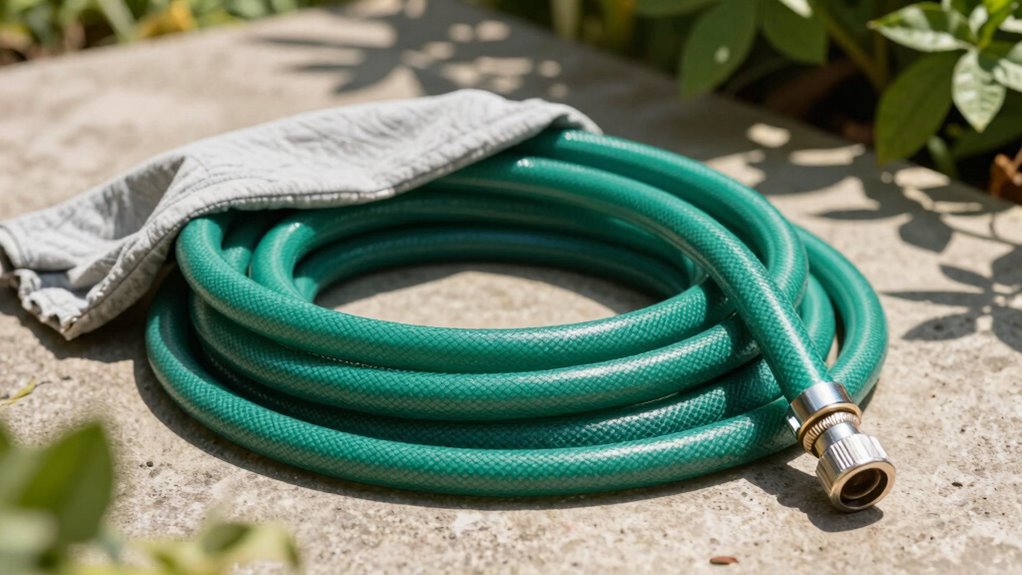
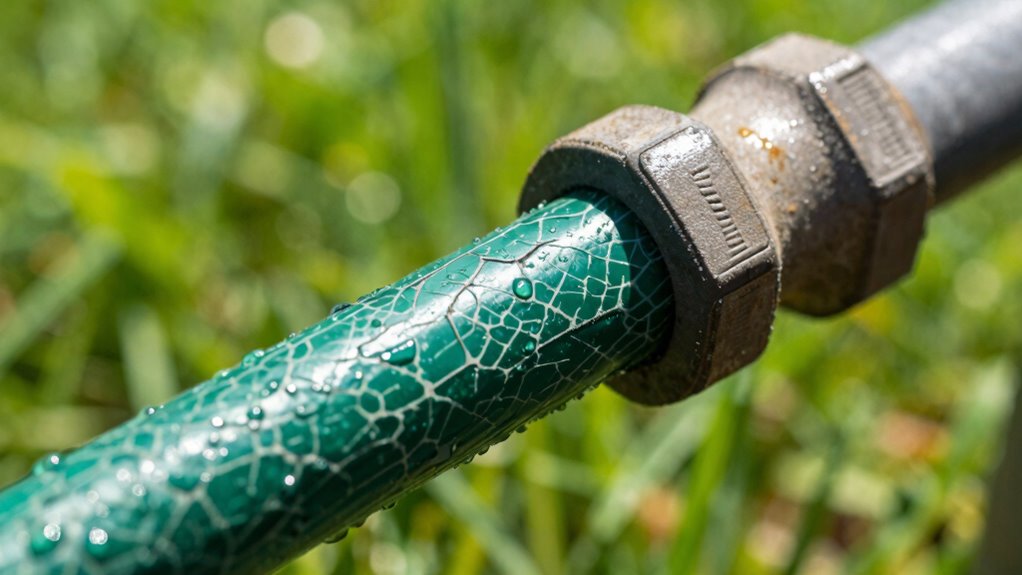
As summer temperatures soar, hoses and seals become increasingly vulnerable to damage from the intense heat. The extreme heat can cause materials to soften, crack, or even melt, leading to leaks and failures that disrupt your work or garden routines. To safeguard your equipment, it’s crucial to use heat resistant materials for your hoses and seals whenever possible. These specialized materials are designed to withstand high temperatures without losing their flexibility or integrity, ensuring your hoses stay durable and functional during the hottest months. When selecting hoses and seals, look for products explicitly labeled as heat resistant, and check the specifications to ensure they can handle the temperature ranges you expect.
Alongside choosing the right materials, proper insulation plays a critical role in protecting your hoses and seals from summer heat. Insulation acts as a barrier, preventing the external high temperatures from reaching the materials and causing damage. You can use foam, rubber, or specialized insulating sleeves that fit snugly around your hoses. Proper insulation not only shields your hoses from direct sunlight but also helps maintain a consistent internal temperature, reducing the risk of expansion or contraction that can lead to leaks or cracks. Remember, insulation is especially important if your hoses run exposed outdoors or across areas with direct sun exposure for extended periods. Additionally, understanding the thermal properties of your materials can help you choose the most effective insulation solutions for high-temperature conditions. Incorporating heat-resistant materials into your maintenance routine can significantly extend the lifespan of your hoses and seals in summer conditions. Regular inspection and proactive maintenance, including checking for wear and tear, can prevent costly repairs and ensure your equipment remains reliable throughout the hot season. Using protective covers can provide an extra layer of defense against the damaging effects of summer heat. Also, considering UV-resistant coatings can further protect hoses and seals from sun damage, prolonging their durability during intense summer exposure.
As an affiliate, we earn on qualifying purchases.
Frequently Asked Questions
Can Heat Damage Hoses Made From Specific Materials?
Yes, heat can damage hoses made from certain materials, especially if they lack sufficient material durability and heat resistance. You might notice cracking, brittleness, or leaks if the hoses aren’t designed to withstand high temperatures. To prevent this, choose hoses with high heat resistance and strong material durability. Regularly inspect your hoses during summer to catch any damage early, ensuring they stay flexible and functional despite the heat.
Are There Any Signs Indicating Hoses or Seals Need Replacement?
Did you know that over 60% of hose failures are due to unnoticed wear? You’ll want to watch for signs like cracks, bulges, or leaks, which indicate hose material or seal degradation. If hoses feel brittle or seals are hard to tighten, it’s time for replacements. Ignoring these signs can lead to bigger issues, so regularly inspecting your hoses and seals guarantees they stay in peak condition and avoid costly repairs.
How Often Should Hoses Be Inspected During Summer?
You should inspect hoses at least once a month during summer, especially if they’re made of rubber or plastic, as these materials are more prone to heat damage. Regular inspection frequency helps you catch signs of wear, cracks, or leaks early, preventing failures. Pay close attention to areas near heat sources or where hoses bend, and replace any damaged hoses promptly to avoid costly repairs and guarantee safety.
Do Reflective Covers Help Reduce Hose Heat Exposure?
Think of reflective covers as your hose’s summer shield, like a mirror that reflects the sun’s aggressive heat absorption. Yes, they help reduce heat exposure by bouncing back much of the sun’s rays, keeping hoses cooler and preventing damage. These covers act as a barrier, much like a sunhat for your hose, ensuring seals and hoses stay resilient through the scorching days, extending their lifespan and maintaining best performance.
What Are the Best Storage Practices for Hoses in Summer?
You should store hoses in a cool, shaded area away from direct sunlight, which can cause material degradation. Use storage materials that are compatible with your hose’s material to prevent damage. Coil hoses loosely to avoid kinks and guarantee proper drainage to prevent mold. Consider using reflective covers or insulating sleeves to minimize heat exposure. Regularly check storage conditions to maintain hose integrity and extend their lifespan during summer months.
Conclusion
By taking these simple steps to shield your hoses and seals, you’ll notice how your efforts align perfectly with the summer’s warmth. Imagine a clear summer sky, the sun’s rays gently caressing your garden hoses, preventing cracks and leaks before they start. When you protect your equipment now, you’re also safeguarding your summer projects and outdoor adventures. It’s a small act that coincidentally keeps your outdoor space thriving, just like a perfectly timed summer breeze.
Fall yard work Picks
leaf blowers
As an affiliate, we earn on qualifying purchases.