To use log cradles and tables safely, regularly inspect them for wear, damage, or loose parts, and keep them clean and lubricated. Make sure the cradle is stable and all components are secure before use. Follow proper handling procedures, use appropriate protective gear, and never bypass safety features. Adhere to manufacturer guidelines and stay updated on safety practices. Continuing will equip you with essential safety tips to prevent accidents and maintain reliable equipment.
Key Takeaways
- Regularly inspect cradle and table components for wear, damage, and stability before use.
- Ensure the work surface is level, secure, and free from wobbling or damage.
- Follow manufacturer safety guidelines, including proper handling and weight limits of logs.
- Use appropriate tools and mechanical aids to handle logs safely, avoiding shortcuts.
- Wear personal protective equipment and disconnect power during inspections or maintenance.

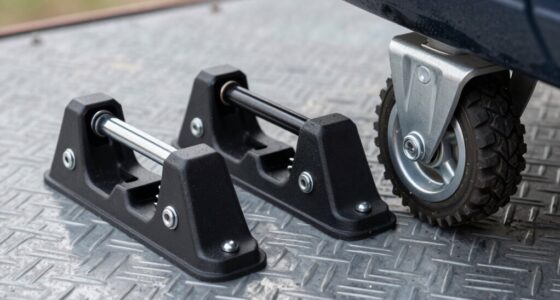
Log cradles and tables are fundamental tools for safely processing and handling logs, but improper use can lead to accidents and injuries. To guarantee safety, you must prioritize regular log cradle maintenance. This means inspecting the cradle’s components for signs of wear, corrosion, or damage. Loose bolts, rusted parts, or cracked supports can compromise the cradle’s stability, increasing the risk of logs slipping or the cradle collapsing. Conduct these checks frequently, especially before each use, to identify issues early and prevent accidents. Proper maintenance also involves keeping the cradle clean and lubricating moving parts where necessary, ensuring smooth operation and reducing mechanical failures.
Alongside log cradle maintenance, table stability checks are equally critical. A stable work surface helps you control and maneuver logs safely. Before starting work, always examine the table to confirm it’s level and secure. Look for uneven surfaces or wobbling legs, which can cause logs to shift unexpectedly. Tighten any loose bolts or screws, and verify that the table’s frame isn’t bent or damaged. If you notice any instability, don’t use the table until it’s repaired or replaced. This proactive approach helps prevent logs from falling or rolling off during processing, reducing the chance of injury. Additionally, ensuring proper installation and venting of equipment can prevent hazards associated with improper setup.
Ensure your work surface is level and secure to prevent logs from shifting or falling.
When operating log cradles and tables, always adhere to the manufacturer’s safety guidelines. Ensure that the logs you handle are within the weight limits of the equipment. Overloading the cradle or table not only damages the tools but also drastically increases the risk of accidents. Use proper lifting techniques and, if necessary, mechanical aids like tongs or clamps to secure logs firmly before moving or cutting them. Never bypass safety features or take shortcuts—these are put in place to protect you.
Training plays a crucial role in safe handling practices. Make sure you’re familiar with how to perform routine log cradle maintenance and table stability checks. Regularly refresh your knowledge to stay current on safety procedures. When performing maintenance or inspections, always disconnect power sources if applicable and wear personal protective equipment. This minimizes hazards during the inspection process.

Timberjack Log Roller Lifter, 50.8" Long Handle Log Roller Tool
- Material: Heavy-duty carbon steel construction
- Finish: Black powder-coated surface for rust resistance
- Adjustability: Adjustable cant hook for logs 3-25 inches
As an affiliate, we earn on qualifying purchases.
As an affiliate, we earn on qualifying purchases.
Frequently Asked Questions
What Are the Signs of a Damaged Log Cradle?
You’ll notice signs of damage on a log cradle during your inspection checklist, like cracks, corrosion, or bent components. Wobbly or loose parts also indicate issues. Always follow maintenance procedures to address these problems promptly. If you see any deformation, missing bolts, or rust, stop using the cradle immediately and report it. Regular inspections help catch damage early, ensuring your safety and preventing accidents.
How Often Should Log Cradles Be Inspected?
They say, “A stitch in time saves nine,” and that’s true for log cradles. You should inspect your log cradles regularly—at least once a week or according to your maintenance schedule. Frequent inspections help catch damage early, ensuring safety. Keep a record of inspections, and promptly address any issues. Regular checks help prevent accidents and extend the cradle’s lifespan, so stay vigilant and maintain a consistent inspection routine.
Are There Specific Safety Certifications for Log Cradles?
Yes, there are specific safety certifications for log cradles. You should look for certification standards that guarantee safety compliance, such as OSHA or ANSI standards. These certifications verify that the log cradle meets quality and safety requirements, reducing risks during operation. Always check for current certification labels before using a log cradle, and ensure regular inspections are conducted to maintain safety compliance and protect workers.
Can Log Cradles Be Used Outdoors in All Weather Conditions?
Think of a log cradle like a sturdy ship designed for rough seas; it can handle various weather conditions if built with weather resistance and material durability in mind. You can use log cradles outdoors in most weather, but extreme conditions like heavy rain, snow, or high winds may compromise their integrity. Always check manufacturer guidelines and make sure your cradle is rated for outdoor use to keep safety afloat.
What Training Is Recommended for Safe Operation?
You should participate in specialized training programs that focus on safe operation and handling of log equipment. These programs teach you essential safety protocols, proper use of machinery, and hazard awareness. By completing this training, you’ll understand how to operate log cradles and tables correctly, preventing accidents and injuries. Regular refresher courses are also recommended to stay updated on safety standards and make sure you uphold safe practices on the job.
Conclusion
Think of log cradles and tables as the steady anchors in your woodworking voyage. When you respect their safety rules, you’re steering your ship clear of storms and mishaps. Treat these tools like loyal companions, always attentive to their needs and limits. By doing so, you guarantee your journey remains smooth and safe, turning every project into a voyage of craftsmanship. Remember, safety isn’t just a rule—it’s the compass guiding you home safely every time.