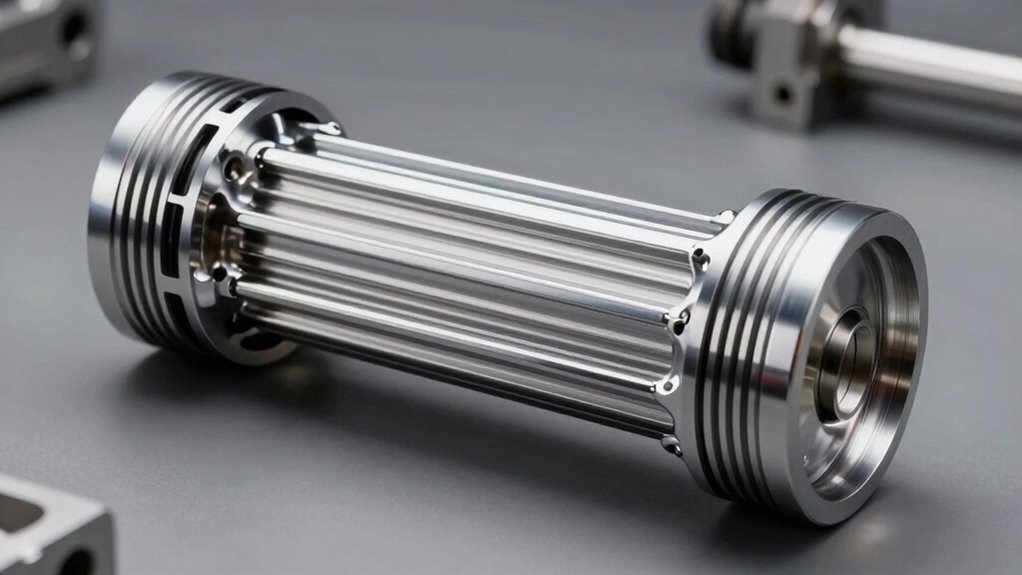

Longer stroke cylinders can improve your machinery’s reach and precision, but they come with challenges. You’ll need a larger flow of hydraulic fluid, which increases energy use and system wear. Manufacturing costs rise due to the need for specialized parts and reinforcement. Plus, they’re heavier and more prone to vibration and misalignment, requiring extra support. If you want to understand the full picture and how to overcome these issues, keep exploring the details ahead.

Get business pricing on tools and workshop supplies
- Business-only prices and quantity discounts
- Tax-exempt purchasing
- Multiple users, one account, clear invoices
Key Takeaways
- Longer cylinders require more hydraulic fluid, increasing pump workload and energy consumption.
- They may experience slower response times and higher heat generation due to increased fluid volume.
- Manufacturing longer cylinders involves higher costs, specialized processes, and added weight.
- Structural challenges include vibration, bending risks, and the need for reinforced mounting.
- Maintenance needs rise with larger surface areas exposed to contaminants, raising inspection and replacement frequency.
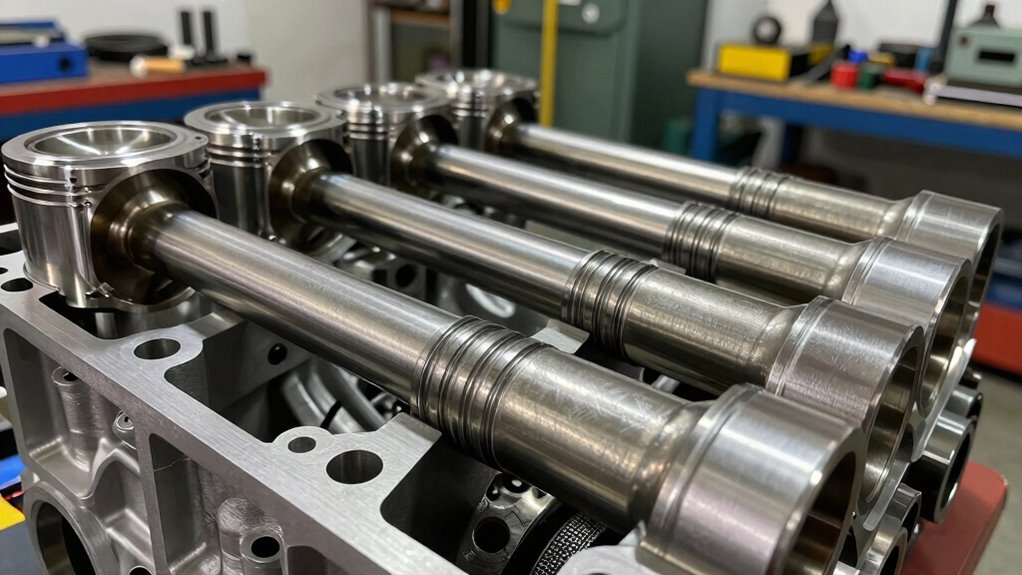
Longer stroke cylinders are vital components in many hydraulic and pneumatic systems, offering increased travel distance for more complex or demanding applications. They allow you to extend the reach of your machinery, enabling tasks like deep-seated lifting, precise positioning, or extended actuation without switching to multiple cylinders. However, while the idea of longer strokes sounds appealing, there are some important factors to contemplate before jumping in. One key concern is hydraulic efficiency. As the cylinder length increases, so does the volume of fluid needed to move it through its full stroke. This means your system’s pump must work harder, consuming more energy and potentially reducing overall efficiency. If your hydraulic system isn’t designed to accommodate these larger flows, you might face slower response times or increased heat generation, which can impair performance and lead to system wear over time. Additionally, longer cylinders may require specialized manufacturing processes to ensure proper construction and durability. These processes must often include additional quality control measures to maintain performance standards over extended lengths.
Furthermore, the increased length can sometimes lead to greater vibration during operation, which must be managed through proper design to prevent damage. Another critical aspect is manufacturing costs. Longer stroke cylinders require more materials, especially for the tube, rod, and end caps, which naturally raises production expenses. Customizing cylinders to longer lengths also involves precision machining and tighter tolerances to ensure smooth operation over the extended travel. This added complexity can considerably increase manufacturing costs, making these cylinders more expensive than standard-sized options. Additionally, longer cylinders are heavier, affecting the overall weight of the equipment and potentially leading to increased wear on mounting points and supporting structures. You’ll need to evaluate whether the benefits of a longer stroke justify the higher upfront costs and potential modifications to your existing system. Proper design considerations can help mitigate some of these challenges and optimize performance.
You should also contemplate the structural limitations. Extending a cylinder’s stroke can introduce bending or flexing issues, especially if the cylinder isn’t properly supported or if the load is uneven. This not only compromises hydraulic efficiency but also risks damaging the cylinder or reducing its lifespan. Proper design and reinforcement become vital when dealing with longer cylinders, which can further inflate costs and complexity. Furthermore, longer cylinders may require reinforced mounting solutions to prevent misalignment and ensure stability during operation. Choosing appropriate materials for the cylinder components can significantly influence durability and performance, especially under demanding conditions.
Finally, keep in mind that longer stroke cylinders may require more maintenance. The increased length means more surface area exposed to environmental contaminants, which can degrade seals and internal components faster. You’ll need to plan for more frequent inspections and replacements, adding to operational costs. While longer stroke cylinders can offer substantial advantages in reach and versatility, you must weigh these benefits against the increased hydraulic demands, higher manufacturing costs, and the need for careful design and maintenance. Only then can you determine if they’re the right fit for your application.
hydraulic longer stroke cylinder
As an affiliate, we earn on qualifying purchases.
As an affiliate, we earn on qualifying purchases.
Frequently Asked Questions
How Do Longer Stroke Cylinders Affect Overall Machine Size?
Longer stroke cylinders increase your machine size, which can limit design flexibility and raise costs. As the stroke lengthens, you’ll need more space for the cylinder and supporting components, making the overall design bulkier. This size increase can lead to higher manufacturing and installation costs. You should consider these cost implications and space requirements carefully, especially if you aim for a compact or cost-sensitive machine design.
Are Longer Stroke Cylinders Suitable for High-Speed Applications?
Longer stroke cylinders aren’t ideal for high-speed performance because they can struggle with rapid cycles, leading to increased wear and tear. The extended stroke may slow down operation and cause higher stress on components, reducing efficiency and lifespan. If you need high-speed performance, consider shorter-stroke cylinders designed for rapid, repetitive movements, which better handle the demands without sacrificing durability or risking premature failure.
What Maintenance Challenges Are Associated With Longer Stroke Cylinders?
You face maintenance challenges with longer stroke cylinders, from ensuring proper lubrication to maintaining seal durability. You need to regularly check lubrication levels, apply appropriate lubricants, and monitor seals for wear and tear. You must replace seals promptly to prevent leaks, adjust for misalignment, and clean cylinders to prevent dirt buildup. By staying vigilant with lubrication and seal maintenance, you can keep your longer stroke cylinders operating smoothly and extend their lifespan.
How Do Longer Stroke Cylinders Impact Energy Efficiency?
Longer stroke cylinders can improve energy efficiency by providing smoother, more consistent motion, but they also impact it through increased material durability needs and lubrication requirements. You’ll need to regularly maintain lubrication to prevent wear and tear, which can otherwise lead to energy losses. If you guarantee proper lubrication and select durable materials, you’ll maximize efficiency and extend the lifespan of your cylinders, saving energy and reducing operational costs.
Can Longer Stroke Cylinders Be Customized for Specific Industries?
Yes, longer stroke cylinders can be customized for specific industries. You choose materials based on your industry’s needs, prioritizing material selection for durability and performance. For harsh environments, opt for corrosion-resistant options to prevent wear and tear. You can tailor the cylinder’s design, stroke length, and material to match your industry’s requirements, ensuring peak efficiency, longevity, and safety in applications like manufacturing, agriculture, or construction.
Conclusion
So, while longer stroke cylinders might seem like the magic bullet, they come with their own set of challenges—think of it like trying to fit a DeLorean engine into a Model T. You’ll need to weigh the benefits against the complexities, ensuring your system can handle the extra length without breaking a sweat. In the end, it’s all about balancing power and practicality, so your setup runs smoother than a well-oiled steampunk machine.
Halloween Picks
halloween
As an affiliate, we earn on qualifying purchases.