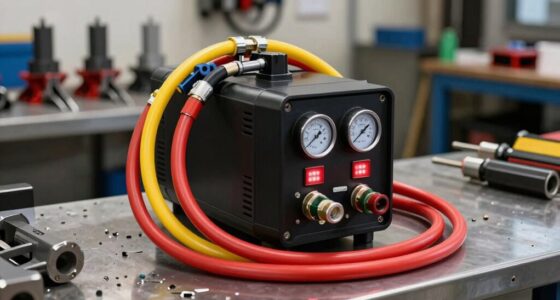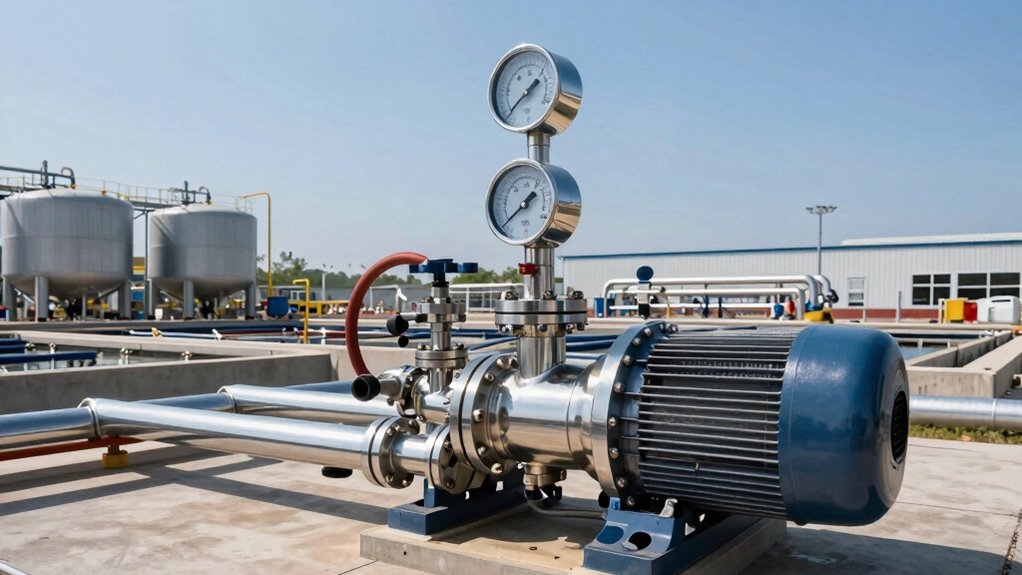

A 28 GPM pump makes sense when your system needs a steady flow close to that rate, ensuring reliable and efficient operation. It’s ideal for applications with consistent demand and high, stable flow requirements. However, if your flow needs are considerably lower or fluctuate often, this pump might be inefficient or oversize. Choosing the right pump size is vital to prevent energy waste or performance issues. Keep exploring; you’ll find valuable tips to select the best pump for your system.

Get business pricing on tools and workshop supplies
- Business-only prices and quantity discounts
- Tax-exempt purchasing
- Multiple users, one account, clear invoices
Key Takeaways
- A 28 GPM pump is suitable when system flow requirements are close to 28 GPM for consistent, reliable performance.
- It’s not ideal if flow needs fluctuate significantly or fall far below or above 28 GPM.
- Proper sizing prevents energy waste and ensures optimal efficiency, making it essential to match pump capacity to actual demand.
- Oversizing leads to energy inefficiency and increased wear, while undersizing causes pressure drops and system inefficiencies.
- Consider system pressure needs and protection features to determine if a 28 GPM pump aligns with application requirements.

A 28 GPM pump can be be a perfect fit when you need steady, reliable flow for your application, but it’s not always the best choice. To determine if it’s right for you, you need to evaluate pump sizing and flow rate considerations carefully. If your system requires a consistent flow close to 28 gallons per minute, this pump offers a straightforward solution. However, if your flow needs fluctuate or are considerably lower or higher, opting for a pump with a different capacity might be wiser. Proper pump sizing ensures that you don’t oversize and waste energy or undersize and risk inadequate performance.
Choosing the right pump size balances efficiency and performance based on your specific flow needs.
When assessing flow rate considerations, think about your application’s actual requirements. If your process demands a flow rate near 28 GPM, this pump can deliver reliably without overworking. But suppose your flow needs are only 10 or 15 GPM, or if they vary considerably during operation. In that case, a pump designed specifically for those lower or variable flows will be more efficient and cost-effective. Oversizing a pump can lead to unnecessary energy consumption and increased wear, while undersizing can cause pressure drops, system inefficiencies, or even damage. Additionally, understanding the flow versus pressure relationship in pump systems can help optimize overall efficiency and lifespan. Properly matching these parameters can prevent system inefficiencies and prolong equipment lifespan. Recognizing the importance of system pressure requirements** is also crucial for achieving a balanced and effective setup. Moreover, considering pump protection features** can help safeguard your equipment during operation.
As an affiliate, we earn on qualifying purchases.
Frequently Asked Questions
How Does Fluid Viscosity Affect Pump Performance?
Fluid viscosity impacts pump performance considerably. Higher viscosity fluids create more resistance, reducing pump efficiency and potentially causing wear or damage. Conversely, low-viscosity fluids flow easily, maintaining ideal pump operation. You should consider viscosity impact when selecting a pump, ensuring it can handle the fluid’s thickness without sacrificing efficiency. Properly matching viscosity to pump capacity helps prevent issues like cavitation, prolonging equipment life and ensuring reliable, efficient performance.
What Are the Maintenance Costs for High-Capacity Pumps?
Think of your pump like a car; regular maintenance extends its lifespan and keeps costs down. High-capacity pumps tend to have higher maintenance costs due to wear and tear, especially if used intensively. You might spend more on parts and labor over time, but proper upkeep can prevent costly breakdowns. Always consider cost considerations and schedule routine checks to guarantee your pump runs smoothly and lasts longer.
Can a 28 GPM Pump Handle Abrasive Fluids?
A 28 GPM pump can handle abrasive fluids if it’s made with durable materials like hardened alloys or ceramics. These materials help minimize abrasive wear, extending pump durability. However, if the pump isn’t designed for abrasive applications, wear can accelerate, leading to frequent repairs or replacements. To guarantee longevity, choose a pump specifically rated for abrasive fluids and maintain it regularly to prevent damage and optimize performance.
How Does Pipe Diameter Influence Pump Efficiency?
Imagine a winding river, its width guiding the flow. Larger pipe diameters reduce resistance, allowing your pump to work effectively and maintain steady flow. Pipe material influences friction—slick materials like PVC boost efficiency, while rougher ones hinder it. Proper pipe sizing and flow control ensure your pump operates smoothly, preventing pressure drops or overloads. Choosing the right pipe diameter and material keeps your system running at its best, saving energy and reducing wear.
What Safety Precautions Are Needed for High-Flow Pumps?
You need to prioritize safety when operating high-flow pumps by wearing proper protective gear and guaranteeing all safety signage is clearly visible. Keep an eye on pump noise levels, as loud sounds can indicate issues or potential hazards. Regularly inspect the pump for leaks or vibrations, and make sure emergency shut-off procedures are understood. These precautions help prevent accidents and ensure safe, efficient operation of your high-flow pump.
Conclusion
Choosing the right pump size isn’t just about numbers; it’s about understanding your true needs. A 28 GPM pump can serve you well, but only if it aligns with your deeper goals and expectations. Sometimes, a smaller or larger option might whisper better promises. Listen carefully to your system’s subtle cues—trusting that, with patience, you’ll find a solution that flows smoothly and quietly, guiding you toward a more harmonious outcome.
Fall yard work Picks
leaf blowers
As an affiliate, we earn on qualifying purchases.