
To move heavy loads safely, it’s essential that you use winches, hoists, and slings properly. Always check the equipment’s weight limits, inspect cables, hooks, and slings for damage, and follow manufacturer guidelines. Proper training and regular maintenance help prevent accidents and equipment failure. Using the right tools correctly minimizes risks and saves time. By understanding and applying these safety practices, you’ll make your heavy lifting safer—and there’s more to discover about keeping operations secure.

Get business pricing on tools and workshop supplies
- Business-only prices and quantity discounts
- Tax-exempt purchasing
- Multiple users, one account, clear invoices
Key Takeaways
- Proper training ensures correct use and reduces the risk of accidents when operating winches, hoists, and slings.
- Regular inspections identify and address equipment damage or wear, preventing failures during lifting tasks.
- Adhering to weight limits and load capacities minimizes overloading and equipment failure.
- Routine maintenance and cleaning extend equipment lifespan and ensure safe operation.
- Selecting appropriate slings and securing loads properly enhances safety during heavy object movement.
Whether you’re lifting heavy loads or pulling equipment into place, understanding the different tools available is essential for safety and efficiency. Winches, Hoists, and Slings are your go-to options for moving heavy objects safely, but knowing how to use them properly is key to avoiding accidents. Lifting safety isn’t just about following rules—it’s about understanding the equipment you’re working with and maintaining it correctly. Regular equipment maintenance ensures these tools stay reliable, reducing the risk of failure during operation.
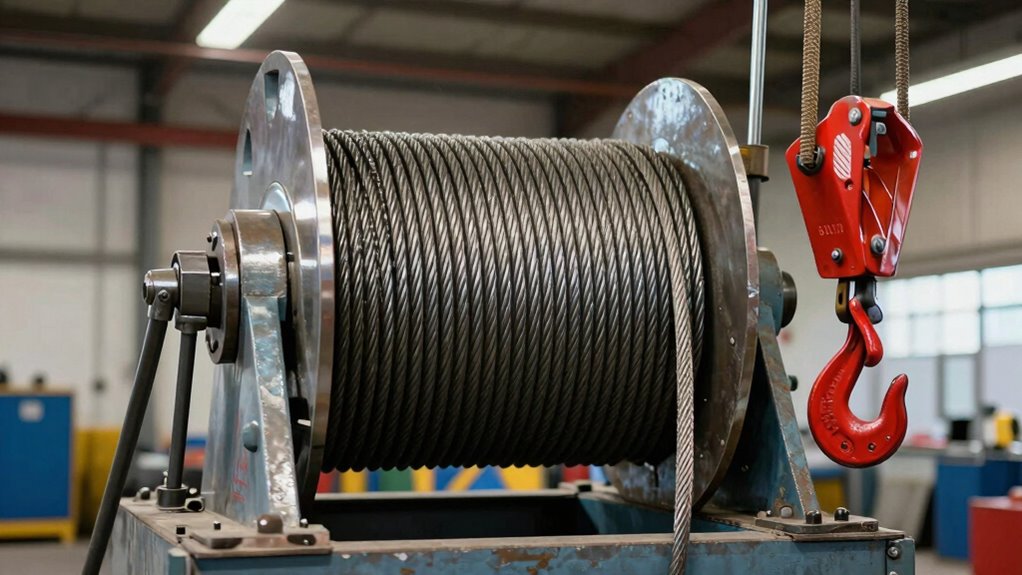
Winches are versatile, motorized devices that make lifting or pulling loads easier. They’re ideal for situations where manual effort isn’t enough or would be unsafe. When using a winch, you need to pay attention to weight limits and ensure the cable or chain is in good condition. Damaged or frayed cables can snap under load, causing injury or damage. Inspect your winch and its components regularly, especially before every use, to keep it in optimal condition. Proper equipment maintenance extends the life of your winch and guarantees safe operation.
Hoists are another essential tool in heavy lifting. Whether chain, electric, or manual, hoists are designed for lifting vertical loads with precision. When operating a hoist, always check the load capacity and ensure the hook and chain are free of defects. Lifting safety also involves securing loads properly and avoiding sudden movements that can cause the load to swing or fall. Like winches, hoists require routine equipment maintenance—lubricating moving parts, inspecting for wear, and replacing damaged components. Doing so minimizes the chance of mechanical failure during critical lifts.
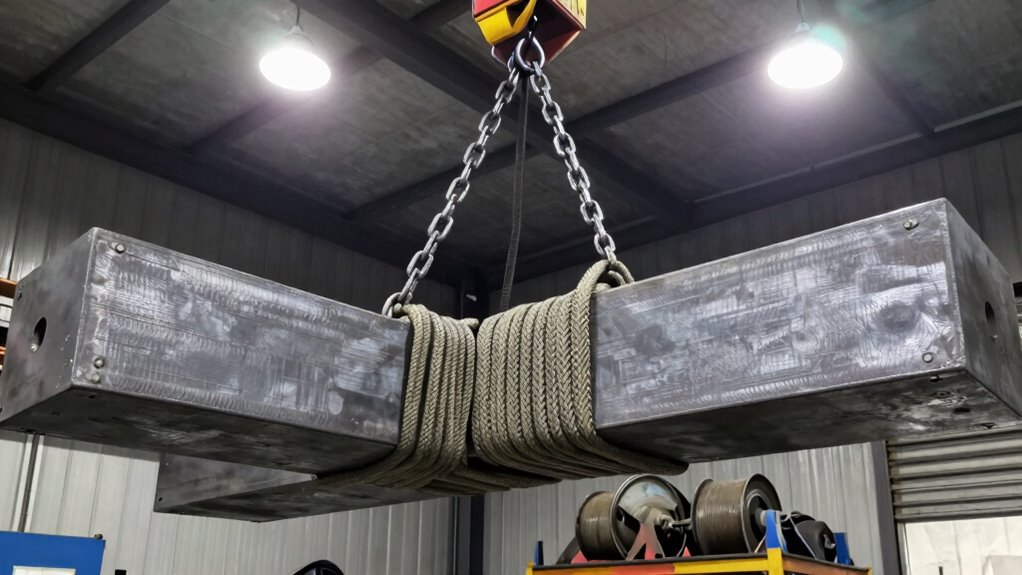
Slings add flexibility to heavy lifting, especially when loads are irregularly shaped or difficult to secure with chains or ropes. They come in various materials—nylon, wire rope, or polyester—each suited for different applications. You must select the right sling for the weight and nature of the load. Always inspect slings for cuts, tears, or fraying before use, and avoid overloading them beyond their rated capacity. Proper use and regular maintenance of slings prevent accidents and prolong their lifespan.
In all cases, your focus should be on proper training and consistent equipment maintenance. Regularly inspecting your tools for damage, cleaning them, and following manufacturer guidelines are critical steps to ensure lifting safety. When you understand how to maintain and operate winches, hoists, and slings correctly, you lessen the risk of accidents, injuries, and costly downtime. Moving heavy objects doesn’t have to be dangerous—just make sure you use the right tools, understand their limits, and keep them in top shape. Additionally, understanding equipment safety standards is crucial for compliance and optimal operation.
electric winch for heavy lifting
As an affiliate, we earn on qualifying purchases.
As an affiliate, we earn on qualifying purchases.
Frequently Asked Questions
How Do I Select the Right Winch or Hoist for My Project?
To select the right winch or hoist, start by evaluating your load capacity needs to guarantee it can handle the heaviest weight you’ll lift. Consider your power source—electric, hydraulic, or manual—to match your project’s environment and accessibility. You’ll also want to examine the reach, speed, and safety features. Choosing a device that aligns with these factors guarantees efficient, safe lifting for your specific application.
What Maintenance Is Required for Winches, Hoists, and Slings?
You should regularly perform lubrication routines on your winches, hoists, and slings to prevent rust and guarantee smooth operation. Check for wear and tear, and replace damaged components promptly. Store them following best practices—keep them in a dry, clean environment, and avoid exposure to moisture. Regular inspections and proper storage prolong their lifespan and maintain safety, so always follow manufacturer guidelines for maintenance schedules.
Are There Specific Safety Certifications for Lifting Equipment?
Yes, there are specific safety certifications for lifting equipment. You should confirm your equipment meets certification standards like ASME, OSHA, or CE, depending on your location. These standards promote safety compliance, verifying that your winches, hoists, and slings are safe to use. Regularly check for updated certifications and maintain proper documentation to guarantee your equipment adheres to safety regulations and reduces risks during lifting operations.
How Do Weather Conditions Affect Lifting Equipment Safety?
Weather hazards and environmental impacts can greatly affect lifting equipment safety. Rain, snow, or high winds weaken equipment stability and increase the risk of accidents. Moisture can cause corrosion or slipping, while extreme temperatures may compromise material strength. You should always assess weather conditions before lifting, delay operations if needed, and use weather-resistant equipment to guarantee safety and prevent equipment failure in challenging conditions.
What Are Common Signs of Equipment Wear or Failure?
You should look for signs of wear like frayed or cracked slings, rust on hooks, or bent components during visual inspection. Listen for unusual noises during operation, which could indicate failure. Regular load testing helps identify weaknesses before accidents happen. If you notice any of these signs, stop using the equipment immediately and have a professional inspect and repair it to guarantee safe lifting.
Conclusion
Think of your lifting tools as the steady hands of a skilled acrobat, keeping everything balanced and secure. When you prioritize safety with winches, hoists, and slings, you’re preventing accidents that can turn a simple lift into a catastrophe. Just like a tightrope walker trusts their equipment to cross safely, you can trust these tools to move heavy loads without a fall. Stay vigilant, follow safety guidelines, and make every lift a safe performance.
Fall Picks
fall essentials
As an affiliate, we earn on qualifying purchases.