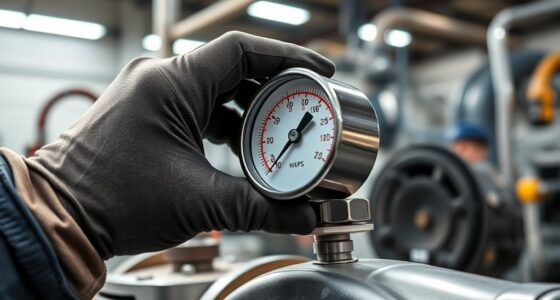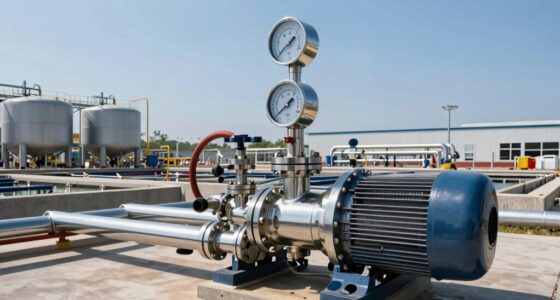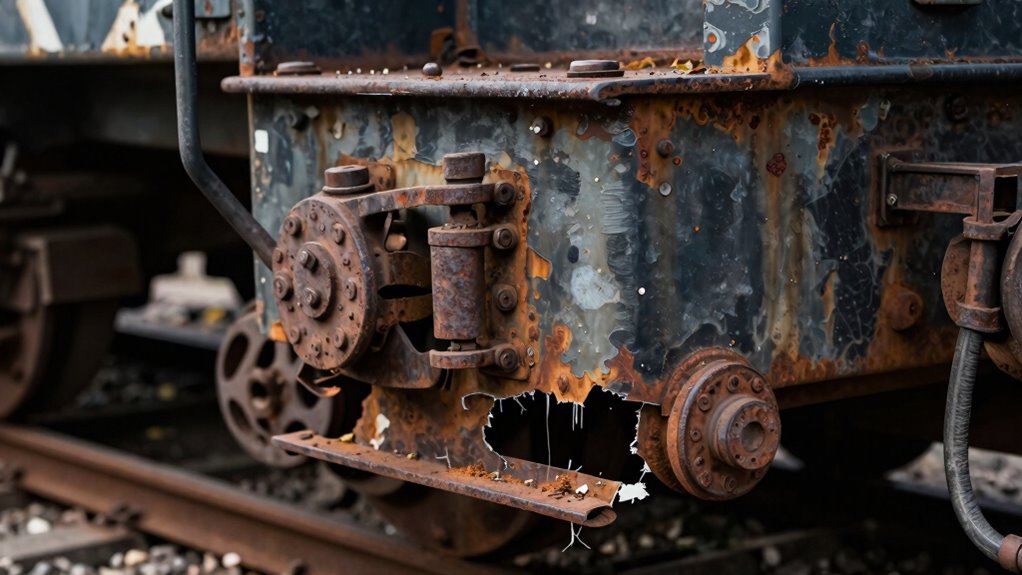

Loose couplers, pins, and fasteners pose bigger risks because they can lead to system failures, accidents, and safety hazards. Small looseness might seem minor, but it often triggers a chain reaction that weakens the entire system. Over time, material fatigue under stress causes hidden cracks, increasing failure chances. Neglecting regular checks allows these issues to grow, risking sudden disengagement or breakdowns. To understand how to prevent these dangers, keep exploring the causes behind these risks.

Get business pricing on tools and workshop supplies
- Business-only prices and quantity discounts
- Tax-exempt purchasing
- Multiple users, one account, clear invoices
Key Takeaways
- Loose fasteners can cause sudden disengagement, leading to accidents and equipment failures.
- They increase the risk of chain reactions that compromise entire system safety.
- Material fatigue weakens components over time, heightening failure chances.
- Neglecting regular inspections allows small issues to escalate into major hazards.
- Unsecured parts may slip or break unexpectedly, causing operational disruptions and safety risks.
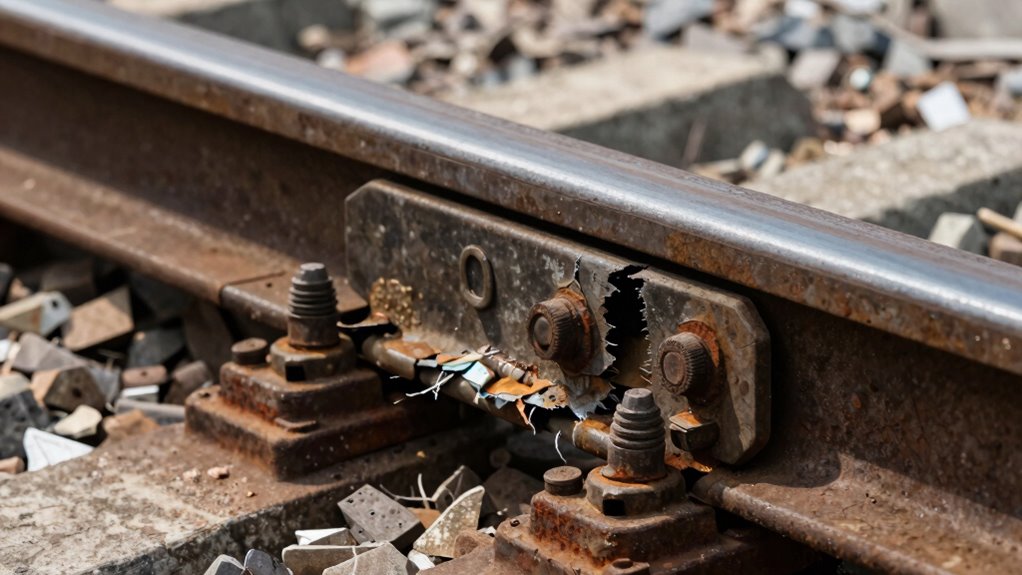
Loose couplers, pins, and fasteners might seem like minor issues, but they can pose serious safety risks if not properly maintained. When these components aren’t secured tightly, they can cause a chain reaction of failures that compromise the entire system. Over time, material fatigue can set in, weakening the parts and making them more prone to slipping or breaking under stress. If you neglect regular inspections or ignore signs of wear, you increase the likelihood of failure during operation. Improper maintenance often leads to these issues, whether through missed tightening, corrosion, or inadequate lubrication. When fasteners aren’t checked periodically, small problems can escalate quickly, turning minor loose parts into major safety hazards.
Material fatigue plays a significant role in why loose couplers, pins, and fasteners become such a risk. Repeated cycles of stress can cause tiny cracks to form in the metal, weakening its structure over time. As fatigue progresses, these cracks grow, reducing the fastener’s holding power. Once a fastener fails, the connected parts can disengage unexpectedly, leading to equipment breakdown or accidents. This process is often invisible during routine inspections, so you might not realize the danger until it’s too late. Regular monitoring and replacing fatigued parts are crucial steps to prevent sudden failures caused by material fatigue. Understanding material fatigue and its effects can help you identify early warning signs and prevent costly failures. Additionally, implementing preventive maintenance strategies can significantly reduce these risks before they manifest during critical operations.
A thorough understanding of fastener durability can further enhance maintenance practices and safety protocols. Furthermore, educating maintenance personnel about the importance of proper fastener installation can help mitigate the risk of loosening over time. Recognizing that early detection is key can lead to more proactive safety measures and reduce the chances of unexpected breakdowns.
As an affiliate, we earn on qualifying purchases.
Frequently Asked Questions
How Do Environmental Factors Affect Loose Fasteners’ Stability?
Environmental factors markedly impact loose fasteners’ stability. Corrosion effects weaken the material, making fasteners more prone to loosening or failure over time. Temperature expansion causes fasteners to expand and contract, which can loosen connections if not properly tightened or designed for these conditions. You should regularly inspect and maintain fasteners, especially in harsh environments, to prevent these factors from compromising their stability and ensuring safety.
What Are the Best Inspection Practices for Detecting Loose Components?
You should regularly perform visual inspections to spot any signs of looseness, such as gaps or movement in couplers, pins, or fasteners. Additionally, use torque measurement tools to verify that fasteners are tightened to the manufacturer’s specifications. Combining these practices helps you detect loose components early, preventing potential failures. Consistent inspections guarantee safety, reduce downtime, and maintain the integrity of your equipment.
Can Loose Couplers Cause Secondary Equipment Damage?
Yes, loose couplers can cause secondary equipment damage. When couplers are loose, vibration effects increase, leading to material fatigue in connected components. Over time, this can weaken parts, cause misalignment, or even lead to catastrophic failure. The additional stresses from vibration accelerate wear and tear, making it essential to regularly inspect and tighten couplers to prevent secondary damage and guarantee equipment longevity.
How Often Should Maintenance Crews Check for Loose Fasteners?
A stitch in time saves nine, so you should check fasteners regularly. Your maintenance crew should inspect them at least weekly, ensuring they meet torque specifications and are properly lubricated with suitable fastener lubricants. Frequent checks prevent loosening, which can lead to equipment failure or accidents. Don’t wait for signs of trouble—proactive maintenance keeps everything running smoothly, reducing risks and saving costs in the long run.
Are There Specific Industries More at Risk From Loose Fastener Failures?
Certain industries, like manufacturing, construction, and aviation, are more at risk from loose fastener failures due to industry-specific hazards. These sectors often have safety protocol variations that emphasize regular inspections and strict fastening procedures. You need to stay vigilant and adhere to these protocols because loose couplers, pins, and fasteners can lead to accidents, equipment damage, or catastrophic failures, especially in high-stakes environments where safety is paramount.
Conclusion
By now, you understand how loose couplers, pins, and fasteners considerably increase your risk of equipment failure and accidents. Did you know that improper fastening contributes to over 30% of machinery-related injuries? Staying vigilant, performing regular checks, and tightening bolts can prevent these hazards. Remember, a small oversight can lead to costly downtime or serious injuries. Keep safety top of mind—secure every fastener to protect yourself and your team.
Halloween Picks
halloween
As an affiliate, we earn on qualifying purchases.