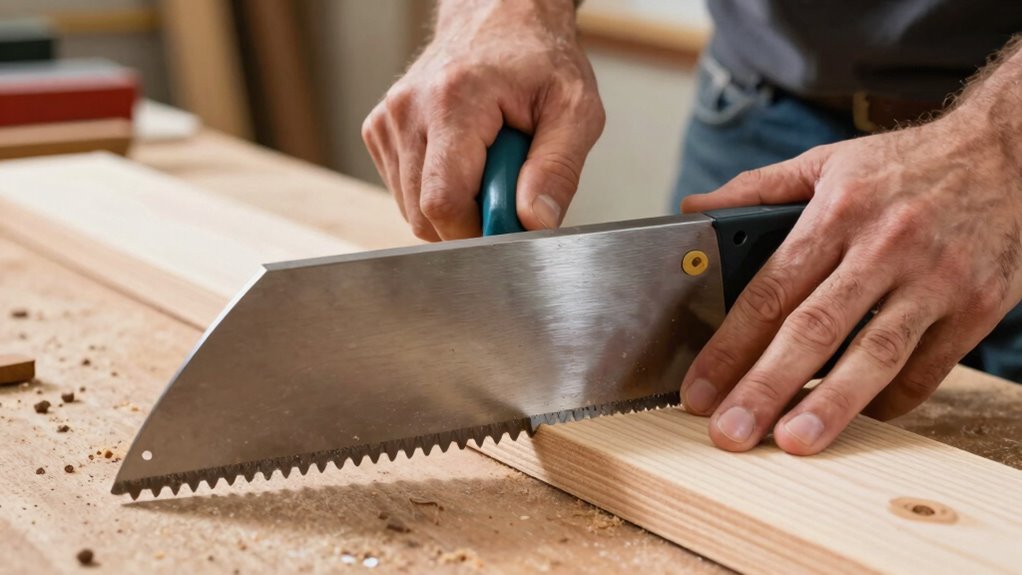
To spot kickback-prone cutting positions quickly, watch for signs like the blade binding, material sagging, or twisting during the cut. Make certain the material is properly supported and avoid narrow or unstable cuts. Pay attention to the cut’s direction and tension on the workpiece, as these increase risk. Being aware of these hazards helps prevent accidents—continue exploring to master safer cutting techniques and stay protected.

Get business pricing on tools and workshop supplies
- Business-only prices and quantity discounts
- Tax-exempt purchasing
- Multiple users, one account, clear invoices
Key Takeaways
- Identify cuts against the grain or making narrow, precise cuts that increase blade binding risk.
- Watch for material sagging, twisting, or uneven support that can cause instability.
- Observe the direction of the cut and tension, noting any material resistance or movement.
- Check for proper support and stability to prevent material shifting during cutting.
- Recognize early signs like blade pinching or unusual resistance to react quickly.
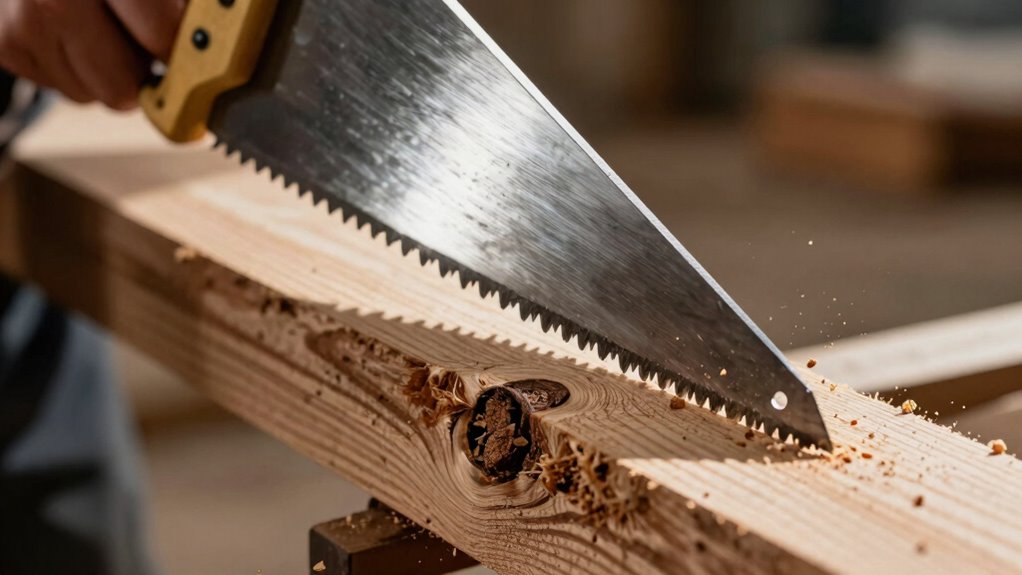
Identifying kickback-prone cutting positions quickly can save you from potential accidents and injuries. When you’re working with power saws or other cutting tools, understanding which positions are most likely to cause kickback helps you stay safe. Kickback happens when the cutting tool suddenly jerks back toward you, often resulting in loss of control or injury. To prevent this, you need to recognize risky positions early and adapt your approach. This means paying close attention to your cutting technique and the orientation of the material you’re working on. Always keep in mind that the most common cause of kickback is improper handling or positioning of the tool and material, so awareness is key. Recognizing signs of blade binding early can also help you react before kickback occurs. One of the best ways to spot kickback-prone positions is to observe the direction of the cut and the tension on the material. When your saw’s blade binds or pinches in the cut, it’s more likely to kick back. If you’re cutting against the grain or trying to make a difficult, narrow cut, you’re increasing the risk. You should also be cautious when your material sags or twists during the cut, as this can cause the blade to catch and lead to kickback. A vital safety precaution is to always guarantee the material is properly supported and secured before starting the cut. Using push sticks or clamps can keep your hands away from the blade, reducing the likelihood of sudden jerks or loss of control. Additionally, understanding the material properties can help you choose the right cutting method and avoid dangerous positions. Proper cutting techniques are essential for minimizing risk and maintaining control throughout the process. Tool maintenance plays a pivotal role in reducing kickback risks. Dull blades or poorly maintained equipment tend to bind or catch, making kickback more probable. Regularly inspecting your tools, sharpening blades when needed, and ensuring all parts are in good working order can prevent many dangerous situations. Proper tool maintenance not only prolongs the lifespan of your equipment but also guarantees safer operation. When your tools are in top condition, they cut smoothly and predictably, minimizing the chances of sudden movements. It’s also helpful to be aware of common kickback scenarios, so you can prepare and adjust your technique accordingly. Additionally, always follow safety precautions recommended by the manufacturer, including checking for damaged cords, loose parts, or other hazards before each use. Being familiar with proper handling techniques is equally important to reduce the likelihood of kickback during any cutting task.
As an affiliate, we earn on qualifying purchases.
Frequently Asked Questions
What Tools Are Best for Identifying Kickback Zones?
You can identify kickback zones most effectively with the right safety gear, like safety glasses and gloves, which help you stay alert and protected. Use hazard zone markers or tape around potential kickback areas to visually alert you. Additionally, tools like a kickback gauge or sensor can help detect risk zones automatically, ensuring you’re aware of danger spots before starting your cut. Always prioritize safety gear and clear hazard zone markings.
How Often Should Safety Inspections Be Conducted?
You should conduct safety inspections regularly—think of it as keeping your finger on the pulse. For ideal safety, inspections should be scheduled based on your equipment’s usage and risk level, typically weekly or monthly. Adhering to consistent inspection frequency and strict safety protocols helps identify kickback-prone zones early. This proactive approach minimizes hazards, ensuring your workspace stays safe and accident-free.
Are There Specific Training Programs for Kickback Prevention?
Yes, there are specific training programs focused on kickback prevention. These programs incorporate detailed training protocols that teach you how to identify kickback-prone cutting positions and apply effective prevention strategies. By participating in these targeted trainings, you learn proper techniques, safety measures, and the importance of vigilance. Regularly updating your skills through such programs helps you minimize risks and operate equipment safely, reducing the chances of kickback incidents.
What Are Common Signs of an Imminent Kickback?
You’ll notice signs like the saw jerking unexpectedly or the blade kicking back toward you, which indicate imminent kickback. Pay attention to kickback causes such as improper feed or misaligned safety gear, which increase risks. Always wear safety gear like gloves and eye protection, and stay alert to these signs. Recognizing these cues early helps you stop the saw and prevent injury before kickback occurs.
How Does Blade Type Influence Kickback Risk?
Did you know that using the right blade can reduce kickback risk by up to 50%? Blade type greatly influences blade safety and cutting techniques, with dull or improper blades more prone to causing kickback. For safer cuts, choose the correct blade for your material, maintain sharpness, and follow proper cutting techniques. Always inspect your blade before starting, as the right choice minimizes hazards and enhances control during your projects.
Conclusion
By mastering how to identify kickback-prone cutting positions quickly, you can markedly improve safety in your workspace. Did you know that improper positioning accounts for nearly 30% of woodworking injuries? Staying alert and recognizing these risky spots can prevent accidents before they happen. Remember, taking just a few seconds to assess your setup can save you from costly injuries, making your work both safer and more efficient. Stay vigilant and cut confidently!
Fall Picks
fall essentials
As an affiliate, we earn on qualifying purchases.