
TL;DR

Get business pricing on tools and workshop supplies
- Business-only prices and quantity discounts
- Tax-exempt purchasing
- Multiple users, one account, clear invoices
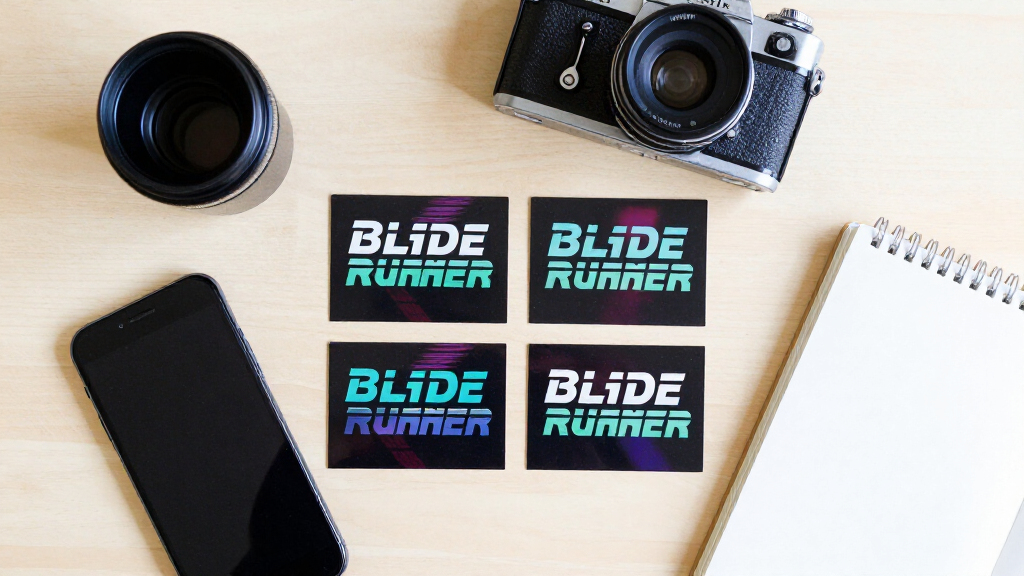
The title cards in Blade Runner are receiving widespread acclaim for their striking visual design. Experts and fans praise how these elements enhance the film’s atmosphere and narrative tone.
Fans and critics are praising the title cards in Blade Runner for their exceptional visual design, considering them a key element that elevates the film’s aesthetic and narrative tone. The recognition highlights the importance of title sequences in establishing atmosphere in classic cinema, with many citing these cards as a standout feature.
Multiple sources, including film critics and fan communities, have highlighted the visual quality and design of the title cards in Blade Runner. These title cards, which appear at the beginning and throughout the film, are praised for their futuristic yet gritty aesthetic that complements the film’s dystopian setting.
Design experts and film historians note that the title cards contribute significantly to the immersive experience of the movie, setting the tone for the narrative and enhancing its atmospheric depth. The cards are characterized by stylized typography, neon-inspired visuals, and a distinctive color palette that aligns with the film’s visual language.
While the film’s visual effects and set design have long been celebrated, the focus on the title cards’ quality underscores their role in storytelling and mood-setting. Many fans argue that these elements are often overlooked but are crucial in creating the iconic look of Blade Runner.
Why The Title Cards Elevate Blade Runner’s Visual Identity
The praise for Blade Runner’s title cards underscores their importance in creating a cohesive visual experience that defines the film’s identity. These elements contribute to the immersion and mood that have made the film a benchmark in science fiction cinema. Recognizing their quality highlights the value of thoughtful design in film branding and storytelling, inspiring future filmmakers to pay attention to even minor visual details.
Products Worth Considering

Philips Hue Festavia 65-Foot Smart LED String Lights, 250 Color-Changing Mini LEDs

eufy Security 5-Piece Home Alarm Kit

Blueair Blue Pure 511i Max Smart Air Purifier
As an affiliate, we earn on qualifying purchases.
Historical and Artistic Context of Blade Runner’s Title Cards
Blade Runner, directed by Ridley Scott and released in 1982, is renowned for its distinctive visual style that blends noir aesthetics with futuristic elements. The film’s title cards, designed with neon effects and stylized typography, reflect the film’s cyberpunk influences and help establish its dystopian atmosphere. Though often celebrated for its visual effects, the title cards have historically received less attention, making recent praise notable.
Designers involved in the film’s production aimed to create a consistent aesthetic language that would reinforce the narrative themes of technology, decay, and urban chaos. The title cards serve as visual markers that transition viewers into this world, making their quality and style a point of interest among cinephiles and historians.
What Specific Elements Make Blade Runner’s Title Cards Stand Out?
It is not yet clear whether all versions of the film or its remastered editions feature the same quality of title cards, or if recent restorations have enhanced their visual presentation. The extent of influence these cards have on modern sci-fi design remains a topic of discussion among critics.Future Discussions and Potential Re-releases of Blade Runner’s Visuals
Further analysis of Blade Runner’s title cards may influence future film restorations or re-releases, emphasizing their importance in cinematic design. Fans and critics may also continue to spotlight these elements in retrospectives or academic studies, reinforcing their role in the film’s enduring legacy.
Key Questions
Why are Blade Runner’s title cards considered so visually impressive?
They feature stylized typography, neon-inspired visuals, and a distinctive color palette that align with the film’s cyberpunk aesthetic, enhancing atmosphere and storytelling.
Have the title cards been changed in different versions of Blade Runner?
It is not yet confirmed whether all versions or remasters maintain the same quality or style of the original title cards, but recent discussions suggest they remain a highlight.
What influence have Blade Runner’s title cards had on other films?
The design elements of Blade Runner’s title cards have inspired visual motifs in other sci-fi films, especially in cyberpunk and dystopian genres, emphasizing their lasting impact.
Are the title cards used in other Ridley Scott films similarly praised?
While some of Scott’s other works feature notable title sequences, Blade Runner’s title cards are often singled out for their distinctive style and atmospheric contribution.
Source: hn