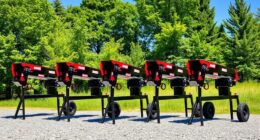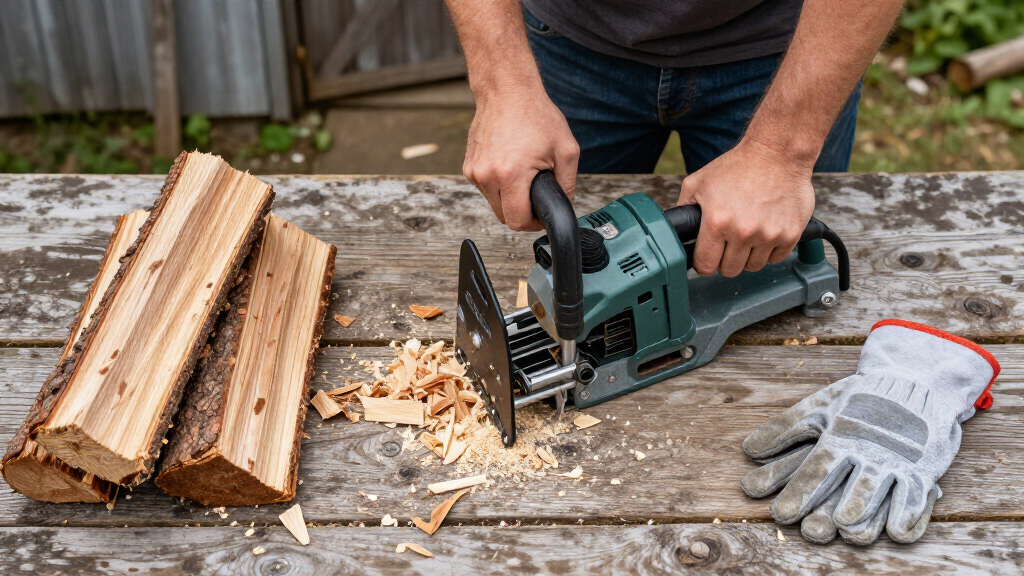
Electric log splitters trade raw power for convenience, and the real question is how much tonnage you actually need for the wood you burn. For most homeowners, the PROYAMA 7-Ton with Cross Wedge hits the sweet spot: enough force for seasoned hardwood, a 4-way wedge that cuts cycle counts, and a price that stays reasonable. If your budget is tighter, the VEVOR 6.5-Ton and BILT HARD 6.5-Ton with Stand deliver comparable splitting force at a lower cost, giving up some build refinement and wedge versatility. At the other end, the 16-Ton Brushless model and BILT HARD 14-Ton with 2-Stage Pump handle gnarly, knotty rounds that stall 6.5-ton machines, but they cost and weigh more. The main tradeoff in this category is between affordability and versatility on the small end versus raw splitting authority on the big end. Keep reading for the full breakdown of all 15 models.
Complete the kit



Key Takeaways
- The 6.5–7 ton class dominates this lineup because it handles seasoned firewood for a typical household stove at the lowest price point — but knotty hardwood rounds stall these machines, which is where the 14–16 ton picks earn their premium.
- Wedge design matters as much as tonnage: models with 4-way or cross wedges (PROYAMA 7-Ton, the 6.5-Ton 4-Way Wedge model, the Foot Pedal model) split one log into four pieces per cycle, effectively halving your work time.
- A stand is a make-or-break feature, not a luxury — the BILT HARD with Stand and PROYAMA with Stand save your back, while ground-level units like the YARDMAX YS0650 force you to kneel or bend for every log.
- Brushless motors (the 16-Ton model) and 2-stage pumps (BILT HARD 14-Ton) are the two technologies that genuinely justify paying more, extending motor life and speeding cycle times respectively.
- Several 6.5–7 ton models in this roundup are nearly identical on paper (1500W/15A, similar capacity); they differentiate mainly on stands, wedge options, warranty, and wheel design — so price and included accessories should drive the final call.


| electric log splitter | Splitting Force | Max Log Length | Max Log Diameter | Weight |
|---|---|---|---|---|
| PROYAMA 7-Ton Electric Log Spl | 7 tons | 20.5 inches | 10 inches | 110 pounds |
| VEVOR Electric Log Splitter | 6.5 tons | 20 inches | 9.8 inches | 99.2 pounds |
| PowerSmart Electric Log Splitt | 7 tons | 20 inches | 10 inches | 101 pounds |
| Electric Log Splitter 6.5-Ton | 6.5 tons | 20.5 inches | 9.8 inches | 110 pounds |
| PPOLB 7 Ton Electric Log Split | — | 21.2 inches | 12 inches | 108 pounds |
| SuperHandy Hydraulic Log Split | 14 tons | — | — | 126 lbs |
| PPOLB 7 Ton Electric Log Split | — | — | — | 112.4 lbs |
| 16-Ton Electric Log Splitter w | 16 tons | — | — | — |
| BILT HARD 6.5 Ton Electric Log | 6.5 tons | 20.5 inches | 9.8 inches | — |
| BILT HARD 6.5 Ton Electric Log | 6.5 tons | 20.5 inches | 9.8 inches | — |
| PROYAMA 7 Ton Electric Log Spl | 7 tons | 20.5 inches | 10 inches | — |
| PowerSmart Electric Log Splitt | 6.5 tons | 20 inches | 10 inches | 108 pounds |
| 7-Ton Electric Log Splitter wi | 7 tons | 22 inches | — | — |
| YARDMAX YS0650 6.5 Ton Electri | 6.5 tons | 20.5 inches | 10 inches | 104.7 pounds |
| BILT HARD 14 Ton Electric Log | 14 tons | 20 inches | 16 inches | — |
More Details on Our Top Picks
PROYAMA 7-Ton Electric Log Splitter with 15A Motor and Cross Wedge
The PROYAMA 7-Ton earns the top spot because it solves the problem that sinks most electric splitters in this class: throughput. The included cross wedge splits logs into multiple pieces in a single pass, where the VEVOR 6.5-Ton requires re-splitting rounds one face at a time. At 2700W, it also has the most aggressive motor in this batch, and the optional 34-inch stand means you can work at a comfortable height instead of crouching — a genuine back-saver that the PowerSmart and PPOLB models don’t offer. The tradeoff is weight and power demands: at 110 pounds, moving it around solo is a chore, and that motor will trip weak circuits. For a homeowner processing a face cord or two each season, though, this pick makes the most sense for balancing force, speed, and ergonomics.
Pros:- 2700W motor is the strongest in this batch
- Cross wedge splits into multiple pieces per pass
- Optional 34-inch stand reduces back strain
- Two-hand safety controls keep hands clear of the ram
Cons:- 110-pound weight makes solo repositioning difficult
- High wattage can trip standard household circuits
- Splitting force still caps out at 10-inch diameter logs
Best for: Homeowners splitting several cords of firewood per season who want stand-height work and faster multi-piece splits
Not ideal for: Buyers on 15-amp shared circuits or tight storage spaces — it’s the heaviest splitter here and power-hungry
- Motor Power:2700W / 15A
- Splitting Force:7 tons
- Max Log Diameter:10 inches
- Max Log Length:20.5 inches
- Weight:110 pounds
- Wheels:5.5-inch never-flat
- Stand:Optional 34-inch stand included
Our verdict“If you only buy one splitter for regular firewood duty, this is the most complete package — provided your circuit and your back can handle it.”
VEVOR Electric Log Splitter, 6.5 Tons, 1500W Motor, Portable Firewood Splitter with Wheels
Value means getting the fundamentals right without paying for extras, and the VEVOR 6.5-Ton does exactly that. You get the same core splitting performance as the pricier PPOLB 7-Ton — a 9.8-inch diameter capacity and a full 20-inch length bed — at a lower price point, because you’re skipping the stand and the slightly larger capacity. Compared with the PowerSmart 7-Ton, the VEVOR’s tighter footprint (under 11 inches deep) makes it far easier to store in a garage corner between seasons. The real compromise is the cord restriction: VEVOR specifies an extension cord no longer than 50 feet, which anchors you to an outdoor outlet within reach. That’s workable for suburban yards but frustrating on larger properties. This option stands out for buyers who want a dependable workhorse at the lowest sensible price, not a feature showcase.
Pros:- Same core capacity as pricier rivals at a lower price
- Slim 10.8-inch depth stores easily in a garage
- Quiet, zero-emission electric operation
- Two-hand controls standard at this price
Cons:- 50-foot extension cord limit restricts placement
- 9.8-inch diameter ceiling struggles with big rounds
- No stand included — expect to work at ground level
Best for: Budget-minded homeowners with an outdoor outlet near their woodpile who want reliable 6.5-ton performance cheaply
Not ideal for: Rural properties where the woodpile sits far from power — the 50-foot cord limit is a hard constraint
- Splitting Force:6.5 tons
- Motor Power:1500W
- Max Log Diameter:9.8 inches
- Max Log Length:20 inches
- Wheels:6-inch transport wheels
- Weight:99.2 pounds
- Dimensions:37.4 x 10.83 x 18.19 inches
Our verdict“The cheapest way into dependable electric splitting without meaningful performance sacrifice — as long as your outlet is close.”
PowerSmart Electric Log Splitter, 7-Ton with 15 Amp Motor
First-time splitter buyers need two things: simple operation and a safety net if something goes wrong, and the PowerSmart 7-Ton delivers both. The 20-second cycle time is forgiving — slower than the 18-second pace of the 6.5-Ton 4-Way Wedge model, which actually helps novices learn the rhythm of loading and splitting without feeling rushed. The 2-year warranty is the longest backing in this batch and matters most for someone unsure whether electric splitting will work for their wood. Compared with the VEVOR, you get a bit more rated force, but the mixed 3.9-star rating signals quality-control inconsistency, so that warranty isn’t just marketing — you may need it. This model is better suited to occasional users splitting a few face cords than anyone on a weekly schedule.
Pros:- 2-year warranty — the longest coverage in this batch
- 20-second cycle time is easy for beginners to manage
- Compact, wheeled frame for simple transport
- Clean, quiet, fume-free operation
Cons:- Mixed 3.9/5 customer rating suggests inconsistent quality
- Light-duty build limits workload
- 10-inch diameter cap matches, not beats, rivals
Best for: First-time buyers testing whether an electric splitter fits their routine, backed by a 2-year warranty
Not ideal for: Heavy-duty users — light-duty construction and mixed owner reviews make it a gamble for frequent work
- Motor:15 Amp
- Splitting Force:7 tons
- Max Log Length:20 inches
- Max Log Diameter:10 inches
- Cycle Time:20 seconds
- Weight:101 pounds
- Warranty:2 years
- Dimensions:37.4 x 10.6 x 18.49 inches
Our verdict“A reasonable starter machine with real warranty protection, but step up to the PROYAMA if you expect to split every weekend.”
Electric Log Splitter 6.5-Ton, 1500W 15-Amp, 4-Way Wedge Hydraulic
When your bottleneck is time rather than force, this 6.5-ton splitter’s 4-way wedge changes the math. Instead of one split per cycle, you get four pieces — so its 18-second cycle effectively out-produces the PowerSmart‘s faster-sounding 20-second single splits by a wide margin on stove-ready wood. The ergonomic two-hand control is positioned to reduce fatigue during long sessions, which pairs well with the wedge’s efficiency. Where it falls short is credibility: a 3-out-of-5 average rating is the weakest owner sentiment in this lineup, meaning the speed advantage comes with assembly and reliability complaints you won’t see on the PROYAMA. It also shares the 9.8-inch diameter ceiling of the VEVOR, so large rounds still need pre-splitting by hand or axe. This pick makes the most sense for someone processing seasoned, moderate-diameter wood in volume and willing to accept some quality risk for throughput.
Pros:- 4-way wedge quadruples output per cycle
- Fastest cycle time in this batch at 18 seconds
- Heavy-duty steel frame with ergonomic two-hand control
- Quiet, emission-free operation
Cons:- Weakest customer rating of the group at 3/5 stars
- 9.8-inch diameter limit excludes larger rounds
- 110-pound weight complicates transport
Best for: Users processing seasoned, medium-diameter logs in bulk who prioritize pieces-per-hour over brute force
Not ideal for: Buyers who prioritize reliability or handle green, wide rounds — the 3/5 rating and 9.8-inch cap both bite here
- Power:1500W / 15-Amp / 120V
- Splitting Force:6.5 tons
- Max Log Diameter:9.8 inches
- Max Log Length:20.5 inches
- Cycle Time:18 seconds
- Wedge:4-way cross wedge
- Weight:110 pounds
- Dimensions:39 x 18 x 11 inches
Our verdict“The fastest firewood factory on this list if the sample you receive works — buy with a return window in mind.”
PPOLB 7 Ton Electric Log Splitter, 15Amp Hydraulic Power, Portable for Firewood and Hardwood
Splitting oak and maple is a diameter game, and the PPOLB 7-Ton plays it better than anything else in this batch with a 12-inch diameter capacity — a full two inches more than the PROYAMA or PowerSmart. Its 21.2-inch bed is also the longest here, so fewer trimming cuts before loading. What you give up versus the 6.5-Ton 4-Way model is speed: there’s no multi-piece wedge, so dense hardwood rounds take multiple single passes, and there’s no adjustable splitting speed to tune your pace. The 1500W motor is modest relative to that larger capacity, so expect slower, steadier work on truly gnarly crotches rather than fast pop-throughs. Compared with the VEVOR, this option stands out for the buyer whose woodpile is heavy on dense species rather than soft pine and birch.
Pros:- Largest diameter capacity in this batch at 12 inches
- Longest log bed at 21.2 inches
- Durable steel build with sturdy transport wheels
- Two-hand safety control standard
Cons:- 1500W motor strains against its own 12-inch capacity on green hardwood
- No wedge accessory means multiple passes per round
- 108-pound weight limits solo mobility
Best for: Homeowners burning dense hardwoods like oak and maple who regularly face wide rounds
Not ideal for: Softwood splitters in a hurry — no 4-way wedge and no speed adjustment make it slower than wedge-equipped rivals
- Hydraulic Power:7 tons
- Motor:1500W / 15Amp
- Max Log Diameter:12 inches
- Max Log Length:21.2 inches
- Weight:108 pounds
- Dimensions:39.37 x 19.29 x 11.61 inches
Our verdict“The capacity leader for dense hardwood rounds, if you accept a slower single-split workflow to get it.”
SuperHandy Hydraulic Log Splitter, 14 Ton, Portable Firewood Splitter
Among the electric splitters in this roundup, this model sits near the top for raw capability, and the 14-ton hydraulic force is the reason. Where the BILT HARD 6.5 Ton units tap out at 9.8-inch diameters, the SuperHandy handles logs up to 14 inches across and 20 inches long, which means fewer rounds get set aside for the axe. The two-stage 10.5 GPM Bucher gear pump keeps cycle time around 16 seconds — faster than the 16-ton competitor’s 18 seconds. Tradeoffs exist: at 126 lbs it’s one of the heaviest here, and it arrives without hydraulic fluid, so expect a setup session before the first split. Compared with similar tonnage options, the quieter 65 dB operation and indoor-safe, fume-free design make it a stronger fit for garages and workshops.
Pros:- 14-ton force handles hardwoods that stall 6.5-ton units
- Fast 16-second cycle time beats most rivals
- Quiet 65 dB operation safe for indoor use
- 2-stage Bucher pump is a proven, durable hydraulic design
Cons:- Ships without hydraulic fluid, requiring purchase and setup before first use
- 126 lb weight makes loading and repositioning a two-person job at times
Best for: Suburban homeowners heating with wood who regularly split knotty hardwoods too big for entry-level 6.5-ton splitters
Not ideal for: Anyone wanting plug-and-play convenience — the missing hydraulic fluid and manual setup mean it’s not ready out of the box
- Splitting Force:14 tons
- Motor:1.5 HP 1800W electric
- Hydraulic System:2-stage 10.5 GPM Bucher gear pump
- Max Log Size:20 in. long x 14 in. diameter
- Cycle Time:16 seconds
- Noise Level:65 dB
- Weight:126 lbs
Our verdict“This is the pick for buyers who have outgrown small electric splitters but still want fume-free, quiet operation.”
PPOLB 7 Ton Electric Log Splitter, 15Amp Hydraulic Firewood Splitter with Detachable Cross Blade
What separates this PPOLB from the crowd of nearly identical 7-ton units like the PowerSmart and PROYAMA models is the detachable cross blade cutter head. That four-way splitting capability turns one ram stroke into multiple wedges, which genuinely matters when you’re processing a cord of firewood on a weekend. The 7-ton hydraulic force is a meaningful step up from the 6.5-ton BILT HARD units, giving extra headroom on tough crotch pieces, though it’s nowhere near the SuperHandy’s 14-ton muscle. It rolls on transport wheels despite weighing 112 lbs, and the electric motor runs clean enough for a garage or covered porch. The honest drawback: customer satisfaction sits around 4/5, suggesting some quality inconsistency, and it’s tethered to an outlet like every splitter here.
Pros:- Detachable cross blade enables faster four-way splitting
- 7-ton force offers headroom over 6.5-ton rivals
- Compact footprint fits garages and sheds easily
- Fume-free electric operation for enclosed spaces
Cons:- 112 lb weight still requires care when moving across uneven ground
- Moderate 4/5 customer satisfaction suggests variable build quality
Best for: Firewood processors who want to quarter rounds in a single pass instead of re-splitting every piece
Not ideal for: Buyers who prioritize proven reliability — the moderate 4/5 review average hints at inconsistent quality control
- Hydraulic Power:7 tons
- Motor:1500W / 15 Amp electric
- Dimensions:39.37 x 19.29 x 11.61 inches
- Weight:112.4 lbs
- Blade:Detachable cross blade cutter head
- Design:Portable horizontal with transport wheels
Our verdict“Choose this if the four-way blade saves you time on every log; skip it if rock-solid reliability records matter most.”
16-Ton Electric Log Splitter with 21″ x 16″ Capacity, 17.5Amp Brushless Motor
This is the most capable splitter in this batch, and the gap is obvious: 16 tons of force against the SuperHandy’s 14 and the BILT HARD units’ 6.5. That translates directly into capacity — logs up to 21 inches long and 16 inches in diameter — so large rounds from mature oaks or maples go through without pre-cutting. The 17.5-amp brushless induction motor is a genuine durability advantage over the brushed motors in the cheaper options, since brushless designs run cooler and last longer under repeated use. The tradeoffs are real though: the manufacturer doesn’t publish the weight, which is rarely a good sign for one-person maneuvering, and it’s rated for residential and light commercial use only — not a farm workhorse. Cycle time is a respectable 18 seconds, and overload protection adds peace of mind on a machine this powerful.
Pros:- Class-leading 16-ton force handles the largest logs in this roundup
- Brushless motor runs cooler and outlasts brushed designs
- Handles 21-inch-long, 16-inch-diameter rounds without re-cutting
- Overload protection safeguards the motor during heavy sessions
Cons:- Unpublished weight makes portability claims hard to verify
- Light-commercial rating means it’s not built for daily professional duty
Best for: Serious homeowners or side-business firewood sellers who need the highest electric splitting capacity available
Not ideal for: Casual users burning a few face cords a year — this is overkill and likely overpriced for occasional splitting
- Splitting Force:16 tons
- Motor:17.5 Amp / 1600W brushless induction
- Max Log Size:21 in. long x 16 in. diameter
- Cycle Time:18 seconds
- Hydraulic Pump:Two-stage gear pump
- Noise Level:65 dB
- Wheels:8-inch transport wheels
- Safety:Overload protection
Our verdict“Buy it if you need maximum electric splitting muscle and brushless longevity; skip it if a 6.5-ton unit already covers your log sizes.”
BILT HARD 6.5 Ton Electric Log Splitter, 15Amp Hydraulic Firewood Splitter
For straightforward firewood duty at a friendly price, this BILT HARD covers the basics well. The 6.5-ton ram splits logs up to 20.5 inches long — the same length capacity as the pricier SuperHandy — though the 9.8-inch diameter limit means big rounds need halving with a maul first. Compared with the PPOLB 7 Ton, it gives up half a ton of force but typically costs less, and the two-hand safety controls keep fingers clear of the wedge, a feature worth having for anyone new to splitters. The 18-second cycle time matches the 16-ton premium model’s pace. Two caveats deserve attention: it wants a 40-amp circuit breaker for reliable operation, which may mean a dedicated outlet, and the warranty is a short 90 days — thin coverage compared with brands offering a year or more.
Pros:- Handles full 20.5-inch log lengths like larger splitters
- Two-hand safety controls protect inexperienced operators
- Fume-free, quiet operation works in garages and sheds
- Wheeled design rolls easily across flat ground
Cons:- 9.8-inch diameter limit excludes many mature-tree rounds
- 90-day warranty is the shortest coverage in this lineup
- Needs a 40-amp circuit for optimal performance
Best for: Budget-minded homeowners splitting a few cords of seasoned softwood or small-diameter hardwood per year
Not ideal for: Anyone splitting large-diameter or green hardwood rounds — the 9.8-inch diameter ceiling will force constant pre-splitting
- Splitting Force:6.5 tons
- Motor:15 Amp electric
- Max Log Diameter:9.8 inches
- Max Log Length:20.5 inches
- Cycle Time:18 seconds
- Wheels:5.7-inch transport wheels
- Safety:Two-hand controls
Our verdict“A sensible budget pick for small-to-medium seasoned logs, as long as your outlets and warranty expectations can flex.”
BILT HARD 6.5 Ton Electric Log Splitter with Stand
Functionally, this is the same 6.5-ton splitter as its stand-less BILT HARD sibling — same 15-amp motor, same 9.8-inch diameter and 20.5-inch length capacity, same 18-second pace. The reason it earns a separate slot is the integrated stand raising the working height to 33 inches. That single change transforms the experience: instead of crouching or kneeling to load logs at ground level, you work at near-counter height, which matters enormously over a two-hour splitting session. Compared with the YARDMAX YS0650 and other low-slung rivals, this is the more back-friendly choice for anyone with mobility limits. It still demands a 40-amp circuit, and the diameter ceiling remains the binding constraint for large rounds. If you’re torn between the two BILT HARD models, the stand version costs a bit more but pays it back every time you avoid bending over.
Pros:- 33-inch working height eliminates constant bending and kneeling
- Same dependable 6.5-ton ram and 20.5-inch length capacity as the base model
- Stand plus wheels makes positioning and use easier on flat yards
- Quiet, fume-free motor suits garage and covered-porch use
Cons:- 40-amp circuit requirement may rule out standard household outlets
- 9.8-inch diameter limit still caps it at smaller rounds
Best for: Older homeowners or anyone with back or knee problems who wants comfortable waist-height splitting without giving up electric convenience
Not ideal for: Buyers with limited storage space — the stand adds bulk where a flat splitter tucks under a shelf
- Splitting Force:6.5 tons
- Motor:15 Amp / 120V electric
- Max Log Diameter:9.8 inches
- Max Log Length:20.5 inches
- Working Height:33 inches (with stand)
- Portability:Wheels with integrated stand
Our verdict“The right 6.5-ton choice if ergonomics matter more than saving a few dollars — your back will notice the difference.”
PROYAMA 7 Ton Electric Log Splitter with Stand
The stand is what sets this PROYAMA 7-ton apart from ground-level rivals like the YARDMAX YS0650, which forces you to crouch over every log. Working at waist height means you can split a full cord without your back registering a complaint — a real outcome, not a marketing line. The 2700W motor and 45° wedge handle seasoned hardwood up to 10 inches, and the never-flat 5.5-inch wheels on the stand itself make repositioning easier than on most stand-equipped units. The tradeoff: the stand adds bulk, so buyers with tight shed space may find the low-profile PowerSmart 6.5-ton easier to stash. Compared with the PROYAMA Cross Wedge model in this roundup, this one trades wedge versatility for a stable working height — I’d call that a fair swap for anyone splitting regularly.
Pros:- Elevated stand eliminates crouching and back strain
- 2700W motor delivers genuine 7-ton force on seasoned hardwood
- Never-flat wheels mounted on the stand for easier repositioning
- Fume-free, quiet electric operation suitable for garages
Cons:- 10-inch diameter ceiling rules out large rounds
- Stand assembly and overall weight make solo loading onto a truck difficult
Best for: Homeowners over 40 or anyone with back or knee issues who splits firewood weekly and wants waist-height operation
Not ideal for: Buyers with very limited storage space — the stand makes it taller and bulkier than flat-beam splitters
- Splitting Force:7 tons
- Motor Power:2700W
- Max Log Diameter:10 inches
- Max Log Length:20.5 inches
- Wedge Angle:45 degrees
- Wheels:Never-flat, 5.5-inch, adjustable
- Stand:Heavy-duty with wheels and handles
Our verdict“If back pain has kept you from processing your own firewood, this stand-mounted 7-tonner is the most ergonomic choice in the lineup.”
PowerSmart Electric Log Splitter, 6.5-Ton, 15 Amp, Horizontal Full Beam Design
At 108 pounds with a full steel beam and a 20-second cycle time, this PowerSmart 6.5-ton delivers the core splitting experience without paying for extras you may never use. Where the BILT HARD 14-ton justifies its premium with brute force, this model argues that most suburban firewood needs — splitting pre-cut 20-inch logs for a fireplace or fire pit — simply don’t require 14 tons. The horizontal full beam design keeps the ram aligned under load, and the two-year warranty is longer coverage than most budget splitters in this price bracket offer. The honest tradeoff: gnarly, knotted oak rounds or anything over 10 inches in diameter will stall it, and stubborn pieces may need a second pass or a maul. Think of it as a weekend tool, not a workhorse.
Pros:- Two-year warranty beats most competitors at this price
- Full steel beam construction resists flexing under load
- 20-second cycle time is respectable for the class
- Wheels and handle make the 108-pound unit manageable to move
Cons:- Light-duty rating means knotty hardwood can defeat it
- 10-inch diameter limit excludes many raw rounds
Best for: Budget-conscious homeowners who burn a few face cords a season and split mostly straight-grained, pre-cut logs
Not ideal for: Anyone heating a home primarily with wood — the 6.5-ton force and 20-inch length cap will bottleneck high-volume processing
- Splitting Force:6.5 tons
- Motor Power:15 Amp
- Max Log Length:20 inches
- Max Log Diameter:10 inches
- Cycle Time:20 seconds
- Dimensions:37.4 x 10.6 x 18.1 inches
- Weight:108 pounds
- Warranty:2 years
Our verdict“The smartest spend for occasional splitters who want dependable performance without paying for tonnage they’ll never need.”
7-Ton Electric Log Splitter with Upgraded Foot Pedal and 4-Way Cross Wedge
The 4-way cross wedge is the headline here: each ram stroke quarters a log in one pass instead of requiring repeated re-splits — effectively halving your time compared with single-wedge units like the PROYAMA 7-ton with stand. Add the 22-inch splitting bed, the longest in this batch, and you can feed longer pieces than the 20-inch caps on the YARDMAX YS0650 or either BILT HARD model. The foot pedal operation is a genuine ergonomic plus, freeing both hands for log positioning. The 28MPa hydraulic system running off a 3HP motor backs the 7-ton claim with real pressure. Honest caveats: the 4-way wedge works best on clean, straight-grained wood — knotty crotches still need the standard wedge — and the unit’s weight makes loading it solo a two-person job at minimum.
Pros:- 4-way wedge quarters logs in one stroke for real time savings
- 22-inch bed is the longest capacity in this lineup
- Foot pedal frees both hands for safer log handling
- 18-second cycle time is quickest among 7-ton peers here
Cons:- Heavy unit that’s genuinely difficult to move or load alone
- 4-way wedge underperforms on knotty or irregular wood
Best for: Firewood producers processing several cords a season who want quartered splits in a single stroke
Not ideal for: Users who mostly split irregular, knotty, or twisted logs — the 4-way wedge shines on clean grain and struggles otherwise
- Splitting Force:7 tons
- Motor Power:3 HP
- Hydraulic Pressure:28 MPa (4000+ PSI)
- Max Log Length:22 inches
- Cycle Time:18 seconds
- Wedge System:Standard plus 4-way cross wedge
- Controls:Ergonomic foot pedal
- Portability:Rugged wheels with towing handle
Our verdict“The throughput pick for volume splitters — one-stroke quartering turns a weekend chore into an afternoon task.”
YARDMAX YS0650 6.5 Ton Electric Log Splitter
The YARDMAX YS0650 wins on trust and simplicity rather than spec-sheet fireworks. It undercuts the foot-pedal 7-ton model on features — no cross wedge, no pedal — but YARDMAX has an established dealer and parts network that no-name imports can’t match, which matters the season something wears out. At 104.7 pounds it’s the lightest full-size splitter in this batch, a few pounds under the PowerSmart 6.5-ton, and that difference shows when rolling it across soft ground. It accepts 20.5-inch logs up to 10 inches in diameter, comfortably covering standard firewood lengths. The drawbacks are the flip side of simplicity: there’s no adjustable splitting speed, and seasoned hardwood at the upper diameter limit will test the 6.5-ton rating. For a first splitter bought with confidence rather than bargain-hunting, this makes more sense than gambling on an unfamiliar brand.
Pros:- Established brand with dealer network and parts support
- Lightest unit in this batch at 104.7 pounds
- Clean, quiet electric operation safe for garage use
- Straightforward design with almost no learning curve
Cons:- No adjustable splitting speed or advanced features
- 6.5-ton force strains on 10-inch seasoned hardwood rounds
Best for: First-time buyers who value brand support and parts availability over cutting-edge features
Not ideal for: Impatient splitters working through big stacks — no speed adjustment and a modest tonnage rating slow high-volume sessions
- Splitting Force:6.5 tons
- Power Source:Electric
- Max Log Length:20.5 inches
- Max Log Diameter:10 inches
- Weight:104.7 pounds
- Package Dimensions:43 x 21 x 13 inches
Our verdict“The low-risk entry point for splitter first-timers who’d rather buy from a known name than chase the cheapest listing.”
BILT HARD 14 Ton Electric Log Splitter, 15 Amp Hydraulic Firewood Splitter with 2-Stage Pump, 20 Inch Log Capacity
Nothing else in this batch touches the BILT HARD’s 14 tons of force — it doubles the output of the YARDMAX YS0650 and PowerSmart 6.5-ton, and the gap shows immediately on twisted elm, crotch wood, and 16-inch rounds that stall lesser machines. The 2-stage hydraulic pump is the quiet differentiator: it moves the ram fast under no load and shifts to high pressure only when resistance hits, so you’re not waiting on a slow ram between logs. Log capacity of 16 inches in diameter versus the 10-inch caps everywhere else here means you can split rounds straight off the truck. Compared with the SuperHandy 14-ton elsewhere in this roundup, the 1.45-gallon reservoir and two-hand safety controls are comparable — the real decision is price and availability. The cost: weight, bulk, and a household outlet requirement that keeps it tethered.
Pros:- 14-ton force handles knotty hardwood that stalls 6.5-ton machines
- 2-stage pump keeps cycle times fast when unresisted
- 16-inch diameter capacity dwarfs the 10-inch class standard
- Two-hand operation and overload protection add real safety margin
Cons:- Heavy steel construction makes repositioning a genuine chore
- Tethered to a 120V outlet — no remote woodpile splitting without long cords
Best for: Serious homesteaders and wood-stove households that split gnarly hardwood and large-diameter rounds every season
Not ideal for: Light users with small firewood needs — the price, weight, and footprint are wasted on a few fireplace loads a year
- Splitting Force:14 tons
- Motor Power:15 Amp / 1800W
- Voltage:120V
- Max Log Length:20 inches
- Max Log Diameter:16 inches
- Hydraulic Pump:2-stage
- Hydraulic Oil Reservoir:1.45 gallons
Our verdict“The maximum-power pick in this lineup — worth it only if your woodpile regularly defeats smaller splitters.”
How We Picked
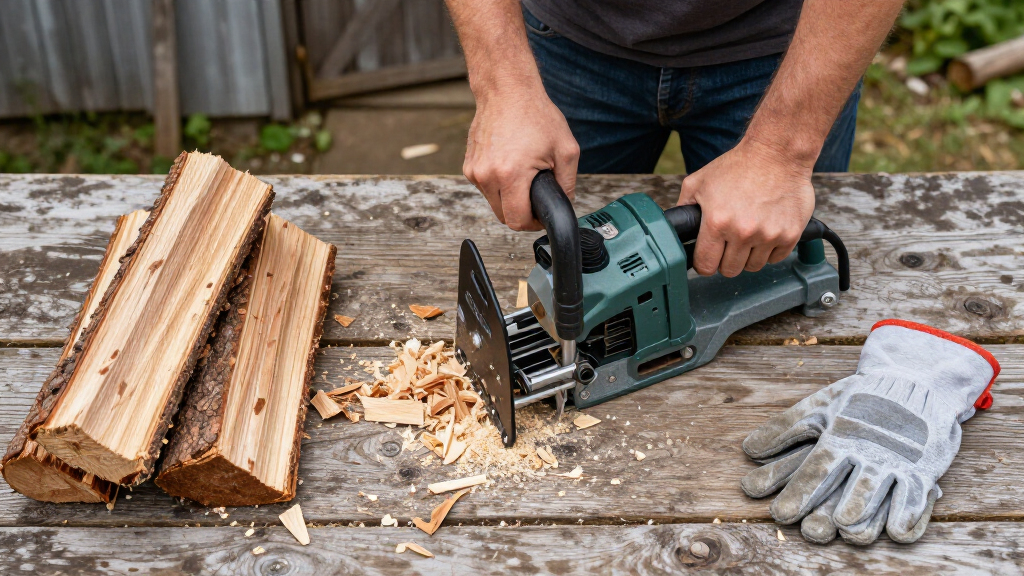
My ranking logic starts with splitting force matched to realistic wood conditions. A 6.5-ton rating sounds sufficient until you feed it a gnarly elm round, so I weighted models that can actually handle knotty hardwood — or that honestly position themselves for seasoned softwood — higher than those that oversell. Cycle time and wedge design came next, because throughput is what determines whether you finish your woodpile in an afternoon or a weekend. A 4-way wedge effectively doubles output compared with a single blade on the same machine.
Beyond raw performance, I evaluated ergonomics and usability: stands that raise the work surface, wheels that actually roll over grass, and foot pedals that free a hand. Build quality signals — brushless motors, steel beam construction, two-stage pumps, and warranty length — separated the durable picks from the disposable ones. Finally, I factored value: two machines with identical specs but a $100 price gap and different accessory bundles are not equal, and the rankings reflect that.
Factors to Consider When Choosing Electric Log Splitters
Before you pick a specific model, it helps to understand what actually separates a satisfying electric splitter purchase from a disappointing one. These are the factors I weighed most heavily, plus the mistakes I see buyers make repeatedly.Tonnage: Buy for Your Worst Logs, Not Your Average Ones
The most common mistake in this category is buying tonnage based on easy, straight-grained rounds. A 6.5-ton splitter handles seasoned oak and maple beautifully — until it meets a crotch piece or a knot cluster, at which point the ram stalls and you’re fetching the maul anyway. If your wood supply includes green wood, dense species like elm or locust, or lots of crotches, step up to the 14–16 ton class even though it costs more and weighs considerably more. If you buy your wood pre-split and only need to re-split oversized pieces, or you burn mostly softwood, the 6.5–7 ton class is genuinely sufficient. A useful rule: whatever tonnage you think you need, add 30–50% for the ugly logs that always show up. Also note that manufacturer tonnage ratings are not standardized, so a 7-ton from one brand may not match a 7-ton from another — reviews mentioning stalled ram strokes are the tell.
Wedge Configuration: Single Blade vs. 4-Way
Most buyers fixate on tonnage and ignore the wedge, but the wedge determines how many cycles each log requires. A single-blade wedge splits a log in half; you then reposition and split again — four cycles for four pieces of kindling-grade wood. A 4-way or cross wedge does it in one pass, which compounds into serious time savings over a full cord. Some models offer detachable cross wedges, giving you both options, which I consider the most flexible setup: single blade for tough, stringy rounds that need maximum focused force, cross wedge for clean, dry wood. The tradeoff is that cross wedges slightly reduce effective force per edge on marginal logs, so they work best on machines with force to spare. If you process more than a couple of cords per year, this feature alone can justify choosing one model over an otherwise identical competitor.
Working Height and Stand Design
This is the factor buyers regret ignoring most. Ground-level splitters force you to kneel or hunch for every single log — hundreds of times per session — and that adds up to genuine back strain. Models sold with a stand raise the splitting zone to a comfortable working height and often include a catch table that holds the halves. If you find a cheaper stand-less model you like, check whether the manufacturer sells a stand separately, or budget for a sturdy DIY platform — but a factory-designed stand is usually more stable than a cobbled-together one. Vertical orientation matters here too: horizontal-only machines at ground level are the worst ergonomically. For anyone with back, knee, or hip issues, I’d say the stand question should come before the tonnage question. Younger buyers doing occasional small batches can save money and skip it.
Motor Type and Pump Design
Nearly every budget electric splitter uses the same basic recipe: a 1500W/15-amp brushed motor driving a single-stage hydraulic pump. That’s why so many models in this class look identical — they largely are, and it means price and accessories should drive your choice between them. Where you should pay attention is brushless motors (longer life, cooler running, better efficiency) and two-stage pumps (faster ram travel under light load, full force only when resistance is met). The 2-stage pump is the bigger deal for productivity: a conventional pump moves the ram at one speed, so you spend a lot of cycle time watching an empty ram creep back. Also check your circuit: 15-amp machines need a dedicated household circuit, and 17.5-amp models may trip standard 15-amp breakers, requiring a 20-amp outlet — a real constraint in older garages.
Portability, Wheels, and Storage
Electric splitters are heavy — often 100 pounds or more — and ‘portable’ in the product listing doesn’t always mean easy to move. Look at the wheel size and placement: small hard plastic wheels mounted at the beam’s center make rolling across a lawn or gravel an ordeal, while larger wheels and a proper handle make it manageable. If you’ll split wood where it falls rather than hauling logs to a garage outlet, factor in a long 12-gauge extension cord as well, since voltage drop over cheap cords reduces ram force. For storage, check whether the machine fits your available floor space or a shelf; models with detachable stands and wedges pack flatter. The 14–16 ton machines are the worst offenders here — plan on two people or a ramp for loading into a truck. Honest assessment of how often you’ll actually move it should temper how much you pay for mobility features.
When to Skip Electric Entirely
Sometimes the right answer is that no electric splitter on this list is the right answer. If you split more than 8–10 cords per year, or you regularly handle rounds over 20 inches in diameter and green, a gas-powered kinetic or 25+ ton hydraulic splitter will save you hours and frustration. Electric machines are also limited by their duty cycle: run one continuously on a hot day and the motor’s thermal protection will shut it down mid-session. Where electric wins decisively is indoor or covered use (no fumes), quiet neighborhoods, small yards, and anyone who hates winterizing a gas engine or mixing fuel. Maintenance is minimal — check hydraulic fluid occasionally and keep the ram clean — which is exactly why most casual firewood burners should stay electric. The mistake to avoid is buying a 6.5-ton machine and expecting it to do a homestead’s worth of work; be honest about your volume first.
Frequently Asked Questions
Is a 6.5-ton or 7-ton electric splitter enough for hardwood like oak and maple?
For seasoned oak and maple in reasonable diameters — up to about 10 inches — a 6.5 to 7 ton machine handles the job without drama, and that covers the majority of household stove and fireplace needs. The trouble starts with green hardwood, wide crotches, and knots; those are where 15-amp machines stall and you’ll hear the motor labor without the ram advancing. If a meaningful share of your wood is gnarly or fresh-cut, the 14–16 ton models in this lineup are the safer purchase. A practical workaround if you already own a smaller machine: let hardwood rounds dry for 6–12 months before splitting, since moisture makes wood fibers far more resistant. So the honest answer is yes for dry wood, and only maybe for anything else.
Can I run one of these splitters on a regular household outlet and extension cord?
Most 15-amp models (1500W) run fine on a standard household circuit, but the circuit should be dedicated — sharing it with a freezer or garage lights invites nuisance breaker trips when the ram hits resistance. The 17.5-amp 16-ton model is the exception; it really wants a 20-amp circuit, which many older garages lack. For extension cords, use a 12-gauge cord at 50 feet or a 10-gauge cord at 100 feet — anything thinner causes voltage drop that visibly slows the ram and stresses the motor. Avoid coiling excess cord, and keep connections off damp ground. Getting the power setup right costs maybe $40 and makes the difference between a splitter that performs as rated and one that disappoints.
Do I really need a stand, or is a ground-level splitter fine?
For occasional batches of a dozen logs, ground level works — but anything more and the math changes fast. Kneeling or bending for every log, and again to retrieve each split piece, turns a two-hour job into a genuinely uncomfortable one, and back strain is the most common complaint about stand-less models. A stand also typically adds a work table that catches the split halves instead of scattering them on the ground. If you’re torn between a cheaper stand-less model and a pricier one with a stand at the same tonnage, I’d take the stand nearly every time for anyone splitting more than a face cord per session. If budget forces the choice, aftermarket stands and DIY platforms exist, though factory stands are sturdier and sized correctly.
What does a 4-way cross wedge actually do, and is it worth paying extra for?
A cross wedge splits a log into four pieces in a single ram stroke instead of two, which means half the cycles for the same amount of finished firewood. Over a full cord, that compounds into saving an hour or more of standing at the beam, plus less handling of repositioned half-logs. The tradeoff is subtle: with the force divided across two splitting planes, marginal or stringy rounds sometimes stall where a single blade would push through — which is why detachable cross wedges are the best design, letting you drop to single-blade mode for the ugly stuff. If you split clean, seasoned wood in quantity, the 4-way wedge is one of the highest-value upgrades in this category. If your wood is mostly knotty or you process small batches, a plain wedge serves you just as well.
Why would I pay for a 14 or 16-ton electric splitter instead of a cheaper 7-ton model?
The price gap between the 6.5–7 ton class and the 14–16 ton class is real, but so is the capability gap. The bigger machines run two-stage pumps that snap the ram forward quickly until resistance is met, then shift to full-force mode — cycle times feel dramatically faster in practice, not just on paper. They also take larger diameter logs (20+ inches) and won’t blink at crotches and green hardwood that stop a 7-ton dead. The costs are weight (expect well over 100 pounds), a bigger storage footprint, higher amperage requirements, and a price that starts approaching gas splitter territory. My rule of thumb: if you’ve ever been defeated by a log pile your splitter couldn’t finish, upgrade; if you’ve never stalled your current machine, don’t spend the money.
Conclusion
The right choice here depends almost entirely on your wood. For best overall, the PROYAMA 7-Ton with Cross Wedge balances force, wedge versatility, and price for the typical homeowner. For best value, the VEVOR 6.5-Ton and BILT HARD 6.5-Ton with Stand deliver proven performance at the lowest entry point, with the BILT HARD’s stand making it my pick between the two. For best premium, the 16-Ton Brushless model leads the pack — brushless motor longevity plus serious force — with the BILT HARD 14-Ton’s two-stage pump a close second if cycle speed is your priority. For beginners, the YARDMAX YS0650 is the simplest, most affordable way to find out whether a splitter fits your routine without a big commitment. And for specific needs: the PROYAMA with Stand for anyone protecting their back, and the Foot Pedal 7-Ton model for those who want hands-free operation while positioning logs. Match the machine to your worst logs, not your best ones, and you’ll be happy with any of these picks.