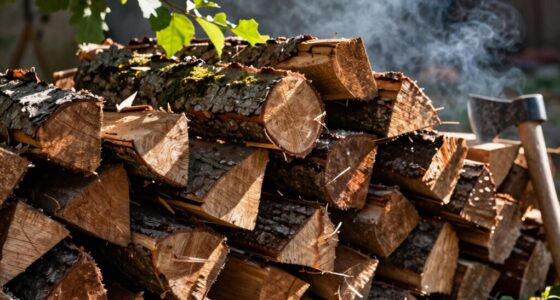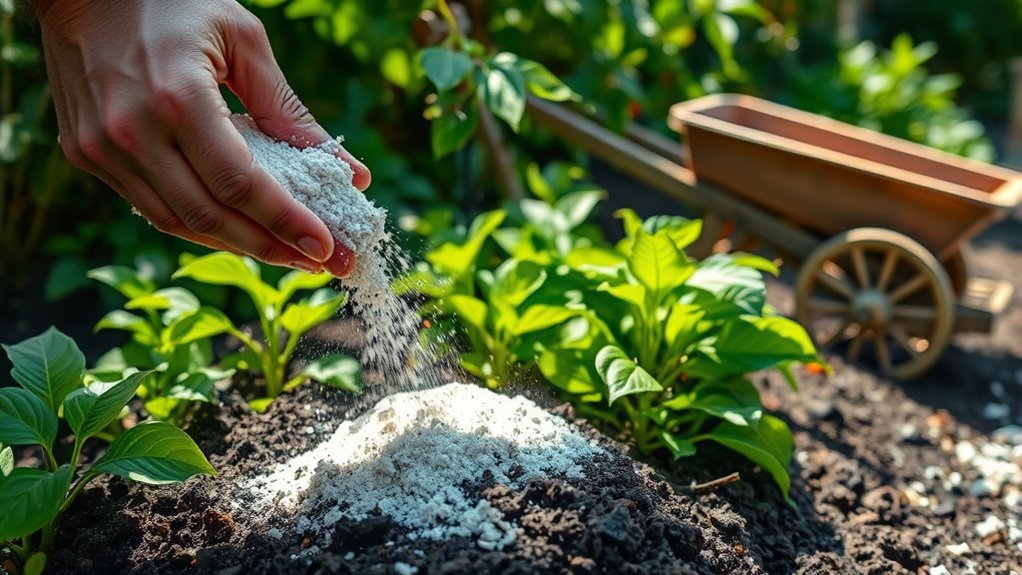

Using wood ash in your garden offers benefits like raising soil pH and deterring pests naturally, especially if your soil is too acidic. It contains nutrients like potassium and calcium, which support plant health, but you need to apply it carefully—moderation is key to avoiding overly alkaline soil. Be cautious with ash from treated wood, and avoid using it around acid-loving plants. If you keep these tips in mind, you’ll discover more about how to use ash safely and effectively.

Get business pricing on tools and workshop supplies
- Business-only prices and quantity discounts
- Tax-exempt purchasing
- Multiple users, one account, clear invoices
Key Takeaways
- Wood ash can raise soil pH, making it suitable for neutral or alkaline-loving plants, but should be tested first to avoid over-alkalization.
- It acts as a natural pest deterrent due to its abrasive texture, helping repel slugs, snails, and insects organically.
- Use ash from untreated, natural wood sources to prevent introducing harmful chemicals or toxins into the garden.
- Excessive or improper application can harm beneficial insects, disrupt soil balance, or damage acid-loving plants like blueberries.
- Incorporate ash responsibly into a balanced soil management plan, monitoring pH and avoiding overuse for optimal benefits and safety.

Have you ever considered repurposing wood ash in your garden? It’s a surprisingly versatile resource that can offer several benefits if used correctly. One of the primary reasons gardeners turn to wood ash is its ability to aid in pH adjustment. Many soils tend to be either too acidic or too alkaline for ideal plant growth, and wood ash can help balance that out. Because it contains significant amounts of potassium and calcium carbonate, adding small quantities of ash can raise soil pH, making it more alkaline. This is especially useful if your soil tests show acidity, and you want to create a more neutral environment for plants like vegetables, berries, or certain flowers. However, it’s vital to test your soil beforehand because over-application can push pH levels too high, creating a different set of problems. Using wood ash for pH adjustment requires moderation; sprinkle it lightly and mix well, then re-test soil pH after a few weeks to monitor changes.
Beyond pH adjustment, wood ash can also act as a natural pest deterrent. Many pests dislike the abrasive texture or alkaline environment that ash creates around plants. Sprinkling a thin layer of wood ash around the base of vulnerable plants can help keep slugs, snails, and even some insects at bay. It’s a simple, chemical-free method to protect your garden without resorting to pesticides. Just be careful not to overdo it, as excessive ash can harm beneficial insects or cause soil imbalances. The pest deterrent quality makes ash particularly appealing for gardeners who prefer organic methods of pest control. Additionally, the presence of sustainable materials in wood ash aligns with eco-friendly gardening practices, making it a responsible choice for environmentally conscious growers.
That said, you should be cautious about using wood ash in your garden. Not all ashes are created equal; wood ash from treated or painted wood may contain harmful chemicals, heavy metals, or toxins that could harm your plants or soil health. Always verify you’re using clean, untreated wood ash from natural sources. Additionally, avoid applying ash directly onto acid-loving plants like blueberries or azaleas, since the increased alkalinity could stress or damage them. It’s wise to use wood ash as part of a balanced soil management plan rather than a one-size-fits-all solution. When used thoughtfully, wood ash can be a valuable addition to your gardening toolkit, helping with pH adjustment and pest deterrence, but it’s essential to use it responsibly and with knowledge of your soil’s needs.
Products Worth Considering

Google Nest Doorbell (Wired, 2nd Gen) – Snow

Dyson Ball Animal 3 Corded Upright Vacuum

Coway Airmega 250 Air Purifier for Large Rooms
As an affiliate, we earn on qualifying purchases.
Frequently Asked Questions
Can Wood Ash Be Used on All Types of Garden Plants?
You can’t use wood ash on all garden plants because of plant compatibility issues. Some plants, like blueberries and azaleas, prefer acidic soil and may suffer from ash application, while others like tomatoes thrive with it. To avoid harm, monitor ash application frequency and amount carefully, and always test soil conditions first. Using ash thoughtfully guarantees your plants benefit without risking soil imbalance or damage.
How Much Wood Ash Is Safe to Add per Square Foot?
You should apply no more than 1/4 cup of wood ash per square foot to guarantee safe quantity and avoid soil imbalance. Always spread the ash evenly, and consider testing your soil’s pH first. Too much ash can raise soil pH excessively, harming plants. Use ash application sparingly, and focus on areas needing pH adjustment. Remember, moderation helps maintain a healthy garden environment.
Does Wood Ash Affect Soil Ph Long-Term?
You might think wood ash won’t impact soil pH long-term, but it can raise soil alkalinity over time. Wood ash acts as a pH adjustment, increasing soil alkalinity, especially with repeated application. If you don’t monitor, your soil’s pH can become too alkaline, affecting plant health. Regular testing helps you manage this effect, ensuring your soil stays balanced and your garden thrives.
Are There Pests Attracted by Wood Ash in the Garden?
Wood ash residue generally doesn’t attract pests in your garden. However, some pests may be drawn to the ash if it’s moist or if it contains food residues. To minimize pest attraction, keep ash dry and spread it evenly, avoiding thick layers. Regularly inspect your garden for any signs of pest activity. Properly managed ash can be a beneficial soil amendment without increasing pest attraction risks.
Can Wood Ash Be Composted With Other Organic Materials?
Yes, you can compost wood ash with other organic materials. It acts as a pest deterrent and helps with nutrient balancing in your compost. Just make certain you add ash in moderation, as too much can raise soil pH and harm plants. Mix it well with nitrogen-rich greens and carbon-rich browns to create a balanced compost that benefits your garden without attracting pests.
Conclusion
Think of wood ash as a double-edged sword—when used wisely, it can fuel your garden’s growth like a secret potion. However, overdoing it can upset your soil’s balance and harm your plants. So, tread carefully and apply in moderation, like seasoning a dish—you want just enough to enhance without overwhelming. With mindful use, wood ash can be a gardener’s hidden treasure, turning your garden into a vibrant, thriving oasis.