
TL;DR

Get business pricing on tools and workshop supplies
- Business-only prices and quantity discounts
- Tax-exempt purchasing
- Multiple users, one account, clear invoices
Ideal Home’s report identifies five possible signs of excess indoor moisture: recurring condensation, mould, persistent musty smells, slow-drying laundry and humidity readings that regularly exceed 60%. Experts say a dehumidifier may help manage airborne moisture, but it will not repair leaks or other sources of water intrusion.
Recurring condensation, mould, musty odours, slow-drying laundry and humidity readings above 60% are five signs that a home may have excess moisture, according to a report from Ideal Home citing air-treatment experts. The advice matters as cooler-weather routines often mean windows stay closed while cooking, showers and indoor clothes drying continue to add moisture to the air.
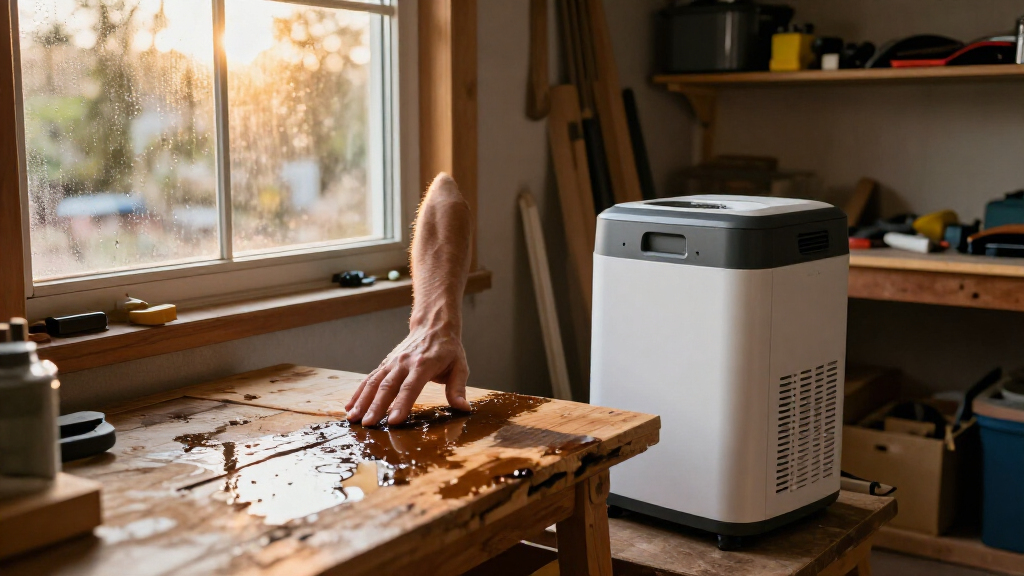
Meaco co-founder and air-treatment expert Chris Michael says condensation forms when moist air meets a cold surface. Regularly wet windows may be a reason to check indoor humidity, rather than just wiping up water. The report also recommends keeping frames and sills dry and using extractor fans while cooking or showering.
Mould around window frames, cold corners or behind furniture can also point to a moisture issue. Michael advises checking beyond the first visible spot, since moisture from everyday activities can move through a home and settle on colder surfaces. Ebac director Pamela Petty says excess moisture may also be associated with warped window ledges, peeling paint or wallpaper, and doors that stick.
A musty smell may be noticeable before mould is visible, particularly in wardrobes, cupboards and behind furniture. Laundry that remains damp for a long time is another possible clue, although temperature, airflow and how clothes are spaced on an airer also affect drying. The fifth sign is a hygrometer reading that regularly exceeds 60% relative humidity; Michael recommends around 55% for UK homes and advises checking readings over several days.
When Moisture Clues Need Attention
Persistent dampness can affect more than windows and laundry. The signs described in the report may help residents spot a recurring moisture problem before relying on surface cleaning or fragrance to mask it. A dehumidifier can reduce airborne moisture, potentially helping with condensation and clothes drying, but it is not a cure for every cause of damp.
The distinction matters: mould concentrated in one area, for example, may be linked to a leaking pipe, roof problem or water entering through damaged walls. The report advises investigating those sources and addressing existing mould as well as humidity. Buying a dehumidifier without finding the cause could leave a leak or building defect unresolved.
dehumidifier for home moisture control
As an affiliate, we earn on qualifying purchases.
As an affiliate, we earn on qualifying purchases.
Why Autumn Raises Indoor Humidity
Cooking, showering and drying washing indoors all release moisture. In autumn and winter, people may keep windows closed for longer, making it harder for moisture to escape and laundry to dry. That combination can make condensation more noticeable, though the source material does not establish that every case of wet windows or slow-drying clothes is caused by excessive humidity.
The report presents the five clues as expert guidance, not a diagnosis. It recommends using a hygrometer to track humidity over several days rather than drawing conclusions from a single reading taken just after a shower. Airflow, room temperature and the underlying condition of the home also matter when interpreting what a resident observes.
“Condensation forms when moist air meets a cold surface.”
— Chris Michael, co-founder of Meaco and air-treatment expert
What These Signs Cannot Confirm
The five signs are indicators, not proof that a dehumidifier is needed or that humidity is the only cause. The source report does not provide independent measurements of how often these symptoms are caused by excess indoor moisture, nor does it establish a universal reading that applies to every home. A single humidity reading can also be affected by recent activities such as showering.
It remains unclear from the report whether a particular reader’s dampness comes from everyday moisture, a leak, building damage or another issue. It also gives no product-independent assessment of how much a dehumidifier would reduce humidity in a given home. The report’s product recommendations and performance figures are not a substitute for checking a specific property or appliance.
Track Readings and Find the Source
For residents seeing these clues, the report’s practical next steps are to monitor humidity over several days, improve ventilation during cooking and showering, and allow air to circulate around furniture and drying clothes. If considering an appliance, the report says households that dry laundry indoors regularly may want to look for a dedicated laundry mode and follow the manufacturer’s instructions.
Persistent or localised damp should prompt a check for its source, including possible leaks or water entry, rather than relying on a dehumidifier alone. The source material does not announce a new product launch, formal guidance or follow-up study; it offers household advice based on comments from two industry experts.
Key Questions
What are the five signs that may point to excess moisture?
The report lists recurring wet windows, mould, a persistent musty smell, laundry that dries slowly indoors and humidity readings that regularly exceed 60%.
Does mould always mean I need a dehumidifier?
No. Mould can be associated with excess moisture, but the report says a dehumidifier will not fix a leak, roof problem or water entering through damaged walls. Investigate the cause and address existing mould.
What humidity level does the cited expert recommend?
Meaco’s Chris Michael recommends around 55% relative humidity for UK homes. He says readings regularly above 60% indicate excess moisture; check over several days rather than relying on one measurement.
Can slow-drying clothes alone confirm a humidity problem?
No. The report says temperature, airflow and how closely clothes are hung also affect drying time. A dehumidifier may help remove moisture released by indoor laundry, but slow drying alone is not a diagnosis.
Source: rss
Halloween Picks
halloween
As an affiliate, we earn on qualifying purchases.