
TL;DR

Get business pricing on tools and workshop supplies
- Business-only prices and quantity discounts
- Tax-exempt purchasing
- Multiple users, one account, clear invoices
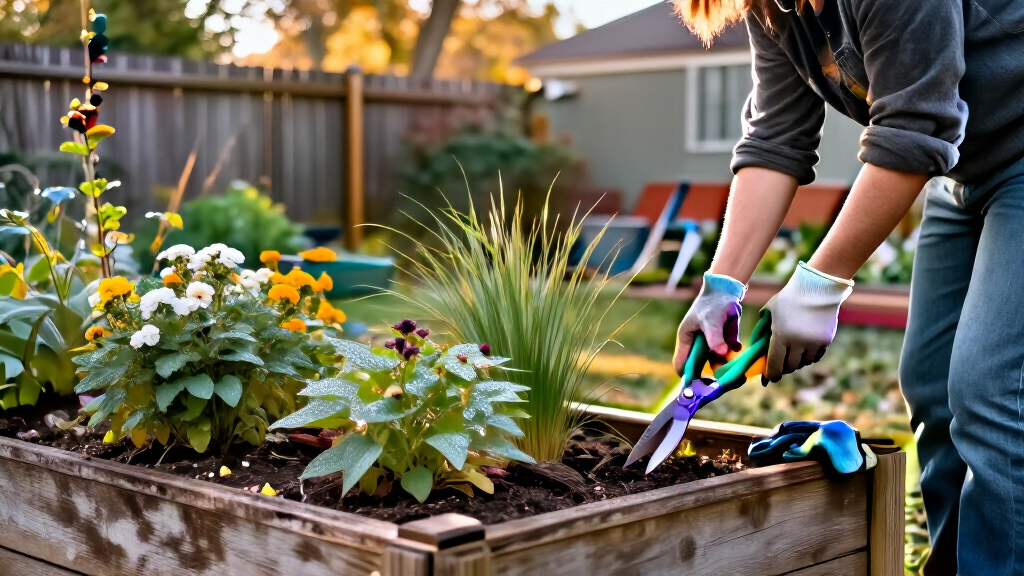
Horticulturalists quoted by Ideal Home advise against routine October pruning of six plant groups, including hydrangeas, spring-flowering shrubs, lavender and ornamental grasses. They say untimely cuts can remove next year’s flower buds or expose plants to winter damage; dead, diseased and broken material can still be removed carefully.
A gardening report from Ideal Home says gardeners should avoid routine October pruning of six plant groups, including hydrangeas, spring-flowering shrubs and ornamental grasses, because cutting them now may remove next year’s flower buds or reduce their protection from winter conditions. Horticulturalists quoted in the report recommend limiting October work to dead, diseased or damaged growth and delaying substantial cuts until each plant’s suitable pruning period.
Mophead and lacecap hydrangeas are among the clearest examples: they form flowers on existing stems, according to Pim Dickson, senior horticulturalist at Fothergill’s. Cutting those stems in October can remove buds that would flower the following year. Dickson advises waiting until mid-spring to remove old flowerheads, cutting back to the first healthy pair of buds. Faded heads may also help shield buds from frost, he says.
The report also advises leaving spring-flowering shrubs such as forsythia and lilac until after they flower, generally in late spring or early summer. These shrubs often set buds on growth from the previous season, so pruning in autumn risks sacrificing spring flowers. Dead or diseased stems can be removed if needed, but the report distinguishes that selective work from general shaping.
Lavender should not receive a hard October cut, Dickson says. Cutting into older, bare stems can limit regrowth, while new growth may be vulnerable to cold. The main shaping cut is better made after flowering in late summer, without cutting deeply into bare growth. October attention should be limited to broken or diseased material.
For deciduous ornamental grasses, dry leaves and seedheads provide winter structure and can offer food and shelter for wildlife. Cutting them down in October removes those features and may expose the plant crown. Dickson recommends leaving the growth standing until late winter or early spring, before new shoots appear.
Charlotte McGrattan, hardy nursery stock buyer at Hillier Nurseries, advises against October pruning of some evergreen shrubs, including viburnum. She also says choisya ‘Sundance’ and escallonia should be shaped after flowering if pruning is needed. The report identifies late-flowering perennials as the sixth group to leave standing; however, the supplied text ends before giving the full explanation or specific guidance for that group.
Protecting Next Season’s Flowers
The timing matters because an autumn tidy-up can have consequences beyond appearance. For shrubs that flower on older growth, a cut made now may remove buds already forming for next spring. For lavender and evergreens, pruning can expose vulnerable growth or reduce the plant’s natural protection as colder weather approaches.
Leaving seedheads and dry foliage also preserves winter garden structure and, in the case of grasses, can retain resources and shelter for wildlife. The guidance does not mean gardeners should leave every problem untouched: the experts distinguish routine pruning from removing diseased, dead or broken material that needs attention.
For readers planning seasonal garden work, the practical takeaway is to identify the plant and its flowering habits before cutting. A blanket October trim can be poorly timed; waiting for the appropriate post-flowering or spring window can help preserve blooms and reduce avoidable winter exposure.
As an affiliate, we earn on qualifying purchases.
Why October Cuts Can Backfire
October often brings fading foliage and plants dying back, which can prompt gardeners to cut beds and shrubs into a neat, bare shape. The Ideal Home report challenges that approach, quoting Dickson as saying that a tidy garden need not be completely bare. Healthy stems, faded flowers and seedheads may serve a purpose through winter.
The recommended pruning window varies by plant. Hydrangeas can be trimmed in mid-spring, spring-flowering shrubs after their flowers fade, and ornamental grasses in late winter or early spring before fresh shoots emerge. The report says evergreen shrubs should generally wait until mid- to late spring, after frost risk has passed and before new spring growth begins. These are group-specific recommendations, not a single schedule for every plant or variety.
“A tidy garden does not have to mean a completely bare one.”
— Pim Dickson, senior horticulturalist at Fothergill’s, as quoted by Ideal Home
Limits of the Plant-by-Plant Advice
The supplied report text cuts off during its section on late-flowering perennials, so it does not establish which specific plants are included, the full reason for leaving them unpruned or the recommended pruning window. The advice also does not cover every cultivar or local climate. The report names particular hydrangea types and shrub examples, but gardeners may need variety-specific guidance before pruning.
It is also not a blanket instruction to leave all garden growth untouched. The quoted experts permit selective removal of diseased, dead or damaged material. The source does not set out detailed rules for diagnosing every plant problem or address how conditions in different regions affect timing.
When to Resume Pruning
For the plants covered, the next step is to wait for the recommended window rather than make a general October cut: mid-spring for hydrangeas, after flowering for spring-flowering shrubs, and late winter or early spring for deciduous ornamental grasses. For evergreen shrubs, McGrattan recommends mid- to late spring, once frost risk has passed. Lavender should receive its main shaping cut after flowering in late summer, according to Dickson.
In October, gardeners can inspect plants and remove material that is clearly diseased or broken, while leaving healthy growth in place. Before making larger cuts, they should check guidance for the particular species and cultivar; further details on the late-flowering perennials named in the report are not available in the supplied source text.
Key Questions
Which plants does the report say not to prune in October?
It lists hydrangeas, spring-flowering shrubs, lavender, deciduous ornamental grasses, some evergreen shrubs and late-flowering perennials. The source text provided gives only partial details for the final group.
Can I remove dead or diseased stems in October?
Yes. The experts quoted distinguish selective removal of dead, diseased or damaged material from routine shaping. Check that a stem is actually dead or unhealthy before cutting; the report describes green, moist tissue beneath the bark as a sign that a stem is still alive.
When should hydrangeas be pruned instead?
For the mophead and lacecap hydrangeas discussed, Pim Dickson recommends waiting until mid-spring, then removing old blooms and cutting back to the first healthy pair of buds.
Why leave ornamental grasses standing through winter?
Their dry foliage and seedheads provide winter structure and may offer food and shelter for wildlife. The report also says leaving growth in place avoids exposing the plant crown too early; cut it back in late winter or early spring before new shoots emerge.
Source: rss
Halloween Picks
halloween
As an affiliate, we earn on qualifying purchases.