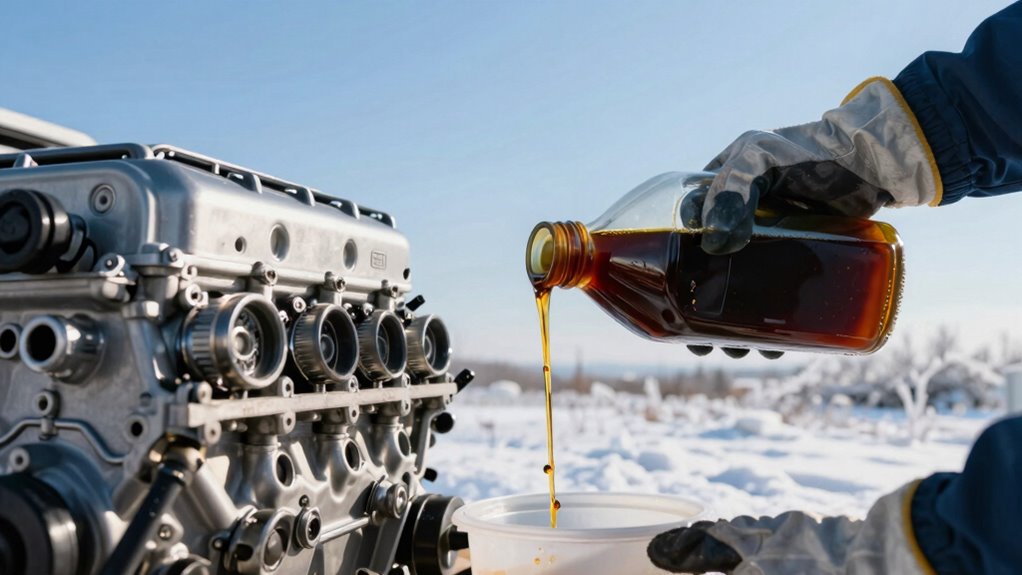

In hot weather, use a thinner, low-viscosity bar oil that flows better and prevents clogging or uneven coating. In cold weather, switch to a heavier, low-temperature oil that stays liquid and lubricates smoothly. Matching the oil to the temperature prevents wear and guarantees safe, efficient cuts. Knowing how weather impacts oil performance can make a big difference—continue exploring to see how to choose the best oil for every season.

Get business pricing on tools and workshop supplies
- Business-only prices and quantity discounts
- Tax-exempt purchasing
- Multiple users, one account, clear invoices
Key Takeaways
- Use lightweight, low-viscosity oils in cold weather for better flow and lubrication at low temperatures.
- Switch to thicker, high-viscosity oils in hot weather to prevent thinning and ensure consistent chain lubrication.
- Regularly check and adjust oil viscosity based on temperature to prevent chain dragging or uneven wear.
- Choose seasonal or all-weather bar oils with additives designed to resist breakdown in extreme heat or cold.
- Follow manufacturer recommendations for oil type and viscosity to optimize chainsaw performance in varying weather conditions.
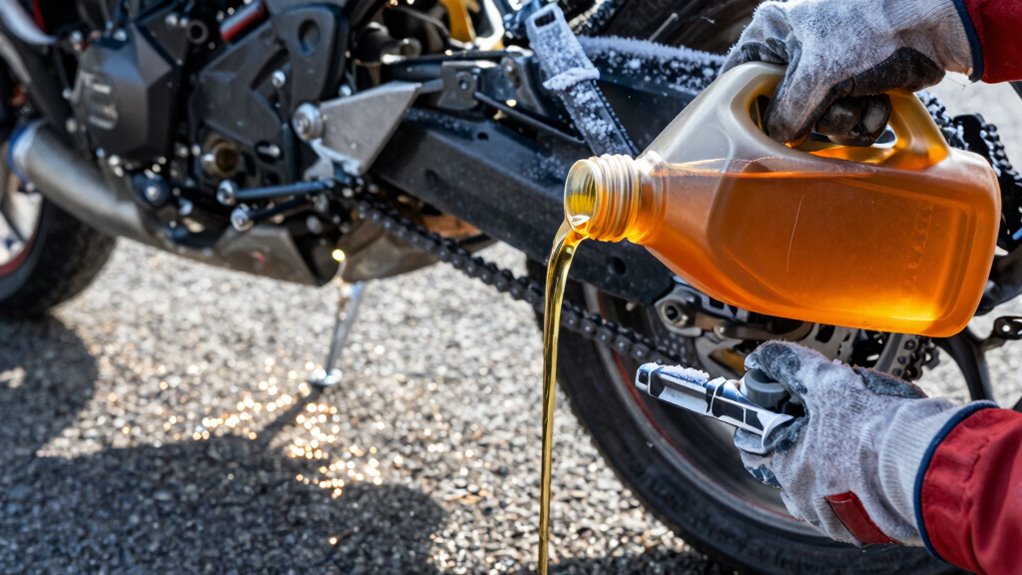
Changing your bar oil regularly is vital for maintaining ideal chainsaw performance, especially as weather conditions fluctuate. When temperatures rise or drop, the type of bar oil you use needs to adapt to guarantee proper lubrication and reduce wear on your chainsaw’s components. In hot weather, the oil’s viscosity becomes fundamental. Thinner, low-viscosity oils flow more easily at higher temperatures, allowing the oil to coat the chain and bar evenly. Using a thick or heavy oil in heat can cause it to stay clumpy or not spread well, which leads to increased friction, faster wear, and potentially dangerous kickbacks. Conversely, in cold weather, thicker oils tend to solidify or become too viscous, making them less effective at lubricating. You need a lightweight, cold-weather formula that flows freely when temperatures drop to prevent the chain from dragging or overheating.
Hydraulic fluid is often a good analogy when assessing bar oil performance because both are designed to flow smoothly under specific conditions. Just like hydraulic systems require fluid with the right temperature effects to operate efficiently, your chainsaw’s bar oil must maintain ideal viscosity regardless of the weather. As temperatures rise, hydraulic fluid becomes thinner, so you select an oil that won’t thin out too much. In colder temperatures, hydraulic fluid thickens, and similarly, your bar oil should be formulated to stay fluid enough to coat the chain properly. Choosing the wrong viscosity can diminish lubrication, increase chain wear, and even cause the chain to slip or jam. It’s vital to switch to seasonal or all-weather oils that account for these temperature effects to keep your chainsaw running smoothly. Additionally, understanding the temperature-dependent behavior of hydraulic fluid can help you select the right bar oil for different conditions, ensuring consistent lubrication. Being aware of how viscosity changes with temperature can help you make better choices for your equipment’s longevity.
In extreme heat, it’s wise to consider oils with added additives that resist breakdown and evaporation. This helps maintain lubrication and prevents the oil from thinning excessively. During cold snaps, opt for a bar oil specifically designed for winter conditions—these often contain lower viscosity formulations that remain fluid at sub-zero temperatures. Regularly checking and adjusting your oil based on the current weather ensures your chainsaw operates safely and efficiently. When in doubt, consulting oil manufacturer guidelines can provide specific recommendations tailored to your climate. Remember, the goal is consistent, even lubrication that minimizes wear and prolongs your tool’s lifespan. By understanding how temperature effects influence hydraulic fluid-like behavior in your bar oil, you can make informed choices that keep your chainsaw performing ideally, no matter the season. Moreover, using weather-appropriate oils can extend the lifespan of your chainsaw and improve overall safety during operation.
chainsaw bar oil for cold weather
As an affiliate, we earn on qualifying purchases.
As an affiliate, we earn on qualifying purchases.
Frequently Asked Questions
How Often Should I Change My Bar Oil in Extreme Temperatures?
You should change your bar oil more frequently in extreme temperatures, roughly every 10-15 hours of use. Hot weather thins the oil, so opt for a lower viscosity oil, while cold weather requires a thicker, high-viscosity oil. Store your oil properly by keeping it in a cool, dry place, and always check the oil level before use. Proper oil viscosity and storage tips make certain your chainsaw runs smoothly regardless of the weather.
Does Weather Affect the Type of Bar Oil I Should Use?
Weather does affect the type of bar oil you should use because temperature influences bar oil viscosity. In hot weather, opt for thinner, low-viscosity oils to prevent clogs and guarantee proper lubrication. In cold weather, thicker oils work better to stay lubricated. Also, follow storage tips by keeping your bar oil in a cool, dry place to maintain its quality and performance, regardless of the season.
Can Cold Weather Cause Bar Oil to Thicken?
Yes, cold weather can cause bar oil to thicken because of oil viscosity and temperature effects. When temperatures drop, oil becomes more viscous, making it thicker and less effective at lubricating your chain. This change can lead to increased wear and reduced performance. To combat this, choose a bar oil formulated for cold conditions or use a thinner oil during winter months to guarantee smooth operation.
Is There a Specific Oil for Hot Weather Bar Maintenance?
Yes, for hot weather bar maintenance, you should choose a specific oil like synthetic blends designed to withstand high temperatures. These oils provide better lubrication and reduce wear, especially in extreme heat. Look for eco-friendly options that minimize environmental impact while maintaining performance. Switching to a high-quality, heat-resistant oil guarantees your bar runs smoothly and lasts longer, even under intense summer conditions.
How Do I Detect if My Bar Oil Needs Changing in Different Climates?
You can tell if your bar oil needs changing by checking the oil’s quality and absorption rates. If the oil appears dark, thick, or grimy, it’s a sign it’s degraded and needs replacing. In different climates, observe how well the oil lubricates; if it’s not absorbing properly or your chain’s performance declines, it’s time for a fresh supply. Regularly inspecting these factors guarantees ideal lubrication regardless of weather conditions.
Conclusion
In conclusion, adjusting your bar oil based on weather conditions keeps your chainsaw running smoothly. For instance, in hot weather, using a thinner oil prevents clogs, while thicker oil in cold weather protects against freezing. Imagine a homeowner in winter who switches to winter-grade oil—her chainsaw starts effortlessly, saving time and effort. By tailoring your oil choice to the climate, you’ll guarantee ideal performance and extend your equipment’s lifespan, no matter the season.
Fall yard work Picks
leaf blowers
As an affiliate, we earn on qualifying purchases.