To limb safely, start by gathering sharp, sturdy tools like a chainsaw or pruning saw, and wear protective gear such as gloves and goggles. Clear your work area and secure your footing before planning your cuts carefully. Make an undercut first, then the top cut to control the fall. Stay aware of your surroundings, keep a firm grip, and avoid rushing. For detailed steps and safety tips, explore further guidance to guarantee your limb removal is both safe and efficient.
Key Takeaways
- Prepare equipment and work area by clearing debris and ensuring tools are sharp and in good condition.
- Plan and assess the branch’s weight and fall direction before making any cuts.
- Make an initial undercut on the branch, followed by a top cut outside the undercut for safe removal.
- Maintain a stable stance, keep hands clear of the cutting path, and avoid overreaching during cuts.
- Step back and evaluate the situation after each cut, communicating with team members if working collaboratively.
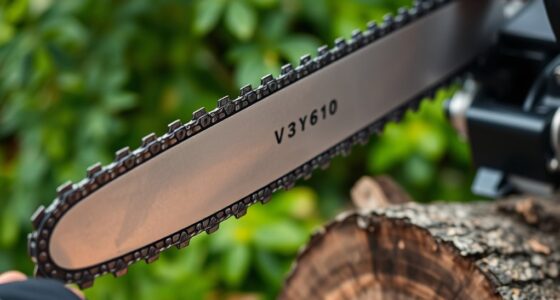
Have you ever wondered how to cut branches safely without risking injury? The key lies in using proper equipment and following safety techniques that protect you at every step. Before you start, gather the right tools—this means a sharp, sturdy chainsaw or pruning saw, gloves, safety goggles, and a helmet with a face shield. Proper equipment isn’t just about convenience; it’s a crucial safeguard against potential accidents. Make sure your tools are in good condition, with blades properly sharpened, so they cut cleanly without requiring excessive force. This reduces the chance of slips or kickbacks, which can lead to injuries.
Using proper tools and safety gear is essential for injury-free branch cutting.
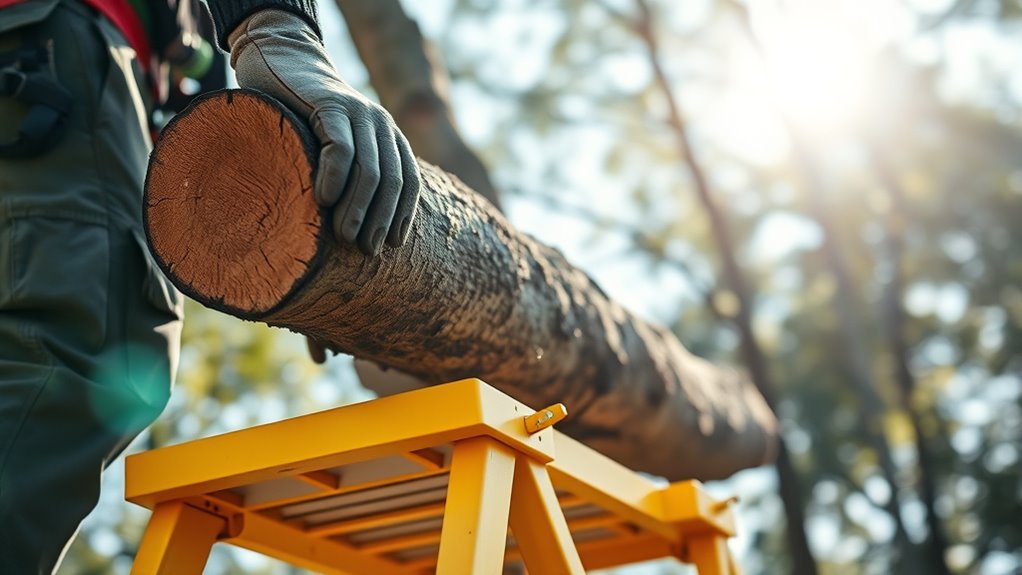
Once you have your gear ready, it’s important to set up a safe work environment. Clear the area of any obstacles or debris that could cause trips or falls. Establish a stable footing and plan your cuts carefully. When it’s time to cut, remember safety techniques like keeping a firm grip on your equipment, maintaining a balanced stance, and avoiding overreaching. Always position yourself so that if the branch or tool slips, you won’t be in the path of falling debris or the moving saw. It’s best to stand on solid ground or a stable ladder, ensuring your body is aligned with the cut—not leaning or twisting awkwardly.
Before making the cut, assess the branch’s weight and direction. Use proper cutting techniques to prevent the branch from pinching your saw or causing the chain to bind. For larger branches, make an initial undercut about a third of the way through the branch, on the side facing the tree, to prevent splitting or tearing. Then, make a clean top cut outside the undercut, allowing the branch to fall smoothly. Always keep your hands and body clear of the cutting path, and never cut above shoulder height. Also, work slowly and deliberately, never rushing through a cut, which can compromise safety and precision.
Throughout the process, stay aware of your surroundings and communicate with others nearby if you’re working as part of a team. Regularly check your equipment for any signs of wear or damage. After completing each cut, step back to evaluate the situation before moving on to the next branch. Incorporating proper training and safety awareness can further enhance your confidence and control during limb removal. By combining proper equipment with effective safety techniques, you markedly reduce the risk of injury and make the limb removal process safer and more efficient. Remember, patience and preparation are your best tools for safe limbing.
Frequently Asked Questions
What Safety Gear Is Essential for LimbIng?
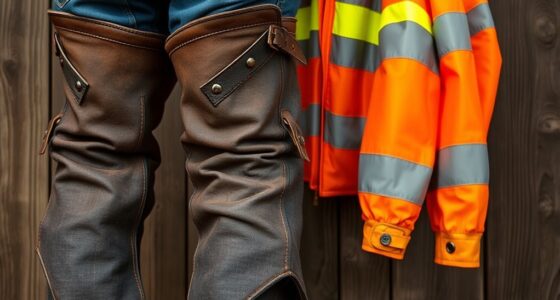
You need essential safety gear for limbing, including protective clothing like gloves, helmet, and eye protection to shield against debris. Safety accessories such as ear protection and steel-toed boots also help prevent injuries. Always wear a helmet with a face shield, sturdy gloves, and high-traction boots to stay safe. These items keep you protected from falling branches, sharp tools, and other hazards encountered during limbing.
How Do Weather Conditions Affect Limbing Safety?
Weather conditions considerably impact your limbing safety. Weather hazards like rain, snow, and strong winds can make the tree and ground slippery, increasing your risk of falls. Seasonal impacts, such as ice or dry, brittle wood, also pose dangers. Always check the forecast beforehand, wear appropriate gear, and adjust your techniques for the conditions. Being aware of weather hazards helps you stay safe and prevents accidents during limbing.
What Are Common Mistakes to Avoid During Limbing?
Ever wonder what mistakes can jeopardize your safety? One common mistake is using improper cutting techniques, which can lead to slips or falls. Always focus on proper tool maintenance to keep your equipment sharp and reliable. Avoid rushing or cutting without a clear plan, as these can cause accidents. By practicing correct cutting techniques and maintaining your tools, you reduce risks and ensure a safer limbing experience.
How Should I Handle a Fallen Tree in a Tight Space?
When handling a fallen tree in a tight space, you should first stabilize the tree to prevent further movement. Use wedges or chocks for tree stabilization, ensuring it doesn’t shift unexpectedly. Carefully plan your space management to create safe working room, avoiding tight spots that could cause injury. Always assess the surroundings, watch for hazards, and make controlled cuts to safely remove the tree without risking damage or injury.
When Is It Necessary to Call a Professional?
If you’re unsure about the tree’s stability or notice signs like disease or extensive damage, it’s time to call a professional. Don’t risk property damage or personal injury by tackling a compromised tree yourself. When the tree shows symptoms of disease, or its fall could threaten structures or power lines, experts have the right tools and expertise. Trust their judgment—safety should always come first.
Conclusion
Remember, when you’re limbing, staying cautious isn’t just smart — it’s essential. Some say that experienced climbers can rely solely on instinct, but even they double-check their steps. Think of it like riding a bike; the more you practice, the more confident you become. Trust your skills, stay alert, and keep safety your top priority. After all, a safe climb isn’t just about reaching the top — it’s about making sure you get back down safely, too.