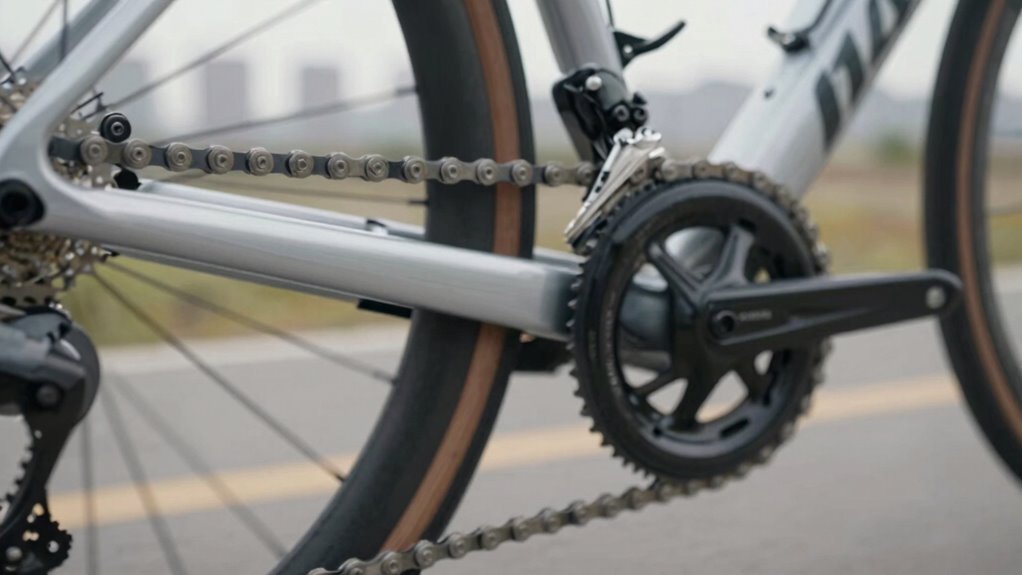

Low-vibration chains can provide real comfort benefits, like quieter, smoother operation that may reduce operator fatigue and improve control. But their effectiveness often depends on the equipment’s design, installation quality, and the materials used. While some marketing hype exists, choosing a well-made, standards-compliant chain can make a noticeable difference in demanding tasks. If you want to understand how these chains perform in real-world scenarios and if they’re right for you, there’s more to explore.

Get business pricing on tools and workshop supplies
- Business-only prices and quantity discounts
- Tax-exempt purchasing
- Multiple users, one account, clear invoices
Key Takeaways
- Low-vibration chains can reduce operator fatigue and improve comfort, but actual benefits depend on machinery design and application specifics.
- Enhanced materials and design may increase durability, but regular maintenance remains essential for optimal vibration reduction.
- Proper installation and adherence to standards are critical for achieving the claimed noise and vibration benefits.
- Higher initial costs may be justified by operational advantages in precision work, but benefits vary by environment and use case.
- Marketing claims should be evaluated against real-world performance data to determine actual comfort improvements.
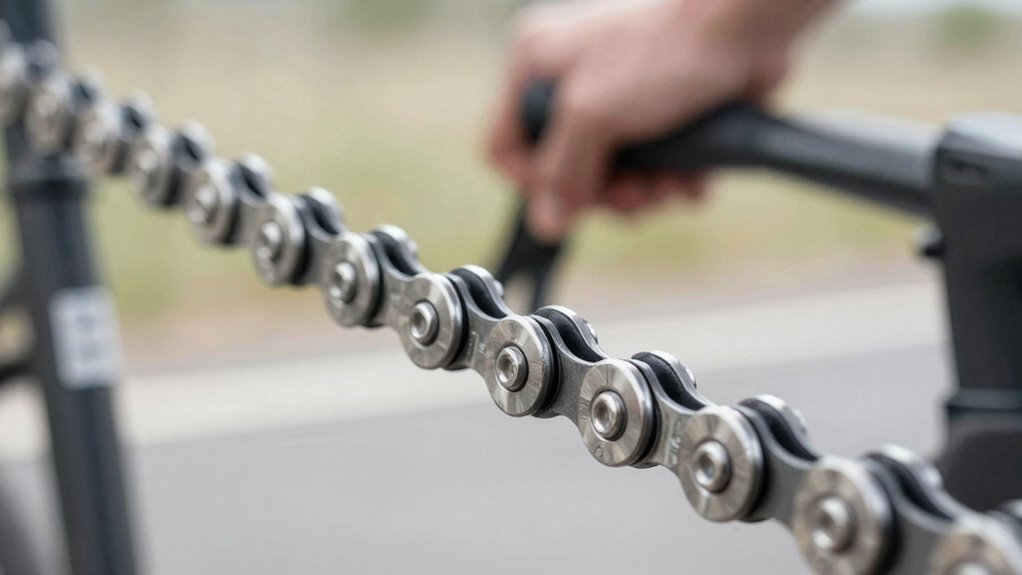
Have you ever experienced the disruptive noise and vibrations from standard chains during machinery operation? If so, you’re not alone. Traditional chains tend to produce significant noise and vibrations, which can lead to operator fatigue, reduced precision, and even increased wear on surrounding components. That’s where low-vibration chains come into play, promising a quieter, smoother experience. But before you get swayed by marketing claims, it’s worth contemplating whether these chains truly deliver on their promises or if they’re just a marketing hype.
Low-vibration chains promise quieter, smoother operation but assess their real benefits before trusting the marketing hype.
When evaluating low-vibration chains, one of the first things to reflect on is their chain durability. Manufacturers often tout these chains as being more resilient, with enhanced materials or design features that absorb shocks and dampen vibrations. While this can be true, you should also recognize that increased durability doesn’t automatically mean you’ll need less maintenance. These chains might require regular inspections and lubrication just like their traditional counterparts, especially if they’re used in demanding environments. The idea that low-vibration chains need less upkeep can be appealing, but it’s essential to scrutinize whether they genuinely reduce your maintenance requirements or if they simply shift the focus to different aspects of upkeep. Additionally, the materials used in these chains can influence their overall performance and longevity. Incorporating advanced manufacturing techniques can further enhance their capacity to withstand harsh conditions and vibrations. Understanding the material properties involved can help you better evaluate how these chains will perform in your specific application. It’s also beneficial to consider how proper installation impacts the effectiveness of vibration mitigation and overall chain performance. Moreover, understanding the manufacturing standards can help ensure you choose a high-quality product that truly meets your operational needs.
Furthermore, the idea of comfort benefits from low-vibration chains isn’t just marketing fluff. Reduced vibrations mean less operator fatigue and higher precision in tasks that demand fine control, especially in manufacturing or assembly lines. That said, the comfort gained from less vibration varies depending on the application and the overall design of your machinery. Some users might notice a significant difference, while others may find the change negligible, especially if the machinery already has sound dampening or vibration isolation features.
It’s also worth noting that the initial investment in low-vibration chains can be higher than traditional chains. You should weigh the potential benefits of quieter, smoother operation against the cost and ongoing maintenance considerations. If your operation demands frequent, high-precision work, the comfort and performance gains might justify the expense. However, if your machinery runs in relatively controlled environments or for less critical tasks, the hype around low-vibration chains might not be worth the premium.
In the end, low-vibration chains can offer genuine benefits, especially in terms of operator comfort and reduced noise levels. But they are not a one-size-fits-all solution. Carefully assess your equipment’s specific needs, the durability of these chains, and their maintenance requirements before making a decision. Don’t fall for the marketing hype—evaluate their true value based on real-world performance and your operational priorities.
low-vibration chains for industrial machinery
As an affiliate, we earn on qualifying purchases.
As an affiliate, we earn on qualifying purchases.
Frequently Asked Questions
How Do Low-Vibration Chains Compare in Price to Standard Chains?
Low-vibration chains typically cost more than standard chains due to their specialized design and features. When you do a cost comparison, you’ll find they often come with a higher price tag, reflecting their market availability and added comfort benefits. While the initial expense might be higher, some riders find the extra cost worthwhile for reduced vibrations and improved riding experience. Keep in mind, prices vary depending on brands and retailers.
Are Low-Vibration Chains Suitable for All Types of Bikes?
Low-vibration chains aren’t suitable for all bike types. They’re best suited for bikes where riding comfort and vibration reduction are priorities, such as touring or commuter bikes. If you mainly ride on rough terrains or high-performance bikes, traditional chains might be more durable. Consider your riding style and bike compatibility before opting for low-vibration chains, ensuring you get the best balance of comfort and performance for your needs.
What Maintenance Is Required for Low-Vibration Chains?
You should regularly clean and lubricate your low-vibration chain to maintain its performance. Keep up with consistent lubrication to reduce wear and noise, and check the chain for signs of stretching or damage. This maintenance helps prolong its lifespan, which can vary based on riding conditions. Typically, you’ll need to replace the chain more frequently if you ride in harsh environments or with high mileage, ensuring smooth shifting and peak performance.
Do Low-Vibration Chains Significantly Extend Bike Component Lifespan?
Low-vibration chains can markedly stretch your bike’s component lifespan by reducing stress and strain. Their superior material durability and careful manufacturing process help resist wear and tear, meaning you enjoy longer-lasting performance. When you choose these chains, you’re investing in longevity, less frequent replacements, and smoother rides. By minimizing vibrations, you protect your gears, sprockets, and other critical components, ultimately extending their operational life and saving you money over time.
Can Low-Vibration Chains Improve Overall Cycling Performance?
Yes, low-vibration chains can improve your overall cycling performance by enhancing riding comfort and reducing vibrations. When vibrations are minimized, you experience less fatigue, allowing you to ride longer and more efficiently. The smoother ride helps you maintain better control and focus, especially on rough terrains. Ultimately, vibration reduction from low-vibration chains leads to a more comfortable, stable, and confident cycling experience, boosting your performance over time.
Conclusion
So, as you consider these low-vibration chains, think of them as the quiet, steady heartbeat beneath a rider’s seat—offering comfort amid the chaos. While marketing may paint them as revolutionary, remember that true value lies in how they perform on your journey, not just in the promise of a smoother ride. Ultimately, choosing the right chain is like finding your own rhythm—one that keeps you moving forward, comfortably and confidently.
Columbus Day / Indigenous Peoples' Day Picks
long weekend sales
As an affiliate, we earn on qualifying purchases.