
To prevent your felling wedges from getting stuck, place them carefully into the back cut, slightly above the hinge point, and keep them centered for even pressure. Use wedges that match the size of the tree and avoid forcing them; instead, tap gently and incrementally. If a wedge gets lodged, don’t force it out—try using smaller wedges or gentle prying tools. Proper placement and technique will keep your wedges loose and safe, so keep exploring for more effective tips.
Key Takeaways
- Drive wedges into the back cut slightly above the hinge and centered for even pressure.
- Use gentle taps to insert wedges gradually, alternating sides to prevent lodging.
- Avoid placing wedges too close to the hinge or too far out to maintain proper leverage.
- Ensure your positioning allows for easy removal if wedges get stuck; use appropriate tools.
- Always follow safety precautions, including wearing PPE and keeping hands clear of the wedge’s path.

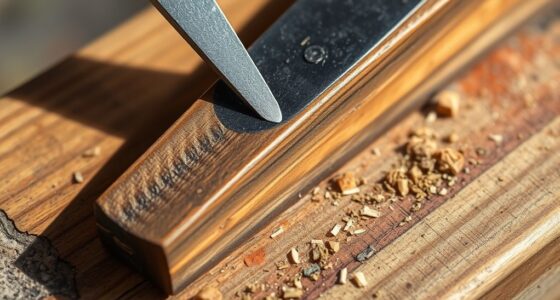
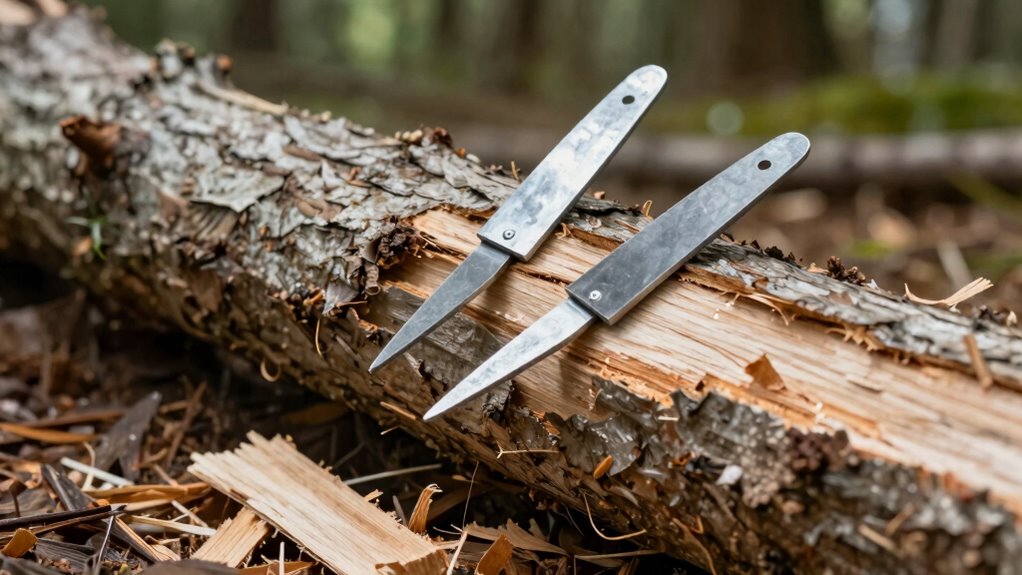
Felling wedges are essential tools that help control and guide the direction of a falling tree. When you’re preparing to fell a tree, choosing the right types and sizes of wedges is crucial. Wedges come in various materials such as plastic, aluminum, and steel, each suited for different situations. Plastic wedges are lightweight and inexpensive, ideal for softer woods or light-duty work. Aluminum wedges are more durable, offering a good balance between strength and weight. Steel wedges are the strongest and best for larger, tougher trees, but they are heavier and more expensive. The sizes of wedges also vary, from small 4-inch wedges for light use to larger 12-inch or longer wedges for substantial trees. Selecting the appropriate size depends on the tree’s size, the species, and the cutting conditions. Using the wrong size can lead to wedges getting stuck or failing to do their job effectively. Proper placement and technique are key to avoiding wedge failure and ensuring a safe, controlled fall. Safety precautions are vital when using felling wedges. Before you start, always wear personal protective equipment such as a helmet, safety glasses, gloves, and steel-toed boots. Ensure your escape route is clear and plan your fall zone. When placing wedges, make sure the tree is properly supported and that your saw cut is clean and smooth. When driving wedges in, do so carefully and incrementally, alternating sides to prevent the wedge from binding or getting stuck. Never force a wedge in with excessive force, as it can suddenly pop out or cause the tree to shift unpredictably. Keep your hands and body away from the wedge’s path to avoid injury if the wedge suddenly shifts or the tree moves unexpectedly. If you find that a wedge is getting stuck, don’t try to force it out with more force. Instead, gently tap around the wedge or use a wedge removal tool if available. Sometimes, using a smaller wedge or a different angle helps release a stuck wedge without damaging the tree or the wedge itself. Proper positioning of the wedge is critical; drive it into the back cut, slightly above the hinge point, and keep it centered to ensure even pressure. Avoid placing wedges too close to the hinge or too far out, as improper placement can cause the tree to fall unpredictably or the wedge to get lodged. Additionally, understanding the importance of auditory cues during cutting can help in monitoring the process and ensuring safety. Remember, safety always comes first. Take your time to assess the situation and make sure your wedges are suited for the task. Proper technique not only helps prevent getting wedges stuck but also ensures a controlled fall, reducing the risk of accidents. With the right wedges, proper placement, and safety precautions, you’ll manage your felling job efficiently and safely.
Frequently Asked Questions
What Safety Gear Should I Wear When Using Felling Wedges?
When using felling wedges, you should wear protective gloves to prevent cuts and blisters, and eye protection to guard against flying debris. Always make certain your gear fits well and is in good condition. Keep your hands clear of the wedge’s path, and stand to the side to avoid injury if the tree shifts unexpectedly. Proper safety gear helps you stay safe and focused while working with these tools.
How Do Weather Conditions Affect Wedge Placement?
Coincidentally, weather conditions greatly influence how you place wedges. Wind impact can cause the tree to shift unexpectedly, making wedge placement tricky. Moisture effects, like rain or humidity, can soften wood, increasing the risk of wedges getting stuck or slipping. Always assess wind strength and moisture levels before felling. In wet conditions, use extra caution, secure your wedges firmly, and consider adjusting your technique to guarantee safe, effective placement.
Can I Reuse Old or Damaged Felling Wedges?
You can reuse old or damaged felling wedges if you inspect them first. Check for cracks or deformities as part of wedge maintenance, and avoid recycling wedges that are compromised, since they could fail during use. If the wedges are still sturdy, clean them up and store properly. Regularly maintaining and recycling wedges helps ensure safety and prolongs their lifespan, but never compromise safety for reuse.
What Is the Best Angle for Placing a Felling Wedge?
You should place your felling wedge at about a 45-degree angle to the cut, ensuring it’s driven straight in for ideal wood compression. Proper wedge sharpening helps it penetrate smoothly, reducing the risk of sticking. When you drive the wedge in, it directs the fall safely and efficiently. Keep an eye on the wedge’s angle and sharpness to prevent it from getting stuck, especially in tough or compressed wood.
How Do I Prevent the Wedge From Slipping During Use?
You might think wedge slipping is inevitable, but proper wedge positioning and grip techniques prevent this. guarantee the wedge is driven snugly into the cut’s narrow end at the correct angle, providing maximum contact. Use firm, controlled strikes, and maintain a steady grip on the handle to avoid slipping. Regularly check the wedge’s position during use, and adjust your grip as needed to keep it secure and effective.
Conclusion
So, next time you’re tempted to rush your wedge placement, remember how easy it is to get stuck—literally. Who knew that a simple wedge could be such a tricky little devil? It’s almost impressive how a tiny mistake can turn your felling project into a stubborn standstill. But hey, at least you’ll have a good story about the day your wedge decided to give you the silent treatment. Just don’t forget to place it right!