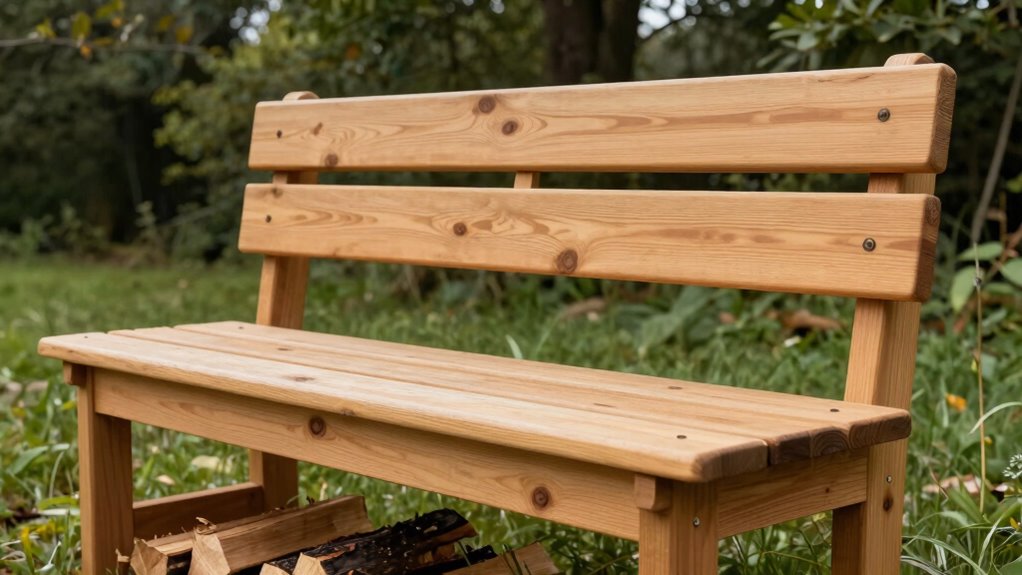

To build a safer kindling bench easily, select weather-resistant materials like treated wood or metal, and design a simple rectangular frame with evenly spaced slats for good airflow. Make sure all joints are sturdy and connections secure for stability. Wear safety gear during construction, and position the bench on a solid surface like concrete or gravel away from your home. Incorporate features like a small lip to prevent wood from falling, and keep everything maintained. If you keep going, you’ll discover even more safety tips and design ideas.

Get business pricing on tools and workshop supplies
- Business-only prices and quantity discounts
- Tax-exempt purchasing
- Multiple users, one account, clear invoices
Key Takeaways
- Use weather-resistant, durable materials like treated wood or metal with evenly spaced slats for proper airflow.
- Follow safety protocols during assembly, including wearing protective gear and securely fastening all parts.
- Position the bench and firewood away from structures on a stable, non-combustible surface like concrete or gravel.
- Regularly inspect and maintain the bench, replacing damaged parts and ensuring stability.
- Incorporate a small lip or edge to prevent firewood from sliding off, especially in windy conditions.
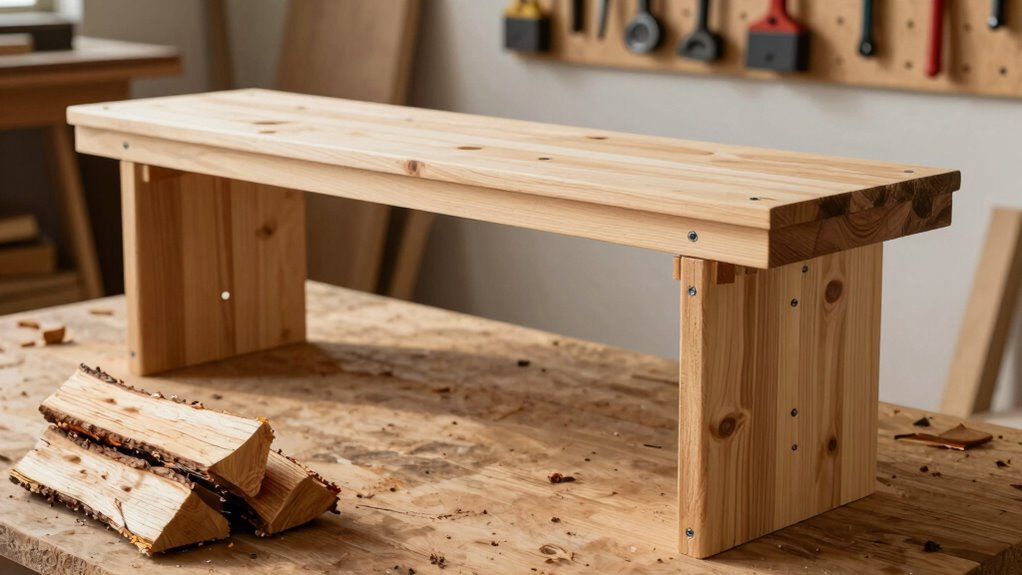
Building a safer kindling bench doesn’t have to be complicated or time-consuming. When you focus on proper firewood storage and safety precautions, you can create a sturdy setup that keeps your firewood organized and reduces potential hazards. The goal is to design a bench that’s easy to assemble, stable, and safe to use, especially when handling small pieces of wood that tend to fall or shift easily. Using weather-resistant materials like treated wood or metal ensures your bench remains durable and reliable in outdoor conditions. Start by choosing a durable, weather-resistant material like treated wood or metal. This choice not only improves longevity but also enhances safety by preventing deterioration that could compromise the structure. Measure and plan your design based on the amount of kindling you regularly use. A simple rectangular frame with slats for supporting the firewood works well. The slats should be spaced evenly to allow air circulation, which helps dry the wood and prevents mold. When constructing the bench, use sturdy screws or bolts, not nails, to confirm the structure stays intact over time. Once assembled, double-check all joints and connections for stability, as a wobbling bench can be dangerous when you’re loading or retrieving wood. Proper firewood storage and safety precautions are essential for preventing accidents and ensuring a safe environment. Safety precautions are vital when building and using your kindling bench. Always wear safety gear like gloves and eye protection during assembly, especially when cutting or drilling wood. Keep the workspace clear of debris and ensure your tools are in good condition to avoid accidents. When storing firewood, don’t pile it directly against your home or near combustible materials. Instead, position the firewood storage area at a safe distance, ideally on a concrete or gravel surface, to prevent moisture buildup and pest infestation. This not only maintains the integrity of your firewood but also reduces fire risk. Additionally, proper firewood storage techniques help promote better airflow and dryness, which are crucial for safe and efficient fire-starting. Incorporating fire safety measures such as keeping a fire extinguisher nearby is also recommended for added protection. To further enhance safety, consider adding a fire-resistant coating or treatment to your bench for added protection against potential sparks or embers. When loading your firewood onto the bench, do so carefully to prevent wood pieces from falling off or causing injury. Keep the kindling neatly stacked and away from any ignition sources. Consider adding a small lip or edge around the bench to keep wood from sliding off during windy days or when you’re moving around it. Regularly inspect your firewood storage and kindling bench for signs of wear or damage, and replace any broken parts immediately. Proper firewood storage, combined with a well-built, stable kindling bench, not only enhances safety but also helps you maximize efficiency during fire-starting. When you follow these straightforward steps, you’ll find that creating a safer, organized space for your kindling is simple and effective.
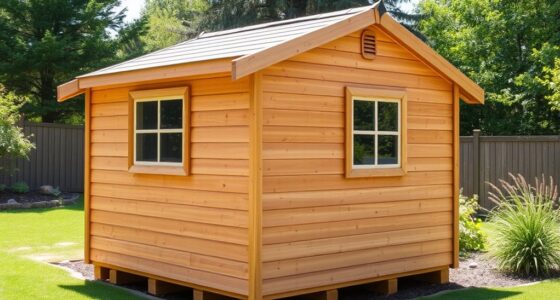
weather-resistant firewood kindling bench
As an affiliate, we earn on qualifying purchases.
As an affiliate, we earn on qualifying purchases.
Frequently Asked Questions
What Safety Gear Should I Wear When Building the Bench?
When building your kindling bench, you should wear safety glasses to protect your eyes from flying debris and splinters. Hearing protection is also essential if you’re using loud power tools, as prolonged exposure can damage your hearing. Additionally, consider wearing gloves to prevent splinters and a dust mask if you’re sanding or cutting wood. Prioritizing safety gear helps make certain your project is safe and enjoyable.
How Do I Prevent the Bench From Slipping During Use?
To prevent your kindling bench from slipping during use, start by placing non-slip mats underneath it for added grip. Make sure all fasteners are tight and secure, checking them regularly for looseness. You can also add rubber pads to the bottom of the legs to increase stability. These simple steps make your bench safer and prevent movement while you’re working, giving you peace of mind during use.
Can I Customize the Bench Size for Different Wood Types?
You can definitely customize the bench size for different wood types. Investigating this idea shows that using custom dimensions and an adjustable height makes your kindling bench more versatile. By designing it with adjustable features, you can tailor the size and height to suit various wood sizes, making your work safer and more efficient. This flexibility allows you to handle different types of wood comfortably, enhancing your overall chopping experience.
How Often Should I Inspect the Bench for Wear and Tear?
You should inspect your kindling bench regularly, ideally every few weeks, especially after heavy use or harsh weather. Focus on the material durability—look for cracks, splinters, or signs of rot. Following a consistent maintenance schedule guarantees safety and longevity. Replace or repair damaged parts promptly to prevent accidents. Regular inspections keep your bench in top shape, making sure it remains safe and functional for your kindling needs.
Is It Safe to Use Power Tools for Assembly?
Safety first, they say, and that’s true when using power tools for assembly. It’s generally safe if you follow proper power tool safety guidelines, wear protective gear, and handle tools carefully. However, if you’re uncomfortable or unsure, consider hand tool alternatives. They may take more time but reduce risks and guarantee you stay safe while building your kindling bench. Always prioritize safety over speed.
Conclusion
Now that you’ve built your safer kindling bench, you’re all set to chop and stack with confidence—no need to channel your inner Paul Bunyan every time. Remember, safety first doesn’t mean sacrificing speed or style; it keeps your workshop a peaceful haven, like a cozy corner in a Victorian nursery. So, go ahead, fire up your new setup, and enjoy the warm glow of your well-crafted, secure kindling station—your trusty, modern woodsman’s ally.
Fall Picks
fall essentials
As an affiliate, we earn on qualifying purchases.