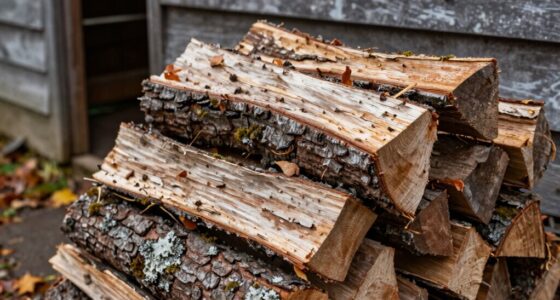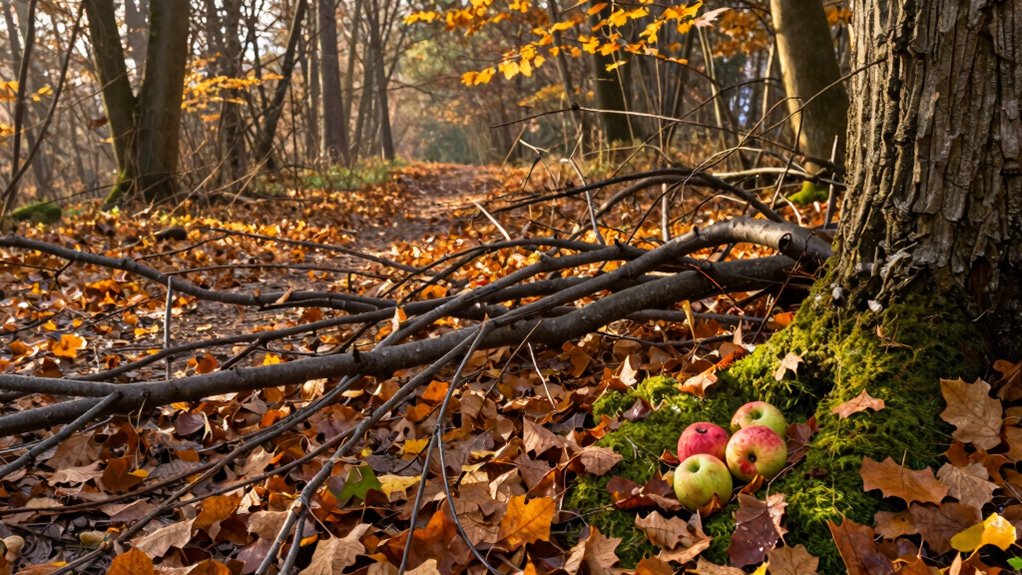

To minimize land impact, you should plan your windfall cleanup during late winter or early spring when wildlife is less active, and natural decay is beginning. Avoid doing it during nesting seasons or after heavy rains to prevent disturbing animals and damaging soil. Choose dry, mild weather days to reduce erosion and land damage. By timing your cleanup carefully, you support healthy land recovery and wildlife habitat preservation—keep going to discover more about sustainable practices.

Get business pricing on tools and workshop supplies
- Business-only prices and quantity discounts
- Tax-exempt purchasing
- Multiple users, one account, clear invoices
Key Takeaways
- Delay cleanup until after breeding seasons to avoid disturbing wildlife and nesting habitats.
- Schedule removal during late winter or early spring when wildlife activity is minimal.
- Choose dry, mild days to prevent soil erosion and land damage during cleanup.
- Incorporate natural decay by leaving some debris to support habitat and ecological processes.
- Avoid removing debris during saturated or muddy conditions to protect soil health and prevent compaction.

After a windfall event, timing your cleanup efforts is crucial to effectively manage debris and restore your property. The moment you decide to clear fallen trees and branches can considerably influence the land’s recovery and the local ecosystem. Acting too quickly might disturb wildlife and damage natural habitats, while waiting too long can cause more extensive decay and increase hazards. Finding the ideal window involves understanding both harvesting techniques and wildlife considerations, ensuring your cleanup minimizes ecological impact while restoring your land efficiently.
When planning your cleanup, consider harvesting techniques that align with the natural decay process and local wildlife patterns. For example, leaving some larger, intact trees or clusters of branches can provide essential habitats for birds, insects, and small mammals. If you employ selective removal methods, you reduce disturbance to the surrounding environment and allow natural regeneration to occur. Timing your efforts during seasons when wildlife is less active, such as late winter or early spring before breeding seasons, can help avoid disrupting nesting or feeding behaviors. This approach guarantees you remove debris without displacing animals that depend on the fallen wood. Additionally, understanding the natural decay process can help determine when debris is best left to decompose naturally, supporting the local ecosystem. Recognizing the ecological role of debris can guide more sustainable cleanup practices. Being mindful of the habitat value of fallen wood can further inform your timing and removal strategies. Incorporating wildlife considerations into your planning can help prevent unintended harm to local species.
Wildlife considerations should guide your cleanup schedule as much as the physical state of the debris. If the windfall includes dead trees or branches that serve as shelter or foraging sites, it’s best to delay removal until after the breeding season or until wildlife has moved on. You also want to avoid cutting during sensitive periods, like nesting season, to prevent disturbing birds or other creatures. During these times, it’s beneficial to leave some natural debris standing or in place, allowing wildlife to utilize it safely. As you plan, keep in mind that removing all debris immediately can lead to habitat loss, which might cause local animals to relocate or die off.
Timing your cleanup efforts also involves evaluating the weather and soil conditions. Dry, mild days are preferable because they reduce soil erosion and prevent compaction of the land. If the ground is saturated or muddy, rushing in can cause lasting damage to root systems and soil structure. Waiting for the right conditions supports natural regeneration and prevents unnecessary land degradation. By coordinating your cleanup with seasonal cycles, wildlife activity, and soil health, you can strike a balance between restoring your property and preserving the land’s natural integrity.
As an affiliate, we earn on qualifying purchases.
Frequently Asked Questions
How Do Windfall Cleanup Practices Vary Across Different Ecosystems?
Windfall cleanup practices vary across ecosystems to support forest regeneration and minimize soil erosion. In forests, you should carefully remove large fallen trees to promote new growth without disturbing the soil. In grasslands, leaving some windfall helps prevent erosion and provides habitat. Your approach should adapt to each ecosystem’s needs, balancing cleanup with conservation, ensuring that natural processes like soil stabilization and regeneration continue effectively.
What Tools Are Most Effective for Minimizing Land Disturbance?
Like a surgeon wielding a scalpel, you use lightweight hand tools—pruning saws, loppers, and small rakes—to carefully remove windfall. These tools promote tree preservation and protect soil stability by reducing unnecessary disturbance. You avoid heavy machinery, which can compact soil and damage roots, ensuring the land remains healthy. Your gentle approach helps maintain the ecosystem’s integrity while efficiently clearing debris, all with minimal land impact.
Can Wildlife Be Impacted by Windfall Removal Timing?
Yes, wildlife can be impacted by windfall removal timing. If you remove windfall during wildlife nesting seasons, you risk disturbing animals that rely on fallen trees or branches for shelter. Additionally, removing windfall too early can lead to soil erosion, especially when roots haven’t stabilized the soil. To minimize impacts, plan cleanup when wildlife nesting has finished and soil is better protected, ensuring the ecosystem remains balanced.
How Does Weather Influence the Ideal Cleanup Schedule?
Imagine the sky’s mood swings, guiding your timing. Weather patterns and seasonal timing shape your cleanup schedule—dry periods make windfall easier to clear without disturbing the land, while wet or stormy times can cause soil erosion or harm wildlife habitats. By observing these weather cues, you can choose moments when the land is resilient, ensuring your efforts support ecological balance and minimize land impact.
Are There Any Legal Regulations Regarding Windfall Removal?
Yes, there are legal regulations you need to follow when removing windfall. You must guarantee legal compliance with local, state, or federal laws that govern land use and environmental protection. Regulation enforcement varies by area, so it’s essential to check with authorities like land management agencies or environmental departments before you start. Ignoring these rules can lead to fines or legal issues, so always stay informed and adhere to the applicable regulations.
Conclusion
So, when it comes to cleaning up windfall, timing is everything. By choosing the right moment, you minimize land disturbance and protect your ecosystem like a superhero guarding a city. Don’t wait too long, or those fallen branches could turn into a forest of chaos, or decay into a breeding ground for pests. Act now, strike with precision, and keep your land pristine—because every second counts in the battle for a healthy, thriving landscape.
Fall yard work Picks
leaf blowers
As an affiliate, we earn on qualifying purchases.