During a drought, it’s best to assess your trees carefully before deciding to harvest or wait. If they show signs of severe dehydration like wilting, cracking, or dieback, prompt action is needed to prevent long-term damage—consider harvesting if recovery seems unlikely. However, if trees remain resilient with some stress, waiting and providing deep, infrequent watering can help them recover, boosting their health later. Keep exploring the signs and strategies to make the right choice for your trees.

Get business pricing on tools and workshop supplies
- Business-only prices and quantity discounts
- Tax-exempt purchasing
- Multiple users, one account, clear invoices
Key Takeaways
- Assess tree health; if severe dehydration signs like wilting or cracking bark appear, consider immediate harvesting or intervention.
- Mild drought stress with healthy appearance may allow waiting and monitoring before taking action.
- Proper deep watering and mulching can help revive stressed trees, reducing the need for premature harvest.
- Overwatering during drought can cause root rot; balance watering carefully based on tree condition.
- Regular monitoring and weather awareness guide optimal timing for harvesting or waiting to ensure long-term tree health.
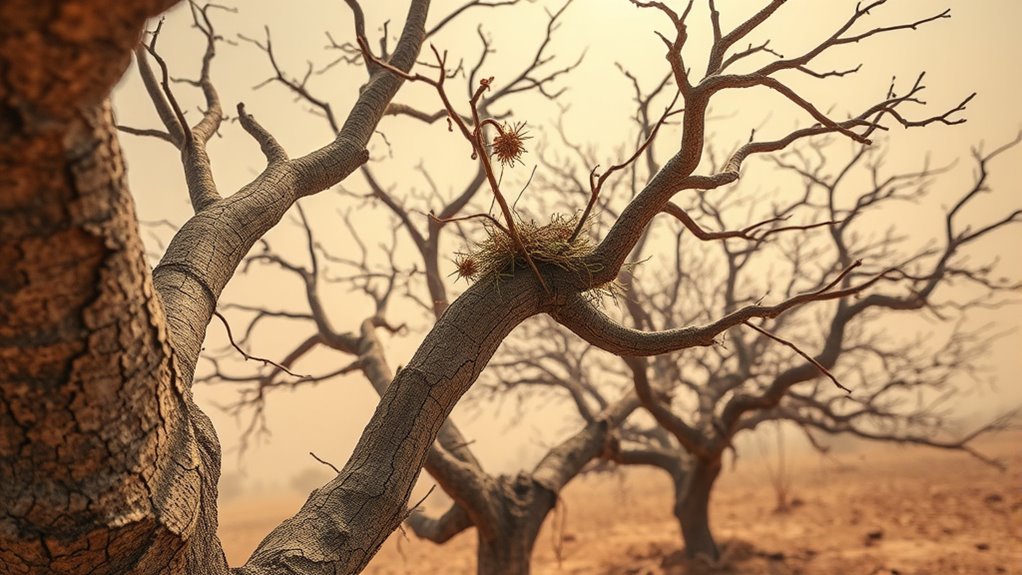
Have you noticed your trees looking less vibrant during dry spells? When the weather turns dry, your trees can become stressed, making them more vulnerable to pests and diseases. To help them recover, you need to contemplate effective irrigation strategies that supply enough water without overdoing it. Proper watering encourages healthy growth and can reduce the risk of pest vulnerability, which often spikes when trees are weakened by drought stress. Remember, the goal isn’t just to water more but to water wisely—deep, infrequent irrigation sessions promote stronger roots that reach deeper into the soil, improving drought resilience. Using mulch around the base of your trees can also help retain soil moisture, making your irrigation efforts more effective and reducing overall water use.
Deciding whether to harvest or wait depends on your trees’ condition. If they’re showing signs of severe dehydration—wilting leaves, cracking bark, or dieback—it’s better to act quickly. Providing supplemental water can revive stressed trees, preventing long-term damage and making them less attractive to pests. When pests attack weakened trees, they can cause further harm, leading to branch dieback or even the loss of the entire tree. By applying targeted irrigation strategies, you can bolster your trees’ defenses and reduce their pest vulnerability. However, if the drought stress is mild and the trees still look healthy, you might want to wait and monitor their progress. Overwatering during drought conditions can lead to root rot or other moisture-related issues, so balance is key.
In some cases, waiting makes sense if you’re concerned about overwatering or if the drought persists but the trees appear resilient. During this waiting period, keep an eye on their condition—any worsening signs should prompt immediate watering. Also, be mindful of pest activity; stressed trees attract pests seeking weakened hosts. Applying organic pest controls or beneficial insects can help protect your trees without adding stress. If you decide to harvest fruit or prune, do so carefully, avoiding unnecessary stress that can make trees more vulnerable. The balance between waiting and acting hinges on careful observation and understanding your local weather patterns. Properly timed irrigation, combined with integrated pest management, can help your trees recover from drought stress and stay healthy in the long run. Regular tree health assessments can further guide your watering and care strategies, ensuring optimal recovery.
As an affiliate, we earn on qualifying purchases.
Frequently Asked Questions
How Can I Tell if My Tree Is Beyond Saving?
You can tell if your tree is beyond saving by checking its root health and leaf discoloration. If the roots are rotted or damaged, the tree struggles to absorb nutrients. Look for extensive leaf discoloration, such as yellowing or browning, which indicates poor health. If these signs are widespread and persistent despite watering, it’s likely time to contemplate removal, as the tree may be beyond recovery.
Are There Specific Signs Indicating Imminent Tree Failure?
If you notice your tree leaning, cracked or missing bark, or dead branches, it might be about to fail. Root rot and pest infestation can weaken the tree’s stability, so check for fungal growth near the base or visible pests. Sudden drops of large branches or the entire tree falling are clear signs. Act quickly—consult an arborist to assess the risk and prevent potential damage or injury.
What Are the Long-Term Impacts of Drought Stress on Tree Health?
You’ll notice long-term impacts of drought stress through root damage and depleted soil moisture, which weaken your tree’s resilience. As roots suffer, nutrient uptake drops, making the tree more vulnerable to pests and diseases. Reduced soil moisture hampers growth and recovery, leading to decline over time. Coincidentally, a prolonged drought can cause irreversible damage, ultimately threatening the tree’s survival and affecting your landscape’s health and beauty.
Can Drought-Stressed Trees Recover Without Intervention?
Yes, drought-stressed trees can recover without intervention if soil moisture levels improve and root damage is minimal. You should guarantee adequate watering to replenish soil moisture and protect the roots from further damage. Keep an eye on the tree’s overall health, and if you notice persistent decline, consider consulting an arborist. Recovery depends on the severity of drought stress and how quickly conditions improve around the tree.
When Is the Best Time to Prune a Drought-Stressed Tree?
You should prune a drought-stressed tree during its dormant season, typically late winter or early spring, when it’s least active. Proper pruning timing allows the tree to recover with less stress and promotes healthy seasonal care. Avoid pruning during hot, dry months, as this can further weaken the tree. Focus on removing dead or damaged branches first, ensuring the tree maintains its strength and resilience through appropriate seasonal care.
Conclusion
So, when drought stresses your trees, consider whether to harvest or wait. Remember, trees can lose up to 50% of their water content during droughts, making them vulnerable. Acting too soon might cause more harm, but waiting too long risks health and safety. Stay attentive to your trees’ signs and weigh the risks carefully. By understanding these stats, you can make smarter decisions to protect your landscape and guarantee long-term vibrancy.
Halloween Picks
halloween
As an affiliate, we earn on qualifying purchases.