
To make certain your firewood burns efficiently and safely, you should season it for at least 4 to 12 months depending on the type of wood and your climate. Hardwoods like oak take longer—up to a year—while softer woods like pine dry faster, around four to six months. Proper stacking, airflow, and patience are key to lower moisture content. Keep in mind, testing moisture levels confirms readiness. For a deeper understanding, you’ll find tips that could improve your firewood process.
Key Takeaways
- Proper seasoning typically takes 4-12 months, depending on wood type and drying conditions.
- Hardwoods like oak may need up to a year, while softwoods like pine dry in 4-6 months.
- Good airflow, sunlight, and breezy conditions significantly speed up drying time.
- Testing moisture with a meter ensures wood is below 20% for optimal burning.
- Rushing or improper stacking can extend seasoning time and reduce fire safety and efficiency.
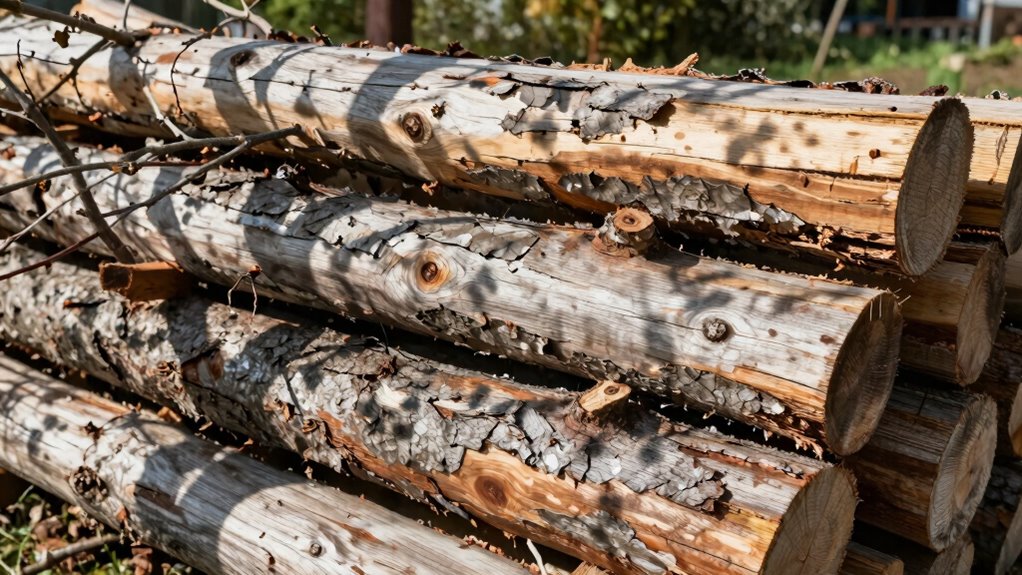
Seasoning firewood is a crucial step to guarantee efficient and clean burning, but it requires patience. You can’t just cut wood and toss it into your stove; properly seasoned firewood is essential for safety, energy efficiency, and reducing creosote buildup. The key to good seasoning lies in lowering the moisture content of the wood to an ideal level, typically below 20%. When the moisture content is too high, the fire produces more smoke, releases pollutants, and struggles to burn fully. To achieve this, you need to pay close attention to the drying process and ensure your firewood is exposed to optimal drying conditions.
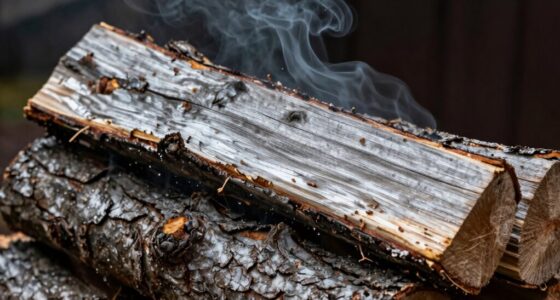
Properly seasoned firewood burns cleaner, safer, and more efficiently by reducing moisture below 20%.
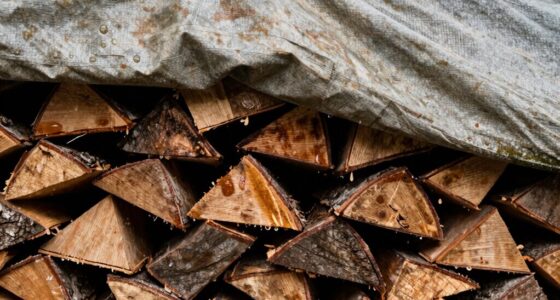
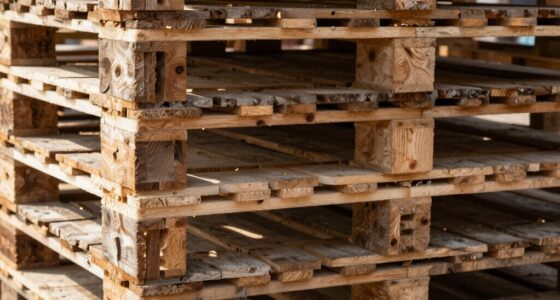
The moisture content of freshly cut or “green” wood can be as high as 60-80%, which is far too high for efficient burning. The goal is to reduce this moisture to the desired level, and that takes time and the right environment. Proper drying conditions include good airflow, protection from rain or snow, and exposure to sunlight if possible. Air circulation is vital because it helps carry away the moisture that escapes from the wood. Stacking your firewood in a crisscross pattern or on pallets allows air to flow freely around each piece, speeding up the drying process. Cover the top of the stack with a waterproof tarp or roof to protect it from precipitation, but leave the sides open for ventilation.
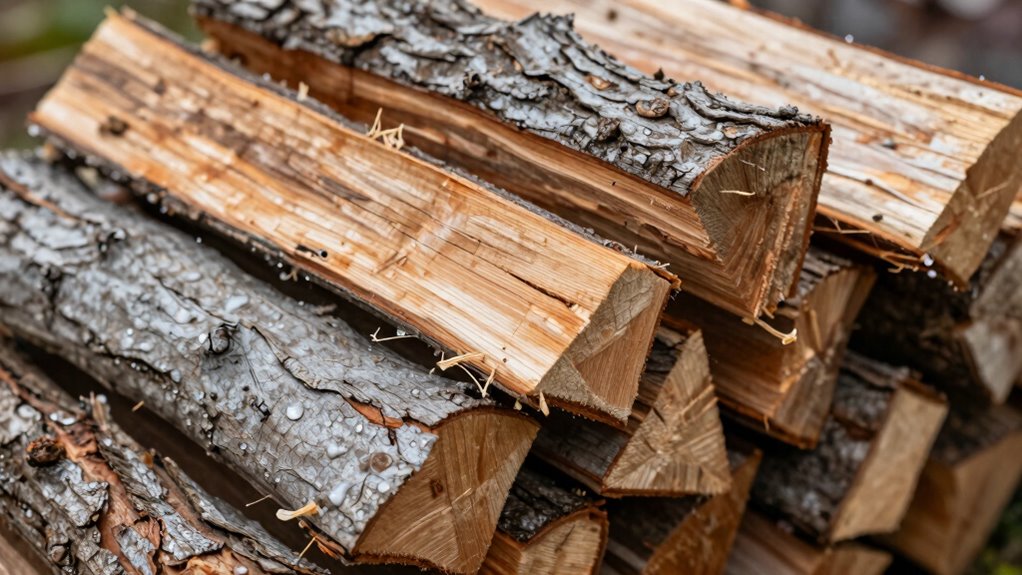
The drying time varies depending on several factors, such as wood type, thickness, and climate. Hardwoods like oak, maple, or hickory generally take longer to season—often between 6 to 12 months—while softer woods like pine or cedar may season in 4 to 6 months. If you live in a humid area, expect the process to take longer because high ambient moisture slows evaporation. Conversely, dry, sunny, and breezy conditions can considerably cut down on the seasoning time. It’s essential to test your firewood’s moisture content with a moisture meter; aiming for below 20% ensures it’s ready to burn efficiently. Additionally, understanding the importance of proper drying techniques can significantly improve your results.
Patience is your best ally in seasoning firewood. Rushing the process by cutting corners or stacking improperly results in wood that smokes, produces creosote, and burns inefficiently. Regularly checking moisture levels and ensuring optimal drying conditions will lead to better fires and safer, cleaner heating. Remember, well-seasoned firewood is an investment in your comfort and safety, making the wait worthwhile.
Frequently Asked Questions
Can I Speed up the Seasoning Process?
Yes, you can speed up the seasoning process by improving airflow and applying drying methods like splitting the wood into smaller pieces and stacking it properly. To reduce moisture content quickly, consider using a kiln or adding a dehumidifier nearby. Keep the firewood in a sunny, dry location with good ventilation, which helps moisture evaporate faster and shortens the overall seasoning time.
Does Wood Type Affect Seasoning Time?
Think of wood as a sponge—its density and moisture content shape how quickly it dries out. Hardwoods like oak, with high density, take longer to season because they hold moisture tightly. Softer woods like pine dry faster due to lower density. So, depending on the type of wood, your seasoning time varies—thicker, denser wood needs patience, while lighter, less dense wood can be ready sooner.
How Can I Tell if Firewood Is Ready?
You can tell if firewood is ready by checking its moisture content and seasoning indicators. When the wood feels dry, cracks appear at the ends, and it sounds hollow when tapped, these are good signs. Use a moisture meter to verify the moisture content is below 20%. Properly seasoned firewood has these clear indicators, ensuring it burns efficiently and produces less smoke.
Is Seasoning Necessary for All Types of Firewood?
You might wonder if seasoning is necessary for all firewood, and the answer is yes, but it depends. If your firewood has high moisture content, it won’t burn efficiently or safely. Proper seasoning methods reduce moisture, making the wood dry and ready. Whether it’s hardwood or softwood, seasoning guarantees ideal burning, prevents creosote buildup, and keeps you warm. Don’t skip this vital step—your firewood’s performance depends on it.
Can Seasoned Firewood Be Stored Outdoors Long-Term?
Yes, seasoned firewood can be stored outdoors long-term if you take proper firewood storage precautions. To guarantee outdoor preservation, stack your firewood off the ground, cover it with a breathable tarp, and leave space for air circulation. This prevents moisture buildup and rot, helping the wood stay dry and ready to burn. Regularly check your outdoor firewood storage to maintain its quality and avoid pests or decay.
Conclusion
In the end, knowing how long to season your firewood isn’t just a matter of time—it’s about patience and understanding the art of preparation. Think of it as a quiet symphony, where each day of seasoning adds a note of perfect dryness. Rushing it only risks damp firewood that won’t burn clean. So, trust the process, be patient, and let nature do its work—your cozy fires will thank you for it.