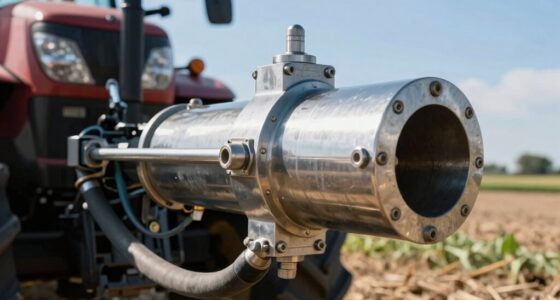
Choosing between a winch, sled, or trailer for small-scale skidding depends on your site size, log type, and distance. A winch is great for steep or tight spaces but needs secure anchor points. Sleds are simple and cost-effective for shorter distances, while trailers work better for longer haul and smaller logs if you can load and secure them properly. Understanding how each tool fits your needs helps make certain of safe, efficient work—if you continue, you’ll see how to select, maintain, and use them effectively.

Get business pricing on tools and workshop supplies
- Business-only prices and quantity discounts
- Tax-exempt purchasing
- Multiple users, one account, clear invoices
Key Takeaways
- Choose equipment based on site size, log type, and distance; winches, sleds, and trailers each suit different conditions.
- Regular maintenance and safety checks are essential for reliable and safe operation of winches, sleds, and trailers.
- Winches require secure anchoring; sleds need strap and runner inspections; trailers demand brake and tire checks.
- Consider safety protocols, proper training, and workload limits when selecting and operating small-scale skidding tools.
- Proper planning, equipment maintenance, and safety measures ensure efficient and risk-free log movement.
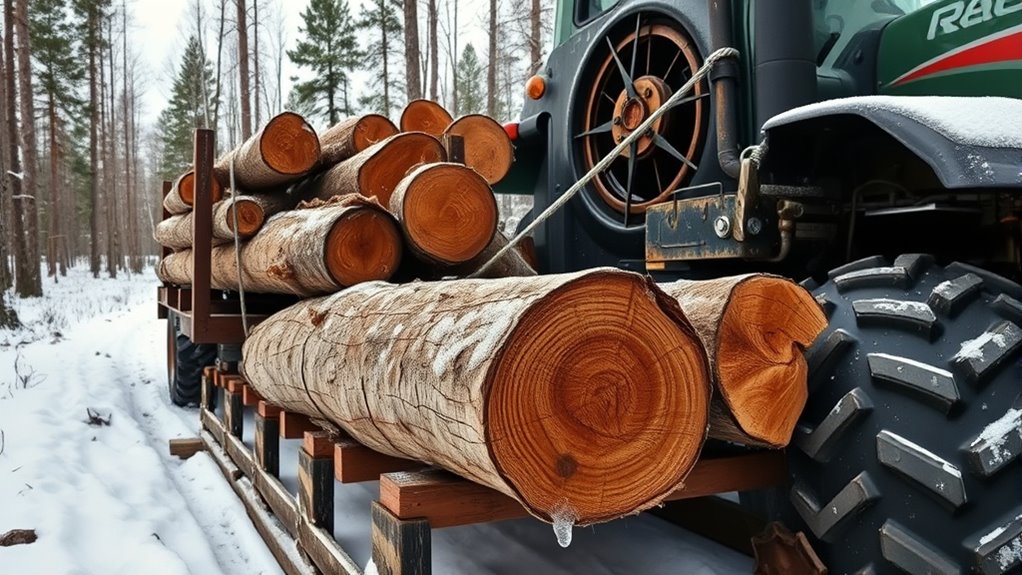
Small-scale skidding is a practical method used in forestry to move logs efficiently on smaller sites or when working with limited equipment. When you choose to use a winch, sled, or trailer, you’re selecting tools that can make your job safer and more productive. But no matter which method you opt for, maintaining your equipment properly and following safety precautions are essential to prevent accidents and keep operations running smoothly.
If you decide to use a winch, you’ll need to ensure it’s in good condition before each use. Regular equipment maintenance includes checking cables for frays, inspecting the drum and gearbox, and making sure the power source is reliable. Properly maintained winches reduce the risk of mechanical failure, which can lead to dangerous situations. Always secure your winch to a stable anchor point, and verify that all connections are tight. When operating, keep a safe distance from the cable and winch in case of sudden snaps or recoil. Wearing appropriate safety gear, like gloves and eye protection, minimizes injury risks during operation. Safety precautions also involve clear communication with team members, establishing a safe zone around the work area, and avoiding overloading the winch beyond its rated capacity. Proper equipment maintenance plays a vital role in ensuring reliable performance and safety.
Ensure your winch is in top condition, secure it properly, and maintain safety protocols for efficient, safe logging operations.
Using a sled is another popular choice for small-scale skidding. Sleds are relatively simple, but they still require routine checks to ensure straps or chains are in good shape and that the runners are free of damage. Before moving logs, you should clear the path of obstacles and plan your route to avoid hazards like uneven terrain or soft ground that could cause the sled to become stuck or tip over. Keeping your sled well-maintained prevents unnecessary delays and reduces the chance of accidents. Always wear sturdy boots and gloves when handling logs or straps to avoid injuries. Safety precautions include working within your physical limits and not rushing, as rushing can cause slips or mishandling. If you’re working with others, establish clear signals and communication to coordinate movements and prevent mishaps.
Trailers are often used when logs are small or when you need to transport them over longer distances. Regular equipment maintenance, such as inspecting the trailer’s brakes, tires, and hitch connections, ensures safe and reliable operation. When loading logs onto a trailer, use proper lifting techniques, and secure the load tightly with straps or chains. Double-check that all fastenings are secure before moving. Always adhere to safety precautions like wearing a helmet and reflective gear, especially when working near roads or in low visibility conditions. Be mindful of weight limits and avoid overloading the trailer, which can lead to tipping or mechanical failure. Communicate clearly with your team, especially when reversing or turning, to avoid accidents.
In all cases, your success hinges on maintaining your equipment diligently and prioritizing safety. Regular checks, proper training, and cautious operation help you move logs effectively while minimizing risks. Small-scale skidding, when done responsibly, becomes a safe, efficient process that supports your forestry work with confidence.
As an affiliate, we earn on qualifying purchases.
Frequently Asked Questions
What Are the Maximum Weight Capacities for Each Skidding Method?
You should know that winches typically handle up to 1,000-2,500 pounds, sleds manage around 2,000-4,000 pounds, and trailers can support 4,000-10,000 pounds or more. These capacities are essential for log hauling, ensuring you don’t overload your equipment. Always check the equipment durability and manufacturer’s limits before skidding to prevent damage, and choose the method that best matches your load size for safe, efficient operation.
How Do Terrain Types Influence the Choice of Skidding Equipment?
You should choose your skidding equipment based on terrain types like rocky terrain or wet conditions. For rocky terrain, a trailer or sled offers stability and minimizes ground disturbance. Wet conditions may make winches risky due to slipping, so a sled with reinforced support could be safer. Always consider terrain features to guarantee safe, efficient hauling, and adapt your equipment choice to match the ground’s stability and moisture levels.
What Safety Precautions Are Necessary During Small-Scale Skidding?
You should always wear personal protective equipment like gloves, helmet, and eye protection to stay safe during small-scale skidding. Keep your equipment well-maintained to prevent failures that could cause accidents. Stay alert to terrain changes and communicate clearly with your team. Regularly inspect winches, sleds, and trailers for damage. By combining proper safety gear with diligent equipment checks, you minimize risks and ensure smooth, safe skidding operations.
Are There Environmental Considerations for Each Skidding Option?
You should consider environmental impacts for each skidding method. Using eco-friendly practices, like minimizing soil disturbance and avoiding sensitive areas, helps reduce harm. Winches can cause less ground impact, but they may disturb nearby wildlife if not operated carefully. Trailers and sleds may disturb wildlife more if they create noise or vibrations. Always plan your route to avoid wildlife habitats, and follow sustainable practices to protect the environment during skidding.
How Does Cost Compare Among Winch, Sled, and Trailer Methods?
Choosing between a winch, sled, or trailer depends on your budget; it’s like picking the right tool for a job. Generally, sleds are the most affordable, offering simple equipment costs. Trailers are more expensive but can handle larger loads, while winches fall somewhere in between, with variable costs based on power and features. Consider equipment affordability and cost comparison to find the best fit for your skidding needs.
Conclusion
No matter if you choose a winch, sled, or trailer, your decision could mean the difference between hauling a tiny log and moving a mountain. Pick the right tool, and you’ll turn what seems like a small task into an effortless feat of strength—like lifting a house with one hand. So, gear up wisely, because mastering small-scale skidding can make you feel like a forest legend, conquering trees like they’re mere twigs.
Evergreen bestsellers Picks
bestsellers
As an affiliate, we earn on qualifying purchases.