
TL;DR

Get business pricing on tools and workshop supplies
- Business-only prices and quantity discounts
- Tax-exempt purchasing
- Multiple users, one account, clear invoices
The Verge’s Thomas Ricker reports that a Kiwibit Bird Feeder 2 Pro initially brought small birds to his garden, but pigeons later took over and mice gathered beneath it. He removed the feeder and advises people curious about smart bird feeders to start with a cheaper, simpler model; his account is a personal product test, not evidence that every feeder will attract pests.
The Verge’s Thomas Ricker says he removed a Kiwibit Bird Feeder 2 Pro after pigeons began monopolizing it and mice appeared beneath it, ending a trial that had first brought small birds to his garden. His account highlights a practical limitation for buyers: an AI camera can identify visitors, but it cannot prevent unwanted animals from reaching the food.
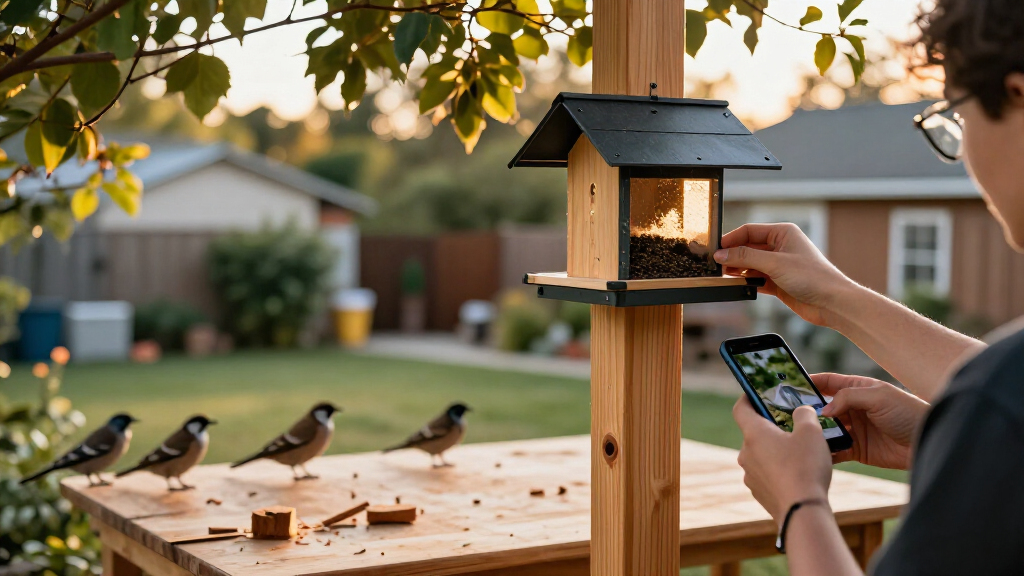
Ricker says he mounted the feeder, which he describes as a $269 device, and started receiving AI-generated alerts identifying visitors as species including great tits and Eurasian blue tits. He enjoyed watching the birds in 4K HDR recordings and using the Kiwibit app to read information about their habits and food.
The experience changed when a common wood pigeon arrived and obstructed the camera’s view. Ricker activated the feeder’s Nuisance Animal Alarm, but says the bird was not deterred. It continued eating for about 15 minutes, and pigeons later returned for longer visits. He reports that mice began feeding on seeds below the feeder, apparently dropped by the birds.
Ricker says he eventually took the feeder down and put it in a closet. He does not blame Kiwibit for the animals’ behavior, and describes the product as enjoyable to use before the pigeons arrived. His recommendation is to try a simple, inexpensive feeder without AI before spending more on a smart model.
Smart Cameras Cannot Control Visitors
The account illustrates a distinction that can matter to prospective buyers: species identification and video features do not amount to control over which animals eat from a feeder. A nuisance alarm may make noise, but Ricker’s test suggests it did not solve the problem at his garden.
That is a consumer consideration, not proof that the Kiwibit model routinely attracts pigeons or mice. The source describes one reviewer’s experience, without controlled testing or data about how often these animals visit other units. Still, buyers weighing a higher-priced smart feeder against a basic one may want to consider feed waste, pest access and the effort of managing visitors alongside camera quality and app features.
As an affiliate, we earn on qualifying purchases.
From Small Birds to Pigeons
Ricker’s report traces a clear sequence: small birds began visiting within weeks of installation, then a pigeon appeared and returned. The feeder offered AI-generated species alerts, a camera feed and an alarm intended for nuisance animals such as squirrels. The article does not report that the alarm was designed specifically to repel pigeons.
The supplied account gives the feeder’s price as $269 and also refers to a $350 price, without explaining the difference. It identifies the tested product as the Bird Feeder 2 Pro 4K AI Camera with Solar Panel (Lifetime AI Included). Ricker’s piece is a first-person product report, so its observations should not be treated as a broader test of smart bird feeders.
“Looks like Great Tit!”
— Kiwibit app alert, as quoted by Thomas Ricker
How Common Are Pest Visits?
The report does not establish whether the feeder itself attracted the pigeons or mice, whether seed left on the ground was the main draw, or whether similar results are common among Kiwibit owners. It provides no controlled comparison with a basic feeder and no information about the frequency of pest visits across different gardens.
The source also does not say whether Ricker tried other ways to limit access, such as changing the feeder’s placement or food, or whether Kiwibit responded to his experience. The discrepancy between the $269 and $350 prices is not explained in the supplied material.
A Lower-Cost First Test
Ricker’s stated next step was to leave the removed feeder in a closet; the source does not describe a repair, return or further test. For readers considering a similar purchase, his advice is to start with a basic, inexpensive feeder before committing to a camera-equipped model.
Whether the alarm or another setup would work better under different conditions remains untested in this account. Further information from Kiwibit or reports from other owners could help clarify how often pigeons and mice become a problem, but no such evidence is included in the supplied source.
Key Questions
What happened to the Kiwibit Bird Feeder 2 Pro?
Reviewer Thomas Ricker says pigeons began using it for extended periods and mice gathered beneath it. He eventually took it down and put it in a closet.
Did the feeder’s alarm stop the pigeon?
Ricker says he activated the Nuisance Animal Alarm, but the pigeon continued eating. That is his account of one test, not a finding about every feeder or situation.
Did the feeder identify birds with AI?
Ricker reports receiving alerts identifying visitors as great tits, Eurasian blue tits and a common wood pigeon. The source does not independently verify the accuracy of those identifications.
Does this show that smart bird feeders attract pests?
No. The report documents one reviewer’s experience and does not establish that the device caused the visits or that the same outcome is common among owners.
What does the reviewer recommend?
Ricker recommends starting with a simple, less expensive feeder without AI rather than making a larger initial investment in a smart model.
Source: rss
Fall Picks
fall essentials
As an affiliate, we earn on qualifying purchases.