
Soot on your stove glass mainly comes from incomplete fuel burning, bad airflow, or irregular maintenance, causing tiny carbon particles to settle and create stains. To clean it, turn off your stove and wait for it to cool, then gently wipe with a soft cloth and a mild cleaner or a baking soda paste for stubborn spots. Regular upkeep helps prevent buildup and keeps your stove safe and looking good—continue to discover more tips to keep your stove spotless.
Key Takeaways
- Soot forms from incomplete fuel combustion and settles on the glass surface, causing discoloration and buildup.
- Regular cleaning with gentle, stove-safe cleaners prevents excessive soot accumulation and maintains appearance.
- Use soft cloths and avoid abrasive materials to prevent scratching the glass during cleaning.
- Address stove operation issues, like poor airflow or fuel quality, to reduce soot formation.
- Routine inspections and proper maintenance help identify problems early and ensure safe, efficient stove performance.
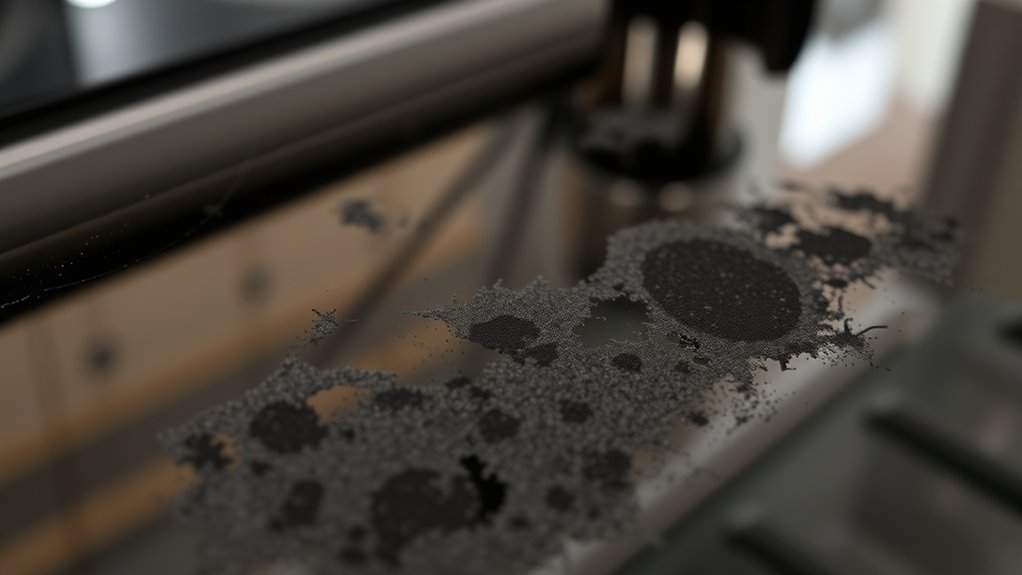
If you have a glass stove, you might notice a layer of soot or discoloration on the surface over time. This is a common issue that can be caused by various factors, and understanding its root can help you keep your stove looking clean and functioning safely. Soot buildup is often linked to incomplete combustion, meaning the fuel isn’t burning as efficiently as it should. When this happens, tiny carbon particles settle on the glass, creating that characteristic black or gray film. You may also notice discoloration or streaks, especially if the stove isn’t maintained regularly. Addressing these issues promptly is essential for proper fireplace maintenance and ensuring stove safety. If you neglect this buildup, it can not only diminish the appearance of your stove but also pose safety risks, such as increased fire hazards or poor airflow. Regular cleaning and proper operation help prevent creosote buildup, which is a common cause of chimney fires.
To keep your stove in top shape, regular cleaning is indispensable. Start by turning off the stove and allowing it to cool completely. Once cooled, use a soft cloth or sponge with a gentle cleaner designed specifically for glass surfaces. Avoid harsh abrasives or steel wool, as they can scratch or damage the glass. For tougher soot deposits, a mixture of baking soda and water forms a gentle abrasive that can be applied with a soft cloth. Gently scrub the surface, then wipe clean with a damp cloth. For stubborn stains, specialized glass stove cleaner can be effective but always follow the manufacturer’s instructions. Regular cleaning not only improves the appearance but also maintains proper stove safety by preventing excessive buildup that could interfere with the stove’s operation or cause dangerous fumes. Additionally, inspecting your stove’s components regularly helps identify issues early and ensures compliance with wood stove safety standards and regulations, promoting safe operation. Proper fireplace maintenance includes not just cleaning the glass but also scheduling professional inspections periodically. This helps identify potential issues early, such as leaks or faulty components, maintaining both stove safety and efficiency. Remember, a well-maintained stove not only looks better but ensures safer operation and longevity. Keeping soot under control and maintaining your stove properly makes a significant difference in both its performance and your peace of mind.
Frequently Asked Questions
Can Glass Soot Cause Health Issues if Inhaled?
Inhaling glass soot can pose health risks, especially if you’re exposed regularly. Soot contains tiny particles that can irritate your lungs and worsen respiratory conditions. While occasional soot exposure might not cause serious issues, repeated inhalation of soot particles increases the risk of lung problems and other health concerns. To stay safe, guarantee proper ventilation and clean your stove regularly to minimize soot buildup and protect your health.
Does the Type of Stove Affect Soot Buildup?
Yes, the type of stove affects soot buildup. Different stove materials, like cast iron or stainless steel, and glass types, such as tempered or ceramic glass, influence how soot accumulates. Some materials are more heat-resistant, reducing soot formation, while others may trap more debris. You’ll find that choosing the right stove material and glass type can make cleaning easier and minimize soot buildup, improving your cooking experience.
Are There Environmentally Friendly Ways to Clean Soot?
Yes, you can use eco-friendly cleaning methods for soot removal. Natural soot removal options include baking soda paste, white vinegar, or lemon juice, which effectively clean without harsh chemicals. You simply apply these solutions to the soot-stained areas, let them sit, and then scrub gently. These eco-friendly cleaning techniques are safe for the environment, your family, and your stove, providing a natural and effective way to keep your stove spotless.
How Often Should I Inspect My Stove for Soot?
You should inspect your stove for soot accumulation at least once a month, especially if you use it frequently. Regular stove inspection helps catch soot buildup early, preventing potential fire hazards and maintaining efficiency. Keep an eye out for dark spots or haze around the glass, and clean as needed. Consistent inspections ensure your stove stays safe, clean, and functioning at its best, reducing the need for extensive cleaning later.
Can Glass Soot Damage the Stove’s Glass Over Time?
Glass soot accumulation can lead to glass deterioration over time if left unchecked. The soot acts as an abrasive, gradually wearing down the surface, especially with frequent buildup. If you ignore soot, it may cause the glass to become cloudy or develop tiny cracks, reducing its integrity. Regular cleaning prevents excessive soot accumulation, protecting your stove’s glass and ensuring it stays in good condition for years to come.
Conclusion
Keeping your stove’s glass soot-free is like tending a delicate garden—you need to stay attentive and gentle. Regular cleaning prevents buildup from turning into a stubborn shadow, saving you time and effort. By understanding the causes and using proper cleaning techniques, you’ll ensure your stove stays shining bright, almost like a mirror reflecting your care. With a little effort, you’ll keep your appliance looking pristine and functioning beautifully, turning cleaning into a breeze rather than a chore.