
To safely tow a towable log splitter, start by inspecting and maintaining the trailer, making sure tires, lights, and brakes are in top condition. Verify your tow vehicle’s capacity and distribute the load evenly. Use a high-quality hitch and securely attach safety chains. Drive steadily, avoid sudden turns, and keep a safe distance from other vehicles. Stay aware of height, width restrictions, and weather conditions. Continuing your effort will help guarantee a safe and smooth towing experience.
Key Takeaways
- Verify the trailer and tow vehicle’s weight ratings and ensure proper load distribution for stability.
- Conduct thorough trailer maintenance, including tire pressure, lighting, brakes, and hitch connection.
- Use a high-quality hitch rated for the log splitter’s weight and securely attach safety chains.
- Follow safe driving practices, maintaining steady speeds, avoiding abrupt maneuvers, and monitoring weather conditions.
- Comply with local towing laws, including lighting standards and maximum weight limits, for legal and safe operation.
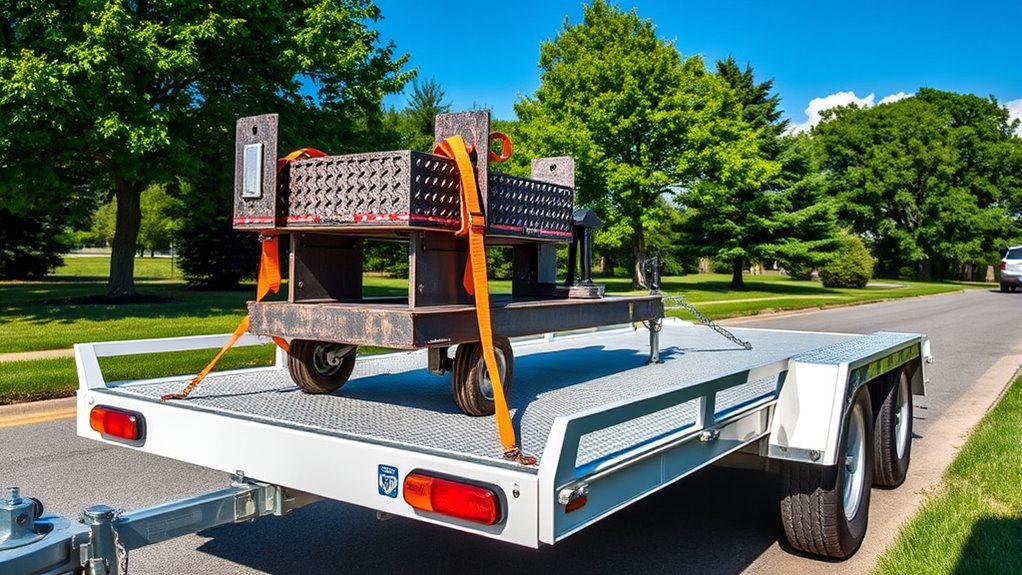
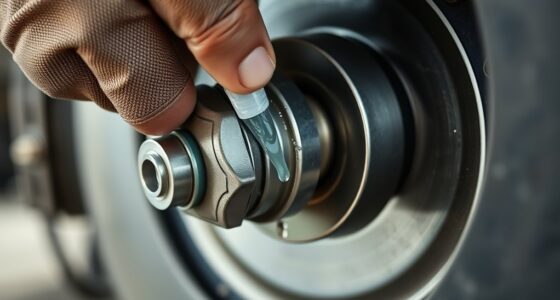
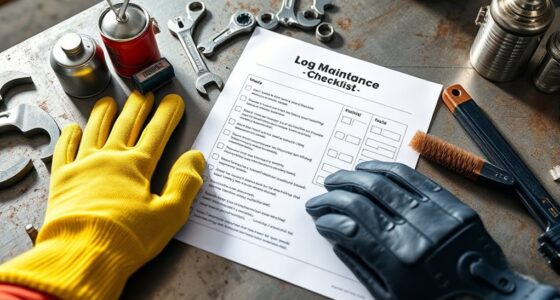
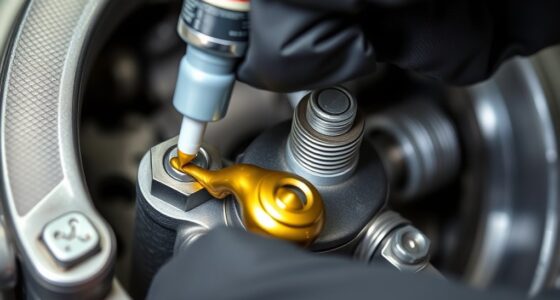
Towing a towable log splitter requires careful attention to safety to prevent accidents and damage. Before hitting the road, you need to ensure your trailer is in top condition, which means paying close attention to trailer maintenance. Check the tires for proper inflation and tread wear, as underinflated or worn tires can lead to blowouts. Inspect the trailer’s lights, brakes, and hitch connection to ensure they are functioning correctly. Proper trailer maintenance not only keeps you safe but also helps you avoid costly fines or delays. It’s equally important to familiarize yourself with the legal requirements for towing in your area. These laws can dictate maximum trailer weight, lighting standards, braking systems, and license or registration needs. Ignoring these regulations can result in hefty fines or even legal trouble, so make sure you’re compliant before you begin your journey.
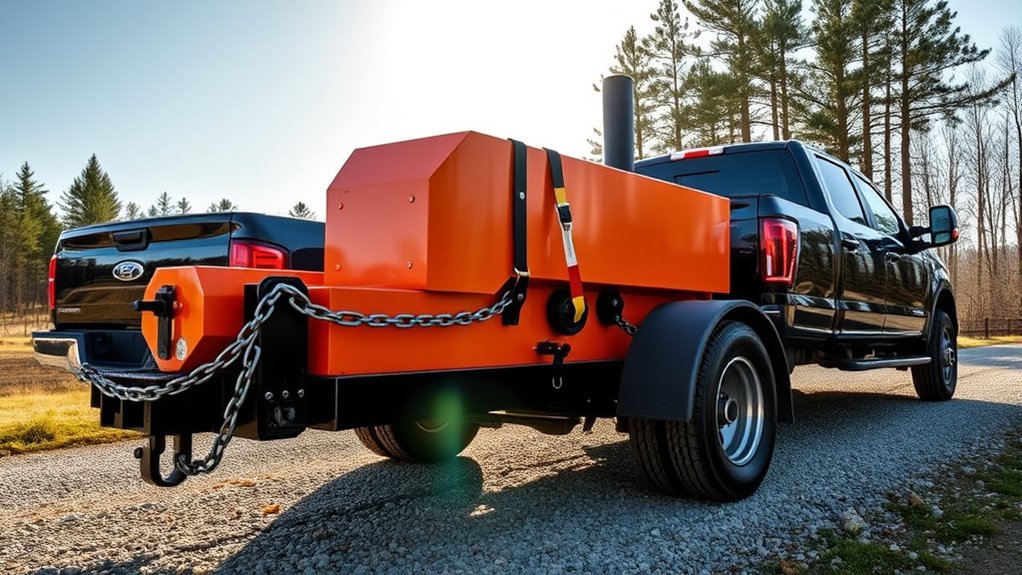
When preparing to tow, double-check that your tow vehicle is rated to handle the log splitter’s weight. Overloading your vehicle can cause steering problems, brake failure, or damage to your engine. Match the trailer’s weight to your vehicle’s towing capacity and distribute the load evenly to maintain stability. Use a high-quality hitch and safety chains, ensuring they are securely attached and rated for the trailer’s weight. A quick inspection of the hitch connection helps prevent detachment during transit, which can be catastrophic.
Once on the road, drive with caution. Maintain steady speeds and avoid sudden turns or abrupt braking, as these actions can cause the trailer to sway or jackknife. Keep a safe distance from other vehicles, especially larger trucks or buses, which generate more wind resistance. Be mindful of height and width restrictions, particularly when passing under bridges or through narrow roads. Always use your trailer’s lights and signals to communicate your intentions to other drivers, especially at night or in poor visibility conditions. Additionally, staying informed about cybersecurity vulnerabilities, such as potential hacking risks, can help protect your vehicle’s connected systems from malicious attacks during your trip.
Frequently Asked Questions
What Type of Vehicle Is Best for Towing a Log Splitter?
You should choose a truck or SUV with strong vehicle compatibility for towing a log splitter. Look for a model with a powerful engine and a suitable trailer hitch type, such as a weight distribution hitch or a Class III hitch, to guarantee safe towing. Make sure your vehicle’s towing capacity matches the weight of the log splitter and trailer to prevent strain or damage during transport.
How Do I Secure the Log Splitter for Transport?
A stitch in time saves nine, so start by securing your log splitter properly. Use heavy-duty securing straps to fasten it tightly to your vehicle’s trailer hitch, ensuring it won’t shift during transit. Attach safety chains as a backup, crossing them underneath the splitter for added stability. Double-check all connections before hitting the road. This way, you prevent accidents and keep your equipment safe on the move.
Are There Legal Weight Limits for Towing a Log Splitter?
Yes, there are legal weight limits for towing a log splitter, and you need to follow local towing regulations. These limits depend on your vehicle’s towing capacity and the combined weight of the trailer and log splitter. Always check your vehicle’s manual and local laws to make certain you’re within legal weight limits. Overloading can lead to fines, safety hazards, and damage to your vehicle or trailer.
Can I Tow a Log Splitter on All Road Types?
You can tow your log splitter on most roads, but don’t assume all are equally friendly. Towing safety depends on trailer compatibility and adherence to road regulations. While highways typically pose no problem, smaller or unpaved roads might be tricky. Check your trailer’s weight limits and local laws before hitting any road, because it’s amusing how often people overlook basic safety—until they’re stuck somewhere inconvenient.
What Maintenance Checks Are Necessary Before Towing?
Before towing, you need to check your log splitter’s tire pressure and make certain it matches the manufacturer’s recommended PSI to prevent blowouts. Perform a brake inspection to confirm the brakes operate smoothly and respond promptly. Also, examine the hitch for secure attachment, inspect lights and signals for proper function, and verify the overall condition of the trailer. These checks help ensure safe towing and prevent accidents on the road.
Conclusion
Towing your log splitter safely is like steering a steady ship through calm waters—you stay alert, follow the rules, and keep everything balanced. When you take these precautions, you turn a potentially bumpy ride into a smooth sail, ensuring your equipment arrives intact and ready to work. Remember, a cautious driver is the captain of a safe journey. So, handle your tow with care, and let your outdoor projects unfold without a hitch.