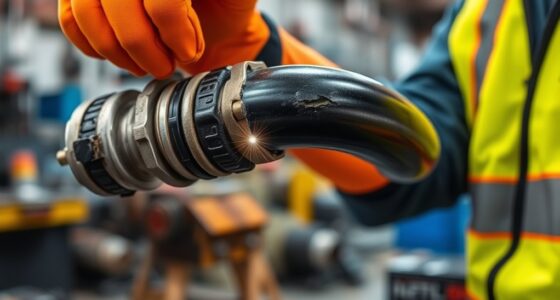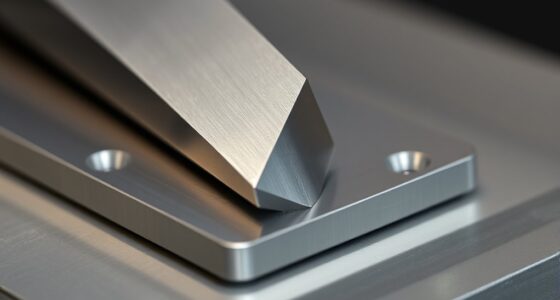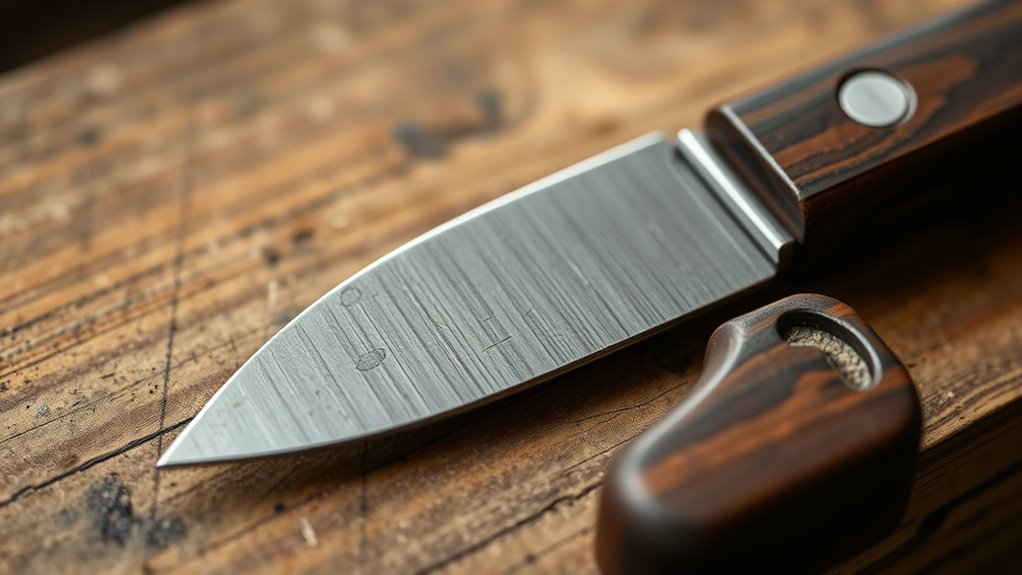

If you have a bent wedge or knife, deciding whether to repair or replace depends on how severe the damage is, the material’s durability, and safety needs. Minor bends or surface damage can often be fixed through straightening or reshaping, saving costs. However, if the damage involves cracks, heavy bends, or compromises safety, replacing the tool guarantees reliable performance and safety. To learn more about making the best choice for your specific situation, keep exploring your options.

Get business pricing on tools and workshop supplies
- Business-only prices and quantity discounts
- Tax-exempt purchasing
- Multiple users, one account, clear invoices
Key Takeaways
- Minor bends or surface damage may be repairable through straightening, but severe bends or cracks typically require replacement.
- Material durability influences repair success; high-quality steel can often be reshaped without compromising strength.
- Repairing damaged tools is usually cheaper upfront but may lead to reduced safety or performance over time.
- Significant damage or material fatigue suggests replacement to ensure safety, reliability, and long-term performance.
- Consider long-term costs, safety standards, and tool condition when deciding between repairing or replacing bent wedges or knives.

A bent wedge or knife can compromise your project’s quality and safety, but deciding whether to repair or replace it depends on the extent of the damage. When evaluating your options, it’s crucial to consider material durability, as it directly impacts the longevity of the tool and your overall investment. If your bent wedge is made from high-quality steel designed for heavy-duty use, you might be tempted to repair it, especially if the damage seems minor. However, if the material isn’t resilient enough or the bend is severe, replacing it could be the better choice to ensure safety and peak performance.
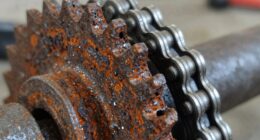
Material durability plays a critical role in this decision. A tool made from a resilient, hardened material is more likely to withstand repairs without compromising its integrity. If you notice cracks or signs of metal fatigue near the bend, repairing might only be a temporary fix, risking further damage or failure during use. Conversely, if the damage is superficial, such as a slight bend or surface deformation, repairing could restore the tool’s functionality at a lower cost. Still, you need to weigh this against the likelihood of recurring issues that could jeopardize your project later on.
Cracks or metal fatigue suggest repairs are temporary; surface issues may be restored at lower cost.
Cost analysis is another crucial factor. Repairing a bent wedge or knife generally involves less upfront expense than replacing it entirely. If the damage is minimal, a simple straightening process or minor reshaping might be sufficient, saving you money. But don’t forget to factor in potential future costs—repeated repairs could add up, possibly exceeding the cost of buying a new, more durable tool. When evaluating costs, consider not just the immediate expenses but also the long-term implications, including downtime, safety risks, and the quality of your work.
In some cases, attempting to repair a bent wedge might give you a temporary solution, but it’s essential to be honest about whether the repair will restore the tool’s original material strength and safety standards. If the repair process weakens the metal or leaves the tool susceptible to future bending, replacing it might be the smarter, more cost-effective choice in the long run. Remember, investing in a new, high-quality wedge or knife could mean fewer interruptions, better results, and increased safety during your project.
Ultimately, your decision should balance material durability and cost analysis. If the damage is minor and the tool’s material can withstand repairs without compromising safety, fixing it makes sense. But for severe damage or less durable materials, replacing the wedge or knife ensures you maintain the high standards needed for a successful project. Additionally, considering the benefits of Glycolic Acid in skin care might seem unrelated, but just as choosing the right tool affects project outcomes, selecting appropriate materials and methods ensures optimal results in your work.

BILT HARD Log Splitter 6.5 Ton, Wood Splitter Electric Powered 15Amp, with Hydraulic Ram, Electric Firewood Splitting Machine, Horizontal
- Powerful Motor: 15Amp motor with 6.5-ton pressure
- High-Speed Performance: Splits logs up to 9.8" diameter
- Efficient Hydraulic System: Quick reset for continuous splitting
As an affiliate, we earn on qualifying purchases.
Frequently Asked Questions
How Long Does a Typical Wedge or Knife Repair Last?
A typical wedge or knife repair usually lasts between six months to a year, depending on usage and maintenance. Wedge durability varies based on the material and how often you sharpen or handle it. Proper care can enhance repair longevity, but heavy or frequent use may shorten its lifespan. Regular inspections and timely repairs help maximize the lifespan, ensuring you get the most out of your repaired wedge or knife.
Are There Safety Concerns When Repairing Bent Tools?
A stitch in time saves nine, and safety should always come first when repairing bent tools. When working with different tool materials, you want to follow proper repair techniques to avoid accidents. Safety concerns include potential sharp edges, weakened structural integrity, and improper handling. Always wear protective gear, use the right tools, and guarantee the repair is solid before use. If unsure, consulting a professional helps keep you safe.
Can DIY Repairs Match Professional Quality?
DIY repairs can sometimes match professional quality, but it depends on your skill level, tool material, and repair techniques. If you have experience working with similar tools and understand the proper methods, you might achieve a good fix. However, complex repairs or delicate materials often require professional expertise to guarantee safety and durability. Always weigh the risks and benefits before attempting to match professional standards yourself.
What Are the Cost Differences Between Repair and Replacement?
If you compare costs, repairing a bent wedge might cost around $50, while replacing it could be $150 or more. For example, a homeowner saved money by repairing their wedge instead of replacing it, but if the damage is severe, replacement might be more cost-effective. An expense analysis shows repairs are generally cheaper upfront, but consider long-term durability. Your choice depends on the extent of damage and your budget.
How Do I Prevent Future Bending or Damage?
To prevent future bending or damage, you should focus on proper storage and regular maintenance. Store your wedges and knives in a safe, dry place where they won’t get knocked around or bent. Regularly inspect and sharpen your tools to keep them in good shape, and avoid using them on hard surfaces that could cause damage. Proper care extends their lifespan and keeps them working effectively.
Conclusion
Deciding whether to repair or replace your bent wedge or knife depends on the extent of the damage and your budget. Remember, about 60% of tools can be successfully repaired if caught early, saving you money and time. If the damage is minor, repair is often the best choice, but for severe bends, replacement might be more cost-effective in the long run. Weigh your options carefully to keep your work efficient and safe.
Fall yard work Picks
leaf blowers
As an affiliate, we earn on qualifying purchases.