If your breaker keeps tripping when using electric splitters, it’s likely due to an overloaded circuit, faulty wiring, or a malfunctioning splitter. Multiple devices or high-power tools draw excess current, pushing the breaker to protect the system. Damaged or loose wiring, or an aging breaker, can also cause unnecessary trips. To prevent this, reduce load or check for wiring issues; if problems persist, further details are available to help you identify the real cause.
Key Takeaways
- Overloading the circuit with multiple devices or high-power tools causes the breaker to trip to prevent damage.
- Faulty, damaged, or loose wiring can disrupt current flow and trigger breaker trips.
- A malfunctioning or worn-out breaker may trip unnecessarily, even without an overload.
- Internal faults or damage within the splitter can draw excessive current, causing trips.
- Regular system inspection and reducing device load can prevent frequent breaker trips.
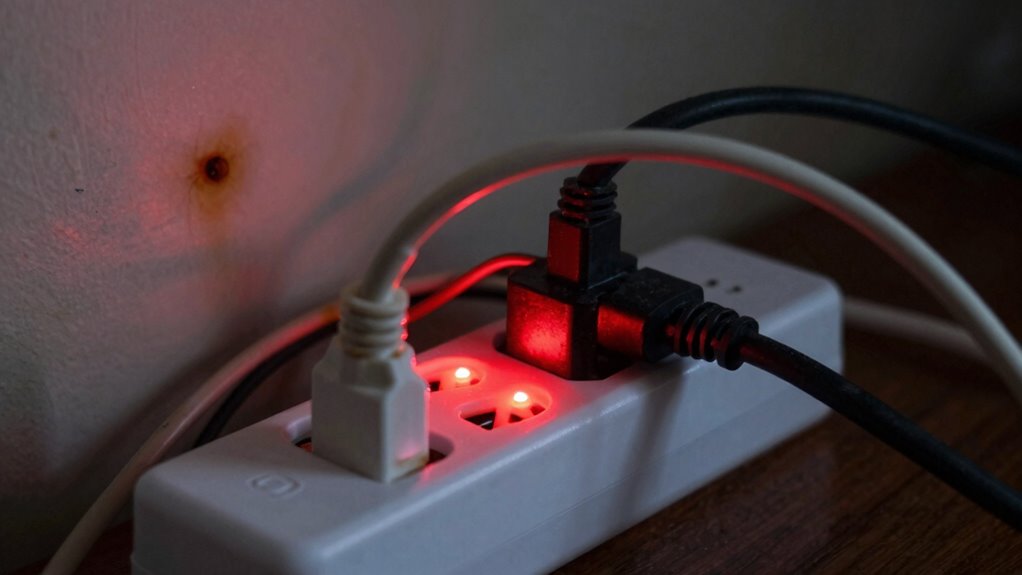
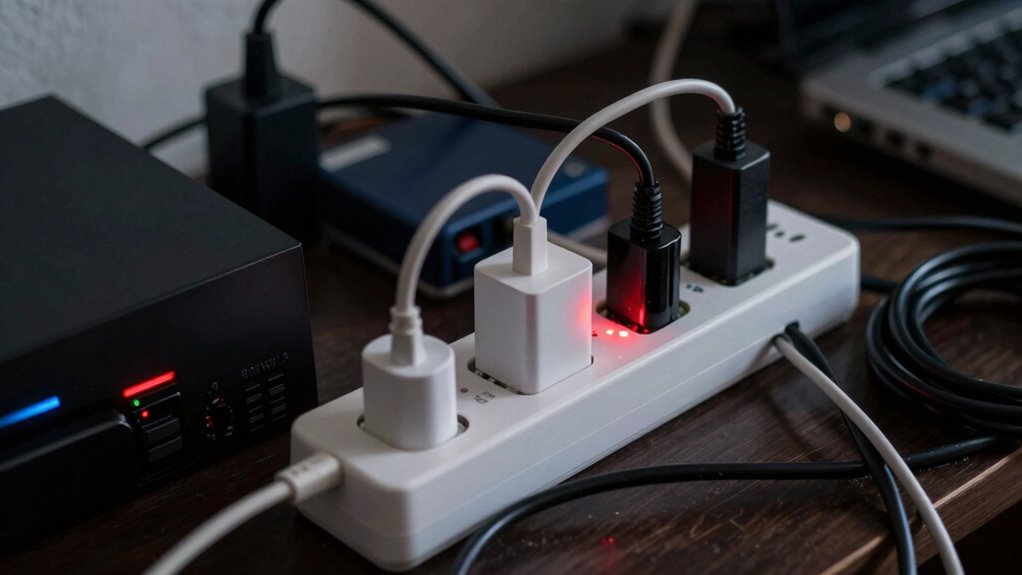
If your electric splitter keeps tripping the breaker, it can be frustrating and disruptive to your work. The most common culprit is a circuit overload, which occurs when too many devices draw power from the same circuit. Your splitter, especially if it’s powerful or if you’re running multiple tools simultaneously, may be pushing the circuit beyond its capacity. When that happens, the breaker trips to prevent overheating or damage, stopping your work in its tracks. To fix this, you should check the total load on your circuit and ensure it doesn’t exceed the breaker’s rated capacity. Sometimes, simply unplugging other devices on the same circuit can resolve the issue.
Overloading your circuit can cause breaker trips; unplug other devices to reduce the load.
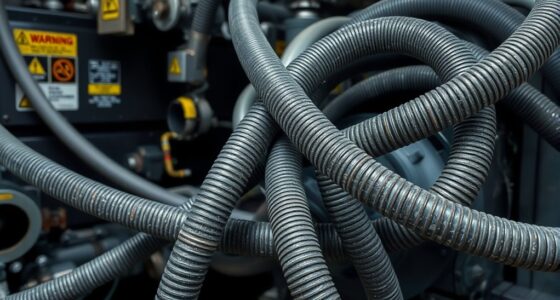
However, circuit overload isn’t the only reason for frequent breaker trips. Wiring issues can also be at fault. Faulty, loose, or damaged wiring can cause interruptions in the electrical flow, leading to trips as a safety measure. If your wiring isn’t up to code or has become worn over time, it might create shorts or unstable connections that trip the breaker whenever the splitter is in use. Inspecting your wiring is essential; look for frayed cables, scorch marks, or loose plugs. If you notice any of these signs, it’s best to call an electrician rather than trying to fix it yourself. Proper wiring ensures that your splitter gets a steady power supply without risking damage or safety hazards.
Another wiring-related issue could be a defective breaker itself. Breakers can weaken over time or become faulty, causing unnecessary trips even when the circuit isn’t overloaded. If you suspect this, you might need to replace the breaker. Always turn off the main power before attempting any repairs, and consider consulting a professional for safety reasons.
In some cases, your electric splitter might be the problem. If it’s malfunctioning or has internal electrical faults, it could be drawing excessive current, which leads to trips. Check for signs of damage or burning smells, and consider testing the splitter on a different circuit or replacing it if necessary.
Additionally, understanding home electrical systems and their capacity can help prevent these issues in the future, ensuring your work environment remains safe and efficient. Ultimately, resolving breaker trips involves a process of elimination. Start by reducing the load on the circuit, then inspect your wiring, and consider the condition of your breaker and splitter. If these steps don’t solve the issue, don’t hesitate to seek professional help. Ensuring your electrical system is in good shape keeps your work safe and prevents unexpected interruptions.
Frequently Asked Questions
Can Overloaded Splitters Cause Breaker Trips?
Yes, overloaded splitters can cause breaker trips. When you connect too many devices, it creates power overloads that strain the electrical system. This can lead to wiring issues or overheating, prompting the breaker to trip as a safety measure. To avoid this, you should limit the number of devices plugged into a splitter and guarantee your wiring is in good condition. Properly managing your power load keeps your system safe and functioning.
How Do I Reset a Breaker Safely?
To reset a breaker safely, first verify there’s no ground fault or circuit overload. Turn off all connected devices, then locate your breaker box. Flip the tripped breaker to the OFF position, wait a few seconds, and then switch it back ON. Check that your devices are functioning properly, and avoid overloading the circuit again. Always use caution, and if you’re unsure, consult a professional electrician for help.
Are Certain Appliances More Likely to Trip Breakers?
Yes, certain appliances are more likely to trip breakers because they draw more current, risking overload if they surpass your circuit capacity. Heavy-duty appliances like space heaters, microwaves, or hair dryers often cause trips if plugged into incompatible circuits or overloaded splitters. To prevent this, make sure your appliances are compatible with your circuit’s capacity, and avoid overloading splitters by spreading out high-power devices across multiple circuits.
What Size Splitter Is Recommended for My Needs?
You should choose a splitter with a power rating that matches or exceeds your total power needs, ensuring it can handle the load safely. Always follow safety guidelines by not exceeding the recommended capacity and avoiding daisy-chaining multiple splitters. For most household appliances, a splitter rated for 15-20 amps is suitable, but for high-power tools, opt for a heavier-duty model. Prioritize safety to prevent tripping breakers and potential hazards.
How Often Should I Inspect Electrical Splitters?
Think of your electrical splitter like a car needing regular check-ups. You should inspect it at least once a year for safety precautions and wiring issues. If you notice flickering lights, sparks, or tripped breakers more often, it’s time to do a quick check sooner. Regular inspections help prevent hazards, ensuring your setup stays safe and reliable. Don’t wait—staying proactive keeps your home secure.
Conclusion
If your breaker keeps tripping on electric splitters, don’t ignore the warning signs. It’s better to address the root cause rather than keep chasing your tail. Sometimes, it’s a simple fix like unplugging excess devices or checking for faulty wiring. Remember, a stitch in time saves nine—taking quick action now can prevent bigger problems later. Stay safe, and don’t let electrical issues become a thorn in your side.