
If your electric motor keeps overheating, it could be due to overloads, poor ventilation, electrical faults, or mechanical issues. Make sure you’re not exceeding its rated capacity and that vents are clean and unobstructed. Regular maintenance, lubrication, and monitoring temperature levels can also prevent overheating. Investing in proper cooling systems and following manufacturer guidelines help keep your motor running smoothly. Keep going to discover essential tips to safeguard your motor from damage.
Key Takeaways
- Overloading the motor beyond its rated capacity causes excessive heat buildup.
- Poor ventilation or blocked vents hinder heat dissipation, leading to overheating.
- Electrical issues like short circuits or high resistance increase heat generation.
- Regular maintenance, including cleaning and lubrication, prevents mechanical failure and reduces heat.
- Using supplementary cooling methods and temperature sensors helps monitor and control motor temperature effectively.
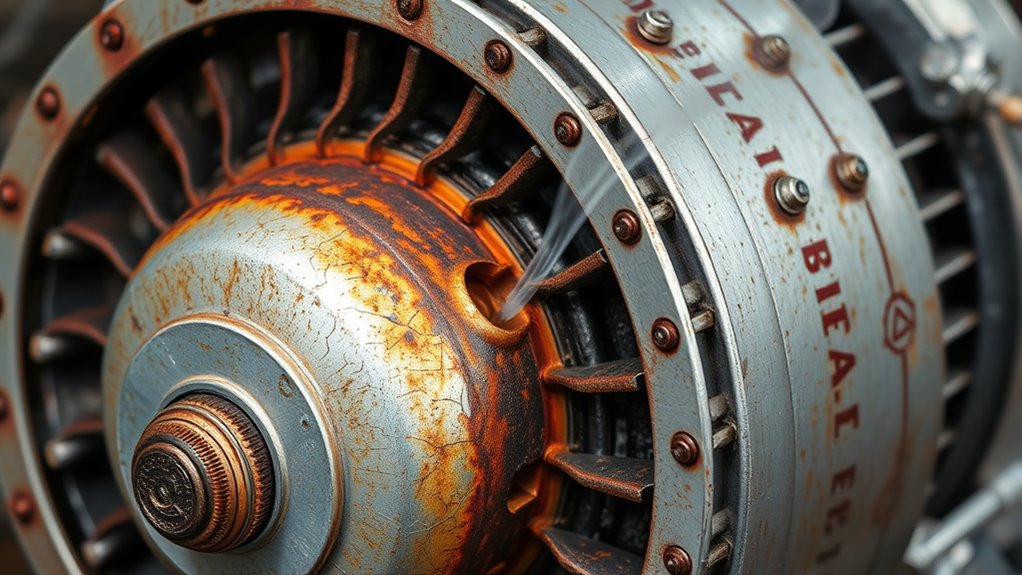
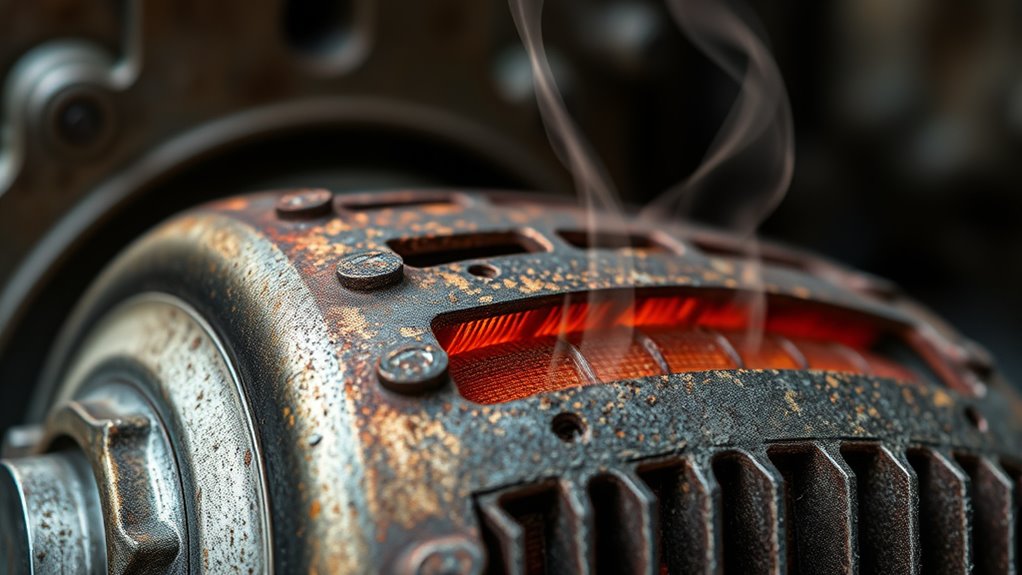
Electric motor overheating occurs when the motor’s temperature rises beyond its safe operating range, often leading to damage or failure. When this happens, it’s essential to understand how to prevent it from worsening and how to implement effective cooling strategies. Overheating can be caused by various factors, including excessive load, poor ventilation, or electrical issues, so addressing the root cause is key to protecting your motor’s lifespan.
Overheating damages motors; identify causes and implement proper cooling to protect your equipment’s lifespan.
One of the most effective ways to prevent overheating is to focus on proper cooling strategies. You might already have a cooling system in place, such as fans, heat sinks, or liquid cooling, but guaranteeing they’re functioning properly is vital. Regularly check that fans are free of dust and debris, as clogged filters or blocked vents can considerably reduce airflow. If your motor operates in a hot environment, consider adding supplementary cooling measures like additional fans or cooling jackets. Using thermal management products can also help dissipate heat more efficiently, especially during high-demand periods. Installing temperature sensors can give you real-time data, allowing you to react before temperatures reach critical levels. Ensuring the cooling system is compliant with reliable standards helps maintain consistent performance and safety.
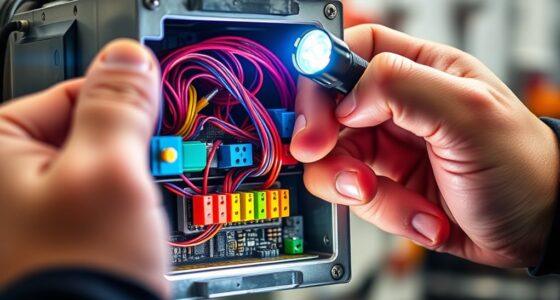
Alongside cooling, adhering to recommended maintenance tips keeps your motor running within safe temperature limits. Regular inspections of electrical connections help prevent issues like short circuits or increased resistance that can generate excess heat. Lubricating bearings and moving parts reduces friction, which in turn reduces heat buildup. Checking for signs of wear or damage early on can prevent overheating caused by mechanical failure. Keeping the motor clean from dust, dirt, and grease also improves heat dissipation, since buildup acts as an insulator, trapping heat inside. Additionally, avoid overloading the motor beyond its rated capacity, as this puts extra stress on the system and causes it to generate more heat.
Implementing these maintenance tips and cooling strategies isn’t just about immediate fixes — it’s about creating a proactive approach to motor care. Always follow the manufacturer’s guidelines for operating conditions and maintenance routines. Investing in routine inspections and keeping your cooling systems in top shape can save you from costly repairs and unexpected downtime. Remember, a well-maintained motor with effective cooling is less likely to overheat, performs more reliably, and lasts longer. By staying vigilant and taking preventive measures, you guarantee your electric motor operates at ideal temperature levels, avoiding the risks associated with overheating and keeping your operations running smoothly.
Frequently Asked Questions
How Often Should I Inspect My Motor for Overheating Signs?
You should inspect your motor for overheating signs at least monthly, especially during peak usage periods. Regular inspection frequency helps catch issues early, preventing costly damage. Look for unusual heat, strange smells, or abnormal noise, and check for signs of insulation damage or overheating components. By staying vigilant and inspecting frequently, you can ensure your motor runs efficiently and avoid breakdowns caused by overheating.
Can Using a Different Lubricant Prevent Overheating?
Using a different lubricant can help prevent overheating if you choose the right lubricant for your motor. Proper lubricant selection guarantees effective temperature regulation by reducing friction and heat buildup. Make sure to select lubricants with the appropriate viscosity and thermal stability for your motor’s operating conditions. Regularly inspecting and maintaining the lubricant levels also supports consistent temperature regulation, keeping your motor running efficiently and preventing overheating issues.
What Are the Long-Term Effects of Motor Overheating?
Oh, so overheating isn’t just a quick burn-out; it’s a recipe for disaster. Long-term, you risk thermal expansion causing parts to warp, making your motor less efficient, and insulation degradation leading to shorts and fires. Over time, these issues can shorten your motor’s lifespan, increase maintenance costs, and even cause complete failure. So, ignoring overheating now means paying more later—probably in a smoke-filled room.
Is It Safe to Operate a Motor That Feels Slightly Warm?
It’s generally safe to operate a motor that feels slightly warm, but you should monitor it closely. Slight warmth indicates normal operation, but inadequate thermal insulation or cooling systems can cause overheating over time. confirm your motor’s cooling system is functioning properly and that thermal insulation is intact to prevent long-term damage. Regular maintenance can help keep the motor within safe temperature ranges and avoid potential overheating issues.
How Does Ambient Temperature Influence Motor Overheating Risks?
Ambient temperature acts like a silent partner, quietly influencing your motor’s health. When the surroundings are hot, it’s harder for your motor to keep cool, increasing overheating risks. High ambient impact hampers temperature regulation, making your motor run hotter than usual. To prevent this, guarantee proper ventilation and cooling systems are in place, especially in warmer environments. Staying aware of ambient conditions helps you keep your motor running smoothly and safely.
Conclusion
To prevent your electric motor from overheating, prioritize proper maintenance, monitor loads, and keep vents ventilated. Vigilantly check for signs of stress or strain, and swiftly address any issues. By practicing preventative measures, you’ll preserve power, prolong performance, and prevent pricey repairs. Protect your investment with proactive precautions, and keep your motor cool, consistent, and catastrophe-free. Remember, regular care and keen vigilance keep your motor moving smoothly and safely, avoiding overheating hassles before they happen.