
If your engine starts then dies, a sneaky fuel issue might be the culprit. Clogged fuel injectors or a failing fuel pump can restrict fuel flow, preventing sustained combustion. Sometimes, a faulty fuel pressure regulator causes inconsistent fuel delivery, making the engine stall shortly after starting. Troubleshooting these problems involves inspecting fuel components and checking pressure. If you want to uncover more about these hidden fuel system faults, keep exploring the possible causes and solutions.
Key Takeaways
- Clogged fuel injectors can restrict fuel flow, causing the engine to start then stall.
- A failing fuel pump may not maintain proper fuel pressure, leading to engine shutdown after start.
- Faulty fuel pressure regulators disrupt consistent fuel delivery, resulting in engine stalling.
- Inconsistent or incorrect fuel pressure prevents smooth combustion, causing engine to die shortly after starting.
- Fuel system leaks or clogged filters can reduce fuel supply, causing the engine to start but not run steadily.

If your engine starts but then quickly dies, it can be frustrating and confusing. One common culprit behind this issue is a problem with your fuel injection system. Modern vehicles rely on fuel injection to deliver the right amount of fuel to the engine at precisely the right moment. If the fuel injection isn’t functioning properly, your engine might get enough fuel to start but then fail to sustain combustion. This could be due to clogged fuel injectors, a failing fuel pump, or issues with the fuel pressure regulator. When fuel isn’t delivered consistently or at the correct pressure, the engine struggles to keep running, causing it to stall shortly after starting.
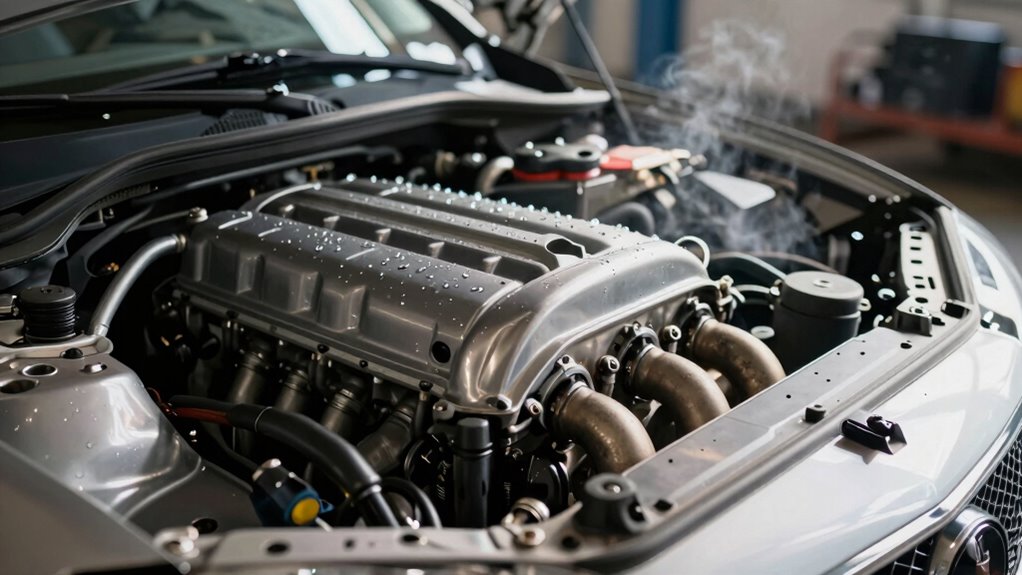
Engine stalls after starting due to fuel injection issues like clogged injectors or failing fuel pump.
Another key factor that plays a role in this problem is ignition timing. Proper ignition timing ensures that the spark ignites the air-fuel mixture at exactly the right moment in the combustion cycle. If the timing is off—either too advanced or too delayed—the engine may start but then die because the combustion process isn’t efficient enough to sustain power. Over time, components like the timing belt or chain can slip or stretch, leading to incorrect timing. Alternatively, sensors that monitor engine timing, such as the camshaft or crankshaft position sensors, might malfunction, throwing off the ignition timing. When ignition timing is out of sync, your engine’s combustion becomes erratic, causing it to stall shortly after starting.
It’s important to check both fuel injection and ignition timing when troubleshooting a start-and-die issue. Sometimes, issues with fuel injection are mistaken for ignition problems or vice versa. For example, if your fuel injectors are clogged or the fuel pump isn’t working correctly, the engine might not get the fuel it needs to run smoothly, despite the spark being delivered at the right time. Conversely, if the ignition timing is incorrect, even a perfectly functioning fuel system can’t keep the engine running because combustion isn’t happening efficiently. Proper fuel system maintenance can prevent many of these issues from occurring.
To diagnose these issues, start with a visual inspection of the fuel system, checking for leaks, clogged filters, or faulty injectors. Simultaneously, verify the ignition timing using a timing light and consult your vehicle’s service manual to ensure the timing aligns with manufacturer specifications. If you’re unsure, it’s often best to have a professional mechanic test both systems with specialized tools. Addressing fuel injection problems and correcting ignition timing can restore your engine’s ability to run smoothly without stalling immediately after starting.
Frequently Asked Questions
Can a Faulty Fuel Pump Cause Engine Stalling?
Yes, a faulty fuel pump can cause engine stalling. When your fuel pump malfunctions, it may lead to fuel delivery issues, causing the engine to stall unexpectedly. This problem can be worsened by fuel gauge inaccuracies, making it hard to tell if you’re truly low on fuel. Additionally, fuel line blockages can mimic pump issues, restricting fuel flow and causing your engine to cut out, especially during acceleration or under load.
Does Low Fuel Pressure Always Indicate a Fuel System Problem?
Low fuel pressure doesn’t always mean a fuel system problem; it could be due to fuel gauge inaccuracies or fuel line blockages. You might see a false reading on your gauge, or debris could be obstructing the flow, causing pressure drops. Always check for these issues before assuming a faulty fuel pump or other major problems. Proper diagnosis guarantees you address the root cause effectively, saving time and money.
How Does Fuel Contamination Affect Engine Performance?
Fuel contamination can severely impact your engine, with studies showing that 30% of fuel system issues stem from contaminated fuel. When your fuel’s color changes or you notice contamination symptoms like rough idling, hesitation, or poor acceleration, your engine performance suffers. Contaminants clog injectors, disrupt combustion, and decrease efficiency, which can lead to increased emissions and costly repairs. Always check fuel quality to keep your engine running smoothly and avoid these problems.
Are There Specific Signs of a Failing Fuel Filter?
If your fuel filter clog causes signs of failure, you’ll notice engine hesitation, sputtering, or difficulty starting. You might also see a drop in fuel efficiency and occasional stalling. These signs failure indicate the filter isn’t allowing proper fuel flow, risking engine performance. Regularly check and replace your fuel filter to prevent these issues, especially if you notice any of these symptoms.
Can a Fuel Injector Issue Mimic Other Engine Problems?
Think of a failing fuel injector as a mischievous gatekeeper, sometimes letting fuel flow freely, other times blocking it entirely. Yes, fuel injector symptoms can mimic other engine issues, making it tricky to diagnose. During injector troubleshooting, you might notice rough idling or poor acceleration, similar to spark plug problems or vacuum leaks. Keep a keen eye on these signs, because a faulty injector can hide behind other engine troubles.
Conclusion
So, next time your engine starts then dies, consider checking the fuel system first. It’s a common culprit, especially if the fuel isn’t flowing properly or is contaminated. By inspecting the fuel filter, pump, or lines, you might find the sneaky issue causing your engine’s trouble. Don’t jump straight to complex fixes—sometimes, the problem’s as simple as clean fuel. Trust your instincts, and with a little investigation, you’ll get back on the road faster.