
If your splitter runs fine but refuses to retract, the issue could be a hydraulic pressure imbalance or a faulty control valve, which stops fluid from returning properly. Mechanical blockages like dirt, debris, or damaged seals can also jam the cylinder, preventing retraction. Regular inspections, fluid checks, and maintenance can catch these problems early. Staying aware of these potential causes can help you troubleshoot further and uncover the hidden reason behind the issue.

Get business pricing on tools and workshop supplies
- Business-only prices and quantity discounts
- Tax-exempt purchasing
- Multiple users, one account, clear invoices
Key Takeaways
- Hydraulic pressure may be sufficient for operation but insufficient for retraction due to relief valve issues.
- Mechanical blockages or debris inside the cylinder prevent the ram from retracting properly.
- Faulty or stuck control valves can allow fluid flow in one direction but block retraction.
- Hydraulic system contamination or damaged seals cause abnormal pressure buildup, hindering retraction.
- Inconsistent or low hydraulic fluid levels can cause the splitter to run but not retract smoothly.

If your splitter runs smoothly but refuses to retract, it can be frustrating and potentially dangerous. You might notice the engine runs without issue, the hydraulic system powers the splitting action, but the ram stays extended, refusing to return. The cause isn’t always obvious, but understanding hydraulic pressure and mechanical blockages can guide you toward a solution.
One common reason for this problem is a buildup of hydraulic pressure. Hydraulic systems rely on a balance of pressure to operate smoothly. When you activate the retraction, the hydraulic fluid is supposed to flow back into the tank, allowing the ram to retract. However, if there’s excessive hydraulic pressure trapped in the system—perhaps from a faulty pressure relief valve or an obstruction—the fluid can’t flow properly. This pressure imbalance keeps the ram extended, even though the pump continues to run normally. You might hear the pump working, but the ram won’t move back. Checking the hydraulic pressure with a gauge can reveal if this is the cause. If pressure readings are abnormally high during retraction attempts, releasing or adjusting the pressure relief valve might resolve the issue. Additionally, regular maintenance practices can help prevent such pressure-related problems. Performing hydraulic system diagnostics periodically can also identify issues before they cause operational failures. Proper system calibration ensures the hydraulic components are working within their optimal parameters, reducing the likelihood of these issues. Ensuring the hydraulic fluid is at the correct level and free of contaminants is also essential for smooth operation. A thorough inspection of the entire hydraulic circuit can uncover hidden problems that might not be immediately apparent.
Excess hydraulic pressure trapping fluid can prevent retraction; check pressure relief valves and gauge readings.
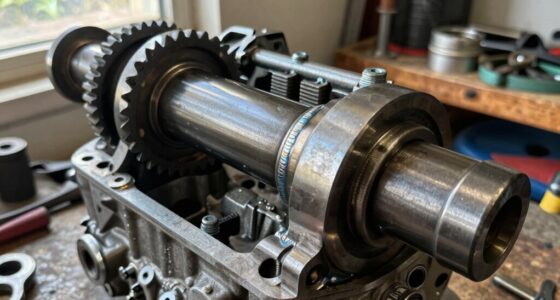
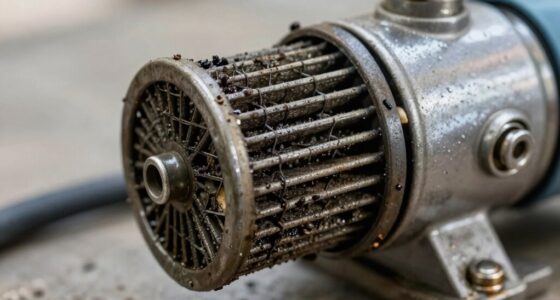
Another culprit is a mechanical blockage within the hydraulic cylinders or the ram itself. Debris, dirt, or even a damaged seal can cause the piston to become stuck or jammed. Over time, contaminants can accumulate inside the cylinder, creating a barrier that prevents the ram from retracting. Sometimes, a bent or damaged rod can also physically obstruct movement. When you attempt to retract the ram, the hydraulic pressure is exerted, but it can’t overcome the mechanical barrier. In such cases, you need to inspect the cylinder visually and possibly disassemble it for cleaning or repair. Ensuring the hydraulic fluid is clean and the cylinder is free of debris can prevent these blockages. Regularly inspecting and maintaining the hydraulic system components will help catch these issues early before they cause significant damage. Using quality hydraulic fluid can also reduce the risk of seal deterioration and debris buildup, prolonging component life.
In some instances, the issue might stem from a faulty hydraulic control valve that doesn’t direct fluid correctly during retraction. If the valve sticks or malfunctions, hydraulic fluid may not flow back into the tank, leaving the ram extended. Troubleshooting this involves inspecting the control valve for proper operation, cleaning or replacing it if necessary.
Ultimately, the weird reason your splitter runs fine but refuses to retract often boils down to a combination of hydraulic pressure issues and mechanical blockages. Regular maintenance, including checking hydraulic pressure, inspecting for debris, and ensuring components are in good shape, can prevent this problem. When troubleshooting, start with the simple checks—like inspecting the hydraulic fluid and pressure—and then move on to more involved repairs if needed. By understanding these core issues, you can keep your splitter functioning smoothly and safely.
hydraulic pressure gauge for splitter
As an affiliate, we earn on qualifying purchases.
As an affiliate, we earn on qualifying purchases.
Frequently Asked Questions
Can a Faulty Splitter Cause Electrical Shocks?
Yes, a faulty splitter can cause electrical shocks if it’s damaged or not properly maintained. Poor splitter maintenance can expose live wires or create shorts, increasing shock risk. To guarantee electrical safety, regularly inspect your splitter for wear, cracks, or exposed wiring, and replace it if needed. Always unplug equipment before handling the splitter, and avoid using damaged devices to prevent potential shocks and maintain safe electrical operations.
How Often Should I Test My Splitter’s Retraction Function?
You should test your splitter’s retraction function at least once a month as part of regular splitter maintenance. During troubleshooting steps, make certain the retraction mechanism moves smoothly without resistance. Regular testing helps catch issues early, preventing potential damage or safety hazards. If the retraction isn’t working properly, inspect for debris or damage, and consider consulting the manufacturer or a professional for further troubleshooting and repairs.
Are There Safety Risks if a Splitter Runs but Doesn’t Retract?
If your splitter runs but refuses to retract, safety risks are huge—you could seriously injure yourself or cause a machine malfunction. This isn’t just a minor hiccup; it’s a warning sign that you need urgent splitter maintenance. Ignoring it puts user safety at serious risk, so stop using the splitter immediately and get it checked by a professional. Regular maintenance guarantees safe operation and prevents dangerous failures.
What Brands Are Known for Reliable Retractable Splitters?
You should look into brands like Honda, Briggs & Stratton, and Honda for reliable retractable splitters. These brands are known for their excellent splitter durability and consistent performance. Their models often feature robust construction and dependable retraction mechanisms, reducing the risk of jams or failures. Choosing a trusted brand guarantees you get a splitter that runs smoothly and retracts properly, offering long-lasting reliability and safety during heavy-duty tasks.
Can Environmental Factors Affect Splitter Retraction Performance?
Environmental factors like solar interference and moisture corrosion can definitely affect your splitter’s retraction performance. For example, if your splitter is exposed to prolonged sunlight, solar interference might cause electrical glitches, while moisture corrosion can seize internal components, preventing proper retraction. In a real case, a splitter in a humid climate experienced rust buildup, leading to mechanical sticking. Protect your equipment with weatherproofing and regular maintenance to keep retraction smooth.
Conclusion
Think of your splitter as a loyal friend—sometimes, it runs smoothly, but other times, it refuses to retract, like a stubborn mule. When it stalls, it’s signaling that something’s amiss beneath the surface, much like a silent cry for help. Remember, your splitter’s ability to work is a delicate dance of trust and maintenance. Treat it with care, and it’ll keep working for you, standing ready like a steadfast guardian in your yard’s quiet battles.
Fall yard work Picks
leaf blowers
As an affiliate, we earn on qualifying purchases.