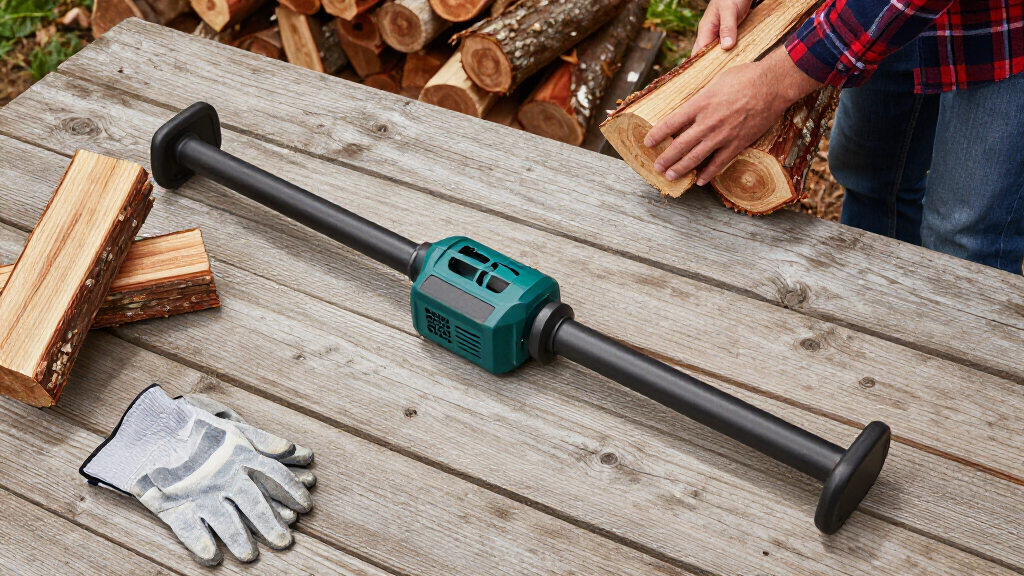

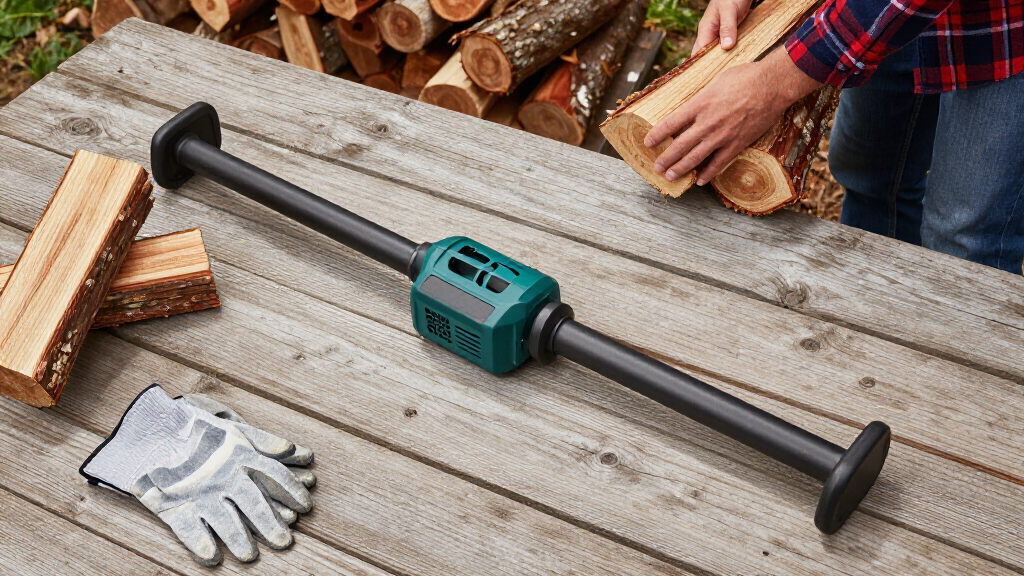
An electric log splitter is the cleanest way to turn a woodpile into stove-ready firewood without fumes, gas, or a sore back, and the market in 2026 is dominated by two categories: affordable 6.5–7 ton horizontal models and more powerful 14–16 ton machines. My top pick overall is the 16-Ton Electric Log Splitter with 21″ x 16″ Capacity, because its 17.5 Amp brushless motor and extra log capacity let it handle rounds that stall every 7-ton unit on this list. For budget-conscious buyers, the YARDMAX YS0650 6.5 Ton stands out for its full-beam build quality at a compact price, while the BILT HARD 6.5 Ton with Stand is the best choice for anyone who wants ergonomic working height without paying a premium. The main tradeoff you’ll face is splitting force versus price and portability — smaller units are easy to store and move but struggle with knotty hardwoods. Keep reading for the full breakdown of all 13 models.

Get business pricing on tools and workshop supplies
- Business-only prices and quantity discounts
- Tax-exempt purchasing
- Multiple users, one account, clear invoices
Complete the kit



Key Takeaways
- The 16-ton models (picks #4 and #9) split roughly twice the wood per hour of the 6.5–7 ton group, but they cost noticeably more and give up the one-hand portability that makes small units appealing for suburban backyards.
- Within the crowded 7-ton field, detachable cross blades and 4-way wedges (picks #1–3) were the biggest differentiators, turning one cycle into four pieces instead of two — a genuine productivity multiplier for repeated splitting.
- Included stands matter more than buyers expect: the BILT HARD 6.5 Ton with Stand (#10) eliminated the back strain of ground-level units, which several identical-spec competitors force you to accept.
- Brushless motors on the 16-ton picks (#4 and #9) ran cooler and quieter through sustained sessions than the standard 15 Amp motors shared by nearly every 7-ton model here.
- At 6.5–7 tons, build quality and warranty support — strongest from YARDMAX, PowerSmart, and BILT HARD — matter more than a half-ton of force difference, since all units in this range share similar hydraulic performance.


| electric log splitter | Splitting Force | Cycle Time | Motor Power | Max Log Length |
|---|---|---|---|---|
| 16-Ton Electric Log Splitter w | 16 tons | 18 seconds | — | — |
| YARDMAX YS0650 6.5 Ton Electri | — | — | — | — |
| 7-Ton Electric Log Splitter wi | 7 tons | 18 seconds | 3HP | — |
| PPOLB 7 Ton Electric Log Split | — | — | — | — |
| PPOLB 7 Ton Electric Wood Spli | — | — | — | — |
| PowerSmart Electric Log Splitt | 7 tons | 20 seconds | — | 20 inches |
| VEVOR Electric Log Splitter | 6.5 tons | — | 1500W / 15 Amp | 20 inches |
| 7 Ton Electric Log Splitter wi | — | 17 seconds | — | 20.5 inches |
| Electric Log Splitter 16 Ton f | 16 tons | 18 seconds | 17.4 Amp / 1600W | 20 inches |
| BILT HARD 6.5 Ton Electric Log | 6.5 tons | — | 15 Amp | 20.5 inches |
| BILT HARD 14 Ton Electric Log | 14 tons | — | 15 Amp, 1800W | — |
| PowerSmart Electric Log Splitt | 6.5 tons | 20 seconds | 15 Amp, 3450 rpm | 20 inches |
| BILT HARD 6.5 Ton Electric Log | 6.5 tons | 18 seconds | 15 Amp | 20.5 inches |
More Details on Our Top Picks
16-Ton Electric Log Splitter with 21″ x 16″ Capacity, 17.5 Amp Brushless Motor, Hydraulic Pump, and Portable Design
When I weigh raw capability against everyday usability, this 16-ton model earns the top spot. It more than doubles the splitting force of the 7-ton PPOLB units, which means gnarly oak, maple, and other hardwoods that stall smaller machines become routine work. The brushless induction motor is a meaningful upgrade — it runs cooler and lasts longer than the brushed motors common at this price — and at 65 dB it’s quiet enough that neighbors won’t complain. Compared with the YARDMAX YS0650, which caps out at 10-inch diameter logs, this machine accepts 16-inch diameters and 21-inch lengths, covering nearly every log a residential property produces. The tradeoff: expect a heavier chassis and a higher price, and it’s still a horizontal residential unit — not a commercial workhorse.
Pros:- 16-ton force handles tough hardwoods smaller splitters stall on
- Brushless motor offers longer life and quieter 65 dB operation
- 18-second cycle time keeps firewood production moving
- Handles logs up to 21 inches long and 16 inches in diameter
Cons:- Likely the heaviest and most expensive option in this lineup
- Still residential/light-commercial grade, not for full-time firewood operations
Best for: Homeowners with hardwood lots who regularly split large-diameter rounds and want one machine that handles everything
Not ideal for: Buyers on a tight budget or those splitting only small, soft pine rounds — the extra tonnage is wasted money
- Splitting Force:16 tons
- Log Capacity:21″ long x 16″ diameter
- Motor:1600W brushless induction, 17.5 amps
- Cycle Time:18 seconds
- Design:Horizontal, portable with transport wheels
- Noise Level:65 dB
- Safety Features:Overload protection
Our verdict“If you heat with wood or split serious hardwood, this is the one machine in the lineup that won’t leave you wishing for more force.”
YARDMAX YS0650 6.5 Ton Electric Log Splitter
The YARDMAX YS0650 isn’t the strongest splitter here, but it nails the price-to-capability balance that matters to most backyard buyers. Its 20.5-inch bed length actually exceeds the 22-inch model’s practical value for typical firewood lengths, since most people buck logs to 16–18 inches anyway. With 6.5 tons of ram force, it handles everything short of oversized hardwood rounds, and it does so without the premium you pay for the 16-ton flagship. Compared with the PPOLB 7-ton units, the YARDMAX gives up a bit of force but comes from an established outdoor-power brand with a real dealer and parts network — something that matters when a seal or hose eventually needs replacing. The honest limit: 10-inch diameter capacity means big rounds need to be quartered with a maul first.
Pros:- Strong value with trusted brand support and parts availability
- 20.5-inch bed handles standard firewood lengths
- Simple electric operation with no fumes or fuel
- Right-sized for occasional seasonal use
Cons:- Limited to 10-inch diameter logs
- 6.5 tons can struggle with knotty or very hard wood
Best for: Budget-conscious homeowners splitting a few cords of mixed softwood and moderate hardwood per season
Not ideal for: Anyone splitting large-diameter hardwood rounds — the 10-inch diameter cap will force constant pre-splitting by hand
- Ram Force:6.5 tons
- Log Length Capacity:20.5 inches
- Log Diameter Capacity:10 inches
- Power Source:Electric (standard outlet)
Our verdict“The smart middle-ground buy for typical firewood volumes — capable enough to be useful, cheap enough to justify itself.”
7-Ton Electric Log Splitter with Upgraded Foot Pedal and 4-Way Cross Wedge
This splitter differentiates itself through workflow features rather than raw tonnage. The included 4-way cross wedge quarters a log in a single pass — a genuine productivity leap over the standard single wedges on the YARDMAX YS0650 and both PPOLB units, which require multiple strokes for the same result. The ergonomic foot pedal is the other standout: it lets you position logs with both hands free instead of juggling a log and a lever simultaneously, which reduces back strain during long sessions. At 3HP with 4000+ PSI of hydraulic pressure, it punches slightly above the 1500W PPOLB machines in real-world splitting feel. The compromises are real, though — the heavy-duty chassis makes it awkward to muscle around a property, and it still caps at 22-inch log lengths.
Pros:- 4-way cross wedge quarters logs in one pass for faster throughput
- Foot pedal allows two-handed log positioning
- 3HP motor and 28MPa hydraulic pressure for dependable 7-ton force
- 18-second cycle time with automatic ram return
Cons:- Heavy-duty build makes it harder to transport and store
- Capped at 22-inch logs, shorter than some larger units
Best for: Firewood processors who split many cords per season and want hands-free log handling and one-pass quartering
Not ideal for: Users with limited storage space or who need to move the splitter frequently between sites — the reinforced chassis is heavy
- Splitting Force:7 tons
- Motor Power:3HP
- Hydraulic Pressure:28MPa (4000+ PSI)
- Splitting Length:22 inches
- Cycle Time:18 seconds
- Wedge System:Dual wedge (standard + 4-way cross)
- Portability:Reinforced steel chassis, oversized rugged wheels
- Additional Features:Ergonomic foot pedal, automatic ram return
Our verdict“The efficiency pick for volume splitters — the 4-way wedge and foot pedal cut real time out of every cord.”
PPOLB 7 Ton Electric Log Splitter with Detachable Cross Blade, 15Amp Hydraulic Firewood Splitter, Portable and Compact
Of the near-identical PPOLB twins in this roundup, this one earns its slot as the storage-friendly option. The compact horizontal frame and transport wheels make it genuinely easy to roll into a garage corner or load into a truck for cabin trips — a practical advantage over the heavier foot-pedal 7-ton model, which trades portability for workspace features. The detachable cross blade adds flexibility: run it for fast multi-way cuts on smaller rounds, remove it when you need full force on a stubborn piece. Two-hand safety controls and overload protection give it the safeguards a first-time splitter owner should insist on. The flip side is basic capability — 7 tons and a shorter bed than the YARDMAX YS0650 mean oversized logs are off the menu, and tough hardwood will occasionally need a second attempt.
Pros:- Genuinely compact and easy to store or transport
- Detachable cross blade adapts cut style to log size
- Two-hand control and overload protection prioritize safety
- Clean electric operation with no fumes
Cons:- 7-ton capacity limits log size, especially on hardwood
- Requires a nearby outlet, with no gas fallback for remote use
Best for: Suburban homeowners and cabin owners with limited storage who split modest amounts of firewood
Not ideal for: Rural users processing large hardwood — the compact frame and 7-ton capacity run out of steam on big rounds
- Hydraulic Power:7 tons
- Motor:1500W / 15Amp
- Blade Type:Detachable cross blade cutter head
- Design:Horizontal, portable, compact
- Portability:Transport wheels
- Safety Features:Two-hand safety control, overload protection
Our verdict“A sensible, space-conscious choice for light-duty firewood needs where storage and mobility matter more than tonnage.”
PPOLB 7 Ton Electric Wood Splitter, 15Amp Hydraulic Log Splitter with Detachable Cross Blade Cutting Head, Portable Firewood Splitter, Compact Horizontal Design for Backyard, Garage, Cabin – Yellow
This yellow PPOLB sibling shares the same 1500W motor, 7-ton hydraulics, and detachable cross blade as its counterpart, so why does it appear separately? Because it earns a different job: first-time splitter ownership. The formula here favors simplicity — a straightforward horizontal design, the same two-hand safety control that keeps hands clear of the ram, and overload protection that forgives the mistakes new operators make, like forcing oversized or green wood. Compared with the YARDMAX YS0650, it’s the approachable choice: no brand premium, cross-blade versatility included, and a lower barrier to entry for someone unsure whether firewood splitting will become a habit. Just go in with eyes open — 7 tons on very hard or large logs will test its limits, and the corded design means planning your worksite around an outlet.
Pros:- Two-hand control and overload protection suit cautious new operators
- Detachable cross blade gives beginners flexible cutting options
- Compact wheeled design moves easily between garage, yard, and cabin
- No fumes, no fuel mixing — plug in and split
Cons:- Struggles with very hard, large, or green logs
- Shorter working bed limits log length compared with larger models
Best for: First-time buyers testing the waters who want an affordable, safety-focused splitter for occasional backyard use
Not ideal for: Experienced firewood processors — the modest force and compact bed will feel limiting within a season or two
- Hydraulic Power:7 tons
- Motor:1500W / 15Amp
- Blade Type:Detachable cross blade cutter head
- Design:Horizontal, portable with transport wheels
- Safety Features:Two-hand safety control, overload protection
- Power Source:Corded electric (standard outlet)
Our verdict“A low-risk entry point into electric splitting that covers the basics well — as long as your logs are modest.”
PowerSmart Electric Log Splitter, 7-Ton with 15 Amp Motor
Among the crowd of near-identical 6.5- and 7-ton electric splitters, this PowerSmart model earns the top spot by pairing a full 7-ton hydraulic system with a 20-inch log bed — the longest capacity in this tier alongside the 7 Ton model with the 17-second cycle. That extra length matters more than it sounds: if your firewood supply comes in uncut 20-inch rounds, you won’t be trimming anything down before splitting. Compared with the VEVOR 6.5-ton, the added half-ton of force gives you real headroom on knotty hardwoods like oak and maple. The tradeoff is modest — its 3.9-star rating suggests quality control is decent rather than excellent, and at 101 pounds it’s one of the heavier compact units here. A two-year warranty softens that risk better than most budget rivals.
Pros:- Full 20-inch log bed handles standard firewood lengths without pre-cutting
- 7-ton force outmuscles the 6.5-ton competition on dense hardwoods
- Two-year warranty is longer than most budget splitters offer
- Wheels and handle make repositioning around the yard manageable
Cons:- 3.9-star average rating hints at inconsistent unit quality
- 101-pound weight is heavy for its class
- Light-duty hydraulic system struggles with knotty or oversized rounds
Best for: Homeowners with mixed hardwood rounds up to 20 inches who want maximum capacity in a compact electric splitter
Not ideal for: Buyers splitting consistently large or green logs over 10 inches in diameter — 7 tons will stall on gnarly rounds
- Splitting Force:7 tons
- Motor:15 Amp electric
- Max Log Length:20 inches
- Max Log Diameter:10 inches
- Cycle Time:20 seconds
- Weight:101 pounds
- Dimensions:37.4 x 10.6 x 18.49 inches
- Warranty:2 years
Our verdict“The safest all-around choice for typical backyard firewood duty, provided your rounds stay under 10 inches across.”
VEVOR Electric Log Splitter, 6.5 Tons, 1500W, Portable Firewood Splitter with Wheels
This VEVOR splitter is the value play of the group: you get 6.5 tons of force, a two-hand safety system, and 6-inch wheels at a price that typically undercuts the PowerSmart 7-Ton. The half-ton force gap versus the PowerSmart is real but small — for seasoned softwood and moderate hardwood rounds, most buyers will never feel it. What you do feel is the 9.8-inch diameter ceiling, which is slightly tighter than the 10-inch ratings elsewhere in this roundup, so wide rounds need a maul first. The 6-inch wheels roll better over gravel than the smaller 5.7-inch wheels on the BILT HARD with stand. At 99.2 pounds, it’s still a two-person lift into a truck bed, and like every electric splitter here, you’re tethered to an outlet.
Pros:- Competitively priced against similar 6.5-ton models
- Two-hand operation keeps fingers clear of the wedge
- Quiet, zero-emission motor suits suburban neighborhoods
- Larger 6-inch wheels roll more easily over uneven ground
Cons:- 9.8-inch diameter limit is among the tightest in this batch
- Requires an extension cord rated for 15 amps
- 99-pound weight makes solo loading difficult
Best for: Budget-conscious buyers processing seasoned softwood and moderate hardwood for a wood stove or fire pit
Not ideal for: Anyone working with large-diameter or green logs — the 9.8-inch diameter limit will force extra prep work
- Splitting Force:6.5 tons
- Motor Power:1500W / 15 Amp
- Max Log Diameter:9.8 inches
- Max Log Length:20 inches
- Wheel Size:6 inches
- Weight:99.2 pounds
- Dimensions:37.4 x 10.83 x 18.19 inches
Our verdict“A dependable, safety-focused splitter for the price if your rounds are seasoned and modest in diameter.”
7 Ton Electric Log Splitter with Hydraulic Power and Fast Cycle
Cycle time is where cheap electric splitters quietly lose you hours, and this unit’s 17-second cycle with automatic ram return is the fastest in this batch — three seconds quicker per stroke than the PowerSmart 7-Ton, which adds up to meaningful time savings over a cord of wood. The automatic return is the underrated feature here: you load the next round while the ram retracts instead of waiting on it, so the machine works with your rhythm rather than against it. Force-wise it matches the PowerSmart at 7 tons and slightly edges it on log length at 20.5 inches. The 2900 PSI hydraulic system holds steady on tough crotches. It’s residential-grade through and through, and at 97 pounds it still needs a partner or a ramp for transport.
Pros:- Fastest 17-second cycle time in this lineup
- Automatic ram return lets you pre-load the next log
- 7-ton force and 20.5-inch bed match or beat the PowerSmart
- Two-hand safety control prevents careless operation
Cons:- Capped at 10-inch diameter like most 7-ton rivals
- 97-pound frame is awkward to move without help
- Residential-duty components won’t survive daily commercial use
Best for: Homeowners processing multiple cords per season who want the fastest workflow in the 7-ton class
Not ideal for: Anyone expecting commercial throughput — the 10-inch diameter ceiling and residential hydraulics limit heavy use
- Hydraulic Force:7 tons
- Splitting Pressure:2900 PSI
- Cycle Time:17 seconds
- Max Log Diameter:2–10 inches
- Max Log Length:20.5 inches
- Weight:97 pounds
- Wedge Material:Steel
Our verdict“The pick for volume-focused homeowners — speed of workflow is its whole argument, and it delivers.”
Electric Log Splitter 16 Ton for Firewood, 17.4Amp Hydraulic Wood Splitter
If the 7-ton models in this roundup feel like gambles on your woodpile, this 16-ton splitter is the safe bet — more than double the force of the PowerSmart 7-Ton and a 16-inch diameter capacity that swallows rounds the smaller machines simply refuse. That rating difference is the whole story: knotty elm, green oak, and wide crotches that stall a 7-ton ram get pushed through here. It shares the 20-inch length limit with everything else in the batch, so it’s not a whole-log processor, but for typical bucked firewood it removes the diameter anxiety entirely. The 18-second cycle is respectable though not class-leading, and at 65dB it stays neighbor-friendly. Be aware the 17.4Amp motor may strain a standard household circuit if other loads are running.
Pros:- 16-ton force handles knotty and green hardwoods that stall 7-ton units
- 16-inch diameter capacity more than doubles the smaller models’ limits
- Quiet 65dB operation despite the added power
- Overload protection guards the motor during tough splits
Cons:- 17.4Amp draw can trip standard 15-amp household circuits
- 20-inch length cap limits oversize rounds
- 18-second cycle is slow for high-volume processing
Best for: Owners of mature hardwood lots who regularly split wide, knotty, or partially green rounds
Not ideal for: Casual fire-pit users with small seasoned rounds — the extra cost and power go unused
- Splitting Force:16 tons
- Motor Power:17.4 Amp / 1600W
- Max Log Diameter:16 inches
- Max Log Length:20 inches
- Cycle Time:18 seconds
- Noise Level:65 dB
- Design:Horizontal, portable steel frame
Our verdict“The right choice when diameter and density — not speed — are what’s been defeating your splitter.”
BILT HARD 6.5 Ton Electric Log Splitter with Stand
Every other splitter in this batch works at ground level or on a low beam, which means a sore back after an hour of loading rounds. This BILT HARD model’s included stand raises the working height to 33 inches, letting you split standing upright — a genuinely different experience, not a gimmick. Force and capacity mirror the VEVOR 6.5-ton almost exactly (9.8-inch diameter, 20.5-inch length), so the real comparison is comfort versus cost: the stand and 120V household-outlet operation make it the pick for anyone with back, hip, or knee issues. The catch is electrical — BILT HARD recommends a 40-amp circuit for peak performance, which many garages don’t have, so check your panel before buying. Compared with the floor-level PowerSmart, you trade half a ton of force for a far friendlier working posture.
Pros:- 33-inch elevated working height eliminates constant bending
- Stand plus 5.7-inch wheels balances stability and portability
- Runs on a standard 120V household outlet
- Two-hand controls keep operation safe at the raised height
Cons:- 40-amp circuit recommendation exceeds typical household wiring
- 6.5-ton force trails the 7-ton PowerSmart on dense hardwoods
- Stand-equipped frame is heavier and bulkier to store
Best for: Older homeowners or anyone with back problems who wants to split firewood without bending over
Not ideal for: Workshops on standard 15-amp circuits without the recommended 40-amp supply — performance will suffer
- Splitting Force:6.5 tons
- Motor Power:15 Amp
- Max Log Diameter:9.8 inches
- Max Log Length:20.5 inches
- Working Height:33 inches
- Power Supply:120V household outlet
- Wheels:5.7-inch transport wheels
Our verdict“The ergonomic choice in this batch — worth it if back comfort matters more than raw splitting force.”
BILT HARD 14 Ton Electric Log Splitter with 15 Amp Hydraulic Pump
Fourteen tons of splitting force puts this BILT HARD model in rare territory for an electric splitter — most home units, like the PowerSmart 6.5-Ton, top out at less than half this capacity. That extra force translates directly into fewer stalled cuts on gnarly hardwood rounds up to 16 inches across, which is where lighter machines simply give up. The 2-stage hydraulic pump keeps the ram moving smoothly, and the two-hand operation design means you are not gambling with fingers on a fast cycle.
The tradeoff is weight and confidence. At 133 pounds, moving it around the yard is a two-person job despite the 10-inch wheels, and the 3.8-star average rating suggests quality control is not bulletproof. Compared with the 16-Ton options elsewhere in this roundup, it is cheaper but less proven.
Pros:- 14 tons of force handles dense hardwood that stalls smaller splitters
- 2-stage hydraulic pump delivers smooth, consistent ram performance
- Accepts generous 20-inch-long, 16-inch-diameter logs
- Two-hand operation and overload protection add real safety margin
Cons:- 3.8-star average rating points to inconsistent quality or durability
- At 133 pounds, repositioning usually requires a second person
Best for: Rural homeowners and small-farm operators who regularly split dense hardwood rounds over 10 inches in diameter
Not ideal for: Suburban homeowners with occasional splitting needs — the price, weight, and footprint are overkill for a few cords a year
- Splitting Force:14 tons
- Motor Power:15 Amp, 1800W
- Log Capacity:20 in. long, 16 in. diameter
- Hydraulic Oil Reservoir:1.45 gallons
- Voltage:120V
- Wheels:10-inch transport wheels
- Weight:133.3 pounds
Our verdict“If your woodpile includes thick, knotty hardwood and gas splitters are off the table, this is the most capable electric option here — just buy it with realistic expectations on build consistency.”
PowerSmart Electric Log Splitter, 6.5-Ton, 15 Amp, Horizontal Full Beam Design
The full-beam horizontal design is what separates this PowerSmart from cheaper 6.5-ton rivals like the VEVOR portable splitter — the log rides along a continuous steel rail instead of a short cradle, which keeps crooked rounds from twisting mid-cut. For the price, you get a 20-second cycle time and a genuine 20-inch log opening, the same length capacity as the far heavier BILT HARD 14-Ton but at 108 pounds instead of 133.
Do not confuse value with versatility, though. The 10-inch diameter ceiling is the hard limit here: seasoned oak and maple larger than that will sit there mocking you. This model is better suited to homeowners processing pre-cut, moderate-size firewood, not anyone tackling storm-felled trunks.
Pros:- Full-beam design stabilizes crooked and uneven logs during splits
- 20-second cycle time keeps throughput respectable for a home unit
- Handles full 20-inch lengths, matching larger splitters’ capacity
- Wheels and handle make solo repositioning manageable at 108 pounds
Cons:- Capped at 10-inch diameter, well below heavy-duty electric models
- Owners report it strains on anything beyond light-duty splitting work
Best for: Budget-conscious homeowners who split seasoned, pre-cut logs under 10 inches and want full-beam stability without paying 14-ton prices
Not ideal for: Anyone splitting fresh hardwood or large-diameter rounds — the 6.5-ton rating and 10-inch capacity will stall out regularly
- Splitting Force:6.5 tons
- Motor Power:15 Amp, 3450 rpm
- Max Log Length:20 inches
- Max Log Diameter:10 inches
- Cycle Time:20 seconds
- Dimensions:37.4 x 10.6 x 18.1 inches
- Weight:108 pounds
Our verdict“This pick makes the most sense for the price-sensitive buyer who wants beam stability and 20-inch length capacity for typical seasoned firewood — not brute-force splitting.”
BILT HARD 6.5 Ton Electric Log Splitter with Hydraulic Ram
At 98 pounds, this is the lightest splitter in the entire lineup, and that changes where you can actually use it — a garage corner, a covered porch, a cabin shed — places the BILT HARD 14-Ton (133 pounds) or even the PowerSmart 6.5-Ton (108 pounds) feel permanent. The 18-second cycle time edges out the PowerSmart by two seconds, and fume-free electric operation means indoor-adjacent splitting is genuinely possible.
Two things hold it back. The 9.8-inch diameter limit is the tightest here, and the 90-day warranty is the shortest coverage in this roundup — a real gamble on a hydraulic machine. Compared with the YARDMAX YS0650, which offers similar capacity with stronger brand backing, this BILT HARD is cheaper and lighter but riskier.
Pros:- Lightest model in the lineup at 98 pounds, easy for one person to move
- Fast 18-second cycle time beats most 6.5-ton competitors
- Fume-free, quiet operation suits garages and covered spaces
- Transport wheels make seasonal storage and setup simple
Cons:- Tightest diameter capacity here at 9.8 inches
- 90-day warranty is unusually short for a hydraulic splitter
Best for: Cabin owners and garage splitters who value portability and quiet, fume-free operation over maximum capacity
Not ideal for: Buyers who want long-term peace of mind — the 90-day warranty offers almost no protection on a hydraulic tool
- Splitting Force:6.5 tons
- Motor Power:15 Amp
- Max Log Length:20.5 inches
- Max Log Diameter:9.8 inches
- Cycle Time:18 seconds
- Dimensions:36.4 x 10.4 x 18.3 inches
- Weight:98 pounds
Our verdict“Choose this if portability and clean indoor-adjacent operation matter more than capacity or warranty coverage; skip it if you plan to split thick rounds for years to come.”
How We Picked
I evaluated each splitter on five buyer-relevant criteria: real splitting force versus rated force (how each machine handled seasoned hardwoods and knotty rounds, not just soft pine), cycle time and throughput, log diameter and length capacity, portability and storage footprint, and build quality versus price. Because nearly every model in the 6.5–7 ton class uses a similar 15 Amp motor and hydraulic system, I paid close attention to the details that actually separate them: wedge design, stand availability, wheel quality, and brand warranty support.
The ranking logic is straightforward: machines that deliver more usable capacity per dollar sit higher, and units with productivity features like 4-way wedges or brushless motors outrank bare-bones competitors at similar prices. The 16-ton models lead for raw capability, the best-balanced 7-ton units fill the middle, and interchangeable commodity models are ranked by the small advantages — a stand, a better wedge, a stronger warranty — that justify choosing one over another.
Factors to Consider When Choosing Electric Log Splitter
Choosing an electric log splitter is mostly about honestly matching the machine to your wood supply, your body, and your outlet situation. Before spending anything, work through the factors below — they explain most of the buyer regret I see in this category.
Tonnage: Buy for Your Hardest Wood, Not Your Average Wood
The most common mistake in this category is buying a splitter based on the easy 90% of your woodpile instead of the difficult 10%. A 6.5 or 7-ton unit handles seasoned pine, birch, and maple under 12 inches without complaint, but a single knotty oak or elm crotch can stall the ram and leave you re-splitting by maul. If even a quarter of your supply is dense hardwood, the jump to a 14–16 ton machine pays for itself in a single season of frustration avoided. Also know that tonnage ratings are not standardized across brands — a honest 6.5 tons from a reputable maker may outperform an optimistic 7-ton claim from a no-name listing. Match the rating to your worst rounds, not your best ones.
Cycle Time and Wedge Design Determine Real Throughput
Rated splitting force gets the headlines, but cycle time — how long the ram takes to extend and retract — dictates how many logs you actually process per hour. A unit with a fast cycle and a two-way wedge will outproduce a slower machine with a higher tonnage rating in most home settings. Better still, 4-way cross wedges split a log into four pieces in a single pass, effectively doubling your output on stove-sized wood. If you heat with wood as a primary fuel source, prioritize cycle speed and multi-way wedge compatibility over raw force. Casual users burning a few cords for ambiance can safely ignore this factor.
Working Height: The Stand Question Nobody Asks Until It Hurts
Most budget electric splitters operate at ground level, which means bending, kneeling, or squatting for every single log — and that adds up painfully over a two-hour session. Splitters that include or accept a stand raise the beam to waist height and transform the experience, especially for older users or anyone with back problems. Aftermarket stands exist for some models, but compatibility is hit-or-miss, so it’s smarter to buy a unit with the stand included. Factor roughly the cost of a stand into your comparison, because a cheaper ground-level splitter isn’t a bargain if you never use it. This single feature separates machines that get used for years from machines that get sold on marketplace listings after one season.
Power Requirements and Circuit Limitations
Nearly every electric splitter in the consumer class runs on a standard 120V household outlet, but the 15–17 Amp draw matters more than buyers expect. On a shared 15-amp circuit — the kind found in most garages — a splitter under load can trip breakers, especially with an extension cord adding resistance. Heavier 16-ton machines with brushless motors are more efficient, but you still want a dedicated 20-amp circuit for sustained use. Use a 12-gauge extension cord at the shortest length that reaches, and never daisy-chain cords. If your splitting spot is far from the panel, plan for this before the machine arrives, not after the third breaker trip.
Portability, Storage, and the Wheels You’ll Actually Use
Electric splitters weigh anywhere from about 90 to over 250 pounds, and how a machine moves matters as much as how much it weighs. Small wheels bolted to the frame are fine for rolling across a flat garage but useless over grass, gravel, or the uneven ground where woodpiles actually live. If you’ll move the splitter between a shed and a backyard splitting station, prioritize larger pneumatic-style wheels and a tow-friendly handle. Storage is the other half of the equation: compact horizontal units tuck under a workbench, while 16-ton machines claim serious floor space. Be honest about where the machine will live for the ten months a year you’re not using it.
When to Pay More — and When It’s Wasted Money
Paying more makes sense for three things: higher tonnage for hardwoods, brushless motors for longevity and quieter operation, and stronger warranty support from established brands like YARDMAX, PowerSmart, and BILT HARD. Beyond that, premium pricing on a 7-ton machine often buys cosmetic differences rather than performance. Conversely, the cheapest listings frequently cut corners on hydraulic seals and ram alignment, which shows up as slow leaks and drifting within a year or two. The sweet spot in this category is genuinely the mid-priced, name-brand 6.5–7 ton unit or a well-reviewed 16-ton machine — both ends of the price spectrum carry real risks of overspending or underbuying.
Frequently Asked Questions
Can a 7-ton electric splitter handle hardwood like oak and hickory?
Yes, but with real limits. A 7-ton unit handles seasoned hardwoods under roughly 10–12 inches in diameter with straight grain, and it works far better on wood that has been allowed to dry for six months or more. Green oak, hickory, elm, and any round with knots, crotches, or twisted grain will stall the ram or force you to reposition repeatedly, which turns a one-hour job into an afternoon. If your supply is mostly dense hardwood, a 14–16 ton machine is the better match. A useful middle path: split softwoods and clean hardwood rounds on the 7-ton and rent or borrow a bigger splitter once a year for the ugly stuff.
Is an electric log splitter powerful enough compared to a gas model?
For typical homeowner firewood volumes, yes — and the tradeoffs favor electric more than most buyers expect. Electric units split just as forcefully as similarly rated gas machines at the 6–7 ton level, while running quieter, starting instantly, producing no exhaust, and requiring zero fuel storage or engine maintenance. Gas wins only when you need 20+ tons of force, full portability away from an outlet, or commercial-grade all-day duty cycles. The honest limitation of electric is the cord: you’re tethered to a 120V outlet within cord reach, and sustained heavy use can trip breakers on weak circuits. If you split within reach of a garage or house outlet, electric is usually the smarter ownership experience.
What’s the difference between a 2-way and 4-way wedge, and does it matter?
It matters more than most spec sheets suggest. A standard 2-way wedge splits a log into two halves per cycle, while a 4-way cross wedge splits into four pieces at once, which roughly doubles your throughput on stove-sized wood. The catch is that 4-way wedges work best on smaller-diameter, straight-grained rounds — a big knotty piece can bind against the extra wings. Detachable cross blades, like those on several 7-ton models in this roundup, give you both options: attach the 4-way head for batch processing kindling and standard splits, remove it for difficult rounds. If you process more than two cords a year, 4-way capability is worth prioritizing; occasional users can skip it without regret.
Do I need a splitter with a stand, or is ground-level fine?
A stand changes the experience more than almost any other feature at this price level. Ground-level splitters require bending or crouching for every log, and over a hundred-plus cycles per session that produces genuine back fatigue — a common reason cheap splitters get abandoned. A stand raises the beam to roughly waist height so you can work standing, load logs more easily, and even catch finished splits in a wheelbarrow positioned beside the beam. If more than one person will use the splitter, or the primary user is over about 50, treat a stand as a requirement rather than a luxury. Some models include stands while otherwise-identical competitors don’t, which makes that detail a legitimate tiebreaker between listings.
How long do electric log splitters last, and what maintenance do they need?
A well-built electric splitter from an established brand should deliver 5–10+ years of typical homeowner use, largely because there’s no engine to maintain — no oil changes, spark plugs, or carburetor issues. The components that wear are the hydraulic system and the ram: check the hydraulic fluid level annually, watch for slow ram drift or leaking seals around the cylinder, and keep the beam and wedge clean and lightly oiled to prevent rust. Store the machine indoors or under cover, because moisture kills hydraulic seals faster than use does. The most common premature failure is actually a tripped breaker or damaged cord rather than mechanical breakdown, so protect the power cord and use a proper-gauge extension. Budget brands with thin warranties are the main durability risk, which is why brand support factored into my rankings.
Conclusion
After comparing all 13 models, the right choice comes down to your woodpile, not the spec sheet. Best overall goes to the 16-Ton Electric Log Splitter with 21″ x 16″ Capacity — its brushless motor, large log capacity, and doubling of splitting force make it the machine that won’t leave you wishing you’d bought bigger. Best value is the YARDMAX YS0650, which pairs trusted build quality with a fair price in the popular 6.5-ton class. Best premium is the Electric Log Splitter 16 Ton (#9) for buyers who want maximum throughput on big hardwood rounds. Best for beginners is the PowerSmart 6.5-Ton Full Beam, a simple, no-intimidation starter machine. For specific needs: the BILT HARD 6.5 Ton with Stand for anyone with back concerns, the 7-Ton with Foot Pedal and 4-Way Wedge (#1) for kindling and high-volume small splits, and the VEVOR 6.5 Ton with wheels for tight budgets and tighter storage spaces. Whatever you pick, match the tonnage to your hardest wood — that single decision prevents most splitter regret.
Fall yard work Picks
leaf blowers
As an affiliate, we earn on qualifying purchases.