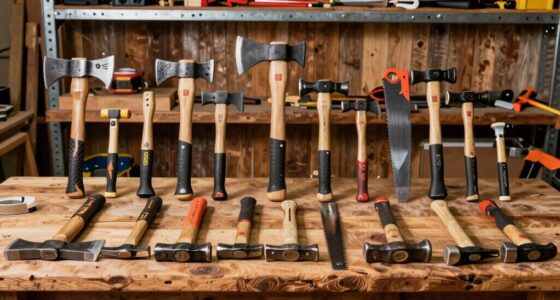
Electric log splitter attachments cover a surprisingly wide range of gear, and that range is where most buyers get tripped up. Some products in this category are true attachments — add-ons that turn a splitter you already own into a faster, more comfortable machine — while others are complete electric splitters bundled with attachment-style upgrades like 4-way wedges and foot pedals. When I sorted through the strongest options available this year, two picks separated themselves early. The Log Catcher for Splitter stands out as the most broadly useful pure attachment, thanks to compatibility across 22- to 37-ton machines. The 7-Ton Electric Log Splitter with Bonus 4-Way Cross Wedge makes the most sense for anyone who wants a full package, pairing a capable splitter with a kindling-producing wedge right out of the box.
Listen free for 30 days with Audible
Thousands of audiobooks and originals — cancel anytime.
Start your free trialAs an affiliate, we earn on qualifying purchases.
The main tradeoff running through this whole category is convenience versus commitment. A log catcher attachment costs a fraction of a splitter and saves your back, but it only helps if your existing machine accepts it. A bundled electric splitter solves the whole problem at once but demands a bigger budget, a power outlet, and storage space. Splitting force presents a second tradeoff: compact 6.5- and 7-ton units handle typical homeowner firewood, while the SuperHandy 14-ton model costs more and weighs more but powers through knotty hardwoods the smaller units simply stall on. My goal here is to make those differences obvious so you can match the product to your woodpile, not the other way around.
Complete the kit


Key Takeaways
- Only two products in this lineup (the Log Catcher for Splitter and the YTL-015-431) are true attachments for an existing splitter; the other three are complete electric splitters with attachment-style upgrades like 4-way wedges.
- The Log Catcher for Splitter is the most versatile attachment, fitting 22-, 25-, 30-, and 37-ton machines with a 10–11.8 inch mounting hole distance — measure your splitter before buying.
- The 4-way cross wedge included with the 7-ton electric splitter can quarter logs in a single cycle, effectively doubling throughput on kindling-duty wood.
- The SuperHandy 14-ton offers double the splitting force of the 6.5-ton BILT HARD, but it arrives without hydraulic fluid and weighs 126 lbs.
- Two-hand safety controls (BILT HARD) versus foot pedal operation (7-ton model) represent two different ergonomic philosophies — pick based on whether speed or safety control matters more to you.
| Log Catcher for Splitter – Metal Log Rack for Wood Splitters |  | Best Overall Attachment | Compatibility: 22-ton, 25-ton, 30-ton, and 37-ton wood splitters | Material: Heavy-duty metal with anti-rust coating | Mounting Hole Distance: 10–11.8 inches | VIEW LATEST PRICE | See Our Full Breakdown |
| YTL-015-431 Log Catcher, Small |  | Best Budget Attachment | Type: Log catcher attachment | Size Class: Small | Primary Function: Collects split logs without bending | VIEW LATEST PRICE | See Our Full Breakdown |
| 7-Ton Electric Log Splitter with Upgraded Foot Pedal and Bonus 4-Way Cross Wedge |  | Best Complete Package | Splitting Force: 7 tons | Motor Power: 3HP | Hydraulic Pressure: 28MPa (4000+ PSI) | VIEW LATEST PRICE | See Our Full Breakdown |
| BILT HARD 6.5 Ton Electric Log Splitter with Hydraulic Ram |  | Best for Beginners | Splitting Force: 6.5 tons | Motor Power: 15 Amps | Max Log Diameter: 9.8 inches | VIEW LATEST PRICE | See Our Full Breakdown |
| SuperHandy Hydraulic Log Splitter, 14 Ton, Portable Firewood Splitter | 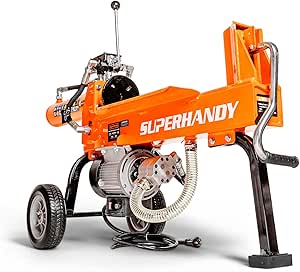 | Best Premium Power | Splitting Force: 14 tons | Motor Power: 2.5 HP, 15A, 1800W | Hydraulic System: 2-stage 10.5 GPM Bucher hydraulic gear pump | VIEW LATEST PRICE | See Our Full Breakdown |
| electric log splitter attachment | Splitting Force | Motor Power |
|---|---|---|
| Log Catcher for Splitter | — | — |
| YTL-015-431 Log Catcher | — | — |
| 7-Ton Electric Log Splitter wi | 7 tons | 3HP |
| BILT HARD 6.5 Ton Electric Log | 6.5 tons | 15 Amps |
| SuperHandy Hydraulic Log Split | 14 tons | 2.5 HP, 15A, 1800W |
More Details on Our Top Picks
Log Catcher for Splitter – Metal Log Rack for Wood Splitters
This is the product the title of this roundup actually promises: a true attachment that upgrades a splitter you already own. The value proposition is simple and physical. Every split log that drops off the end of your splitter usually lands on the ground, which means bending over hundreds of times per session. This catcher sits at the discharge point and collects the pieces at working height, converting one of the most fatiguing parts of firewood day into a non-event. Compared with the YTL-015-431, this model is the stronger pick for most buyers because it documents its compatibility across 22-, 25-, 30-, and 37-ton machines and uses a heavier metal construction with an anti-rust coating that should survive several seasons outdoors.
Installation is where the tradeoffs live. The 10–11.8 inch mounting hole distance is the spec that decides everything — measure your splitter’s mounting points before ordering, because a mismatch here cannot be shimmed away easily. Once mounted correctly, stability is solid, but a rushed installation produces a rack that shifts under load. My other reservation is that the manufacturer does not publish a weight capacity, so users running high-volume sessions with large-diameter rounds will want to clear the rack frequently rather than letting split pieces stack up. Neither flaw is a dealbreaker; both are just reasons to buy with a tape measure in hand.
Pros:- Eliminates repeated bending at the discharge point, reducing back strain across long sessions
- Documented compatibility with 22-, 25-, 30-, and 37-ton splitters
- Heavy-duty metal construction with anti-rust and wear-resistant coating
- Installs and removes quickly for storage or transport
Cons:- Mounting hole spacing must match your splitter exactly or it will not attach securely
- No published weight capacity, so heavy accumulation is a guessing game
- May not fit splitter models outside the listed tonnage range
Best for: Owners of mid-to-large 22–37 ton splitters who process several cords per season and want to cut back strain without buying a new machine
Not ideal for: Owners of compact or older splitters with non-standard mounting points, or anyone who cannot verify the 10–11.8 inch hole spacing
- Compatibility:22-ton, 25-ton, 30-ton, and 37-ton wood splitters
- Material:Heavy-duty metal with anti-rust coating
- Mounting Hole Distance:10–11.8 inches
- Installation:Bolt-on, easy install and disassembly
- Finish:Corrosion-resistant, wear-resistant coating
- Primary Function:Catches split logs at discharge point
- Type:Attachment for existing splitters
Our verdict“The most practical pure attachment in this lineup — a genuine back-saver if your mounting points line up.”
YTL-015-431 Log Catcher, Small
The YTL-015-431 does the same basic job as my top pick — catching split logs so you stop bending over — but it targets a different buyer: someone who wants the ergonomic upgrade at the lowest possible entry price. As a smaller-format catcher, it is lighter and less intrusive on a compact splitter, and it strips away nothing from the core function. Split pieces land in the rack instead of on the ground, and your session gets measurably easier without any modification to the splitter itself.
The honest tradeoff against the Log Catcher for Splitter is documentation. YTL publishes almost no specs here — no capacity rating, no explicit mount compatibility list — which puts the burden of fit verification entirely on the buyer. That makes this the risk-tolerant value pick: if your splitter is a smaller machine and the mounting geometry looks conventional, this is likely to work and cost you far less. If you run a large-tonnage splitter or hate ambiguity, the better-documented catcher above is worth the extra money. I would also flag that the smaller footprint means more frequent unloading during high-volume sessions, since the rack fills faster than a full-size unit.
Pros:- Lowest-cost way to add ergonomic log collection to an existing splitter
- Reduces bending during collection the same as pricier catchers
- Compact size suits smaller splitters and tight storage
- Helps keep the work area organized
Cons:- Minimal published specs — fit and capacity are largely a gamble
- Likely limited to certain splitter models
- Small size means frequent emptying during big sessions
Best for: Budget-minded owners of smaller splitters who want basic bend-reduction without paying for heavy-duty construction
Not ideal for: Buyers who need documented compatibility guarantees or run high-volume splitting sessions with large rounds
- Type:Log catcher attachment
- Size Class:Small
- Primary Function:Collects split logs without bending
- Compatibility:Fits select log splitters (not fully specified)
- Installation:Attaches to compatible splitter frame
- Capacity:Not published by manufacturer
Our verdict“A cheap, functional gamble for small-splitter owners — buy it only if you can accept some fit uncertainty.”
7-Ton Electric Log Splitter with Upgraded Foot Pedal and Bonus 4-Way Cross Wedge
This is where the category shifts from attachments to attachment-equipped machines, and this unit earns the top spot among them by bundling the two upgrades that matter most. The included 4-way cross wedge is the headline: instead of halving a log one cycle at a time, it quarters the log in a single pass, which effectively doubles throughput on kindling and stove-width pieces. Most competitors sell 4-way wedges separately, so getting one in the box changes the real cost of ownership. The second upgrade, the ergonomic foot pedal, frees both hands for log positioning — a meaningfully different operating philosophy from the BILT HARD’s two-hand safety control, which I cover below.
The 28MPa hydraulic system and 3HP motor deliver honest 7-ton performance, enough for seasoned hardwood and most green softwood, and the 22-inch splitting bed is longer than the BILT HARD’s 20.5 inches, which matters if your rounds come from longer bucked sections. The weaknesses are real too. An 18-second cycle time is on the slow side for anyone processing multiple cords, and 7 tons will stall on large, gnotty, or wet hardwood rounds — that is the gap the 14-ton SuperHandy fills. It also needs a power outlet and is awkward to move solo despite the wheels.
Pros:- Bonus 4-way cross wedge quarters logs in one cycle for kindling-speed output
- Foot pedal operation frees both hands and reduces back strain
- Extended 22-inch bed handles longer rounds than most 7-ton rivals
- Automatic ram return speeds up repetitive work
Cons:- 18-second cycle time drags during high-volume sessions
- Requires a nearby power outlet and is heavy to reposition alone
- 7 tons of force is not enough for large gnotty hardwood
Best for: Homeowners splitting a few cords a season who want a complete, versatile setup with kindling capability out of the box
Not ideal for: High-volume users or anyone regularly splitting large-diameter, knotty hardwood rounds
- Splitting Force:7 tons
- Motor Power:3HP
- Hydraulic Pressure:28MPa (4000+ PSI)
- Splitting Length:22 inches
- Cycle Time:18 seconds
- Wedge System:Standard and 4-way cross wedge
- Operation:Upgraded ergonomic foot pedal
- Portability:Reinforced steel chassis, oversized rugged wheels
- Extra Features:Automatic ram return
Our verdict“The best all-in-one value here — the bundled 4-way wedge alone justifies choosing it over similarly priced rivals.”
BILT HARD 6.5 Ton Electric Log Splitter with Hydraulic Ram
The BILT HARD takes the opposite ergonomic approach from the 7-ton model above, and for a first-time splitter owner that approach is arguably the safer one. Its two-hand control system forces the operator to keep both hands on the controls — and therefore off the splitting zone — for the entire stroke. New users are statistically most at risk in the first few sessions, and this design makes the dangerous mistake physically difficult. Add fume-free, quiet electric operation and 5.7-inch wheels for rolling it around a garage or yard, and you have the lowest-intimidation entry point in this lineup.
The compromises are predictable at this price and tonnage. A 6.5-ton rating with a 9.8-inch maximum log diameter means this machine is for typical backyard firewood, not raw timber — if your rounds regularly exceed ten inches, skip straight to the SuperHandy. The 90-day warranty is the shortest in this comparison and is my single biggest hesitation; the 7-ton competitor and the 14-ton SuperHandy both represent better long-term risk positions. You also need a proper extension cord and circuit arrangement, since a 15-amp motor on a thin cord will trip breakers mid-session.
Pros:- Two-hand control system physically prevents hands from entering the splitting zone
- Quiet, emission-free electric operation suits garages and residential yards
- 5.7-inch wheels make it easy to reposition
- Hydraulic ram delivers consistent 6.5-ton force for typical firewood
Cons:- Capped at 9.8-inch diameter logs, ruling out larger rounds
- Only a 90-day warranty — the shortest in this lineup
- Requires correct extension cord and breaker setup to avoid trips
Best for: First-time splitter owners with modest firewood needs who prioritize safe operation and quiet, fume-free use
Not ideal for: Buyers splitting logs over ~9.8 inches in diameter or anyone wanting long warranty coverage
- Splitting Force:6.5 tons
- Motor Power:15 Amps
- Max Log Diameter:9.8 inches
- Max Log Length:20.5 inches
- Cycle Time:18 seconds
- Wheels:5.7 inches
- Construction:Steel
- Safety:Two-hand control system
Our verdict“The safest and most approachable starter splitter here, as long as your logs are modest and you accept the short warranty.”
SuperHandy Hydraulic Log Splitter, 14 Ton, Portable Firewood Splitter
The SuperHandy exists for the woodpile the other machines cannot touch. With 14 tons of splitting force, it handles 14-inch-diameter rounds and 20-inch lengths — roughly double the diameter ceiling of the BILT HARD and double the tonnage of the 7-ton model. The internals justify the premium positioning too: a 2-stage 10.5 GPM Bucher hydraulic gear pump driven by a 2.5 HP motor moves the ram efficiently across both stages of the stroke, which is the kind of component usually found on gas units costing far more. At 65dB, it stays quiet enough for residential use, and the 126-pound wheeled frame rolls despite its heft.
The friction points are all ownership-related rather than performance-related. It ships without hydraulic fluid, so budget for that and expect a setup session before the first split — none of the smaller units here demand that. At 126 lbs, it is the heaviest product in this roundup, so ‘portable’ is relative. And while 14 tons is impressive, it still ties you to an outlet, so off-grid users need a generator. Compared with the 7-ton model, the calculus is straightforward: pay more, move more weight, deal with fluid setup — and get a machine that splits hardwoods the smaller units simply cannot.
Pros:- 14 tons of force handles large, knotty rounds the smaller units stall on
- 2-stage Bucher hydraulic pump delivers efficient, durable performance
- Quiet 65dB electric operation with zero emissions
- Transport wheels make the 126-lb frame manageable on flat ground
Cons:- Hydraulic fluid not included — extra cost and setup required
- 126 lbs is heavy to lift or move over rough terrain
- Tethered to electric power, so off-grid use requires a generator
Best for: Serious firewood processors dealing with large-diameter or knotty hardwood who want gas-splitter power with electric convenience
Not ideal for: Casual users with small, soft logs, or anyone without the space and setup patience for a 126-lb hydraulic machine
- Splitting Force:14 tons
- Motor Power:2.5 HP, 15A, 1800W
- Hydraulic System:2-stage 10.5 GPM Bucher hydraulic gear pump
- Max Log Length:20 inches
- Max Log Diameter:14 inches
- Weight:126 lbs
- Noise Level:65dB
- Power Source:Electric (corded)
Our verdict“The most capable machine here by a wide margin — buy it when tonnage matters more than price or portability.”
How We Picked
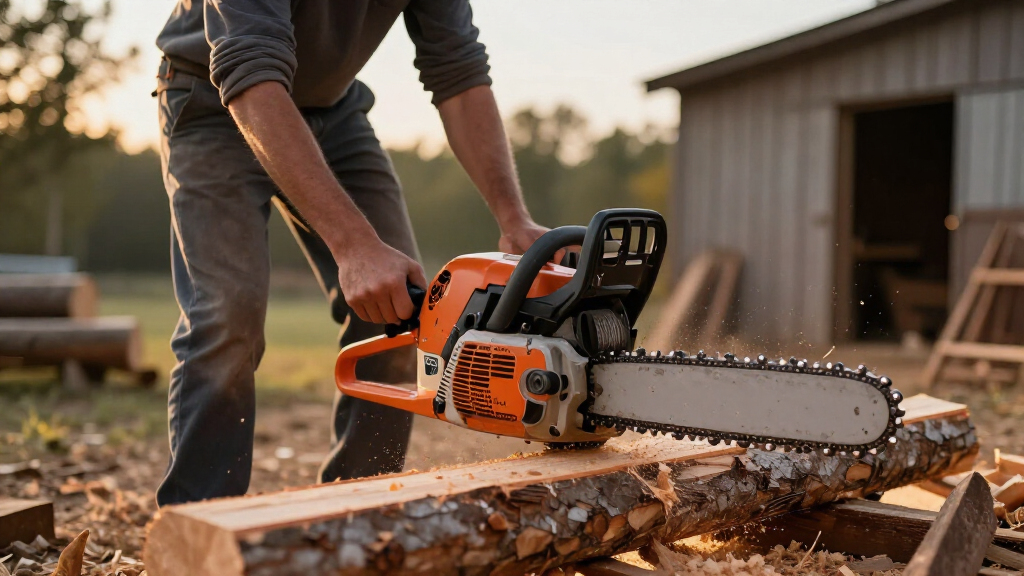
Since this category blends true attachments with attachment-equipped splitters, I judged every product against a single question: does it meaningfully improve the firewood processing experience for its price? For the log catchers, that meant scrutinizing mounting compatibility, since an attachment that does not fit your machine is worthless regardless of build quality. For the complete splitters, I compared splitting force against realistic wood types — a 6.5-ton rating reads very differently when the woodpile is oak rather than pine.
I also weighed workflow improvements heavily. Attachments and upgrades earn their cost by saving time or strain: a catcher that eliminates hundreds of bends per session, a 4-way wedge that quarters a log in one cycle, or a foot pedal that frees a hand. Finally, I factored in ownership friction — warranty length, included fluids, cycle times, and portability — because the cheapest unit on paper is not always the cheapest after the first season. Products that hid their specs or offered thin documentation were marked down, since vague compatibility info is the number one source of returns in this category.
Factors to Consider When Choosing Electric Log Splitter Attachments
Before spending money in this category, you need to answer one gating question: do you already own a splitter? That answer splits this entire roundup into two paths, and each path has its own decision criteria.Attachment or Complete Machine?
If you own a working splitter, an attachment path — a log catcher like the Log Catcher for Splitter or the YTL-015-431 — gives you the biggest comfort improvement per dollar. A catcher does not make your splitter faster, but it removes the most physically punishing part of the workflow. If your splitter is aging or undersized, or you own none at all, the bundled-machine path makes more sense: a complete electric splitter with upgrades like the 4-way wedge or foot pedal delivers a full solution in one purchase. Buying an attachment for a machine you plan to replace soon is wasted money.
Tonnage: Match It to Your Wood, Not the Marketing
Tonnage ratings translate directly to what a machine can open. As a rough guide, 6–7 tons handles seasoned softwood and modest hardwood rounds under about 9–10 inches; anything beyond that, or green and knotty hardwood, calls for 10+ tons. Overspending on tonnage you do not need buys weight and cost with no benefit, while underspending guarantees frustrating stalls mid-split. Look at the largest, nastiest rounds in your actual woodpile, not your average one — a splitter is judged by its worst log, not its best.
Compatibility and Mounting Measurements
This is the single most common failure point for attachment purchases. Before ordering any log catcher, measure the mounting hole spacing on your splitter and compare it to the attachment’s spec — for my top pick, that means 10–11.8 inches. Also confirm your splitter’s tonnage class appears on the compatibility list. Because return shipping on steel attachments is expensive and annoying, five minutes with a tape measure is the highest-value time you will spend in this purchase. Where a manufacturer publishes no specs at all, assume fit is your risk to carry.
Electric Power Requirements
Every complete machine in this lineup runs on a 15-amp circuit, which is standard household power — but amperage draw means extension cord choice matters. Use a heavy-gauge, short cord rated for 15A tools; a long, thin cord causes voltage drop, breaker trips, and motor strain. If your outlets are on shared circuits with other high-draw appliances, expect nuisance trips. Plan your splitting station near a dedicated outlet, and remember every electric unit here is tethered — off-grid splitting means adding a generator to the budget.
Ergonomics and Safety Design
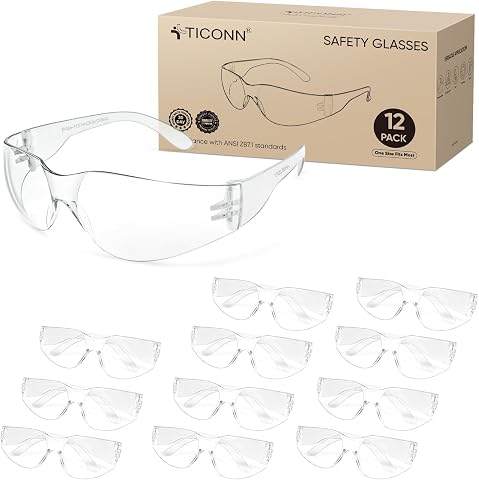
Two competing philosophies appear in this lineup. The foot pedal design (7-ton model) lets you drive the ram with your foot while both hands position logs — faster and easier on the back, but it demands discipline. The two-hand control (BILT HARD) keeps both hands on switches, physically preventing them from the splitting zone — slower but inherently safer for beginners or households with multiple operators. Neither is wrong; match the design to your experience level and who else will use the machine. Whichever you choose, safety glasses and gloves are non-negotiable around any hydraulic splitter.
Frequently Asked Questions
Will a log catcher attachment fit any log splitter?
No, and this is the most important thing to verify before buying. Log catchers are built around specific mounting geometries and tonnage classes — my top pick fits 22- through 37-ton splitters with mounting holes spaced 10 to 11.8 inches apart, while the smaller YTL-015-431 targets a narrower, less-documented range. Before ordering, measure your splitter’s mounting points with a tape measure and check them against the attachment’s published specs, and confirm your machine’s tonnage appears on the compatibility list. If the manufacturer publishes no fitment information at all, treat the purchase as a calculated risk and check the seller’s return policy first.
What does a 4-way cross wedge actually do?
A standard wedge splits a log into two halves with each cycle, meaning you need a second pass to get quarters. A 4-way cross wedge presents four cutting edges arranged in a cross, so a single ram stroke quarters the log in one cycle — effectively halving the number of passes for stove-width and kindling pieces. For homeowners whose firewood ends up small, this is one of the highest-impact upgrades available, which is why the 7-ton splitter in this lineup stands out for including one in the box when most brands sell it separately. The tradeoff is that 4-way wedges work best on straight-grained, moderate-diameter logs; gnotty or oversized rounds often split cleaner on a standard two-way edge.
How many tons do I actually need in an electric log splitter?
Base the answer on your worst logs, not your average ones. Machines in the 6.5–7 ton range — like the BILT HARD and the 7-ton model here — comfortably handle seasoned softwoods and smaller hardwood rounds up to roughly 9–10 inches in diameter. Once you move into green wood, dense species like oak or maple, or rounds over 10 inches with knots and crotches, you need something in the 10-plus ton class, which is where the 14-ton SuperHandy earns its premium price. Buying more tonnage than you need is not harmful, but it costs more, weighs more, and occupies more storage — so an honest assessment of your woodpile beats the biggest number on the box.
Can I use an electric log splitter indoors or in a garage?
Yes, and that is one of the clearest advantages electric units hold over gas models. Because they produce no exhaust fumes, splitters like the BILT HARD and the SuperHandy (rated at 65dB, roughly the volume of a conversation) can safely run in a garage or covered area with basic ventilation — something you should never attempt with a gas splitter. Two practical cautions apply: you still need a suitable 15-amp outlet and a heavy-gauge extension cord to avoid breaker trips, and a clean, flat floor is safer than clutter, since hydraulic splitting still throws bark, chips, and occasional pinched pieces. Eye protection remains mandatory indoors or out.
Why does the SuperHandy 14-ton ship without hydraulic fluid, and what do I need?
Shipping hydraulic machines pre-filled is impractical — fluid leaks in transit, adds significant shipping weight, and many freight carriers restrict packaged liquids — so most hydraulic splitters, including the SuperHandy, arrive dry. Before first use you will need to purchase the manufacturer-specified hydraulic fluid (typically an AW32 or equivalent, but follow the manual exactly), fill the reservoir to the indicated level, and purge air from the system by cycling the ram a few times before loading wood. Budget a little extra time and money for this step, and check the fluid level again after your first few sessions, since new systems sometimes settle and need a small top-up.
Conclusion
After working through this lineup, the recommendations break cleanly along buyer type. If you already own a mid-size or large splitter, the Log Catcher for Splitter is the clear attachment buy — it is the best-built, best-documented catcher here, provided your mounting holes measure 10–11.8 inches apart. Budget-constrained owners of smaller machines can try the YTL-015-431, accepting some fit uncertainty in exchange for the lower price.
If you are buying a complete electric setup, choose by woodpile. First-time owners with modest firewood needs should lean toward the BILT HARD 6.5-ton for its two-hand safety system and quiet operation, keeping its 9.8-inch diameter ceiling and 90-day warranty in mind. Homeowners who want the most capable all-around package should pick the 7-ton model with the 4-way wedge — the bundled wedge and foot pedal deliver the best feature-per-dollar in this comparison. And serious processors facing large or knotty hardwood should go straight to the SuperHandy 14-ton, accepting the higher price, the 126-lb frame, and the hydraulic fluid setup in exchange for double the splitting force. Whatever path you take, measure first, match tonnage to your actual worst log, and buy once.
Fall yard work Picks
leaf blowers
As an affiliate, we earn on qualifying purchases.