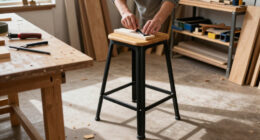
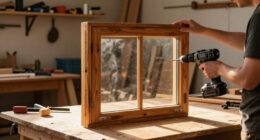
This checklist is for DIY woodworkers setting up a bench for projects that call for steady support, secure workholding, and accessible tools. Whether you are assembling a first workspace or improving an existing one, use each slot to think through how the bench will serve the work you actually do. Start with your projects, then consider the space and tools you already have.

Get business pricing on tools and workshop supplies
- Business-only prices and quantity discounts
- Tax-exempt purchasing
- Multiple users, one account, clear invoices
The sections follow the setup from the main work surface to the accessories and storage around it. Each slot names a product pick where one was provided; the holdfast section offers selection advice instead. Some listed product names may describe a different kind of tool or accessory than the slot suggests, so check the item’s actual function before treating it as a match. Confirm the product role before you buy.
Use the look-for points to compare dimensions, fit, and compatibility with your bench and workpieces. Read the prose for common setup considerations, then use the verdict, best-for, and not-ideal notes as a quick decision aid. If a detail such as mounting method or dimensions is not clear from the product name, verify it with the seller or manufacturer. Check fit before ordering to avoid building your setup around an assumption.
Woodworking Bench
The bench is the foundation of the setup: its work surface, height, and support affect how comfortably you can work and how securely a project sits while you shape it. The listed pick is the Sjöbergs Scandi Plus 1825 Wooden Workbench. The product name identifies it as a wooden workbench, but does not give dimensions, included accessories, or mounting details. Check those specifics against your available floor space and the projects you expect to tackle.
A common mistake is choosing a bench by appearance or name alone, then discovering it does not fit the room or accept the workholding accessories you planned to use. Measure the intended footprint, including space to move around the bench and handle longer stock. Compare the working height with your posture and typical tasks, and confirm that the top and base suit your intended clamping arrangement. Verify dimensions and workholding compatibility before settling on a placement or adding accessories.
What to look for:
- Overall dimensions and clearance for your workspace
- Working height suited to your usual tasks
- Worktop dimensions and material details
- Base stability and assembly requirements
- Compatibility with the vises and accessories you plan to use
Sjöbergs Scandi Plus 1825 Wooden Workbench

This heavy-duty beech workbench has a deep work surface and a sturdy skirt for woodworking, repairs, crafts, and assembly. Two rows of bench dog holes, vise positions, and four included bench dogs support versatile clamping setups.
Pros:
- Heavy-duty wooden construction
- Large work surface for workshop projects
- Bench dog holes and included dogs support clamping
- Includes a 10-year manufacturer warranty
Cons:
- Heavy at 145 pounds
- Listed load capacity is 150 pounds
Best for: woodworkers seeking a named wooden workbench pick
Not ideal for: buyers who need confirmed dimensions or included accessories first
Bottom line: Check the bench’s dimensions, height, and accessory compatibility before planning the rest of your setup.
Bench Vise
A vise helps keep a workpiece steady for tasks that are awkward to manage by hand, but the right choice depends on how it mounts and what it can hold. The pick provided here is named Bench Grinder and Vise Stand. That name describes a stand associated with a grinder and vise, rather than clearly identifying a bench vise itself. Confirm what the product includes and whether it is intended to attach to or stand beside your workbench before treating it as the vise for this slot.
A frequent buying mistake is assuming that a stand, vise, and mounting hardware are all included because they appear together in a product name. Check the listing for the actual vise, jaw opening, mounting footprint, and any hardware required. Compare the mounting arrangement with your bench structure and leave enough clearance for the vise handle to turn without hitting a wall, leg, or stored tool. Match the mount to your bench, and make sure the jaws can accommodate the workpieces you expect to secure.
What to look for:
- Whether a vise is included or the item is only a stand
- Mounting method and required hardware
- Jaw opening and usable clamping depth
- Clearance for the handle and nearby surfaces
- Fit with your bench structure and intended workpieces
Bench Grinder and Vise Stand

This all-steel stand is designed to support bench grinders and vises, with a weight capacity of 500 pounds. It has an 8.5-by-9.5-inch top, a 34.25-inch work height, and pre-cut mounting slots; you can also drill custom holes.
Pros:
- Supports up to 500 pounds
- All-steel construction
- Pre-cut slots simplify mounting
- Custom holes can be drilled
Cons:
- May require drilling holes for some equipment
Best for: shoppers considering a grinder and vise stand
Not ideal for: anyone needing a clearly specified bench vise without checking details
Bottom line: Confirm that a vise is included and that its mounting arrangement fits your bench.
Bench Dogs
Bench dogs are typically selected as part of a workholding setup, so it is important to confirm both the accessory’s function and the bench features it needs. The supplied pick is called Bench Dog 3-in-1 Shoulder, Bullnose, and Chisel Plane. Its name identifies a plane, not clearly a bench dog. Treat the product as a candidate only after checking the listing and confirming that it serves the bench-dog role you need.
A common mistake is relying on a product title that contains the words “bench dog” without checking what the item actually is. If you are shopping for bench dogs, measure the holes or other fittings on your workbench and check the dogs’ dimensions and shape against them. If you are considering the named plane, confirm its intended use and how it fits your tool collection instead. Match the accessory to the job and verify the bench interface before buying anything meant to fit into or against the work surface.
What to look for:
- The item’s actual function and included components
- Dog dimensions and shape, if the listing confirms bench dogs
- Compatibility with your bench’s holes or fittings
- Whether the supplied pick is a plane instead
- Fit with the workholding tasks you plan to do
Bench Dog 3-in-1 Shoulder, Bullnose, and Chisel Plane
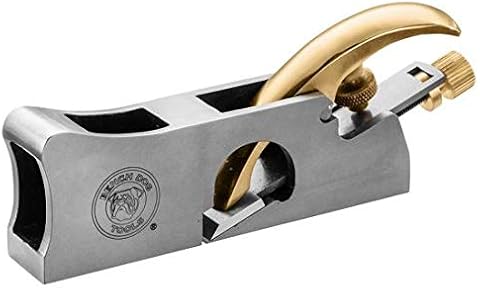
This manual woodworking plane converts between shoulder, bullnose, and chisel configurations using two removable nose pieces. Its 1-inch blade extends slightly beyond the body to help produce clean corners, and it has a micro-adjustable cutting depth and a cast iron body.
Pros:
- Three plane configurations in one tool
- Blade extends beyond the body for clean corners
- Micro-adjustable cutting depth
- Includes a storage case and inspection certificate
Cons:
- Limited to a 1-inch blade width
Best for: shoppers willing to verify whether the pick is a bench dog or plane
Not ideal for: buyers who need a confirmed bench-dog accessory at a glance
Bottom line: The product name describes a plane, so verify its function before using it to fill the bench-dog slot.
Holdfast Clamps
Holdfasts can be part of a bench workholding setup, but the right choice depends on the bench and the way you plan to secure work. No product pick was provided for this slot, so use it to identify the fit requirements before comparing options. Check whether your bench has suitable holes or another compatible mounting arrangement, and confirm the holdfast dimensions against it. Start with your bench’s fittings rather than assuming every holdfast will fit every work surface.
A common mistake is choosing a clamp based on its name alone without checking how it engages the bench or whether its reach suits the workpiece. Think through the thickness and shape of the stock you handle, where you need pressure, and whether the clamp can be positioned without obstructing the task. Compare the product’s stated dimensions and setup instructions with your bench, and verify whether any additional accessories are required. Check reach and mounting details before building your workholding plan around a particular style.
What to look for:
- Compatibility with your bench’s holes or mounting system
- Dimensions that suit the bench and workpieces
- Reach and clearance for the tasks you do
- Setup instructions and any required accessories
- A secure position that leaves the working area accessible
Bench Hook
A bench hook can support small workpieces during hand-tool tasks, but the product provided for this slot is named Woodworking Bench Vise, Portable Hard Wood Vise for Workbench. That name describes a portable vise, not clearly a bench hook. Check the item’s actual design and intended use before deciding whether it belongs in this slot; its portability and material wording alone do not establish that it functions as a bench hook.
One common mistake is buying an item because its description sounds useful for the bench, then finding that it holds work in a different way than the task requires. For a bench hook, check how it bears against the bench edge, what sizes of workpiece it supports, and whether it suits the tools and direction of force involved. If considering the named vise instead, verify how it attaches, its clamping range, and whether it can be secured to your work surface. Confirm the tool’s intended role and dimensions before making a purchase.
What to look for:
- Whether the item is a bench hook or a portable vise
- How it registers against or attaches to the bench
- Workpiece dimensions it can support or clamp
- Compatibility with your bench edge and surface
- Clearance for the hand tools used in the task
Woodworking Bench Vise, Portable Hard Wood Vise for Workbench

This portable woodworking vise is made from high-quality, impact-resistant beech wood with a non-toxic finish, providing a gentle clamping surface that protects workpieces. Compact and lightweight, it measures 18.5 x 11 x 2.7 inches and weighs 13 lbs, making it easy to carry and suitable for various workspaces.
Pros:
- Made from durable, impact-resistant beech wood
- Compact and lightweight for portability
- Protects workpieces with wooden clamping surface
- Includes versatile accessories for various projects
Cons:
- Limited jaw opening size for larger workpieces
- Wooden construction may be less durable than metal vises over time
- Not suitable for heavy-duty industrial use
Best for: shoppers comparing portable workholding options
Not ideal for: buyers expecting a confirmed bench hook from the product name
Bottom line: The pick is named as a portable vise, so confirm its function before using it as a bench hook.
Tool Storage Tray
A storage tray can keep frequently used tools close at hand, but it should fit the workspace without interfering with the bench or its workholding setup. The pick listed here is Workbench 48 x 24 Adjustable Height Worktable with Heavy Duty Rubber W. The product name describes a worktable, not clearly a tool storage tray, and ends with an incomplete word. Check the complete listing to establish what the item is and whether it includes any tray or storage feature.
A common mistake is assuming that a worktable listing includes storage simply because it is intended for a workshop. Confirm the product’s full name, dimensions, included parts, and storage features. If you are choosing a separate tray, consider where it will sit, how it will be secured, and whether it leaves room for clamps, vises, and longer stock. Compare its footprint with the bench and keep tools accessible without placing them where they could interfere with the work. Check the complete listing before planning storage around this pick.
What to look for:
- The complete product name and actual item type
- Whether a storage tray is included
- Dimensions and available storage space
- Mounting or placement method near your bench
- Clearance from workholding accessories and workpieces
Workbench 48 x 24 Adjustable Height Worktable with Heavy Duty Rubber Wood Top, T
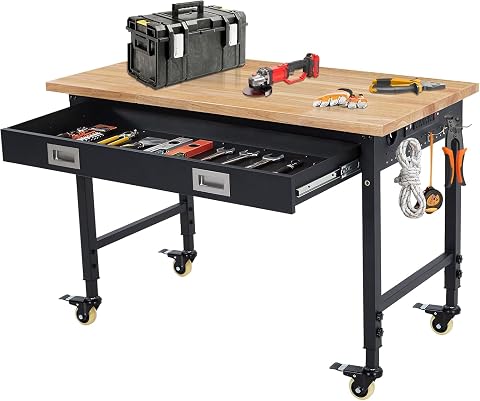
This heavy-duty workbench features an adjustable height from 28.3 to 39.5 inches, supporting up to 2200 lbs for demanding tasks. It includes a drawer, pegboard, built-in power outlets, and lockable casters for mobility and organization, making it ideal for workshops and garages.
Pros:
- Heavy-duty construction supporting up to 2200 lbs
- Adjustable height for ergonomic use
- Includes tool storage, pegboard, and power outlets
- Mobility with lockable casters
Cons:
- Assembly required, may be time-consuming
- Heavy weight may make repositioning difficult
- Price not specified
Best for: shoppers comparing workshop tables and storage options
Not ideal for: anyone who needs a confirmed tool tray without further product details
Bottom line: The supplied name describes a worktable, so confirm whether a tray or storage feature is included.
Build your setup in a practical order: first confirm the bench’s dimensions and placement, then choose workholding that fits its mounting features, and finally add task-specific support and storage. Before buying any named pick, verify that it serves the slot it is listed under and check the complete product details. Prioritize fit and function so each addition works with the bench you have.
You do not need to solve every slot at once. Start with the work surface and the tasks you do most often, then add compatible accessories as your needs become clearer. A little measuring and listing-checking can help prevent mismatched purchases and make the workspace easier to use. Build around your projects and refine the setup one useful addition at a time.