
To source replacement parts without OEM, explore aftermarket suppliers, online marketplaces, and forums where trusted vendors and hobbyists share quality parts. Check recycled and used parts from salvage yards or local junkyards, but always verify their condition and compatibility. Building relationships with local repair shops or distributors can give you access to affordable, reliable options. If you want to discover more tips on ensuring quality and fit, keep exploring these resources.
Key Takeaways
- Explore aftermarket and third-party suppliers for parts that meet or exceed OEM standards at lower costs.
- Use online marketplaces and forums to find niche or used parts with community feedback for reliability.
- Source recycled or used parts from salvage yards and junkyards, ensuring proper inspection and compatibility.
- Build relationships with local repair shops and distributors for access to surplus or discontinued parts.
- Always verify part specifications, manufacturer details, and user reviews to ensure quality and proper fit.
Exploring Aftermarket and Third-Party Suppliers
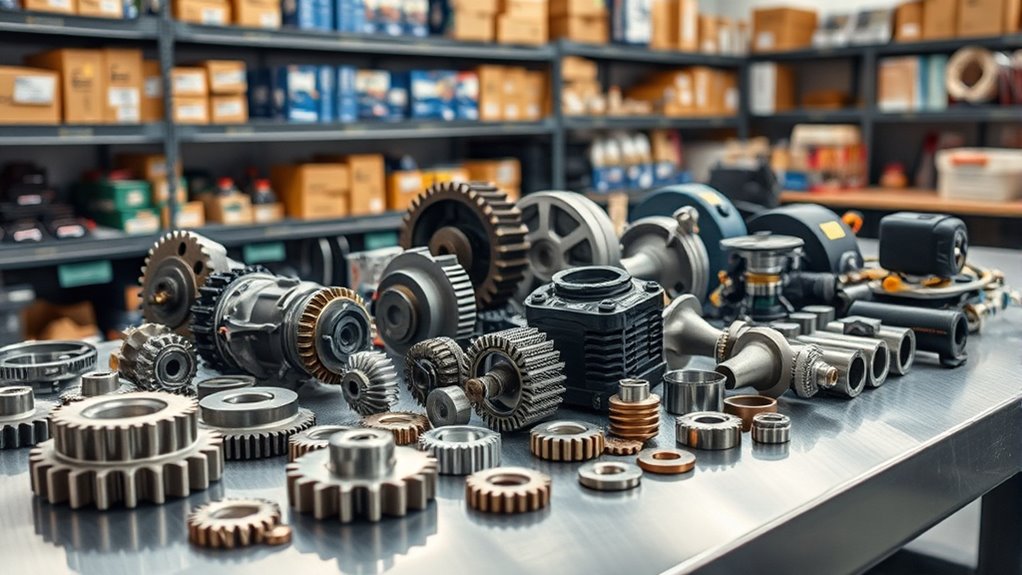
When you need to replace a part but can’t get it from the OEM, exploring aftermarket and third-party suppliers can be a practical solution. These suppliers often offer a wide range of parts that match or even improve on original specifications. You’ll find options at lower prices, and sometimes with faster delivery times. Before purchasing, research the supplier’s reputation and reviews to ensure quality and compatibility. Check if their parts come with warranties or guarantees, giving you peace of mind. Keep in mind that some third-party parts may not meet OEM standards, so verify specifications and fit. By considering reputable aftermarket providers, you expand your options and avoid delays, making repairs easier and more cost-effective. Additionally, understanding the regulations and standards governing these parts can help ensure compliance and safety. Being aware of the importance of quality assurance can further help you select reliable components and avoid potential issues. Incorporating diverse designs and materials from aftermarket sources can also enhance your repair options and overall satisfaction.
Leveraging Online Marketplaces and Forums
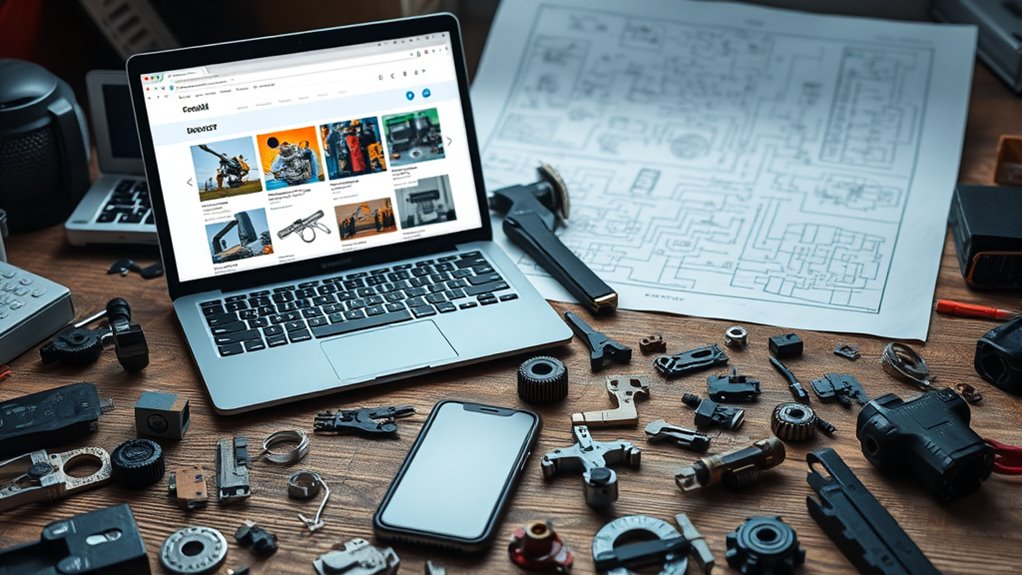
Online marketplaces and forums have become valuable resources for sourcing replacement parts outside of OEM channels. They connect you directly with sellers, collectors, and hobbyists who often have what you need at lower prices. These platforms also offer buyer feedback, helping you verify reliability and quality. To navigate effectively, consider the type of part, seller reputation, and community insights. Use the table below to evaluate options:
| Platform | Pros | Cons |
|---|---|---|
| eBay | Wide selection, buyer protection | Variable quality |
| Reddit Forums | Expert advice, niche parts | Limited seller accountability |
| Facebook Groups | Local pickups, direct contact | Less regulated, scams possible |
Additionally, understanding Louisiana alimony laws can help you assess financial obligations related to divorce and post-divorce support.
Utilizing Recycled and Used Parts Resources
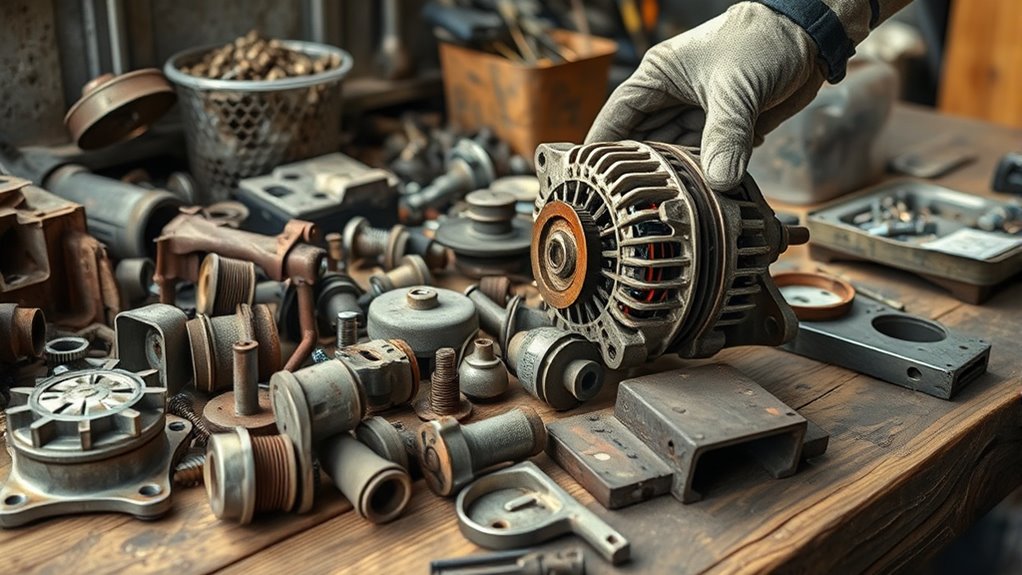
Many enthusiasts turn to recycled and used parts resources as cost-effective alternatives to OEM replacements. These sources include salvage yards, online marketplaces, and local junkyards, offering parts that are often in good condition but considerably cheaper. When exploring these options, inspect parts carefully for wear, damage, or corrosion, and ask for detailed photos or descriptions. Verify the compatibility with your vehicle’s make and model to avoid fitting issues. Recycled parts can sometimes be refurbished or cleaned to extend their lifespan, making them a practical choice. Keep in mind that sourcing from reputable vendors or trusted online communities reduces the risk of counterfeit or subpar components. This approach allows you to save money while maintaining vehicle performance, especially when OEM parts are scarce or expensive.
Building Relationships With Local Repair Shops and Distributors
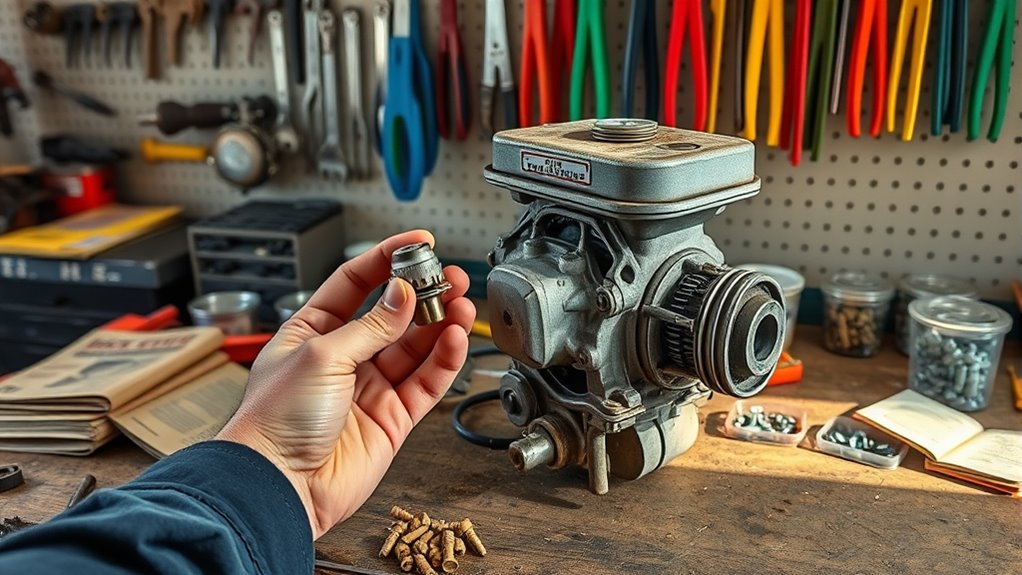
Building strong relationships with local repair shops and distributors can open up valuable opportunities to source quality replacement parts outside of OEM channels. By establishing trust and open communication, you’ll gain access to a network that often has surplus, discontinued, or compatible parts not available through traditional suppliers. Regularly visiting shops and engaging with distributors helps you stay informed about inventory updates and special deals. These connections can also lead to referrals, giving you a broader pool of options. Remember, a good relationship encourages partners to prioritize your needs and share insider knowledge on sourcing alternatives. Developing a mutually beneficial relationship ensures ongoing support and access to hard-to-find components. Additionally, leveraging industry networks can help you discover innovative sourcing solutions and stay ahead of market trends. Building relationships with those familiar with electric dirt bike horsepower can also provide insights into performance parts and upgrades. Understanding state tax implications can help you plan financially for sourcing and maintaining parts across different regions, ultimately saving you money over time. Cultivating local connections also allows you to better understand regional discontinued parts availability, which can be crucial for older or less common models. Over time, these local connections become an essential part of your strategy, enabling you to find reliable parts quickly and at a lower cost.
Verifying Quality and Compatibility of Non-OEM Parts
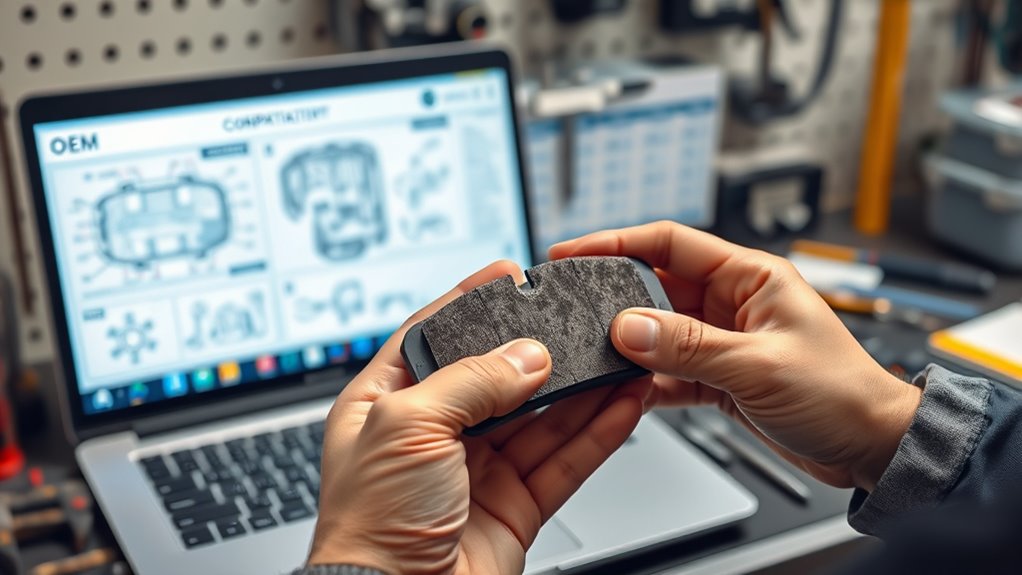
Since non-OEM parts can vary widely in quality, verifying their compatibility before making a purchase is vital. You should examine specifications, part numbers, and manufacturer details carefully. Check reviews and ratings from other users to gauge reliability. Confirm that the part matches your vehicle’s make, model, and year. Use the table below to compare key aspects of different parts: quality assurance. Incorporating testing methodologies can help ensure that the non-OEM parts meet your standards for performance and durability. Additionally, understanding the personal growth and development principles can help you approach the process with confidence and mindfulness, ensuring a more satisfying selection.
Frequently Asked Questions
How Do I Identify Genuine Non-Oem Parts?
When trying to identify genuine non-OEM parts, you should look for quality indicators like proper branding, clear labeling, and detailed packaging. Check for consistent markings and serial numbers that match manufacturer specifications. Research reputable suppliers and read reviews to guarantee authenticity. Trust your instincts—if something feels off or too cheap, it might not be genuine. Always compare parts to official images or specifications to verify their legitimacy.
Are There Legal Issues With Using Aftermarket Parts?
When considering aftermarket parts, you might wonder about legal issues. Generally, using these parts isn’t illegal, but it’s important to guarantee they meet safety standards and comply with local regulations. Some warranties could be affected, and in certain jurisdictions, using non-approved parts might lead to legal complications. Always verify that the aftermarket parts are certified and compatible with your vehicle to avoid potential legal or safety issues.
What Warranties Are Available for Non-Oem Replacements?
Think of warranties for non-OEM parts like a safety net beneath a tightrope walker. You might get limited coverage, offering repairs or replacements if the part fails within a certain period. Some manufacturers provide warranties, but they often aren’t as extensive as OEM warranties. Always read the fine print, and consider third-party warranties for added protection. Keep in mind, coverage varies widely depending on the supplier and part.
How Do Non-Oem Parts Affect Vehicle Insurance Coverage?
When considering non-OEM parts, you should know they can impact your insurance coverage. Some insurers might offer lower premiums if you use aftermarket parts, but others may refuse coverage or reduce claims if non-OEM parts are involved, especially in the event of a claim. Always check your policy details and discuss with your insurer before opting for non-OEM replacements, so you’re aware of any potential coverage limitations.
Can Non-Oem Parts Impact Vehicle Resale Value?
Did you know that non-OEM parts can decrease your vehicle’s resale value by up to 20%? When you opt for aftermarket or non-original parts, buyers may worry about quality and longevity. This skepticism often makes your car less appealing, especially if it’s evident that non-OEM parts were used. So, if resale is on your mind, sticking with OEM parts can help maintain your vehicle’s value and appeal.
Conclusion
By exploring these alternative sources, you open yourself to a wider world of options that can keep your vehicle running smoothly without relying solely on OEM parts. While it’s wise to be cautious and verify quality, embracing trusted suppliers and resources can lead to cost-effective solutions and unexpected finds. With a little research and patience, you can navigate the landscape of non-OEM parts confidently, ensuring your vehicle stays in great shape without missing a beat.