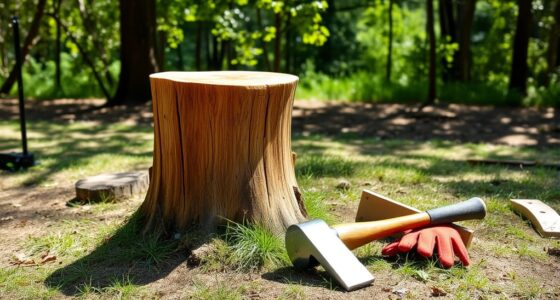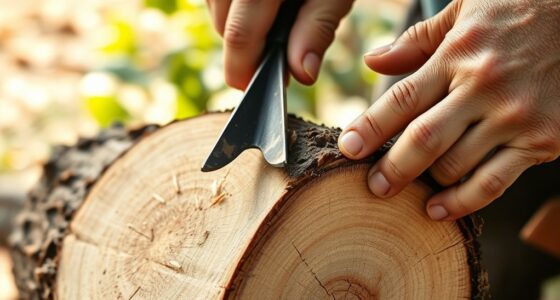

If wood won’t split, check its moisture level—drier logs split more easily, so let it dry for a few months if needed. Make sure you’re hitting along the grain, not perpendicular, to leverage natural weaknesses. Consider the wood type; hardwoods are tougher than softwoods. Using wedges and striking at the right angle can also help. For stubborn pieces, patience combined with proper technique often makes the difference—continue on to learn more tips for easier splitting.
Key Takeaways
- Ensure the wood is properly dried; fresh or moist wood is harder to split.
- Strike perpendicular to the grain to leverage natural weaknesses and prevent glancing blows.
- Use wedges or additional tools to assist splitting stubborn or dense logs.
- Identify the grain direction on the log surface for more effective, aligned strikes.
- Be patient and allow moisture to evaporate over time for easier splitting.
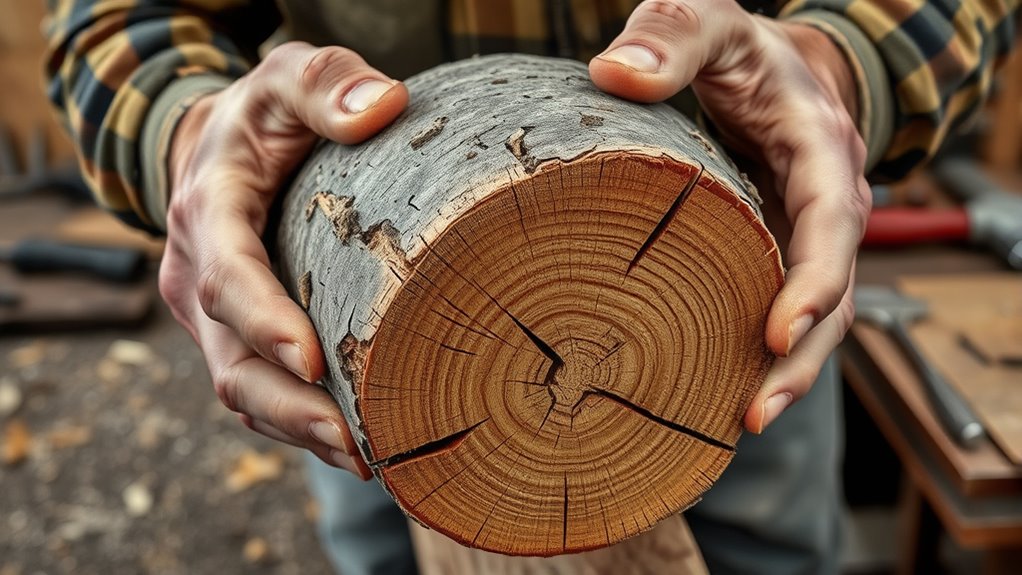
Splitting wood can sometimes be more challenging than expected, especially when the logs resist your efforts. One common reason for this difficulty is the moisture content of the wood. Freshly cut or green wood tends to be much harder to split because it contains high levels of moisture, making it dense and resistant to the force of your axe or maul. As the moisture content decreases over time, the wood becomes drier and easier to split, but if you’re working with freshly cut logs, don’t expect a clean split right away. To improve your chances, allow the wood to dry properly—preferably for at least six months—before attempting to split it. Proper drying reduces the internal moisture, making the fibers less resistant and easier to break apart.
Freshly cut wood is harder to split; drying for at least six months makes it easier.
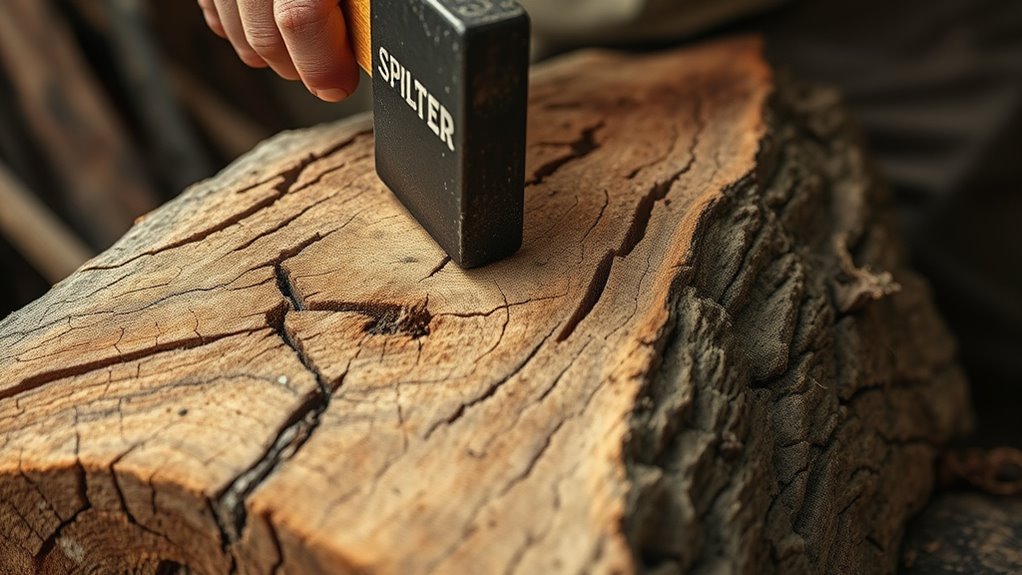
Another essential factor is the grain direction of the wood. Wood fibers run along the grain, and understanding this is vital for effective splitting. If you hit the log perpendicular to the grain, the fibers tend to split apart more easily, creating a cleaner and more efficient split. Conversely, striking along the grain can cause the wood to split in unpredictable directions or even cause the axe to glance off, increasing your effort and risking injury. Always aim to split along the grain’s natural lines. You can often identify the grain direction by examining the bark or cut surface, which usually shows the fiber pattern. When you position yourself correctly and strike along this line, you leverage the natural weakness in the wood’s structure, making splitting less frustrating and more successful.
If you’ve checked the moisture content and are aware of the grain direction but still struggle, consider the type of wood you’re working with. Hardwoods like oak and hickory are naturally more resistant due to their dense fibers, whereas softwoods like pine split more easily. Additionally, the size and shape of the log matter—longer or thicker logs can be more difficult to split, especially if they have knots or irregular grain patterns. When faced with stubborn logs, you might need to use a wedge to help guide the split or adjust your technique by striking at the right angle and with controlled force. Using the right tools and techniques can make a significant difference in your success rate.
In the end, patience and understanding the wood’s properties are key. Allow the moisture to evaporate, recognize the grain direction, and use appropriate tools and techniques. By doing so, you’ll turn a frustrating task into a more manageable one, making your wood-splitting efforts less arduous and more efficient.
Frequently Asked Questions
Can Seasoning Wood Improve Its Splitting Ability?
Yes, seasoning wood can improve its splitting ability. During the seasoning process, moisture reduction makes the wood drier and easier to split. When the wood’s moisture content decreases, the fibers become more brittle, reducing resistance. To speed up this, store your wood in a dry, well-ventilated area. Proper seasoning not only enhances splitting but also guarantees your wood burns more efficiently and cleanly.
What Tools Are Best for Splitting Resistant Wood?
Ever wonder what tools handle resistant wood best? You should use a heavy-duty splitting axe or a maul, designed for tough jobs. Hydraulic log splitters also work efficiently for stubborn wood. To keep your tools effective, maintain their sharpness and check for damage regularly, ensuring safe and successful splitting. Mastering proper splitting techniques can make tough wood easier to handle, saving you time and effort during your firewood chores.
How Does Moisture Content Affect Wood Splitting?
Moisture content substantially impacts wood splitting because high moisture levels cause wood swelling, making it harder to split. When wood is too wet, its fibers are more flexible and resistant to force, reducing your chances of splitting it easily. Allowing the wood to dry out to an ideal moisture level helps it become firmer and more brittle, which enhances splitting effectiveness. Always check moisture content before trying to split stubborn wood.
Is There a Safe Way to Split Green or Wet Wood?
Splitting green wood or wet logs can be tricky, but you can do it safely by using a sharp ax and a splitting wedge. Think of it like breaking through a stubborn knot—apply consistent, controlled force. Let the wood dry slightly if possible, or soak the logs in water overnight to soften them. Always wear safety gear, and avoid forcing the split, which could cause accidents.
Can Certain Wood Species Be More Difficult to Split Than Others?
Yes, some species are harder to split than others. You’ll notice species comparison reveals that hardwoods like oak and hickory tend to have greater splitting difficulty due to their dense, tight grain. Softwoods like pine or cedar usually split more easily. Your technique and tools also matter, but understanding species differences helps you prepare for the effort needed, making your splitting task more manageable.
Conclusion
So, next time your wood refuses to split, remember it’s probably just staging a silent protest. Maybe it’s tired, stubborn, or secretly auditioning for a role in a lumberjack comedy. Either way, don’t let it get the best of you—grab your axe, give it a good whack, and show that stubborn log who’s boss. After all, if your wood isn’t cooperating, it’s clearly just waiting for its moment in the spotlight.