To use a wedge and sledge effectively, choose the right wedge angle based on your material—narrower for dense wood, wider for durability. Pick a sledge with the appropriate weight to generate enough force without tiring yourself. Use controlled strikes, aligning the wedge straight with your intended split, and aim downward to avoid slips. Regularly inspect your tools for damage. Master these techniques, and you’ll improve safety and efficiency—there’s more to learn that can help you get even better results.

Get business pricing on tools and workshop supplies
- Business-only prices and quantity discounts
- Tax-exempt purchasing
- Multiple users, one account, clear invoices
Key Takeaways
- Choose the appropriate wedge angle and material compatibility for efficient force transfer and safety.
- Select a sledge weight that balances power with user strength to maximize impact without fatigue.
- Position the wedge correctly along the intended break line and use controlled, straight strikes.
- Regularly inspect tools for damage or wear and replace if necessary to ensure safety and effectiveness.
- Maintain proper stance, grip, and technique to achieve accurate hits and prevent slipping or injury.
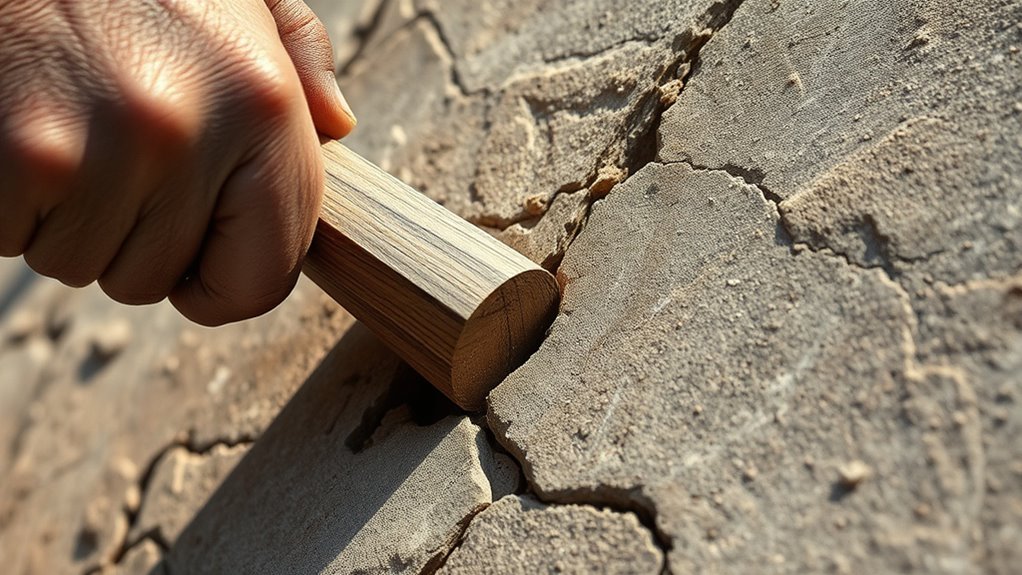
Using a wedge and sledge effectively is essential for anyone tackling heavy-duty splitting or demolition tasks. To do this successfully, you need to understand how the wedge angle influences the force transfer, and how the sledge weight impacts your striking power. The wedge angle, typically ranging from 30 to 70 degrees, determines how easily the wedge will split material. A narrower angle concentrates force for easier penetration into dense or tough material, but it may require more precision to prevent it from slipping. Conversely, a wider angle offers more durability and spreads force over a larger area, making it suitable for softer or more fractured materials. When selecting a wedge, consider the type of material you’re working with to choose the right angle for efficiency and safety.
Choosing the right wedge angle improves force transfer and safety during splitting tasks.
The sledge weight plays a critical role in delivering effective strikes. A heavier sledge generally provides more kinetic energy, helping force the wedge deeper with fewer strikes. However, a heavier sledge can also be more tiring to swing repeatedly, so balance your choice based on your strength and the task’s demands. If you’re breaking through thick logs or concrete, opting for a sledge in the 8 to 16-pound range can give you enough power without excessive fatigue. On the other hand, lighter sledges, around 4 to 8 pounds, are better suited for smaller, more precise jobs or for beginners. Remember, the goal isn’t just to swing hard; it’s to deliver controlled, impactful strikes that drive the wedge effectively without causing injury or damage to surrounding structures.
When using the wedge and sledge together, focus on proper technique. Position the wedge correctly in the splitting or demolition point, ensuring it’s aligned with the intended break line. Use your body weight and controlled swings to strike the sledge accurately, applying force directly downward or along the intended splitting direction. Avoid striking at an angle or with excessive force that might cause the wedge to slip or bend. Consistency in your strikes is key—repeated, well-aimed hits will gradually increase the wedge’s penetration and effectiveness. Keep your grip firm but not overly tight, and ensure your stance is stable to maintain control and prevent injury. Regularly inspect your wedge and sledge for signs of wear or damage, replacing them if necessary, as a compromised tool can jeopardize safety and efficiency. Additionally, understanding how dog behavior can influence safety measures during work can be beneficial for pet owners working in outdoor environments.
Mastering the use of a wedge and sledge takes practice, but understanding the importance of wedge angle and sledge weight will considerably improve your results. By selecting the right tools for the job and applying proper technique, you’ll maximize your force, reduce fatigue, and achieve cleaner, safer splits or demolitions.
As an affiliate, we earn on qualifying purchases.
Frequently Asked Questions
What Safety Gear Should I Wear When Using a Wedge and Sledge?
When using a wedge and sledge, you should wear personal protective equipment like safety goggles to protect your eyes and gloves for a better grip. Steel-toed boots are essential to shield your feet from falling tools or debris. Also, make certain your tools are well-maintained to prevent accidents. Always inspect your wedge and sledge before use, and keep safety gear in good condition to stay protected during the job.
How Do I Choose the Right Size Wedge for My Project?
To choose the right size wedge, consider your project’s material and the force needed. Opt for wedge material selection that matches the task—harder steels for tougher jobs. Match your sledgehammer weight considerations to the wedge size; heavier hammers generate more force, so use larger wedges. Smaller wedges work for delicate tasks, while larger ones are ideal for heavy-duty work. Always prioritize safety and precision in your selection process.
What Are Common Mistakes to Avoid When Using a Sledgehammer?
When using a sledgehammer, avoid common mistakes like improper technique and poor tool selection. Always keep your stance firm and swing with controlled power, not excessive force, to prevent injury. Make sure the sledgehammer’s weight suits your task, as a tool that’s too heavy or light can cause fatigue or loss of control. Focus on proper technique, use the right size hammer, and stay alert to guarantee safe, effective work.
Can I Use a Wedge on Fragile or Brittle Materials?
You shouldn’t use a wedge on fragile or brittle materials; it’s like trying to crack glass with a hammer—you’re risking shattering it entirely. Material compatibility is key, and brittle materials require gentle, specialized tools. Choose a wedge with a design suited for delicate surfaces, like a thin, sharp edge, to minimize stress. Using the right wedge guarantees you avoid unnecessary damage and work safely, protecting your project and yourself.
How Do I Maintain and Store My Tools Properly?
To keep your tools in top shape, you should regularly perform tool maintenance by cleaning, sharpening, and inspecting for damage. Store your tools in proper storage solutions like toolboxes or wall racks to prevent rust and damage. Keep wedges and sledgehammers in a dry, organized place, and avoid piling them together. Proper maintenance and storage guarantee their lifespan and ensure safety during use.
Conclusion
Mastering the use of a wedge and sledge can dramatically boost your efficiency and safety. Remember, applying proper techniques reduces effort and minimizes risks. Did you know that using the right wedge can increase force efficiency by up to 30%? Keep practicing, stay cautious, and always wear protective gear. With these tips, you’ll become more confident and effective in your projects, making challenging tasks much easier and safer to handle.
Evergreen bestsellers Picks
bestsellers
As an affiliate, we earn on qualifying purchases.