
To improve indoor air quality when using wood, ensure you’re burning dry, seasoned wood to reduce smoke and emissions. Use high-efficiency stoves and keep your heating equipment well-maintained to prevent excess smoke. Ventilate properly by opening windows or using exhaust fans, especially during and after fires. These small but consistent changes can greatly reduce indoor pollution and protect your health. Keep going to discover more effective ways to make your home safer and cleaner.
Key Takeaways
- Use dry, seasoned wood to produce less smoke and reduce indoor air pollution.
- Regularly clean and inspect heating equipment to minimize smoke emissions.
- Improve ventilation during and after burning with exhaust fans or open windows.
- Install high-efficiency wood stoves or fireplace inserts to contain smoke.
- Practice proper burning techniques to decrease harmful particle release and improve air quality.
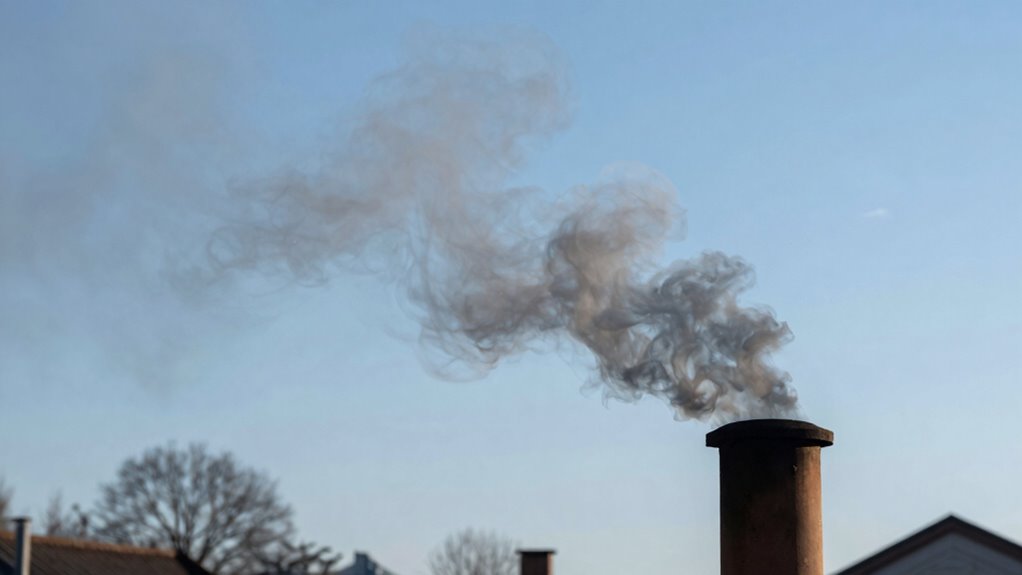
Wood smoke can considerably impact air quality, especially in communities where burning wood is a common heating source. When you burn wood in your fireplace or stove, you release tiny particles and chemicals into the air that can easily drift indoors, affecting indoor pollution levels. These particles, known as particulate matter, are small enough to penetrate deep into your respiratory system, leading to various health effects. Even if you think your home is well-ventilated, wood smoke can seep inside through cracks, vents, or open windows, increasing the concentration of indoor pollutants. This indoor pollution isn’t just a matter of discomfort; it can have serious health consequences over time, especially for children, the elderly, or individuals with pre-existing health conditions.
The health effects of indoor pollution caused by wood smoke are wide-ranging. Short-term exposure can cause eye irritation, coughing, wheezing, and throat soreness. You might notice increased allergy symptoms or respiratory discomfort after burning wood, particularly if your home is poorly ventilated. Long-term exposure, however, poses more significant risks. It can contribute to the development of chronic respiratory diseases like asthma or bronchitis. Studies have also linked prolonged exposure to wood smoke with cardiovascular problems and even impacts on your immune system. If you or someone in your household already has respiratory issues, the presence of indoor pollution from wood smoke can exacerbate these conditions, making everyday activities more difficult and health management more challenging.
Reducing these health effects begins with understanding how wood smoke infiltrates your home and taking small but impactful steps. Using dry, seasoned wood produces less smoke and fewer harmful emissions than green or wet wood. When you burn properly seasoned wood, you generate less indoor pollution, reducing your risk of health effects. Additionally, installing a high-efficiency wood stove or fireplace insert can help contain smoke and improve combustion efficiency, minimizing indoor air contamination. Properly maintaining your heating equipment is essential—regular cleaning and inspection prevent excessive smoke production. Ensuring good ventilation is equally important. Using exhaust fans or opening windows during and after burning can help reduce indoor pollutant buildup, but always be cautious of outdoor air quality and weather conditions. Choosing the right wood and maintaining your stove can further reduce emissions and improve indoor air quality.
Ultimately, being mindful of how you burn wood and maintaining your heating system can make a meaningful difference. Small actions like choosing the right wood, maintaining your stove, and improving ventilation help cut down indoor pollution, safeguarding your health and improving your home’s air quality. You don’t have to overhaul your entire heating system to make a difference—simple, consistent changes add up and matter in the long run.

Comfort Glow Cast Iron Wood Stove – Indoor EPA Certified Heater, Fits 22" Logs, Heats 900 Sq. Ft., Cooking Surface, Compact Design, 6" Flue Collar, 1-year Warranty
- Heating Area: Heats up to 900 sq. ft.
- Log Size Compatibility: Fits 22-inch logs
- Material: Heavy-duty cast iron
As an affiliate, we earn on qualifying purchases.
As an affiliate, we earn on qualifying purchases.
Frequently Asked Questions
How Does Wood Smoke Affect Indoor Air Quality Differently?
Wood smoke substantially worsens indoor air quality by increasing indoor pollution levels with fine particulate matter and harmful chemicals. You might notice increased coughing or irritation. Ventilation strategies, like using exhaust fans or opening windows, help reduce these pollutants, but sealing your home tightly can trap smoke inside. To protect yourself, guarantee proper ventilation when burning wood and avoid indoor wood burning during high pollution days.
What Are the Long-Term Health Risks of Exposure to Wood Smoke?
Think of wood smoke as an invisible villain slowly building a fortress inside your lungs. Long-term exposure can lead to lung inflammation and a higher risk of respiratory infections, weakening your defenses over time. This persistent attack may cause chronic bronchitis or even increase your chances of developing COPD. Protect yourself by reducing exposure, ensuring good ventilation, and using cleaner heating options to keep your respiratory health strong and resilient.
Can Small Wood Stoves Be Safer Than Traditional Fireplaces?
Small wood stoves can be safer than traditional fireplaces if you make ventilation improvements and prioritize stove safety. These stoves often emit fewer pollutants, especially when properly installed and maintained. Make certain you use a certified stove, keep it well-ventilated, and regularly clean it to reduce harmful smoke. By focusing on ventilation and safety measures, you can minimize health risks and enjoy the warmth without compromising air quality.
How Do Weather Conditions Influence Wood Smoke Dispersion?
Weather conditions substantially influence how wood smoke disperses. You should pay attention to airflow patterns, which determine how smoke spreads and settles. During temperature inversions, warm air traps cooler air near the ground, causing smoke to linger and worsen air quality. Wind can help disperse smoke more quickly, but calm, stable conditions may lead to smoke buildup. Understanding these factors helps you minimize indoor and outdoor air pollution from wood burning.
Are There Effective Air Purification Methods for Wood Smoke Indoors?
Did you know indoor air purifiers can remove up to 90% of airborne particles? To combat wood smoke indoors, you should consider high-efficiency air purifier options with HEPA filters, which target fine particles. Additionally, improving ventilation by opening windows or installing exhaust fans helps dilute smoke pollutants. These small changes considerably reduce indoor smoke levels, making your home safer and healthier during wood-burning seasons.
Conclusion
Remember, each small change you make can act like a gentle breeze clearing away the haze of wood smoke. Your choices are the brushstrokes shaping the air we breathe—brightening it with cleaner, healthier breaths. Like stars piercing a smoky night, your actions brighten our world’s future. Embrace these simple steps, and together, we can transform a hazy sky into a clear, hopeful horizon. Your effort truly matters—because clean air is a gift we all share.