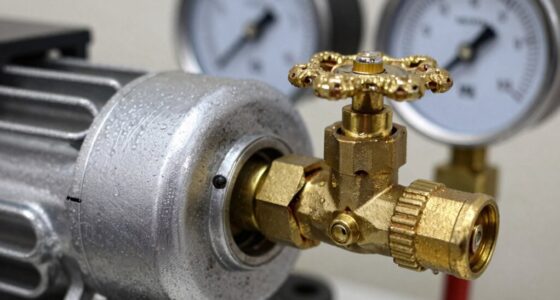
To find a hidden hydraulic leak quickly, start by inspecting for visible signs like fluid on the floor or performance drops. Use specialized tools like ultrasonic leak detectors or electronic stethoscopes to pinpoint high-frequency or audible leak sounds. Applying fluorescent dye with UV light can reveal leaks in dark or tight spaces. Always make certain the system is off and pressure is relieved before testing. If you want to uncover more efficient techniques, keep exploring the options available.
Key Takeaways
- Use ultrasonic leak detectors to quickly identify high-frequency sounds from escaping hydraulic fluid.
- Apply fluorescent dye and UV light to reveal hidden leaks in dark or inaccessible areas.
- Conduct systematic area scans with electronic stethoscopes for audible leak detection.
- Relieve system pressure and turn off equipment before inspection to ensure safety and accuracy.
- Combine multiple detection methods for faster, more reliable identification of concealed leaks.

When a hydraulic leak hides behind machinery or within tight spaces, it can be challenging to locate quickly. You might notice a drop in system performance, a sudden loss of pressure, or even visible signs of fluid on the floor. But pinpointing the exact location of the leak requires a strategic approach. Hydraulic fluid contamination is often a culprit, as debris or dirt mixed with hydraulic fluid can obscure signs of leaks and make detection even trickier. To combat this, you need reliable leak detection equipment designed to identify even the tiniest leaks in complex systems.
Start by inspecting the area visually, but don’t rely solely on this step. Hydraulic leaks behind machinery can be hidden in inaccessible spots, so you’ll need specialized tools. Leak detection equipment such as ultrasonic leak detectors or electronic stethoscopes can help you hear or sense leaks that are invisible to the naked eye. Ultrasonic devices are particularly effective; they pick up high-frequency sounds generated by escaping fluid under pressure. As you move the detector around the suspected area, listen for distinct hissing or high-pitched noises that indicate a leak. These tools are invaluable because they allow you to work efficiently without dismantling machinery unnecessarily.
Additionally, understanding hydraulic system components can help you better interpret the signals from your detection tools and target your inspection more effectively.
Another key step involves isolating the system. Turn off the equipment and relieve system pressure before using leak detection equipment. Once safe, apply a dye or fluorescent fluid to the hydraulic system if necessary. Fluorescent dyes, when used with UV light, reveal leaks that might be otherwise hidden in tight or dark spaces. This technique is especially helpful when dealing with hydraulic fluid contamination, as the dye mixes with the existing fluid, making leaks more visible. Incorporating specialized leak detection methods can further enhance your accuracy, especially in complex setups. Understanding the source of leaks can help prevent future issues and improve maintenance efficiency. Using appropriate safety precautions during inspection is crucial to avoid accidents or exposure to hydraulic fluids. Additionally, utilizing modern detection technology can streamline the process and reduce downtime.

INFICON Whisper, Ultrasonic Leak Detector, 711-202-G1
Detects pressure and vacuum leaks for all gases
As an affiliate, we earn on qualifying purchases.
As an affiliate, we earn on qualifying purchases.
Frequently Asked Questions
Can Hydraulic Leaks Be Detected Without Specialized Equipment?
Yes, hydraulic leaks can sometimes be detected without specialized equipment through visual inspection and leak detection techniques. You should look for wet spots, puddles, or damage around fittings and hoses. Proper equipment calibration is essential to guarantee accurate results during inspection. While basic methods help identify obvious leaks, using specialized tools improves accuracy and speeds up the process, especially for hidden or small leaks that aren’t immediately visible.
What Are the Safety Precautions During Leak Detection?
You should prioritize personal safety by wearing appropriate protective gear, like gloves and goggles, to prevent injuries from high-pressure leaks. Always guarantee equipment is depressurized before inspection to avoid accidents. Keep a safe distance from potential leak areas and use proper detection tools to avoid direct contact. Protecting your equipment is equally important—use non-flammable, non-corrosive agents, and handle all safety devices carefully to prevent damage during leak detection.
How Often Should Hydraulic Systems Be Inspected for Leaks?
Think of your hydraulic system as a vigilant guardian; you should inspect it regularly to catch leaks before they grow wild. Use leak detection techniques like visual checks and ultrasonic testing during scheduled inspection intervals—generally every 3 to 6 months, depending on usage and environment. Consistent inspections act like a steady heartbeat, ensuring your system stays healthy and leaks remain just a whisper, not a roar.
Are There Environmentally Friendly Leak Detection Methods?
Yes, eco-friendly detection methods exist. You can use biodegradable fluids that are less harmful to the environment, making leak detection safer. Eco-friendly detection involves applying biodegradable dyes or fluids that glow under UV light, helping you identify leaks without polluting. These methods are effective, sustainable, and reduce your ecological footprint, ensuring you maintain hydraulic systems while protecting the environment.
What Are the Common Causes of Hidden Hydraulic Leaks?
You should look out for common causes of hidden hydraulic leaks, such as worn seals, damaged hoses, or loose fittings. Regular leak detection techniques are vital for identifying these issues early. Proper hydraulic system maintenance helps prevent leaks caused by corrosion, dirt buildup, or thermal expansion. By staying vigilant, you can catch hidden leaks before they escalate, saving time and reducing environmental impact.

FJC 4971 Fluorescent Leak Detection UV Dye Kit
UV leak detection dye for radiator coolant, motor oil, fuel, transmissions, power steering and hydraulic fluid
As an affiliate, we earn on qualifying purchases.
As an affiliate, we earn on qualifying purchases.
Conclusion
Now that you know how to spot a hidden hydraulic leak quickly, you’re armed like a detective with a magnifying glass in hand. Remember, leaks can hide like a needle in a haystack, but with the right tools and keen eyes, you’ll find it before it causes more damage. Stay vigilant and act fast—because catching that leak early is like stopping a storm before it hits, saving you time, money, and headaches down the road.
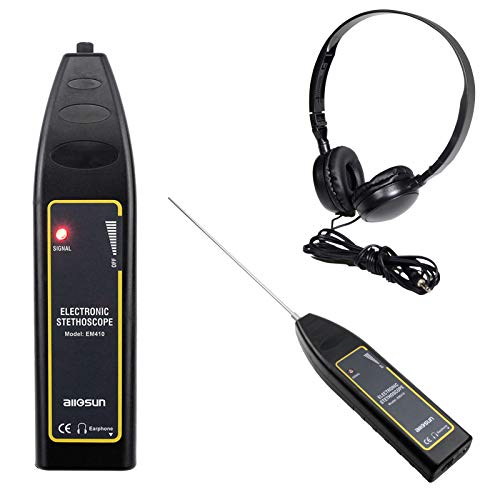
allsun Pro Ultrasonic Leak Detector & Industrial Stethoscope,High Sensitivity Machine Diagnostic Tool for Engine Noise, Bearing, Valve, Pump, Pipe Flow,Mechanic Tool Kit(Includes Long/Short Probe & Carry Bag)
【DETECT HIDDEN MACHINE FAULTS EARLY & SAVE COSTS】Pinpoint the exact source of abnormal noises (valve quiver, tappet tremolo,…
As an affiliate, we earn on qualifying purchases.
As an affiliate, we earn on qualifying purchases.

The Original Hydraulic Quick Coupling Pressure Decompression Relief Release Tool 1/2" Ag/Pioneer/Poppet Size fits models of Kubota, John Deere, Other Compact Tractors
The Original Tractor Relief Tool! PLEASE VERIFY YOUR COUPLING SIZE AND STYLE BEFORE ORDERING! Relieves pressure in hydraulic…
As an affiliate, we earn on qualifying purchases.
As an affiliate, we earn on qualifying purchases.