
Fast heat delivers warmth quickly, making it perfect when you need instant comfort, but it cools down rapidly once turned off. Lasting heat, on the other hand, provides steady, long-term warmth by retaining heat over time, which helps maintain a consistent temperature and saves energy. If you’re looking for quick fixes or long-term comfort, understanding these differences can help you make the right choice. Keep exploring to discover even more about selecting the best heating solutions.
Key Takeaways
- Fast heat provides quick warmth using rapid energy transfer, ideal for immediate comfort, while lasting heat maintains steady temperature over time.
- Fast heat sources heat quickly but may cool down fast; lasting heat offers consistent warmth through high thermal mass.
- Lasting heat minimizes temperature fluctuations, ensuring more stable and energy-efficient long-term comfort.
- Fast heat often consumes more energy over time due to frequent heating cycles, whereas lasting heat is generally more energy-efficient.
- Fast heat is suitable for short-term needs; lasting heat is better for sustained, long-term heating and energy savings.
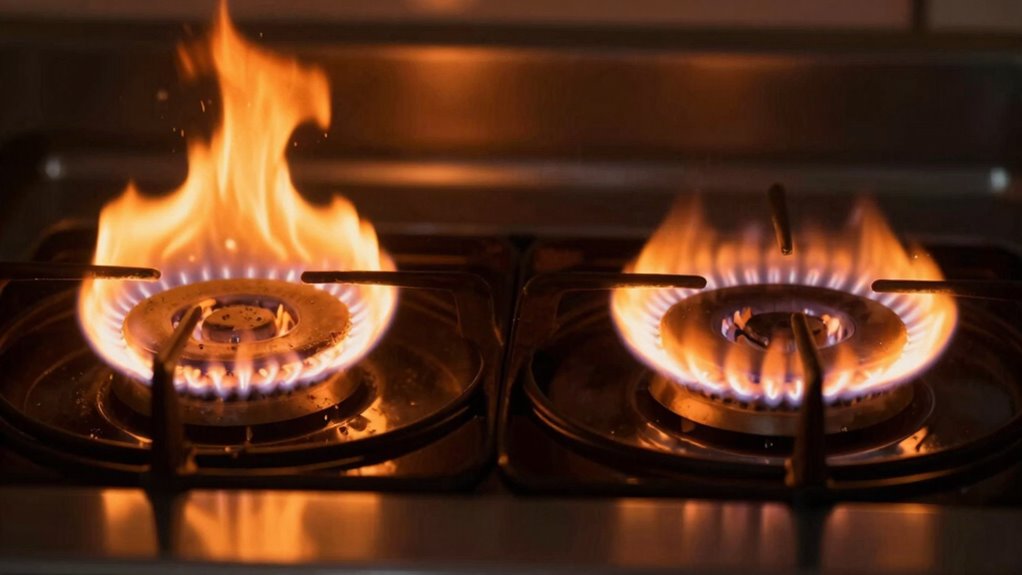
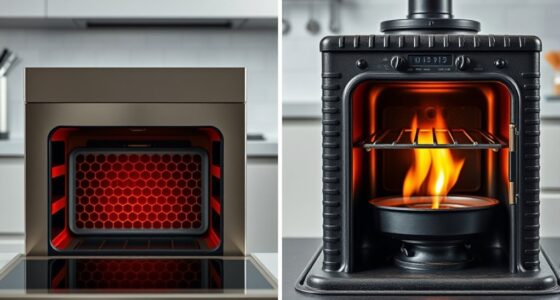
When it comes to heating, understanding the difference between fast heat and lasting heat can save you time and energy. Fast heat delivers warmth quickly, making it ideal when you need immediate comfort. For example, if you’re entering a chilly room, a heater that produces rapid heat will quickly raise the temperature, giving you instant relief. This quick energy transfer is achieved by heating elements designed to emit a high amount of heat in a short period. However, while fast heat is excellent for immediate comfort, it often struggles to maintain temperature stability over time. The rapid energy transfer means the heat source may cool down quickly once turned off or if the room’s insulation isn’t sufficient, leading to fluctuations in temperature and the need for frequent adjustments.
On the other hand, lasting heat focuses on maintaining consistent warmth over a longer period. It’s about steady energy transfer that ensures the temperature remains stable without frequent adjustments. This type of heat is often produced by sources with high thermal mass, such as radiators or underfloor heating, which absorb and slowly release heat into the room. Because of this, lasting heat minimizes temperature fluctuations, providing a more comfortable environment, especially in colder climates or during extended periods of use. While it might take longer to reach the desired temperature initially, it offers better energy efficiency over time since the heat source doesn’t need to work as hard to maintain stability. This consistent energy transfer results in a more comfortable, uniform temperature that stays steady, reducing the need for constant adjustments. Additionally, understanding the thermal mass of your heating system can help you better predict how it will perform in maintaining lasting heat. Knowing the heat retention capabilities of your system can further improve your ability to optimize its performance and energy use. Considering the energy efficiency of different systems can also help you reduce utility costs over time.
Being aware of the insulation quality in your space can also influence whether fast or lasting heat is more suitable, as better insulation enhances the effectiveness of lasting heat sources. Knowing the difference between these heat types helps you choose the right heating solution based on your needs. If you’re looking for quick warmth, fast heat options save you time but may require more energy in the long run due to temperature fluctuations. Conversely, if your priority is comfort and energy efficiency over time, lasting heat sources are the better choice, providing stable temperature control with less effort. Ultimately, understanding how each type of heat transfers energy and affects temperature stability helps you make smarter decisions, whether for a single room or your entire home. Balancing immediate comfort with long-term stability ensures you’re not wasting energy or sacrificing comfort, making your heating system both effective and efficient.

Amazon Basics Ceramic Space Heater, Portable Indoor Heating Solution, With Overheat and Tip-Over Protection, Thermostat, Non-Oscillating, 1500W, 7.52"D x 6.34"W x 9.45"H, Black
- Heating Settings: High, Low, Fan Only modes
- Compact & Portable: Lightweight, easy to move
- Safety Features: Tip-over and overheat protection
As an affiliate, we earn on qualifying purchases.
As an affiliate, we earn on qualifying purchases.
Frequently Asked Questions
How Do Different Materials Affect Heating Speed and Duration?
Different materials impact heating speed and duration based on their conductivity and heat retention properties. Materials with high conductivity, like metals, heat up quickly but don’t retain heat long, making them ideal for fast heating. Conversely, materials with good heat retention, such as ceramics or insulation, heat up slowly but keep warmth longer. Your choice depends on whether you need rapid heat or longer-lasting warmth, influenced by these material properties.
Can User Preferences Influence Choosing Fast or Lasting Heat?
Yes, your preferences can influence whether you choose fast or lasting heat. If personal comfort means needing quick warmth, you might prefer fast heat, especially during cold mornings. Conversely, if you prioritize energy efficiency and sustained warmth, lasting heat suits you better. Your lifestyle and comfort needs guide your choice, ensuring you balance energy use with how cozy you feel, making your heating setup more tailored and effective.
Are There Safety Concerns With Rapid Heating Methods?
Rapid heating can pose safety hazards like burns or electrical issues if not properly managed, so always prioritize emergency preparedness. While fast heat methods save time, they can increase risks if appliances aren’t designed for quick temperature changes. Juxtapose convenience with caution—understanding these safety concerns helps you stay safe. Always follow manufacturer instructions, keep emergency supplies handy, and never ignore warning signs during rapid heating to prevent accidents.
How Does Ambient Temperature Impact Heat Retention?
Ambient temperature plays a vital role in heat retention, affecting how well your heating system maintains consistent warmth. When the surrounding environment is cooler, your system works harder, reducing energy efficiency and making temperature regulation more challenging. Conversely, in warmer ambient conditions, heat lasts longer, conserving energy. Understanding this interaction helps you optimize your heating strategies, ensuring better temperature control and improving overall energy efficiency in your space.
What Maintenance Is Required for Optimal Heat Performance?
To keep your heating system performing at its best, you should regularly check and clean filters, vents, and thermostats. Make sure insulation is intact to boost energy efficiency and reduce costs. Schedule annual maintenance with a professional to identify issues early, maintain efficiency, and extend your system’s lifespan. Proper upkeep minimizes energy consumption, saves money on repairs, and guarantees consistent, lasting heat when you need it most.
Conclusion
Now that you understand the difference, picture yourself holding a flickering flame—bright and quick to warm but fading fast. Or imagine a steady, crackling fire, slowly building warmth that lingers long after the sparks have settled. When choosing between fast heat and lasting heat, think about the cozy comfort you crave—whether a swift embrace or a gentle, enduring glow. Your choice shapes how your space feels, transforming a simple moment into a lasting memory.