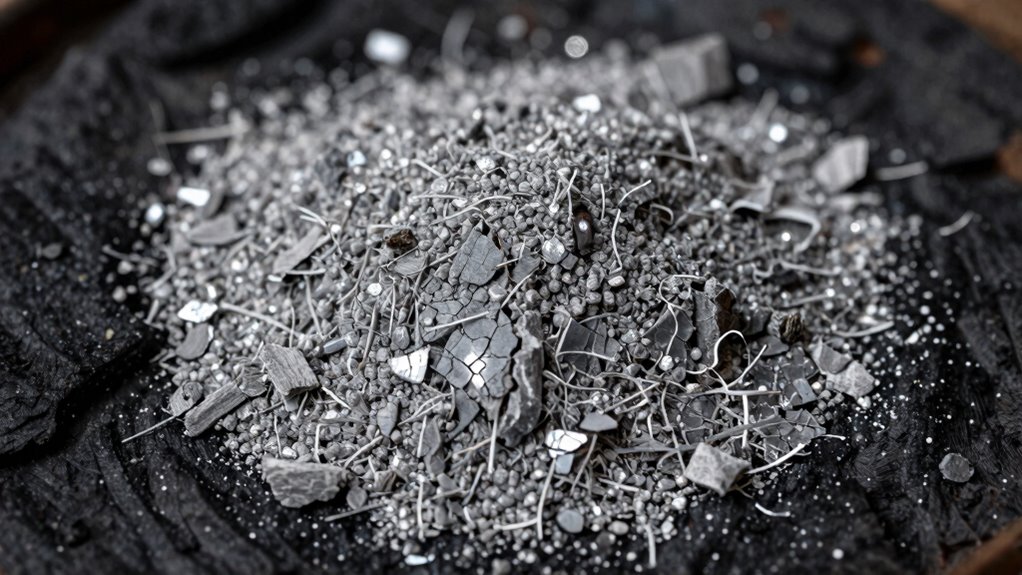
Your wood ash reveals a lot about your burning habits. Fine, gray ash means you’re burning efficiently and completely, while unburned wood indicates incomplete combustion. Dark ash and damp wood suggest poor airflow or green fuel, wasting energy and producing more smoke. By paying attention to ash signs, you can adjust your methods for cleaner, more efficient fires. Keep exploring to discover more tips on optimizing your fire for better performance and safety.
Key Takeaways
- Fine, gray ash indicates a hot, efficient burn, while darker or unburned wood suggests incomplete combustion.
- The presence of damp or green wood in ash shows poor ignition and airflow issues.
- Excess unburned wood in ash signals improper fire-starting techniques or insufficient heat.
- Changes in ash color and texture can reveal whether the fire is burning at the right temperature.
- Proper ash disposal and analysis help identify and correct habits that hinder complete combustion.
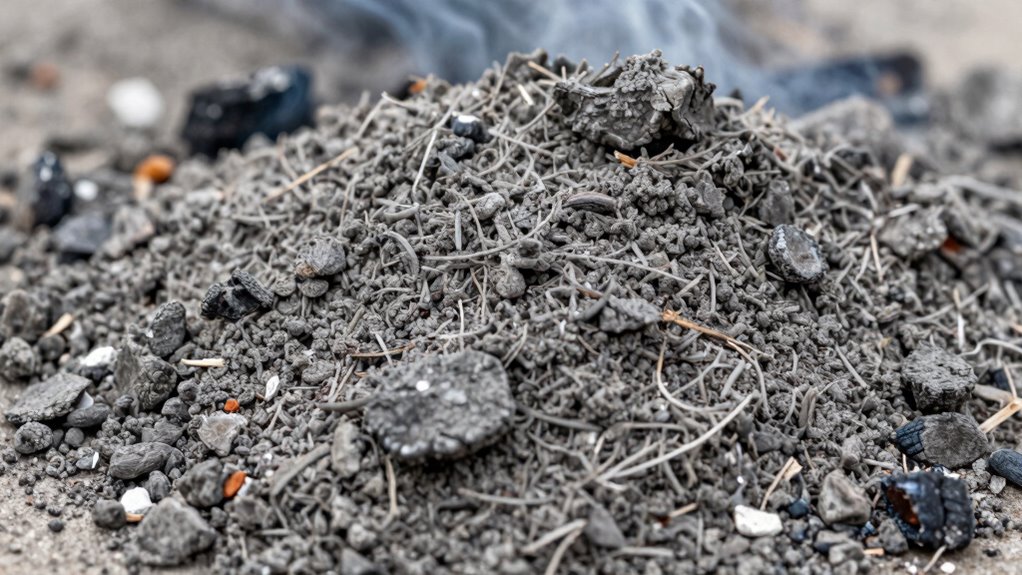
Wood ash, often overlooked, can play a significant role in your burning habits and overall fire management. When you pay attention to the ash left behind, you gain insight into how well your fire is burning and whether your practices are efficient. For example, a fine, gray ash typically indicates a hot, complete burn, while a mix of unburned wood particles and darker ash suggests incomplete combustion. Recognizing these signs helps you adjust your methods to improve burning efficiency, reduce smoke, and maintain better indoor air quality. Poor combustion often leads to excess smoke and particulate matter, which can compromise indoor air quality and pose health risks. By monitoring the ash, you can guarantee you’re burning wood properly, producing less smoke and reducing pollutants that affect indoor air quality. Additionally, understanding the combustion process can help you optimize your fire-starting techniques for cleaner and more efficient burns. Paying attention to ash can also help identify damp wood or poor airflow issues that hinder complete combustion. Regularly inspecting the firewood quality you use can further enhance your fire’s efficiency and reduce emissions.
Monitoring ash reveals burn quality, helping you burn efficiently and improve indoor air quality.
Paying close attention to your ash can also alert you to potential issues with your burning habits. For instance, if you notice a lot of unburned wood or excessive smoke, it might mean your fire isn’t reaching ideal temperatures or that you’re burning green or damp wood. These habits not only waste fuel but also increase indoor air pollution. Adjusting your fire-starting technique or switching to seasoned wood can improve combustion, leading to cleaner burns and healthier indoor air. Furthermore, consistent ash management supports better fire safety, reducing the risk of accidental fires caused by leftover embers. Proper ash disposal methods are essential because improperly handled ash can remain hot for quite a while and pose a fire hazard if not stored correctly. Using appropriate disposal techniques, such as placing ash in a metal container away from combustibles, can prevent potential accidents.
Ultimately, observing your wood ash isn’t just about waste; it’s a practical way to refine your burning habits. It helps you burn more efficiently, protect indoor air quality, and handle ash safely. Incorporating good ash disposal methods and paying attention to ash characteristics can transform your fire management, making your heating experience safer, cleaner, and more cost-effective.
As an affiliate, we earn on qualifying purchases.
Frequently Asked Questions
Can Wood Ash Indicate Indoor Air Quality Issues?
Yes, wood ash can indicate indoor air quality issues. When you notice excessive ash buildup or ash with unusual ash composition, it may signal the presence of indoor pollutants or incomplete combustion. These signs suggest you should check your burning habits and ventilation. Monitoring ash composition helps you identify harmful residues, allowing you to improve air quality indoors and reduce potential health risks linked to indoor pollutants.
How Often Should I Check Ash for Warning Signs?
Think of your ash as a weather report for your stove’s health. You should check it after each burn or at least weekly. Look for warning signs like high ash temperature, which could indicate over-firing, or residue texture that’s uneven or clumpy, signaling incomplete combustion. Regularly monitoring these signs helps you catch issues early, keeping your stove running efficiently and safely.
Does Ash Color Change With Different Wood Types?
Yes, ash color can change with different wood types because of variations in wood species and ash pigmentation. Hardwoods like oak often produce lighter ash, while softer woods like pine tend to leave darker residue. You’ll notice these differences as you check your ash, helping you identify the wood species burned and assess your burning habits. Pay attention to ash color changes to guarantee you’re burning wood efficiently and safely.
Can Ash Analysis Predict Fire Safety Risks?
Yes, ash analysis can predict fire safety risks. By examining ash composition, you can identify incomplete combustion or the presence of harmful residues, which indicate poor combustion efficiency. If the ash contains high levels of unburned carbon or certain chemicals, it suggests your fire isn’t burning efficiently or safely. Monitoring ash helps you adjust your burning habits, ensuring safer fires and reducing risks like smoke buildup or dangerous fumes.
Is There a Safe Way to Dispose of Wood Ash?
You can safely dispose of wood ash by waiting until it’s completely cool, which takes at least 48 hours, before handling. Did you know that only 10% of homeowners follow proper ash disposal methods? To guarantee safe practices, store ash in a metal container with a tight lid and avoid dumping it directly into trash or compost. Always double-check that it’s fully cooled to prevent fires.
Conclusion
By paying attention to your wood ash, you can gain valuable insights into your burning habits. For instance, a prevalence of white ash indicates complete combustion, meaning you’re burning efficiently. Conversely, heavy black or greasy ash suggests incomplete burning and wasted fuel. Did you know that improper burning can release up to 30% more pollutants into the air? Monitoring your ash not only improves your efficiency but also helps reduce your environmental impact. Stay attentive—your ash holds the clues to better burning habits.