
To identify hydraulic hose wear, look for surface damage like cracks, fraying, or worn spots that expose inner layers. Check for leaks, wet spots, or dripping fluids around fittings and along the hose. Feel for stiffness or softness, which signals internal damage. Swelling or bulging areas indicate deterioration. Listen for unusual noises like squealing or banging during operation, and inspect fittings for corrosion or looseness. Spotting these signs early helps prevent failure—keep exploring to learn more.
Key Takeaways
- Inspect surface for fraying, cracking, or worn protective coating exposing inner layers or metal braiding.
- Check for swelling, bulging, or irregular textures indicating internal damage or pressure buildup.
- Assess flexibility by bending the hose; stiffness or excessive softness suggests internal fatigue.
- Listen for noises like squealing, banging, or hissing, which signal leaks or connection issues.
- Examine fittings for corrosion, cracks, leaks, or looseness to ensure secure and intact connections.
Visible Signs of Surface Damage and Abrasion
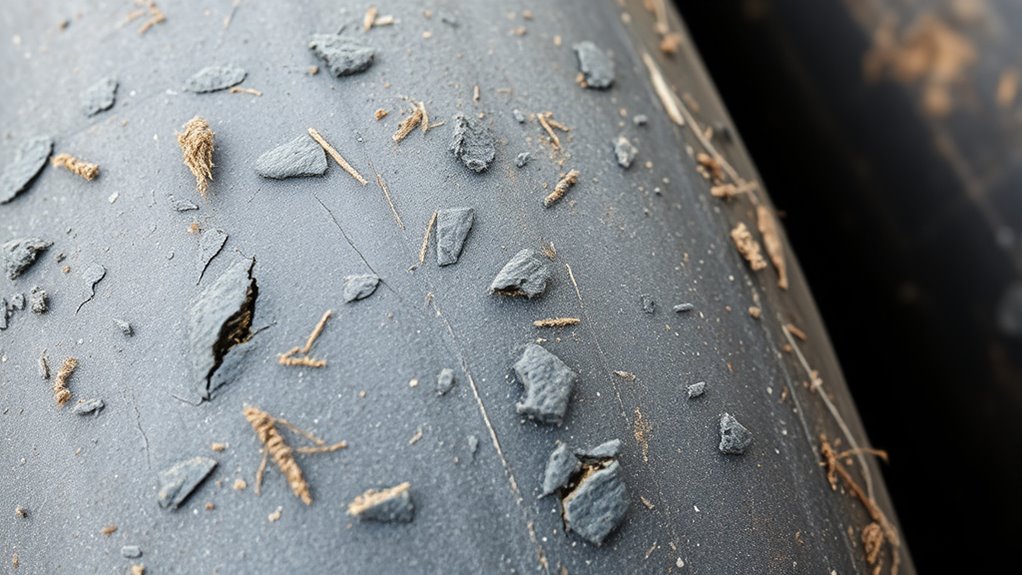
Visible signs of surface damage and abrasion are often the first indicators that your hydraulic hose needs attention. You might notice the outer layer looking frayed, cracked, or worn down from constant friction or exposure to harsh environments. These surface imperfections weaken the hose’s integrity, increasing the risk of leaks or failure. Check for areas where the protective coating has been rubbed away, revealing the inner layers or metal braiding. Sometimes, you’ll see shiny or rough patches indicating abrasion from nearby moving parts. If you find these signs, don’t ignore them. Surface damage can quickly escalate into more serious issues, so it’s vital to inspect the hose thoroughly and replace it if necessary before a failure occurs. Additionally, understanding types of headphone jacks can help you select appropriate tools or accessories for inspection and repair. Regular inspections, including visual examination of surface signs, are essential to maintain hydraulic system safety and efficiency, especially since consistent wear can lead to exposed reinforcement and potential leaks. Recognizing early surface degradation can help prevent costly repairs and system downtime.
Checking for Leaks and Dripping Fluids
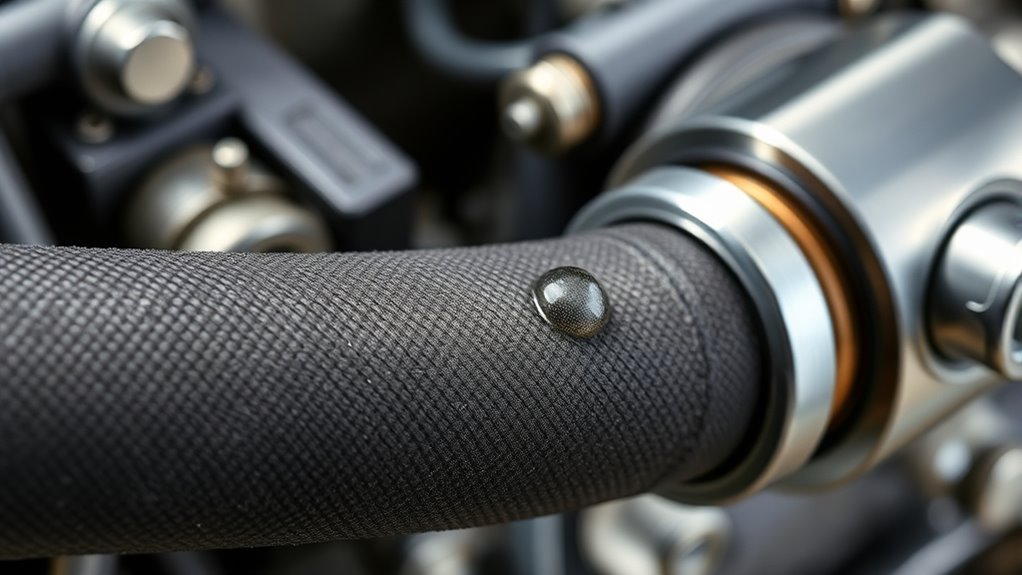
To guarantee your hydraulic hose is functioning properly, regularly check for leaks and dripping fluids. Look closely along the hose and fittings for any signs of fluid escaping. Leaks often appear as wet spots, puddles, or streaks on the hose surface or nearby components. Dripping fluids can indicate a connection issue or a crack in the hose. Use a clean cloth to wipe around fittings, checking for fresh fluid. If you spot leaks, address them immediately to prevent further damage. Keep a record of any leaks found, and inspect hoses frequently. Proper maintenance and timely repairs are essential for safe and efficient hydraulic system operation, especially considering the performance upgrades available for vehicles like the Audi models. Regular inspections can also help identify wear and tear, ensuring the longevity of your hydraulic components. Additionally, understanding fluid compatibility is crucial to prevent damage caused by using incorrect lubricants or hydraulic fluids. Incorporating visual inspection techniques can further improve detection of early signs of hose deterioration.
Monitoring Hose Flexibility and Stiffness
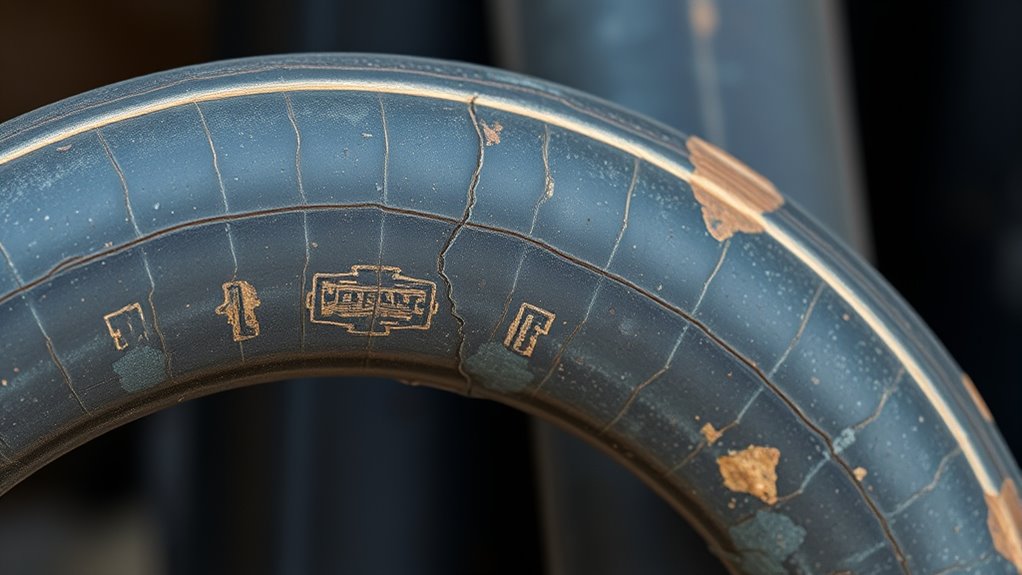
Monitoring the flexibility and stiffness of your hydraulic hose is essential for early detection of wear or damage. You should regularly bend or manipulate the hose to assess its response. If it feels unusually stiff or resistant, it may indicate internal damage or material fatigue. Conversely, excessive softness or floppiness could suggest loss of structural integrity. Pay attention to changes in how the hose moves under normal operation; reduced flexibility can lead to cracking or ruptures over time. Using a simple hand test, you can gauge stiffness levels and identify issues before they become serious problems. Consistent monitoring helps you catch early signs of wear, extending your hose’s lifespan and maintaining system safety and performance. Additionally, understanding proper maintenance hours principles can assist in budgeting for replacements or repairs, ensuring your system remains operational without unexpected costs. Regular inspection routines are vital for maintaining optimal system performance and avoiding costly downtime. Incorporating visual inspection techniques can further enhance early detection of external damages or leaks, safeguarding overall system integrity.
Inspecting for Swelling or Bulging Areas
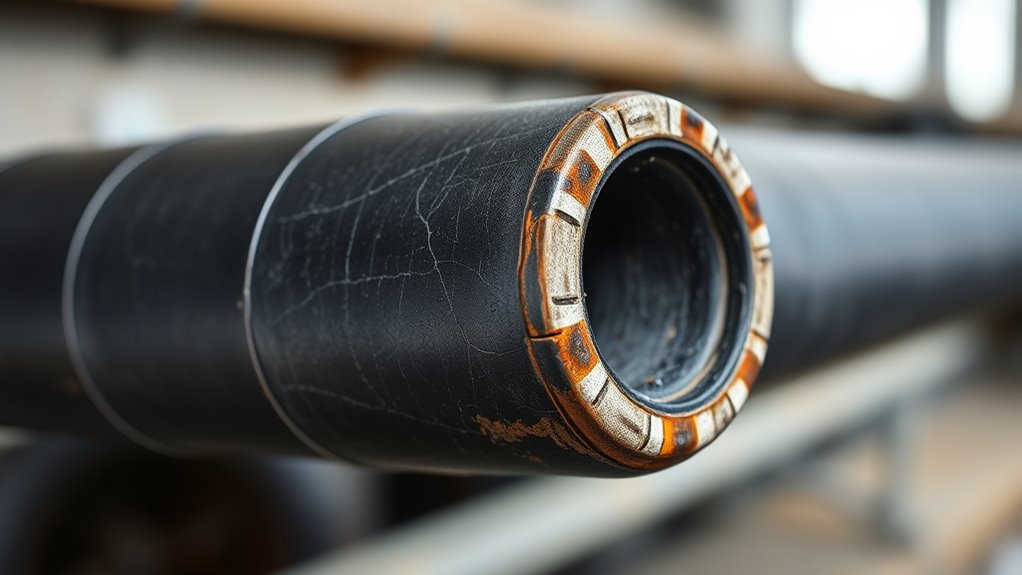
Regularly inspecting your hydraulic hose for signs of swelling or bulging is essential, as these issues can indicate internal damage or a weakening of the hose material. Look closely along the entire length, especially at connection points. Swelling appears as rounded or puffed-up areas, while bulging causes noticeable bumps. These signs suggest internal leaks, air pockets, or weakened reinforcement. To help identify problem spots, review the table below:
| Sign | Possible Cause | Action |
|---|---|---|
| Swelling/Bulging | Internal pressure buildup | Replace the hose |
| Soft, spongy areas | Material degradation or damage | Inspect and replace if needed |
| Uneven surface | Reinforcement failure | Schedule maintenance |
Additionally, visual cues such as discoloration or irregular surface textures can further indicate deterioration. Recognizing hose deterioration early is crucial, especially given the importance of AI safety measures in modern equipment. Early detection of these signs can significantly reduce repair costs and downtime. Promptly address these issues to prevent failure and ensure safety.
Noticing Unusual Noises During Operation
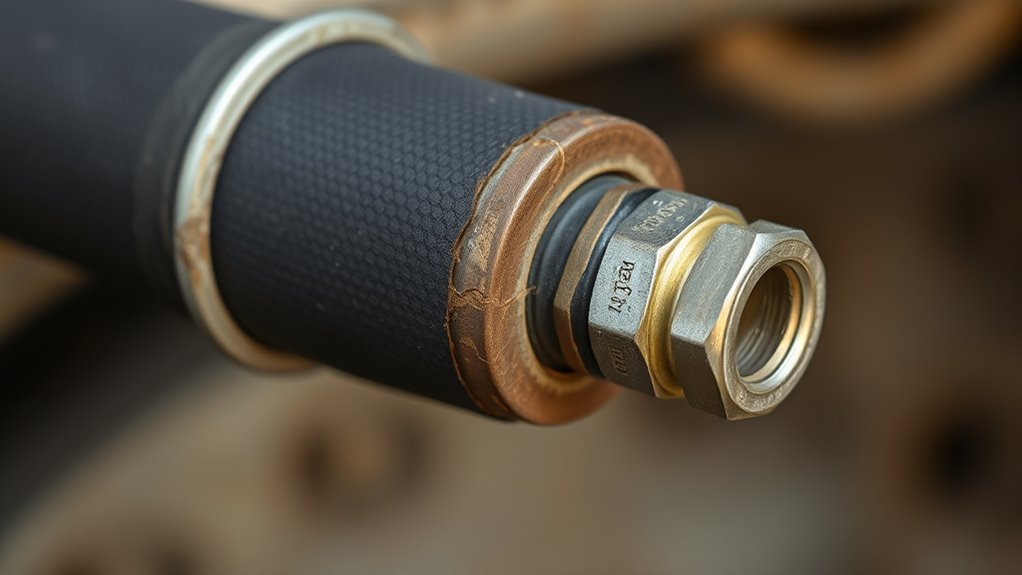
If you hear unusual noises while operating your hydraulic system, don’t ignore them. These sounds often signal underlying problems with the hoses or fittings. Paying attention to the noise patterns can help you diagnose issues before they cause more serious damage.
Unusual Noises Indicate Problems
Unusual noises during hydraulic hose operation often signal underlying problems that demand immediate attention. You might hear squealing, banging, or hissing sounds, which can indicate issues like hose kinks, leaks, or pressure build-up. These noises aren’t normal and shouldn’t be disregarded, as they can lead to hose failure or equipment damage. For example, a high-pitched squeal could mean excessive pressure or friction, while banging might suggest a loose connection or internal damage. Hissing sounds typically point to leaks, which can cause a loss of hydraulic fluid and reduce system efficiency. When you notice unusual noises, stop the equipment and inspect the hoses carefully. Addressing these sounds early can prevent costly repairs and ensure safe, reliable operation.
Diagnosing Noise Patterns
Listening carefully to noise patterns during hydraulic hose operation can help you identify specific issues early. Unusual sounds like squealing, knocking, or hissing often signal problems such as wear, leaks, or misalignment. Pay attention to when the noise occurs—whether it’s during startup, steady operation, or shutdown—as this can pinpoint the cause. A high-pitched squeal might indicate a lack of lubrication or a loose fitting, while a knocking sound could suggest internal damage or pressure fluctuations. Hissing noises usually point to leaks or damaged seals. Consistent monitoring helps you recognize these patterns quickly, so you can address issues before they escalate. Accurate diagnosis relies on noting the type, timing, and intensity of sounds during operation, enabling timely maintenance and preventing hose failure.
Examining Fittings and Connection Points

Start by checking for leaks around the fittings and connection points, as even small drips can indicate problems. Inspect the fittings for signs of wear, such as cracks or corrosion, which can weaken the connection. Finally, guarantee all connections are tight and secure to prevent pressure drops and potential failures.
Check for Leaks
How can you guarantee your hydraulic hose is free from leaks? Start by inspecting all fittings and connection points closely. Look for any signs of fluid seepage, wet spots, or drips around fittings. Feel for any areas where fluid might be escaping, especially near joints or threaded connections. Listen for hissing sounds that could indicate a leak under pressure. Use a clean cloth to wipe fittings; sometimes leaks are easier to spot on a dry surface. Keep an eye out for corrosion, cracks, or damage that could compromise the seal. Remember, even small leaks can lead to bigger issues, so regular checks are essential. Staying vigilant helps prevent costly repairs and ensures your hydraulic system operates safely and efficiently.
Inspect Fitting Wear
Inspecting fittings and connection points for wear is a vital step in maintaining hydraulic hose integrity. You should regularly examine fittings for signs of corrosion, rust, or deformation. Check for cracks, especially around threaded areas, as these can weaken the connection. Look for any signs of leakage or fluid seepage around fittings, which may indicate a compromised seal. Make certain fittings are tight but not over-tightened, as this can cause damage. Feel for roughness or uneven surfaces that could suggest wear or erosion. Remember, connection points under constant vibration or pressure are more prone to wear, so pay extra attention to these areas. By thoroughly inspecting fittings, you prevent leaks and make certain the entire hydraulic system operates safely and efficiently.
Confirm Secure Connections
Have you confirmed that all fittings and connection points are securely fastened? Ensuring tight connections prevents leaks and reduces wear caused by vibrations or movement. Check each fitting for proper tightening, avoiding over-tightening that can damage threads. Look for any signs of looseness, such as movement or gaps between fittings and hoses. Tighten fittings with the correct tools and torque specifications. Inspect connection points regularly, especially after equipment use or transport. Loose fittings can cause fluid leaks, pressure drops, and accelerated hose wear. Confirming secure connections is a simple yet essential step in maintaining hydraulic system integrity. Always double-check fittings during routine inspections to prevent issues before they escalate, ensuring safe and efficient operation of your hydraulic system.
Assessing Hose Performance Under Load
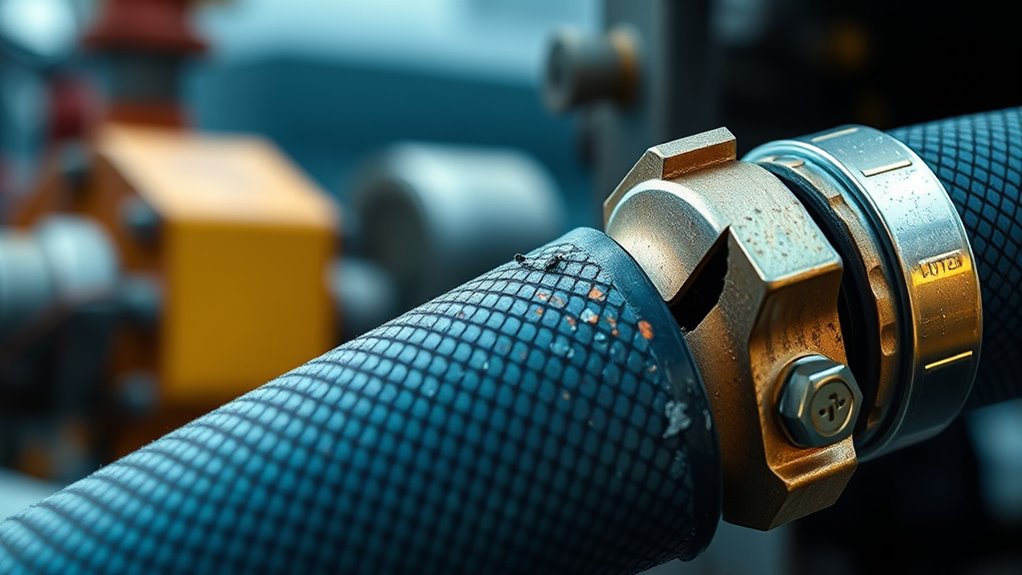
When evaluating hose performance under load, it’s essential to monitor how the hose responds to pressure and stress during operation. Pay attention to any signs of swelling, bulging, or deformation, as these indicate potential wear or weak spots. Listen for unusual noises like hissing or bulging sounds, which can signal leaks or internal damage. Observe for reduced fluid flow or inconsistent pressure, suggesting internal abrasion or blockage. Check for excessive flexing, kinks, or twisting that increase stress on the hose. Regularly inspect for visible cracks, abrasions, or leaks during operation. By actively appraising how the hose handles load, you can identify early signs of wear, preventing failures and ensuring safe, efficient performance.
Frequently Asked Questions
How Often Should Hydraulic Hoses Be Inspected for Wear?
You should inspect hydraulic hoses regularly to guarantee safe operation. Typically, it’s best to check them at least every 3 to 6 months, depending on usage and environment. Look for signs of wear such as cracks, leaks, abrasion, or bulges. Frequent inspections help catch issues early, preventing failures that could cause costly damage or safety hazards. Always follow manufacturer guidelines for specific maintenance schedules tailored to your equipment.
What Are the Safety Precautions During Hydraulic Hose Inspection?
Think of inspecting hydraulic hoses as a safety dance—each step matters. You should wear protective gloves and eye gear to shield yourself from potential leaks or bursts. Before inspecting, shut off equipment and relieve pressure to prevent surprises. Keep a fire extinguisher nearby, and avoid any open flames. Always follow manufacturer guidelines and report any damage immediately. With these precautions, you stay safe and keep your equipment running smoothly.
Can Hydraulic Hose Wear Be Prevented With Regular Maintenance?
Regular maintenance plays an essential role in preventing hydraulic hose wear. By inspecting hoses frequently, you can spot early signs like cracks, leaks, or abrasions and address them before they worsen. Keeping hoses clean, properly routed, and free from excessive pressure or bending also helps extend their lifespan. Implementing a proactive maintenance schedule guarantees you catch issues early, reducing downtime and preventing costly repairs or accidents.
How Does Environmental Exposure Affect Hose Wear?
Environmental exposure markedly impacts hose wear, as harsh conditions accelerate deterioration. You should regularly inspect hoses for damage caused by exposure to sunlight, ozone, chemicals, or extreme temperatures. UV rays weaken the material, while chemicals can cause cracking or swelling. Protect hoses with proper shielding or covers, and avoid exposing them to unnecessary environmental stress. By managing these factors, you extend hose lifespan and maintain safe, efficient operation.
When Should a Hydraulic Hose Be Replaced Instead of Repaired?
Think of a hydraulic hose as the lifeline of your machinery; when it shows signs of serious wear, it’s time to replace rather than repair. If the hose has extensive cuts, bulges, or leaks, repairs won’t hold up like a patched-up boat in a storm. Always consider safety and reliability—if the damage compromises performance or safety, replacing the hose is your best bet to keep things moving smoothly and avoid costly downtime.
Conclusion
So, next time you ignore those tiny signs of wear, remember—you might just be inviting a hydraulic catastrophe. It’s amusing how a small crack or a stiff bend can turn into a messy flood or costly downtime. Keep an eye on your hoses, or you might find yourself caught in a leak’s ironic punchline—thinking you’re safe until fluid suddenly escapes, leaving you drenched and wishing you’d acted sooner. Prevention truly beats the splashes of regret.