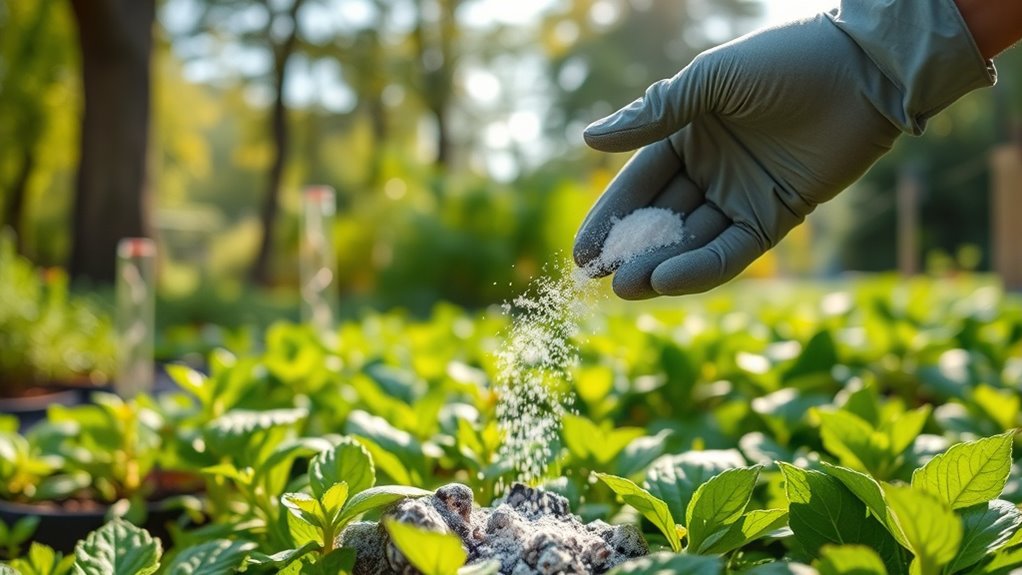

To dispose of and reuse ash safely, you should identify its type—wood or coal—and handle it with gloves, masks, and proper ventilation. Store ash in sealed, labeled containers away from water sources and living spaces. Use environmentally friendly methods like landfilling in lined sites or recycling for construction and soil enrichment while monitoring for contamination. Following regulations and best practices helps protect health and the environment. To find out more, explore ways to improve sustainability and compliance.
Key Takeaways
- Handle ash with protective gear like gloves and masks, and store in labeled, secure containers away from children and water sources.
- Dispose of ash in lined landfills or stabilize it with binders to prevent leaching and environmental contamination.
- Reuse ash in construction materials, such as eco-friendly bricks and concrete, or as soil amendments to enhance land fertility.
- Regularly test ash, soil, and runoff to monitor for contaminants and ensure compliance with environmental regulations.
- Follow local, national, and industry standards for storage, handling, and disposal to minimize health and environmental risks.
Understanding Different Types of Ash and Their Hazards
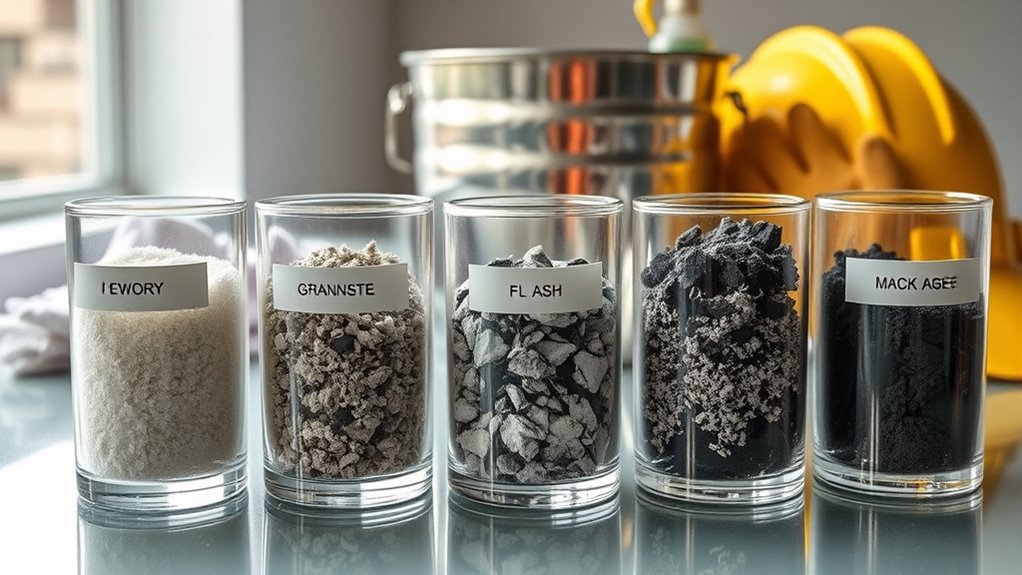
Understanding the different types of ash is essential because each poses unique hazards. When you handle ash, you need to recognize whether it’s from wood, coal, or other materials. Wood ash is generally less toxic but can still irritate your skin and eyes if not handled properly. It can also be beneficial as a soil amendment when used correctly. Coal ash, on the other hand, contains heavy metals like arsenic and lead, which can contaminate soil and water. Their dust particles can become airborne, causing respiratory issues if inhaled. Recognizing the chemical composition of ash is vital to prevent health risks and environmental damage. Knowing the type of ash helps you determine the level of caution required during disposal or reuse. Always assume ash could contain harmful substances, and handle it with gloves, masks, and proper ventilation. Proper disposal methods depend on identifying ash types accurately, which is crucial for hazardous waste management. Additionally, understanding the hazardous substances present in ash is vital to prevent health risks and environmental damage. Being aware of the environmental impact of ash disposal can help minimize contamination and long-term ecological effects. Being informed about ash-related hazards can further guide safe handling practices to protect both health and the environment.
Guidelines for Safe Ash Handling and Storage
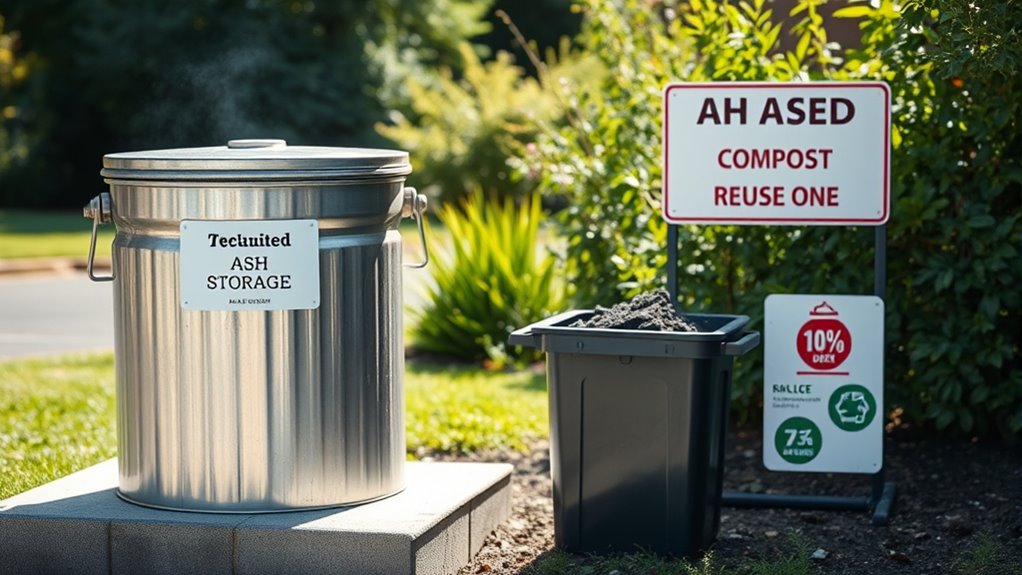
Proper handling and storage of ash are key steps in minimizing health and environmental risks. Always wear protective gear like masks and gloves when moving ash. Store it in sealed, labeled containers away from children and animals. Keep ash dry to prevent dust emissions and possible airborne contaminants. Use designated areas that are flat and stable, avoiding water contact to prevent leaching. To help visualize, here’s a quick guide:
| Storage Tip | Description |
|---|---|
| Use Proper Containers | Metal or heavy-duty plastic, sealed tight |
| Keep Dry | Prevent moisture to avoid dust and contamination |
| Label Clearly | Indicate contents and hazards |
| Store Securely | Away from living spaces and water sources |
Following these guidelines ensures safe handling and minimizes risks. Additionally, understanding water containment principles can help prevent environmental contamination from improperly stored ash. Proper disposal practices also involve contaminant control to avoid polluting nearby soil or water sources. Being aware of storage safety measures can further reduce potential hazards associated with ash management.
Environmentally Responsible Disposal Methods

To minimize environmental impacts, choosing responsible disposal methods for ash is essential. You should prioritize options that prevent contamination and promote sustainability. First, consider landfilling ash in designated, lined facilities that prevent leaching into soil and water. Second, opt for stabilization techniques, mixing ash with binders to reduce toxicity. Third, explore ash recycling programs that safely repurpose ash for construction or soil amendment, reducing waste. Additionally, implementing environmental monitoring at disposal sites ensures that standards are maintained and potential risks are mitigated. Regular sampling and testing of disposal site runoff and soil can help detect early signs of contamination and prevent environmental damage. Employing proper disposal practices is vital for protecting ecosystems and maintaining community health. Lastly, monitor disposal sites regularly to ensure compliance with environmental standards and prevent runoff. By following these practices, you help protect ecosystems, conserve resources, and avoid pollution. Additionally, understanding the horsepower of electric dirt bikes can help inform safer handling and storage of batteries used in these environmentally friendly vehicles. Responsible disposal not only keeps your community safe but also supports sustainable waste management efforts for the long term.
Innovative Reuse Applications for Ash
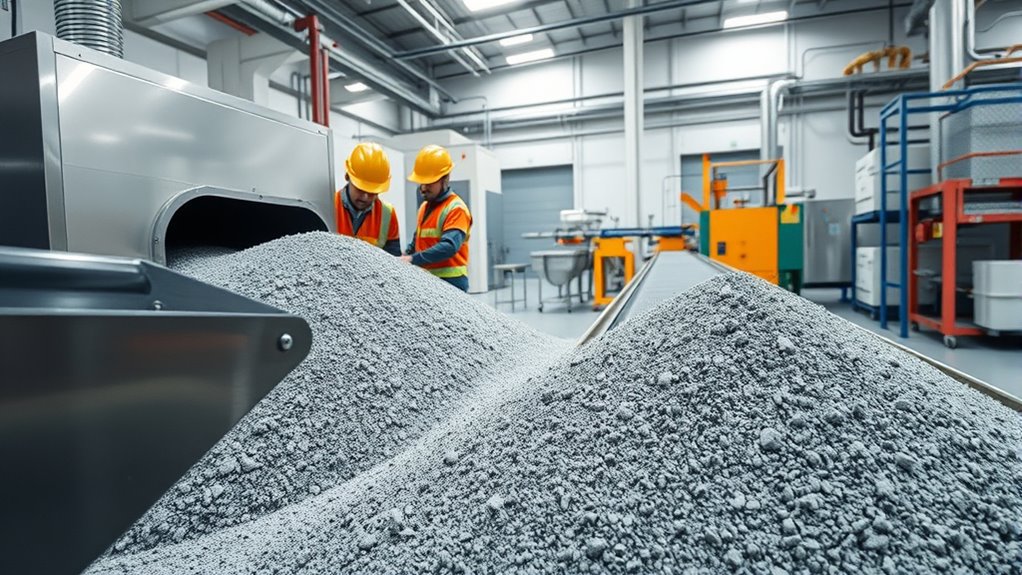
You can turn ash into valuable construction materials, such as concrete and bricks, reducing reliance on natural resources. Using ash to improve soil helps boost crop yields and restore degraded land. Additionally, ash can assist in waste management by stabilizing hazardous materials and minimizing landfill volume. Incorporating self watering plant pots in urban gardening can also promote sustainable plant care practices. Implementing environmentally friendly disposal methods ensures that ash reuse remains safe and effective for various applications. Employing recycling strategies aligned with sustainable practices further enhances the safe and effective reuse of ash across multiple sectors. Understanding the properties of ash is essential for optimizing its safe application in these diverse fields.
Ash as Construction Material
Ash has emerged as a promising construction material due to its lightweight and durable properties. You can use it to create eco-friendly bricks that are strong and cost-effective. Imagine walls made from ash-based blocks, reducing the need for traditional materials. You might also consider its use in road construction, where it enhances stability and drainage. Picture ash being incorporated into concrete, making structures more resilient and sustainable. Finally, ash can be molded into panels or insulation, offering energy-efficient solutions. These applications not only repurpose ash but also reduce waste and environmental impact. Incorporating sustainable materials like ash in construction supports innovative, environmentally friendly building practices that benefit both the environment and your project’s longevity. Additionally, utilizing ash in construction contributes to biodiversity conservation by decreasing reliance on extractive natural resources.
Ash in Soil Improvement
Have you ever considered how ash can transform soil quality for agricultural and environmental purposes? Ash contains minerals like calcium, potassium, and magnesium that can enrich soil and improve plant growth. When properly treated, ash helps increase soil pH, reduce acidity, and boost nutrient availability. You can spread ash on fields or use it as a soil conditioner to enhance crop yields. However, it is crucial to test ash for contaminants before application. Here’s a quick overview:
| Aspect | Benefits | Precautions |
|---|---|---|
| Nutrient supply | Provides essential minerals | Avoid contaminated ash |
| Soil pH adjustment | Neutralizes acidity | Use in moderation |
| Waste reduction | Recycles waste material | Proper testing and application |
Using ash responsibly in soil improvement promotes sustainability and environmental health.
Ash for Waste Management
Did you know that ash can be innovatively reused to address waste management challenges? You can turn ash into practical solutions that reduce landfill waste and promote sustainability. Imagine:
- Creating lightweight, durable construction materials like bricks or blocks, lowering the need for raw resources.
- Using ash as a filtering agent in wastewater treatment plants, helping purify water more efficiently.
- Incorporating ash into road base layers, which enhances stability and reduces construction costs.
- Employing ash in packaging materials as a sustainable alternative to conventional fillers, cutting down on plastic use.
These applications not only repurpose ash but also minimize environmental impact. By embracing these innovative reuse options, you help turn waste into valuable resources, paving the way for a cleaner, greener future.
Regulatory Compliance and Best Practices
Ensuring regulatory compliance is essential for safe and sustainable ash disposal and reuse practices. You need to understand and follow local, state, and federal regulations to avoid legal issues and environmental harm. Stay informed about permitted disposal methods, handling procedures, and reporting requirements. Implement best practices such as proper storage, contamination prevention, and regular monitoring to meet regulatory standards. Maintain detailed records of ash management activities, including sampling and testing results. Training staff on compliance procedures helps ensure everyone understands their responsibilities. Collaborating with environmental agencies and industry experts can also improve your practices. By adhering to regulations and adopting best practices, you protect public health, minimize environmental impact, and demonstrate your commitment to responsible ash management.
Future Trends in Ash Management and Sustainability
Future trends in ash management will likely focus on innovative recycling technologies that maximize reuse and reduce waste. You’ll also need to stay ahead of evolving regulatory and environmental policies that shape sustainable practices. Embracing these changes can help you improve efficiency while minimizing environmental impact.
Innovative Recycling Technologies
Innovative recycling technologies are transforming how you handle ash, making it possible to recover valuable materials and reduce environmental impact. These advancements enable you to extract metals like iron, aluminum, and even trace elements, turning waste into useful resources. Imagine a process where ash is fed into specialized machines that separate and purify components efficiently. Visualize:
- A high-tech conveyor system sorting ash into different streams.
- Advanced smelting units extracting metals with minimal energy.
- Chemical treatments neutralizing hazardous substances on-site.
- Compact reactors converting remaining ash into construction materials.
These innovations not only reduce landfill volume but also promote circular economy practices, helping you achieve sustainability goals while ensuring safe disposal methods. Embracing such technologies positions you at the forefront of responsible ash management.
Regulatory and Environmental Policies
Advancements in recycling technologies are reshaping how ash is managed, but effective oversight depends on evolving regulatory and environmental policies. You need clear standards that ensure ash reuse minimizes environmental risks and protects public health. Governments are updating regulations to control pollutant emissions and set safety thresholds for ash disposal. These policies encourage sustainable practices by incentivizing the development of eco-friendly technologies. Monitoring and enforcement become more effective as regulations adapt to new scientific insights. You must stay informed about changing policies to ensure compliance and sustainable practices. Strong regulations also foster innovation, helping industries develop safer, cleaner ash management solutions. Ultimately, well-crafted policies create a balance between technological progress and environmental protection, guiding ash management toward a more sustainable future.
Frequently Asked Questions
How Can Ash Reuse Benefit Local Communities Economically?
Reusing ash can boost your local economy by creating new job opportunities in collection, processing, and distribution. It encourages small businesses to develop products like construction materials, fertilizers, or art supplies, which can generate income and reduce waste costs. When you support ash reuse initiatives, you’re helping to lower disposal expenses and stimulate local industries, fostering economic growth and sustainability within your community.
What Training Is Available for Safe Ash Handling Procedures?
Think of training like a map guiding you safely through unfamiliar terrain. You can access various programs from environmental agencies, industry associations, and local health departments that teach safe ash handling procedures. These courses often include hands-on demonstrations, safety protocols, and best practices. By participating, you’ll gain the knowledge needed to prevent health risks and environmental harm, ensuring you handle ash responsibly and confidently every time.
Are There Specific Certifications for Responsible Ash Disposal Companies?
You might wonder if there are certifications for responsible ash disposal companies. Yes, some organizations offer certifications that verify a company’s commitment to proper handling and environmental safety. These certifications guarantee that the company follows industry standards and regulations, reducing health risks. When choosing a disposal partner, look for recognized credentials like ISO certifications or industry-specific safety approvals, so you can trust they’re managing ash responsibly and sustainably.
How Does Ash Reuse Influence Local Soil Health?
You might wonder how reusing ash affects local soil health. When you reintroduce ash responsibly, it can boost soil nutrients like potassium and calcium, improving fertility. However, if not managed properly, it could introduce harmful elements or alter pH levels, harming plants and microbes. By carefully monitoring ash quality and application, you help maintain healthy soil ecosystems and support sustainable land use in your community.
What Innovations Are Emerging for Ash Pollution Monitoring?
You might think monitoring ash pollution is complicated, but emerging innovations make it easier. You can now use real-time sensors and drones equipped with advanced spectroscopy to detect pollutants quickly and accurately. These tools help you stay ahead of potential hazards, even in hard-to-reach areas. By adopting these technologies, you guarantee better environmental protection and compliance, making ash pollution monitoring more effective and less invasive.
Conclusion
By staying informed and following best practices, you can handle and dispose of ash safely and responsibly. Remember, wise planning now can save you from future headaches, as a stitch in time saves nine. Embrace innovative reuse options and comply with regulations to protect the environment. Ultimately, taking proactive steps guarantees you’re not just putting out fires but building a sustainable future. Your actions today make all the difference—don’t leave it to chance.