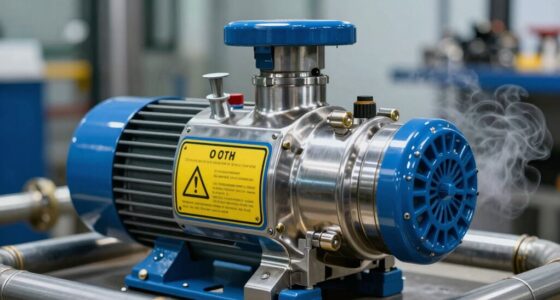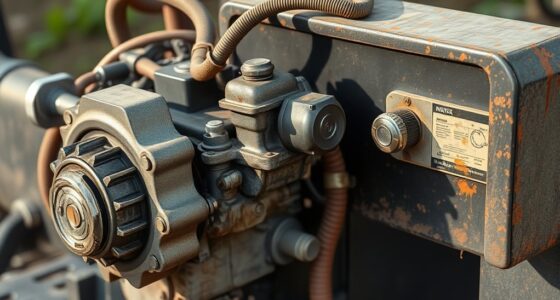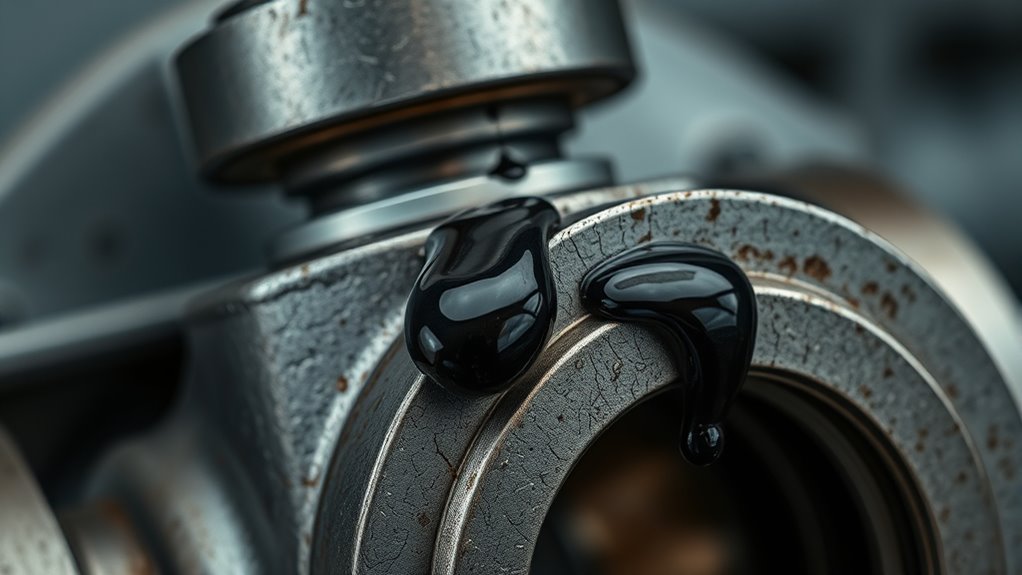

When your control valve starts leaking, decide whether to reseal or replace based on the damage. If the leak is minor and the core components look intact, resealing can be a cost-effective fix that extends the valve’s life. However, if there’s corrosion, cracks, or internal damage, replacement is the better option to avoid ongoing issues. To ensure your system stays reliable, it’s important to assess the condition carefully—more insights await if you keep exploring.

Get business pricing on tools and workshop supplies
- Business-only prices and quantity discounts
- Tax-exempt purchasing
- Multiple users, one account, clear invoices
Key Takeaways
- Reseal for minor, localized leaks with intact core components; replace for extensive corrosion or internal damage.
- Always inspect the valve thoroughly before deciding; persistent leaks after resealing indicate replacement is needed.
- Resealing is cost-effective and extends valve life if core parts are in good condition; replacement ensures reliability if damage is severe.
- Follow manufacturer guidelines precisely when resealing to prevent further damage and ensure proper sealing.
- Prioritize replacement if the valve shows signs of extensive deterioration, cracks, or malfunctioning actuators to avoid system failure.

A leaking control valve can cause significant issues in your system, leading to inefficiency, increased energy costs, and potential equipment damage. When you notice a leak, it’s vital to act promptly to prevent further complications. One of the first steps is to assess whether the leak is minor or severe. Regular maintenance tips, such as inspecting the valve and surrounding components, help catch issues early. Keep an eye out for signs like hissing sounds, fluctuating system pressure, or visible water or air leaks. These indicators suggest that your control valve might need attention, and addressing them quickly can save you money and downtime.
Troubleshooting techniques are essential for diagnosing the root cause of the leak. Start by shutting down the system safely and inspecting the valve for obvious damage or wear. Sometimes, leaks occur because of worn-out seals or gaskets, which are relatively simple and inexpensive to reseal. If the leak persists after resealing, you might need to consider replacing the valve altogether. When troubleshooting, check for debris or buildup that could prevent the valve from closing properly, and ensure that the actuator is functioning correctly. Confirm that the pressure settings are appropriate, as incorrect settings can cause the valve to leak under certain conditions. Understanding system components can also help identify potential sources of failure and improve your maintenance approach.
Deciding whether to reseal or replace the control valve depends on the extent of the damage. Small, localized leaks often respond well to resealing. You’ll want to follow manufacturer instructions carefully during this process, ensuring you use the correct sealant or replacement parts. Resealing is a cost-effective and straightforward fix that can extend the life of your valve if the core components are still in good shape. However, if the valve shows signs of significant corrosion, cracks, or internal damage, replacement is the smarter choice. Continuing to operate a compromised valve can lead to more extensive system issues and higher repair costs down the line.
Frequently Asked Questions
How Can I Prevent Control Valve Leaks From Occurring?
To prevent control valve leaks, you should follow regular maintenance tips like inspecting seals and connections frequently. Keep an eye on wear and tear, replacing worn parts before leaks develop. Consider system upgrades that improve valve durability and sealing performance. Proper lubrication and pressure regulation also help. Staying proactive with maintenance and upgrades guarantees your control valves remain leak-free, extending their lifespan and keeping your system running smoothly.
What Are the Signs Indicating a Control Valve Needs Replacement?
A control valve that needs replacing shows signs like erratic movement or failure to respond, much like a car that stalls unexpectedly. You should check control valve calibration and perform fluid pressure testing to confirm. If these tests reveal persistent issues or inconsistent operation despite adjustments, it’s time to replace the valve. Ignoring these signs could lead to system inefficiencies or damage, so act promptly to guarantee peak performance.
Are There Temporary Fixes for Leaking Control Valves?
Yes, there are quick fixes you can try as a temporary solution for a leaking control valve. You might tighten fittings, apply sealant or thread tape, or replace damaged seals to reduce leaks temporarily. However, these quick fixes won’t last long and could cause further damage. It’s best to schedule a proper inspection soon, as a professional repair or replacement will guarantee long-term reliability and safety.
How Long Does a Typical Control Valve Resealing Last?
Ever wonder how long a control valve resealing lasts? Typically, it can hold up for 1 to 3 years with proper control valve maintenance and effective sealing techniques. However, this lifespan depends on factors like operating conditions and valve usage. Regular inspections and maintenance can extend its life, but eventually, worn seals may require replacement. Are you prepared to monitor and maintain your valve to maximize its sealing effectiveness?
What Are the Cost Differences Between Resealing and Replacing?
You’ll find that resealing a control valve is generally less expensive than replacing it, with a cost comparison showing significant savings on labor and parts. Resealing involves a lower expense analysis, making it a cost-effective fix for minor leaks. However, if the valve is severely damaged or worn out, replacing it might be a better long-term investment, despite higher upfront costs.
Conclusion
So, whether you reseal or replace your leaking control valve, remember, ignoring it is like letting a tiny leak turn into a flood. You could end up with a plumbing disaster that makes Niagara Falls look like a drip. Take action now—resealing might be quick, but replacing could save you from a mini water park in your basement. Don’t let a small leak become the biggest nightmare—fix it before it takes over!
Fall Picks
fall essentials
As an affiliate, we earn on qualifying purchases.