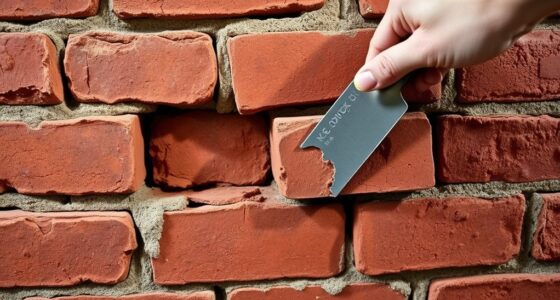
To understand chimney draft basics, remember it’s what pulls smoke and gases out of your home and keeps airflow steady. Factors like chimney height, diameter, temperature, and external weather affect draft strength. Poor draft can cause smoke backflow, difficulty maintaining fires, or blockages like creosote buildup. You can improve performance by inspecting and cleaning your chimney regularly, installing caps, and adjusting nearby windows. Continue exploring to learn how to troubleshoot and optimize your chimney’s draft effectively.

Get business pricing on tools and workshop supplies
- Business-only prices and quantity discounts
- Tax-exempt purchasing
- Multiple users, one account, clear invoices
Key Takeaways
- Proper chimney height, diameter, and temperature differences are essential to ensure strong, consistent draft.
- Signs of poor draft include smoke spilling into the room and difficulty maintaining fires.
- Obstructions like creosote buildup, nests, or debris can hinder airflow and reduce draft efficiency.
- External factors such as wind direction and outdoor temperature influence chimney draft performance.
- Regular inspection, cleaning, and using a chimney cap help optimize draft and prevent blockages.
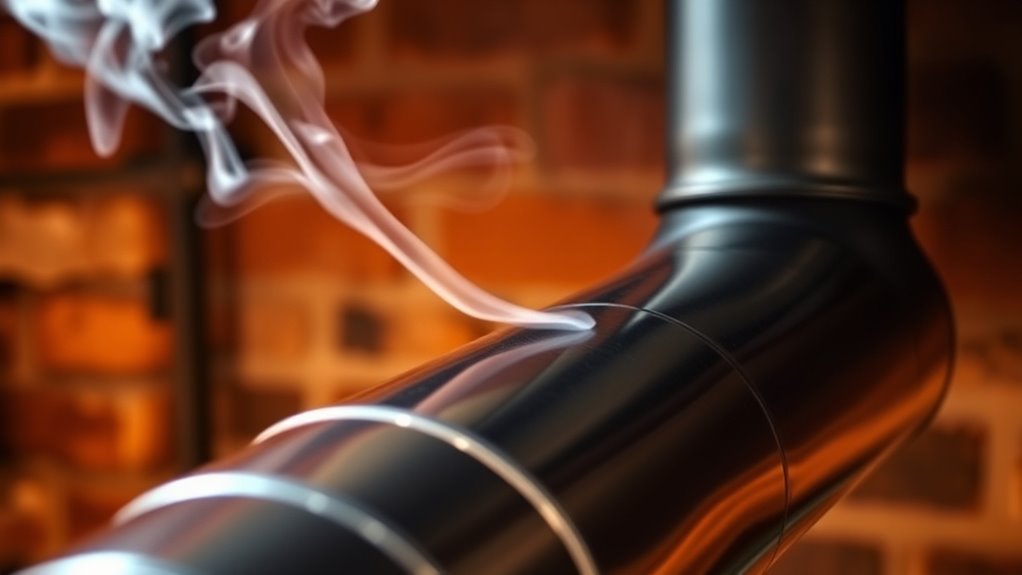
A proper chimney draft is essential for ensuring your fireplace or stove operates safely and efficiently. When the draft is strong and steady, it pulls smoke and combustion gases up and out of your home, preventing dangerous buildup inside. Good fireplace ventilation relies heavily on this draft, as it maintains a continuous flow of air that encourages complete combustion and minimizes smoke spillage. If your chimney lacks proper draft, you might notice smoke drifting into the room instead of going up the chimney, which can be both annoying and hazardous.
A strong, steady chimney draft ensures safe, efficient operation by preventing smoke buildup inside your home.
Several factors influence the quality of your chimney draft. The height and diameter of your chimney are crucial; taller chimneys tend to create a stronger draft because they generate greater suction. Conversely, a chimney that’s too wide or too narrow can disrupt airflow, reducing draft strength. Additionally, the temperature difference between the fire and the outside air plays a significant role—hotter fires produce a stronger draft, while cold or damp conditions can weaken it. Properly functioning vents and flues also contribute to *ideal* fireplace ventilation, ensuring air flows where it should and preventing smoke spillage into your living space.
If you experience issues with draft, you might notice smoke entering the room or difficulty keeping the fire burning steadily. These problems often stem from insufficient draft or blockages inside the chimney. Creosote buildup, bird nests, or debris can obstruct airflow, disrupting the natural upward movement of smoke. You should inspect and clean your chimney regularly to prevent these issues. Installing a chimney cap can also help keep debris and animals out, maintaining clear pathways for smoke to escape.
Another common cause of poor draft is environmental conditions. Wind can either help or hinder airflow depending on its direction and strength. A strong wind blowing across your chimney cap might create a negative pressure that pulls smoke back into your home, causing smoke spillage. Conversely, gentle breezes can improve draft by ventilating the chimney more effectively. In some cases, opening a nearby window can help balance pressure differences and enhance draft performance, especially during cold weather when the chimney tends to underperform. Understanding envelope pressure and its influence can also be crucial in troubleshooting draft issues.
Understanding these factors allows you to troubleshoot and improve your chimney’s performance. Ensuring proper chimney ventilation is key to safe and efficient operation, minimizing smoke spillage, and maintaining good indoor air quality. Regular maintenance, awareness of environmental influences, and proper design are your best tools for achieving a *strong* , consistent draft that keeps your fireplace functioning safely and effectively.
chimney cap for draft improvement
As an affiliate, we earn on qualifying purchases.
As an affiliate, we earn on qualifying purchases.
Frequently Asked Questions
How Does Outdoor Weather Affect Chimney Draft?
Outdoor weather considerably affects your chimney draft. When outdoor temperatures drop, the cooler air sinks, creating a stronger draft that pulls smoke up efficiently. Wind effects can either enhance or disrupt this process; strong gusts may cause turbulence, reducing draft effectiveness or pushing smoke back into your home. Calm, warmer days typically provide a more stable draft, ensuring your chimney functions properly. Keep an eye on weather conditions for ideal chimney performance.
What Are Signs of a Weak Chimney Draft?
If your chimney’s acting like a lazy cat, signs of a weak draft include smoky rooms, poor fireplace flames, and soot buildup. You might notice the chimney damper’s stuck or not fully open, preventing proper airflow. Consider draft enhancers to boost performance. When the draft’s weak, it’s like the chimney’s holding its breath, leaving smoke lingering and your fire fighting for breath—clearly not its best day.
Can Chimney Draft Issues Cause Smoke Backflow?
Yes, chimney draft issues can cause smoke backflow, making it spill into your home instead of venting outside. When the draft is weak or blocked, smoke and gases can’t escape properly. Regular chimney cleaning removes creosote and debris that hinder draft. Additionally, using draft enhancers can improve airflow, helping prevent backflow and ensuring smoke exits safely. Addressing these issues keeps your home safer and your fireplace functioning efficiently.
How Does Chimney Height Influence Draft Efficiency?
Think of your chimney as a tall straw drawing smoke upward; the taller the straw, the better the suction. Increasing chimney height improves draft efficiency by creating a stronger draw, helping smoke and gases exit smoothly. If your chimney’s too short, the draft weakens, causing smoke to linger or backflow. Proper height ensures ideal airflow, making your fireplace safer and more efficient. Just like a tall straw, a taller chimney pulls better.
Are There Safety Risks Related to Improper Chimney Draft?
Yes, improper chimney draft can pose safety risks, such as carbon monoxide buildup and fire hazards. You should regularly perform chimney cleaning and make draft measurements to guarantee safe operation. If the draft is too weak or strong, it could lead to smoke or gases entering your home, risking health and safety. Always address draft issues promptly and consult professionals if you’re unsure, to keep your home safe.
Conclusion
Think of your chimney draft as the steady river guiding smoke safely away, ensuring warmth and safety flow effortlessly through your home. When the current falters, blockages or poor design act like rocks, disrupting the flow. By understanding these basics, you become the skilled captain, steering your chimney’s river smoothly. With careful troubleshooting, you keep the smoke’s journey unobstructed, maintaining a cozy, safe haven—your home—where warmth and comfort flow as naturally as a well-navigated stream.
Fall yard work Picks
leaf blowers
As an affiliate, we earn on qualifying purchases.