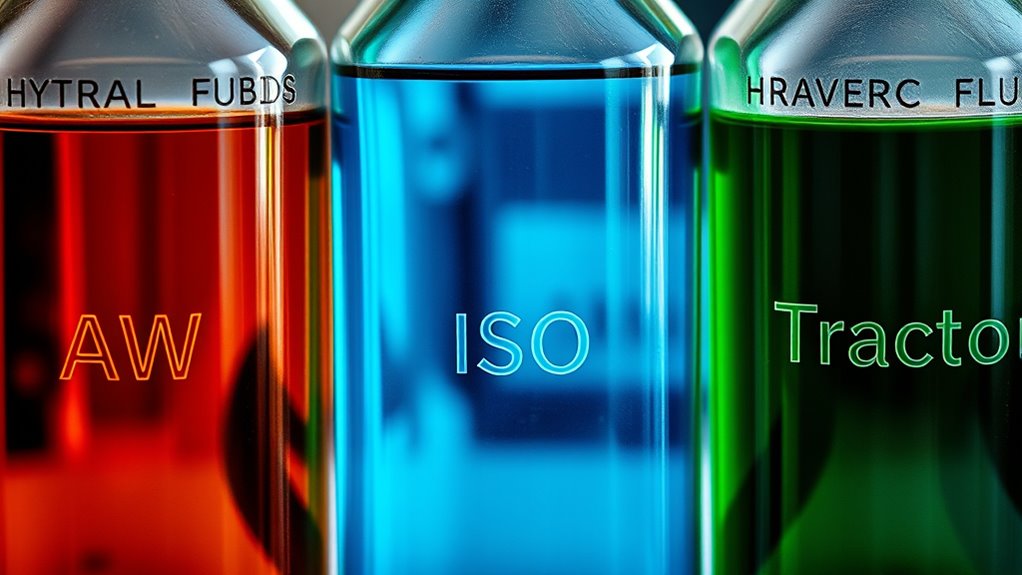

If you’re choosing a hydraulic fluid, you’ll find three main types: AW, ISO, and tractor. AW fluids are designed for heavy-duty equipment needing anti-wear protection under high pressure. ISO fluids are standardized by viscosity and work well across different systems, offering reliable performance. Tractor fluids are specially formulated for outdoor farm equipment, handling dust and temperature changes. To make the best choice for your needs, keep exploring the specific features of each type.

Get business pricing on tools and workshop supplies
- Business-only prices and quantity discounts
- Tax-exempt purchasing
- Multiple users, one account, clear invoices
Key Takeaways
- AW fluids are formulated with anti-wear additives for high-pressure industrial and mobile equipment.
- ISO fluids are classified by viscosity standards, suitable for a wide range of manufacturing and agricultural systems.
- Tractor hydraulic fluids are designed for outdoor agricultural machinery, resisting dirt, water, and temperature fluctuations.
- Proper fluid selection ensures compatibility with seals and materials, preventing wear, corrosion, and fluid breakdown.
- Each hydraulic fluid type serves specific applications, enhancing equipment durability and optimal performance.
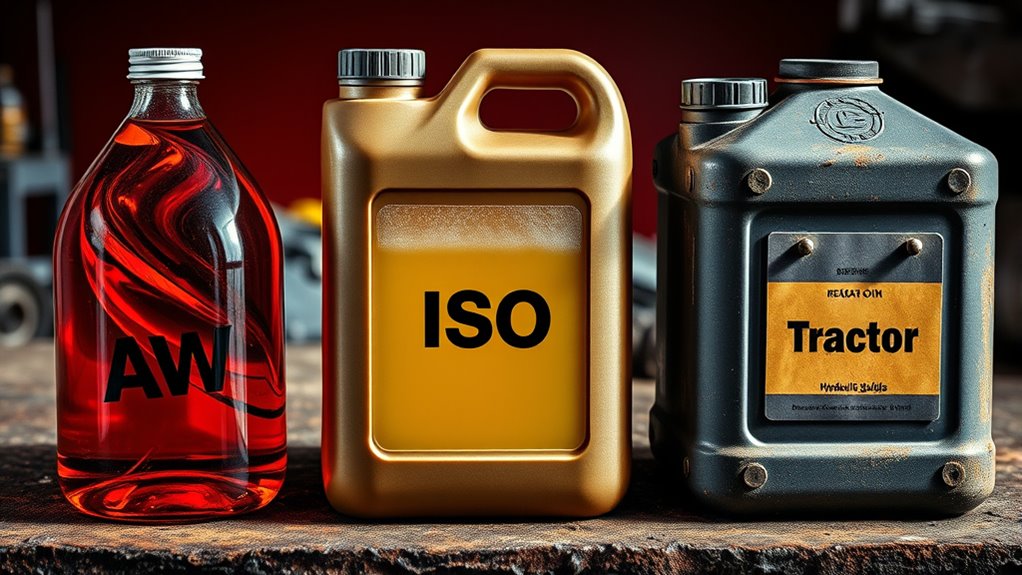
Have you ever wondered what makes hydraulic systems run smoothly? The key lies in choosing the right hydraulic fluid, which directly affects hydraulic fluid performance and fluid compatibility. When selecting a hydraulic fluid, understanding the differences between AW (Anti-Wear), ISO, and tractor fluids can help ensure your equipment operates efficiently and lasts longer. Each type is designed with specific applications in mind, so knowing their characteristics is essential to prevent issues like wear, corrosion, or fluid breakdown.
AW hydraulic fluids are formulated with anti-wear additives that protect high-pressure components from excessive wear and tear. They’re typically used in industrial and mobile equipment where the system endures heavy loads and frequent operation. These fluids excel in maintaining hydraulic fluid performance under demanding conditions, thanks to their ability to form a protective film on metal surfaces. They also offer good fluid compatibility with various seals and materials, reducing the risk of leaks or deterioration. If your equipment operates in tough environments, opting for AW fluids ensures your hydraulic system stays protected and performs reliably.
ISO hydraulic fluids are classified according to international standards, primarily ISO 32, ISO 46, ISO 68, and so on, based on their viscosity. These fluids are versatile and widely used across different industries, from manufacturing to agriculture. Their standardized viscosity ratings make it easier to match the fluid to your system’s requirements, ensuring optimal hydraulic fluid performance. ISO fluids are known for their excellent fluid compatibility with a broad range of seals and materials, making them a safe choice if you’re unsure about the specifics of your machinery. They often strike a balance between performance and cost, providing reliable operation across various applications.
Tractor hydraulic fluids are specially formulated for agricultural equipment, designed to handle the unique demands of farm machinery. They’re built to perform well in fluctuating temperatures and under the influence of dirt, water, and other contaminants common in outdoor environments. These fluids prioritize fluid compatibility with the seals and hoses typically found in tractors, preventing leaks and maintaining system integrity. Because tractors often operate in dusty, muddy conditions, the hydraulic fluids used must resist degradation and maintain consistent performance. Choosing the right tractor-specific hydraulic fluid helps ensure your machinery functions smoothly through long, demanding days in the field.
As an affiliate, we earn on qualifying purchases.
Frequently Asked Questions
How Do I Identify the Correct Hydraulic Fluid for My Equipment?
You can identify the correct hydraulic fluid by checking your equipment’s manual for fluid compatibility, guaranteeing you choose the right type. Look for labels or specifications on the fluid container that match your machine’s requirements. Proper fluid storage is essential to prevent contamination and degradation. Always use clean, sealed containers and store fluids in a cool, dry place to maintain quality and ensure ideal performance.
Can I Mix Different Types of Hydraulic Fluids Safely?
Think of it like trying to mix oil and water in a 70s radio—things just don’t blend well. You shouldn’t mix different hydraulic fluids because it compromises fluid compatibility and can cause damage. Mixing safety isn’t guaranteed, and it might lead to equipment failure or leaks. Always check your equipment manual or consult a professional before blending fluids, and stick to the same type for peak performance.
What Are the Signs of Using the Wrong Hydraulic Fluid?
You’ll notice issues like fluid contamination, which causes strange noises or reduced performance, and temperature effects, like overheating or sluggish operation. Using the wrong hydraulic fluid can lead to increased wear, leaks, or equipment failure. Keep an eye out for discoloration, foaming, or a burnt smell. If you see any of these signs, it’s a clear indicator that you might be using the incorrect fluid and should switch to the proper type.
How Often Should Hydraulic Fluids Be Replaced or Tested?
Did you know that improper fluid maintenance can cause 70% of hydraulic system failures? You should replace or test your hydraulic fluids every 1,000 to 2,000 hours of operation or annually, whichever comes first. Regular testing helps detect fluid degradation and contamination early, preventing costly repairs. By maintaining a consistent schedule, you guarantee fluid quality, extend equipment life, and keep your hydraulic system running smoothly and efficiently.
Are Synthetic Hydraulic Fluids Compatible With All Systems?
Synthetic hydraulic fluids generally offer good synthetic compatibility, but you should verify your system’s specifications first. Mixing synthetic with mineral-based fluids can cause fluid instability and increase the risk of fluid mixing risks, potentially damaging your equipment. Always consult your manufacturer’s guidelines or a hydraulic specialist before switching or combining fluids to ensure compatibility and avoid costly repairs. Proper testing helps confirm the right fluid for your system.
Conclusion
Choosing the right hydraulic fluid means understanding your options: AW for general use, ISO for international standards, and tractor fluids for agricultural needs. Each type offers specific benefits, each suited to particular equipment, conditions, and performance expectations. By matching your machinery’s requirements with the appropriate fluid, you guarantee maximum operation, prevent damage, and extend lifespan. In the end, selecting the right hydraulic fluid is about making the right choice, ensuring reliability, protecting components, and maintaining efficiency.
Fall Picks
fall essentials
As an affiliate, we earn on qualifying purchases.