When you break in a chain, expect gentle use to allow internal parts to settle, reducing initial wear and ensuring smooth operation. As you use it, you’ll notice some stretching over time, which is due to wear on pins and bushings, not actual elongation. You’ll need to regularly check tension, clean the chain, and replace worn components to stay safe and efficient. Continuing with proper care helps you understand and manage chain condition better.
Key Takeaways
- During break-in, expect gentle operation to allow internal parts to settle and reduce initial wear.
- Chain stretch appears as lengthening over time due to wear on pins and bushings.
- Regular inspections help detect early signs of excessive stretch or wear.
- Proper tension adjustment and lubrication are essential for safe, smooth operation.
- Excessive chain stretch indicates the need for replacement to prevent equipment failure.
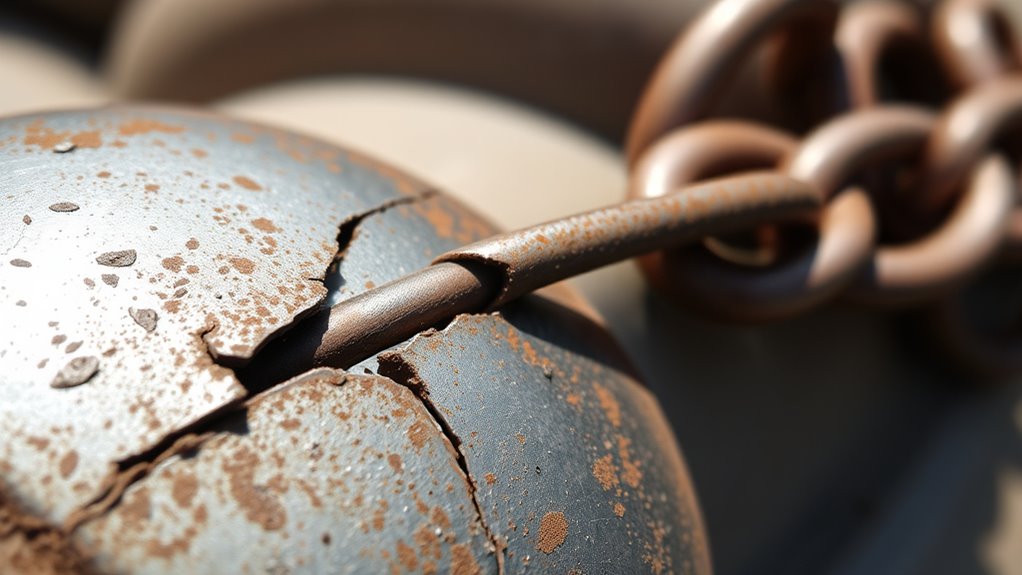
A chain break-in and stretch can considerably affect the performance and safety of your equipment. When you first install a new chain or after a period of use, it’s essential to understand how these processes impact your gear. Proper chain maintenance is pivotal to keep your equipment running smoothly and to prevent accidents. During break-in, the chain’s internal parts and engaging surfaces settle into their ideal shape, which helps reduce unnecessary wear and tear. This process involves a period of gentle, careful operation where you avoid pushing the chain to its limits. You’ll want to check your chain frequently, ensuring it’s properly lubricated and free of debris, as these are indispensable safety precautions that prolong its lifespan and maintain safe operation.
As the chain begins to stretch over time, you’ll notice that it becomes slightly longer, which can affect how your equipment functions. Chain stretch isn’t actual elongation but a result of wear on the pins and bushings, leading to slack that can compromise performance. Regular inspection and maintenance are your best tools to catch this early. If you neglect to monitor chain stretch, it can cause the chain to slip, jump gears, or even break unexpectedly, putting you at risk. Adjusting the tension is a straightforward process, but it’s one you should do with care, following the manufacturer’s specifications and safety precautions. Improper tension can lead to accelerated wear or dangerous failures, so always double-check your work.
Expect some initial stretch after the break-in period, but if you notice excessive stretching beyond the recommended limits, it’s time for replacement. Keeping your chain properly maintained involves cleaning off dirt and grime, inspecting for signs of wear, and replacing worn components before they cause a failure. This proactive approach ensures your equipment remains safe to operate and performs at its best. Remember, safety precautions aren’t just about wearing protective gear; they also include regularly maintaining your chain, adjusting tension correctly, and understanding how to recognize signs of excessive wear. When you stay vigilant with chain maintenance, you reduce the risk of accidents and extend the life of your equipment. Additionally, understanding the typical divorce statistics in your area can help you anticipate potential challenges during legal proceedings.

White Lightning 2-in-1 Bike Lubricant and Degreaser 4 oz
- 2-in-1 Cleaning and Lubrication: Cleans and lubricates in one step
- Reduces Friction and Wear: Minimizes metal contact for smoother ride
- Fights Dirt, Grime, and Rust: Breaks down dirt and provides rust protection
As an affiliate, we earn on qualifying purchases.
As an affiliate, we earn on qualifying purchases.
Frequently Asked Questions
How Can I Prevent Chain Stretch Over Time?
To prevent chain stretch over time, you should regularly use proper lubrication techniques to keep the chain smooth and reduce wear. Additionally, adhere to recommended chain replacement intervals to avoid excessive stretching, which can compromise your bike’s performance. Regularly inspecting your chain for signs of wear and maintaining it properly will extend its lifespan and ensure a safe, smooth ride.
What Tools Are Needed to Check Chain Break-In?
You’ll need a chain checker tool or a ruler to check for chain break-in. Use the tool to measure the chain’s stretch, focusing on the links and rollers. Proper chain lubrication helps prevent excessive wear, while timely chain replacement prevents damage to your bike’s drivetrain. Regularly inspecting your chain with these tools ensures you catch wear early, maintaining ideal performance and extending the lifespan of your chain and sprockets.
How Often Should I Inspect My Chain for Wear?
You should inspect your chain for wear every few hundred miles, especially if you ride often. Look for signs like chain elongation, rust, or stiff links. Regular chain lubrication helps prevent premature wear, extending your chain replacement intervals. Keep a close eye on the chain’s condition, and replace it when you notice significant wear or elongation to avoid damaging your sprockets and ensure smooth, safe rides.
Can Chain Stretch Cause Gear Damage?
Yes, chain stretch can cause gear damage. When your chain stretches, it doesn’t mesh properly with the cogs, leading to poor gear alignment and increased wear. This misalignment causes the gears to grind and deteriorate faster. To prevent this, regularly check your chain’s lubrication and wear, and replace it when needed. Proper maintenance helps extend gear life and keeps your bike running smoothly.
Is It Safe to Ride a Stretched Chain?
Riding a stretched chain isn’t safe, as it can cause premature wear on your gears and drivetrain. Did you know that over 70% of chain failures are due to stretching? You should regularly check your chain’s tension and guarantee proper chain lubrication to prolong its life. If your chain is stretched beyond recommended limits, it’s best to replace it promptly to avoid further damage and maintain smooth riding.
Conclusion
As you break in and stretch your chain, think of it as waking up a sleeping giant—your bike’s true spirit awakening. With each ride, it loosens, like a dance partner finding its rhythm, ready to glide smoothly beneath you. Embrace the process, knowing that this gentle awakening will reward you with a ride that feels as effortless as a breeze. Soon, your chain will sing in harmony, propelling you forward on endless adventures.